
Reviewed · KYOTO FOOD TOURS
Kyoto Spring Evening (Cherry Blossom) Food Tour
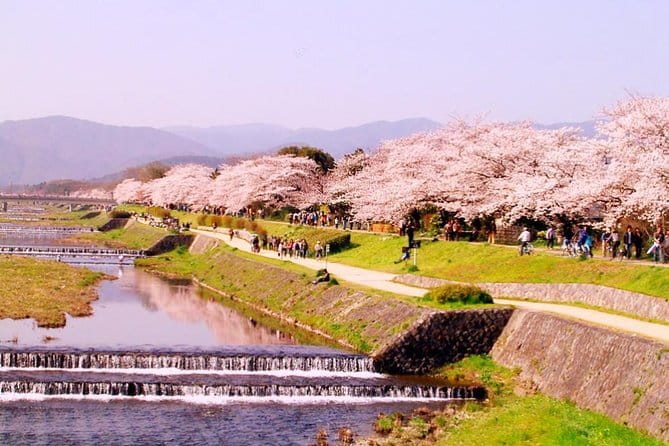
Kyoto at dusk feels like a different city. This 3-hour evening Hanami food tour is built for slower, more local cherry blossom viewing around Demachiyanagi, mixing street snacks, temple walks, and a seasonal dinner. I especially liked the way the guide connected the evening to Hanami customs, and I really enjoyed the seasonal food tastings that feel made for spring. One thing to consider: at this price point, you’ll want to be comfortable with a small-group format, since a bit of waiting can happen when the group is assembling.
You’ll meet at Demachiyanagi Station (4:30 pm) and then spend the night moving on foot through a chain of sakura-friendly spots, including shrine and temple areas plus time in a local shopping arcade. The tour caps at 10 people, you get two drinks, and the rest is all about walking, tasting, and seeing Kyoto after most day-trippers fade out.
In This Review
- Key points I think matter before you go
- Kyoto’s Spring Evening Food Tour: what you’re really buying
- Meeting at Demachiyanagi Station: start smart, not stressed
- Demachiyanagi Hanami stroll: why an evening walk changes everything
- The food and drink plan: tastings plus a proper spring dinner
- What about the included drinks?
- Demachiyanagi shopping arcade time: a local place to sniff, sip, and snack
- Shrines, temples, and sakura: what each stop adds to the evening
- Kawai Jinja
- Honmanji Temple
- Tadasu no Mori (The field of truth)
- Shimogamo Jinja
- Kyoto Botanical Gardens and the Imperial Palace: why these add weight to the route
- The dinner: a classic Kyoto restaurant moment
- Group size and the timing reality (including one common complaint)
- Price and value: when it makes sense, when it doesn’t
- Weather, shoes, and simple evening prep
- Who should book this Kyoto cherry blossom food tour?
- Should you book Kyoto Spring Evening (Cherry Blossom) Food Tour?
- FAQ
- Where is the meeting point and what time does the tour start?
- How long is the Kyoto cherry blossom evening food tour?
- What’s included in the ticket price?
- Are there vegetarian or pescatarian options?
- Is the tour family-friendly?
- Is there a minimum age for the included drinks?
- What if the weather is bad?
- Can you request hotel pickup?
Key points I think matter before you go
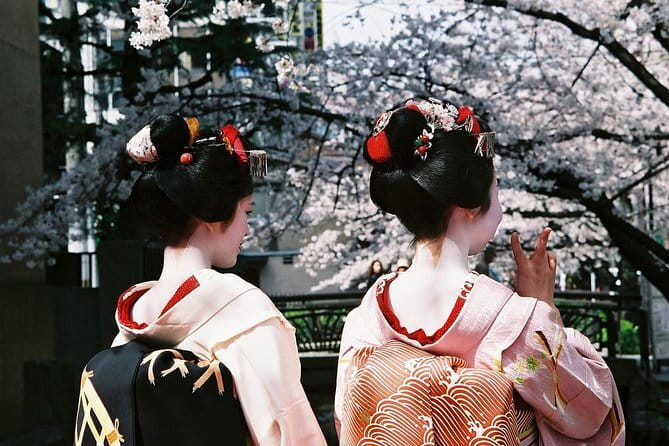
- Demachiyanagi evening pace: a cherry blossom stroll planned for night-time atmosphere, not peak daytime crowds.
- Seasonal food focus: snack and sweet tastings that follow spring ingredients and local routines.
- Small group size (max 10): easier conversation and a calmer walk than bigger tours.
- Temple and shrine route: several key stops for Hanami viewing, not just one photo spot.
- Dinner included: you’re not left hunting for food after the walking starts to feel long.
- Good weather dependent: the experience is set up for outdoor spring evening conditions.
Kyoto’s Spring Evening Food Tour: what you’re really buying
This isn’t a typical “cherry blossom highlights” tour where you rush between famous viewpoints. You’re paying for three things that work together in Kyoto:
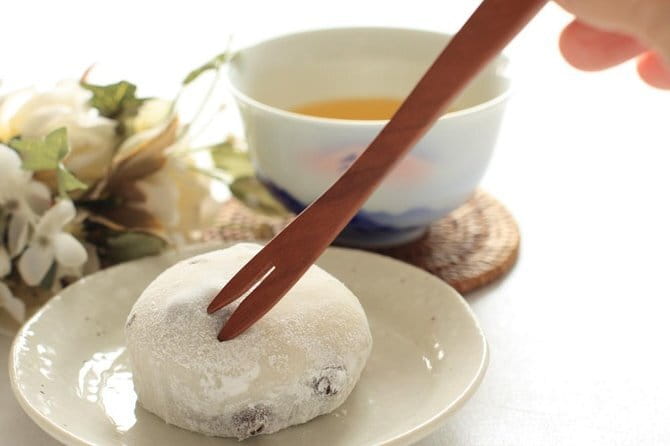
First, you’re buying time in a quieter part of the city, the Demachiyanagi area. Second, you’re buying a guided flow—so you can connect what you’re seeing (sakura season, temple grounds, shrine spaces, local arcades) to why locals treat the season a certain way. Third, you’re buying food without the guesswork: several snack and sweet tastings plus a classic restaurant dinner, with two drinks included.
At $217 per person for about 3 hours, it’s not cheap. The value only clicks if you want guided storytelling and you’re hungry for spring-specific tastes. If your ideal Kyoto evening is walking independently, you might feel the cost is hard to justify—especially if you’re the type who likes to control every stop and every timing.
Still hungry? More tastes of Kyoto
Meeting at Demachiyanagi Station: start smart, not stressed
You meet at Demachiyanagi Station (Tanaka Kamiyanagichō, Sakyo Ward) and the tour starts at 4:30 pm. The activity ends back at the meeting point, so you’re not solving transport puzzles mid-evening.
A couple practical thoughts to help you enjoy the first 10 minutes instead of spending it locating your group:
- Get there early enough to settle your bearings. Kyoto station areas can be a bit like puzzles when it’s crowded.
- If you’re arriving from another part of Kyoto, plan a buffer for train and foot traffic. The tour schedule assumes you’re ready to walk on time.
This tour also says it’s near public transportation. That matters because you’ll likely be moving by foot for much of the evening, and it’s easier if your start point is convenient.
Demachiyanagi Hanami stroll: why an evening walk changes everything
The heart of this experience is the “real Hanami stroll & picnic” idea—watching sakura while keeping the mood relaxed. Daytime cherry blossoms can feel like a photo line. Evening sakura feels calmer. The lighting changes the scene, and the city’s rhythm slows down.
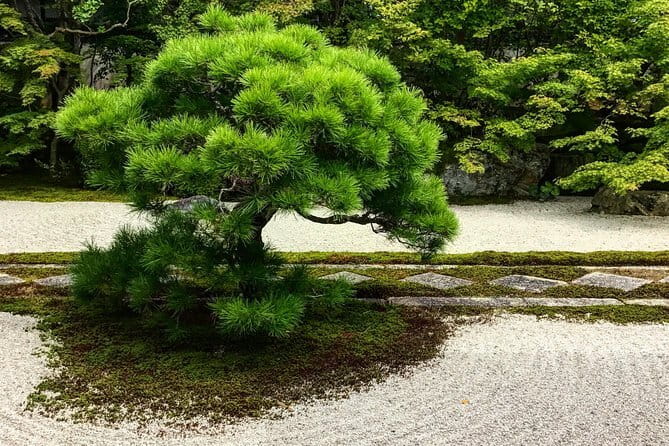
The route focuses on local spaces: you’ll walk through temple and garden areas and also pass through traditional shrine settings, where sakura season tends to feel more integrated into the place instead of staged for visitors. You’re not just seeing trees; you’re moving through Kyoto’s spring atmosphere as it lives in neighborhoods.
Two things I like about this approach:
- It spreads your viewing across multiple stops, so you’re not stuck waiting for one big moment.
- You get food moments while the walk is still enjoyable, not at the point where everyone is hungry and cranky.
One note to keep expectations grounded: this is a structured tour with multiple check-in points, so you’ll be following a guide’s pace rather than picking your own. If you love wandering with no schedule, you’ll want to treat this like a guided evening, not a free-roam stroll.
The food and drink plan: tastings plus a proper spring dinner
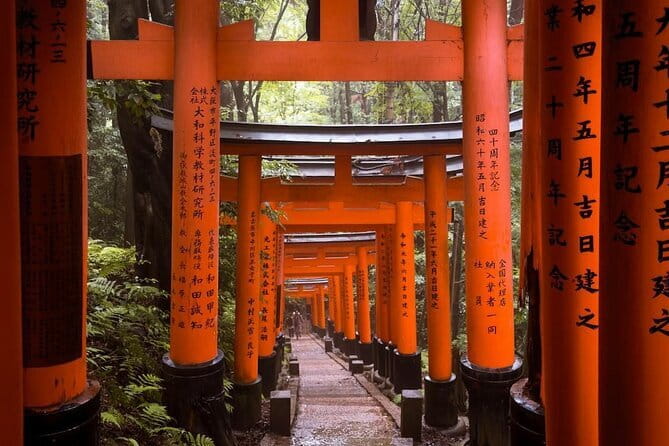
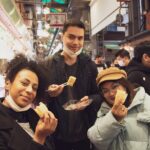
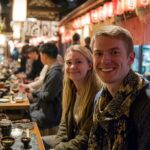
Food is the main reason to do this rather than DIY it. You get various tastings of local snacks and sweets, plus two drinks included, and then seasonal dinner at a classic restaurant.
Here’s what that means practically:
- You’ll have multiple bite-sized food breaks. That keeps your energy up during the walking and helps the evening feel like a sequence of small “now try this” moments rather than one long wait for dinner.
- Because the food is described as seasonal and local, you’re not just sampling random Japanese snacks. The intent is spring-specific flavors—exactly what makes cherry blossom season in Japan feel more than just pretty trees.
Diet-wise, the tour is listed as vegetarian, pescatarian friendly. That’s useful. Still, if you have strict dietary needs (like no fish stock, no eggs, or allergies), you should confirm when booking so the tastings and restaurant meal match what you can eat.
What about the included drinks?
You’re getting two drinks included, but the tour also lists a minimum drinking age of 21. If you’re under 21, double-check how substitutions work for you when you book (the data here confirms the drinking age rule, but it doesn’t spell out whether non-alcoholic drinks are included).
Other Kyoto tours and experiences to compare


Demachiyanagi shopping arcade time: a local place to sniff, sip, and snack
One of the stops includes Demachiyanagi Shopping Street (a shotengai-style arcade). This is where the tour shifts from “sakura viewing” to “neighborhood life.”
Arcades like this are great because:
- You get close to how locals actually spend time—running errands, grabbing snacks, chatting with shopkeepers.
- Food smells and small storefronts naturally pull you in, so it feels less like a planned sampling and more like Kyoto street culture.
In a tour like this, the shopping time also does something smart: it gives you a controlled chance to browse without the pressure of finding everything by yourself. You can focus on what you’re curious about, then get back into the planned route.
If you’re the type who enjoys small shops and short conversations, this segment is likely one of your favorites.
Shrines, temples, and sakura: what each stop adds to the evening
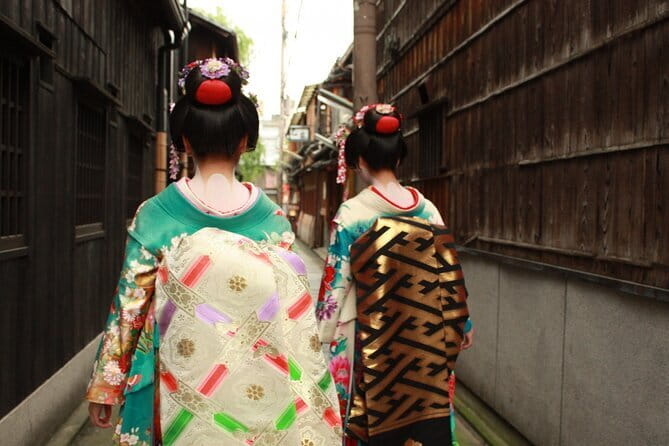
The route lists several major sacred and scenic stops around the Demachiyanagi area. Even without getting overly technical, each one does a job in how the evening flows—sakura viewing in different settings, plus historical and seasonal context from your guide.
Here’s how the listed stops shape your experience:
Kawai Jinja
A shrine stop works well during spring evening because the grounds create a quiet frame for sakura. It’s not just “trees nearby.” It’s a space where you naturally look up, notice the season’s timing, and pause long enough to feel like you’re part of the moment instead of rushing through it.
Honmanji Temple
Temple atmospheres tend to slow people down. The tour includes it as part of a continuing walk, so you’re moving from one spring scene to the next. This is where guided storytelling is especially useful—suddenly a garden or a structure makes more sense because you know what to look for and why it matters during Hanami season.
Tadasu no Mori (The field of truth)
This stop is one of the most “Kyoto specific” parts of the tour name list. Even if you’ve seen sakura before, moments like this can feel different because Kyoto’s major shrine/temple traditions put the trees into a deeper cultural frame.
It’s also a good pause in the walk. You’ll want a little break at some point, and this kind of stop tends to provide it without turning the tour into a lecture.
Shimogamo Jinja
Another shrine stop near the end of the evening helps the whole route land in a stronger note. By this point, you’ve already eaten, you’ve already seen multiple sakura scenes, and the last shrine viewing feels like a closing chapter.
Even if you’re not a hardcore temple person, multiple sacred stops make the walk feel purposeful rather than random.
Kyoto Botanical Gardens and the Imperial Palace: why these add weight to the route
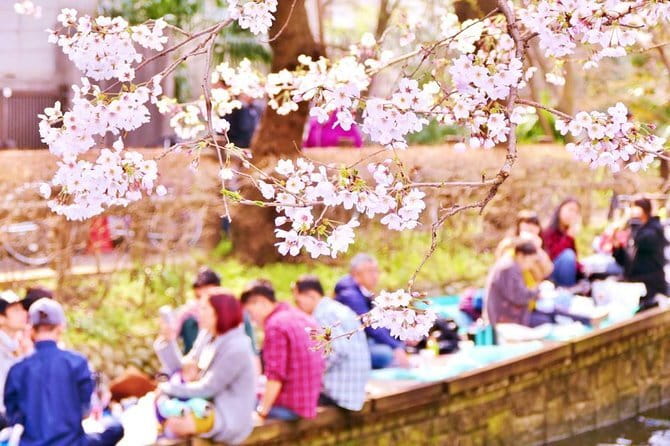
Two more notable listings are Kyoto Botanical Gardens and Kyoto Imperial Palace.
Why include them on a food-focused Hanami tour?
- They give you variety. If you only did shopping arcades and shrines, the evening might feel like one long taste-and-photo loop. Gardens and palace-area spaces add breathing room and different views.
- They create “before dinner” versus “after dinner” contrasts. Your evening tends to feel like two halves: a wandering food and sakura circuit, and then a sit-down seasonal meal.
Because this is an evening tour with about 3 hours total, you won’t be spending all night at any one location. Instead, these stops are used as high-impact anchors for the walk.
The dinner: a classic Kyoto restaurant moment
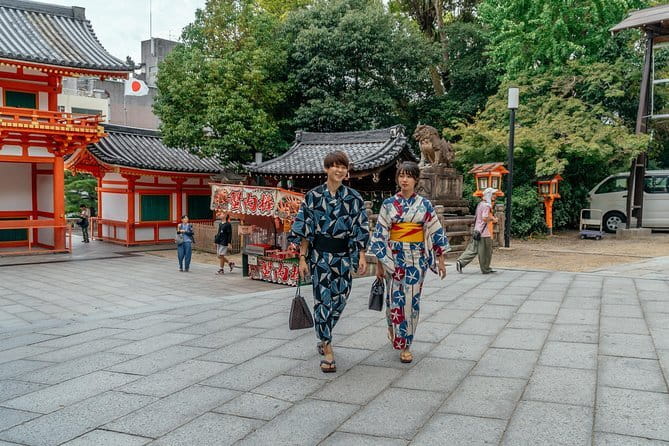
Dinner is included as seasonal and local food at a classic restaurant. That’s a big deal because Kyoto can be tricky at night if you want something that fits the season.
When dinner is included, the evening stays pleasant. You’re not checking restaurant menus while your feet are already tired. You’re not bargaining with hunger. And you’re not stuck choosing a place that’s convenient but not spring-appropriate.
From the experience description, the food here follows the same theme as the tastings: local and seasonal. That consistency is what you’re really paying for—one evening, one story, and multiple bites that feel connected.
Also, this tour includes cherry blossom viewing and shopping time, so dinner is the “reset point” that keeps the energy up for the rest of the evening.
Group size and the timing reality (including one common complaint)
This tour caps at 10 travelers. That usually helps a lot: smaller groups mean fewer distractions and a better chance to ask questions.
Still, one caution shows up in the reality of any small-group tour: if not everyone is assembled at the start (or if the group timing stretches), you may spend a little time waiting. In the feedback I saw, one disappointment centered on excessive waiting for the group to form.
So here’s my practical advice:
- Show up early enough to reduce delays on your side.
- If your evening is time-sensitive, keep a little buffer after the tour ends. The activity returns to the meeting point, but your own plans shouldn’t depend on a perfect second-by-second finish.
Price and value: when it makes sense, when it doesn’t
Let’s talk money honestly.
At $217, you’re paying for guide-led storytelling, multiple sakura-focused stops, several tastings, two included drinks, and a spring dinner. On paper, that’s a full evening package.
But you also could ask: could I do something similar alone?
Yes. Kyoto has neighborhoods, temples, and shopping arcades you can explore without a tour. And you can likely piece together your own sakura walk and then find dinner.
So the value case is simple:
- Book this if you want an organized evening where you don’t have to plan snack stops, don’t have to figure out what to look for at each sacred site, and you want a seasonal meal without guessing.
- Skip it if you’re mainly after sakura photos and you can handle self-guided walking with a little research and self-motivated food exploring.
Small group size helps justify the cost if you care about conversation and learning. If you’re mostly there to follow a route and eat whatever you’re given, the price might feel steep.
Weather, shoes, and simple evening prep
This tour needs good weather. That matters because the route is mostly outdoors. If rain or poor weather hits, your tour may be moved to a different date or refunded.
Shoes: bring something comfortable for standing and walking on uneven sidewalks and temple/garden paths. Evening temperatures in Kyoto in spring can be pleasant, but your feet will feel the route.
Also bring a light layer. Evening walks can shift quickly once the sun drops.
Who should book this Kyoto cherry blossom food tour?
I’d point you toward this tour if you:
- Want a Kyoto spring experience that mixes Hanami atmosphere with real local food.
- Like walking with a plan and learning just enough to make what you see feel meaningful.
- Prefer smaller groups over the big bus-tour vibe.
- Want dinner included so your evening doesn’t turn into a scramble.
It may not be the best fit if you:
- Want maximum freedom to choose your own stops.
- Are traveling on a tight budget.
- Don’t drink and aren’t interested in the included drinks portion (though food is a strong part of the package too).
Should you book Kyoto Spring Evening (Cherry Blossom) Food Tour?
My take: book it if you want a guided Hanami evening with a strong food thread, and you’re excited to walk through Kyoto’s sacred spaces while sampling spring local specialties. The included tastings, two drinks, and seasonal dinner make it feel like an evening designed as a complete experience, not just a scenic walk with one snack stop.
Don’t book it if you’re mostly chasing cost efficiency or if you hate the idea of any waiting tied to group logistics. This tour works best when you’re ready to follow a schedule and enjoy the flow.
If you can, look for a guide-led evening that fits your style, and plan your arrival so you’re ready to start right at 4:30 pm. That small choice can make the difference between a smooth, story-filled night and an okay one.
FAQ
Where is the meeting point and what time does the tour start?
You meet at Demachiyanagi Station at 4:30 pm. The tour ends back at the meeting point.
How long is the Kyoto cherry blossom evening food tour?
It runs for about 3 hours.
What’s included in the ticket price?
The tour includes two drinks, seasonal/local dinner, various tastings of local snacks and sweets, and cherry blossom viewing, plus shopping time.
Are there vegetarian or pescatarian options?
Yes. The tour is listed as vegetarian, pescatarian friendly.
Is the tour family-friendly?
Yes, it’s listed as family-friendly, but children must be accompanied by an adult. For kids 10 and above, a passport information copy is required.
Is there a minimum age for the included drinks?
Yes. The tour lists a minimum drinking age of 21.
What if the weather is bad?
The experience requires good weather. If it’s canceled due to poor weather, you’ll be offered a different date or a full refund.
Can you request hotel pickup?
Hotel pickup is not included, but it can be arranged for an additional charge.
More Tours in Kyoto




More Tour Reviews in Kyoto


More Kyoto Food Tours
Just added: more Kyoto tours to browse








Kyoto Food Tours, compared.
 ★ 5.0Kyoto Night Foodie Tour in Gion (9+ dishes + 6 Sake tastings)From $1631,762 reviews
 ★ 4.7Kyoto Night All-Inclusive Eats and Streets, Gion and BeyondFrom $92601 reviews
 ★ 4.5Kyoto Nighttime All-Inclusive Eats and Streets, Gion and BeyondFrom $119464 reviews
 ★ 5.0Gion Food Tour 13 Dishes at 4 EateriesFrom $72408 reviews
 ★ 5.0Kyoto Foodie Night TourFrom $102376 reviews
 ★ 4.9Gion & Pontocho Food Tour with 13 DishesFrom $82235 reviews
 ★ 5.0Gion Local Food Tour (Taste 15 Dishes)From $94171 reviews
 ★ 4.7Local Food Tasting Tour at the Nishiki MarketFrom $78135 reviews
Browse the lists this tour appears in