

Reviewed · TRAIN EXPERIENCES
Kyoto Railway Museum Admission Ticket
That sound you hear in Japan is a story. The Kyoto Railway Museum turns it into something you can see, touch, and ride. I like how you get 53 real trains in one visit, and I also love the hands-on angle, from stepping into famous cars to realistic train-driving simulators. One thing to consider: it’s closed every Wednesday, and opening hours can vary, so check before you go.
What really makes this museum work for a day trip is that it feels both calm and packed with things to do. The interior is cool and the layout helps you move at your pace, and you’ll likely spend longer than you planned because there’s always another exhibit you can try. The one drawback is practical: when lines build up, you’ll want to follow the queue advice for the Early Bird Advance Ticket entrance to avoid losing time.
In This Review
- Key Things to Know Before You Go
- Kyoto Railway Museum at a Glance: 53 Real Trains in One Place
- Ticket Value: What You Get for Around $9
- Plan Your One-Day Visit and Beat the Wednesday Shutdown
- First Time Here: Enter, Orient, and Choose Your Pace
- Walking the Galleries: From Steam Engines to Shinkansen
- Hands-On Fun: Train Simulators and Stepping Inside Iconic Cars
- Roundhouse Moments: Working Steam Locomotive and the Turntable Rotation
- Sky Terrace Break: Views and a Quick Reset Between Trains
- Who Should Book This Kyoto Railway Museum Ticket?
- Should You Book Kyoto Railway Museum Tickets?
- FAQ
- How much is Kyoto Railway Museum admission?
- How long can I spend at the museum?
- Is the museum open every day?
- What is included with the admission ticket?
- Do I need to present the ticket again if I leave and re-enter?
- What about children’s tickets?
- Is the ticket refundable?
Key Things to Know Before You Go

- 53 real trains across eras, from steam engines to the Shinkansen
- Hands-on simulators that let you try train control in a realistic way
- Working steam locomotive rides for a nostalgic hit of rail history
- Roundhouse turntable rotation to watch trains reposition in action
- Iconic train interiors where you can step inside rather than just look
- Sky Terrace views for a break from the galleries and a wider look around
Kyoto Railway Museum at a Glance: 53 Real Trains in One Place
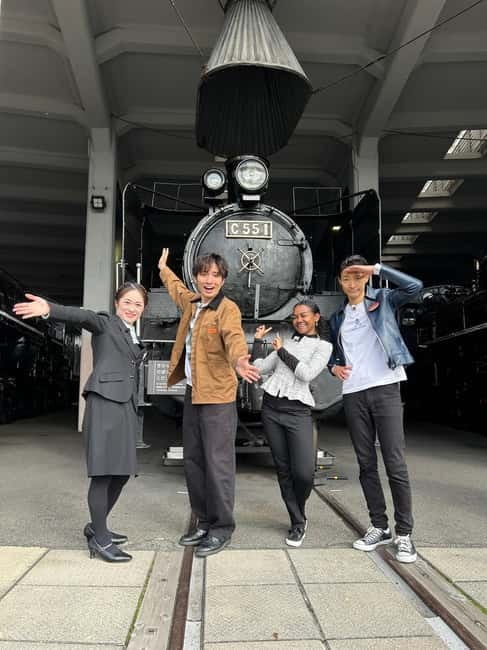
Kyoto Railway Museum is one of those places where the scale is the selling point: you’re not just looking at old photos. You’re surrounded by real trains, and the collection spans major eras of Japanese rail. The museum’s headline is 53 trains—steam locomotives, classic rolling stock, and the Shinkansen—so even if you only know trains through YouTube clips or station screens, you’ll quickly connect the dots.
What I like about this setup is that it makes rail history easier to understand. You can see how design changes with technology, how the shapes and materials shift, and how “modern” rail still connects back to earlier engineering. It’s also naturally family-friendly. The museum isn’t all glass cases and labels—there are interactive and walk-in elements that keep kids interested without turning the whole place into a playground.
Practical tip: go in expecting to move. Even though the exhibits are indoor, you’ll want comfortable shoes. This is a museum that rewards pacing, not rushing.
Other Kyoto tours and experiences to compare



Ticket Value: What You Get for Around $9
The admission price is listed at $9 per person, and for that you get standard museum entry. In plain terms: you’re paying for access to a whole working model of rail culture—display trains plus activities—so it’s not just a single highlight stop.
Here’s why that matters. Many “museum” experiences can feel like one or two attractions wrapped in paperwork. Kyoto Railway Museum is different because the number of real trains is large, and several key moments are “in the experience,” not just “near the display.” That includes walking into iconic cars and using hands-on simulators. When a museum offers both variety and interactivity, $9 starts to feel very reasonable, even if you’re not a lifelong rail fanatic.
Also, the ticket is valid for 1 day. That’s helpful if you arrive a little later, need a break, or just want to see things in the order that makes sense to you. The museum may run different opening hours, so check the official schedule before you commit.
Plan Your One-Day Visit and Beat the Wednesday Shutdown
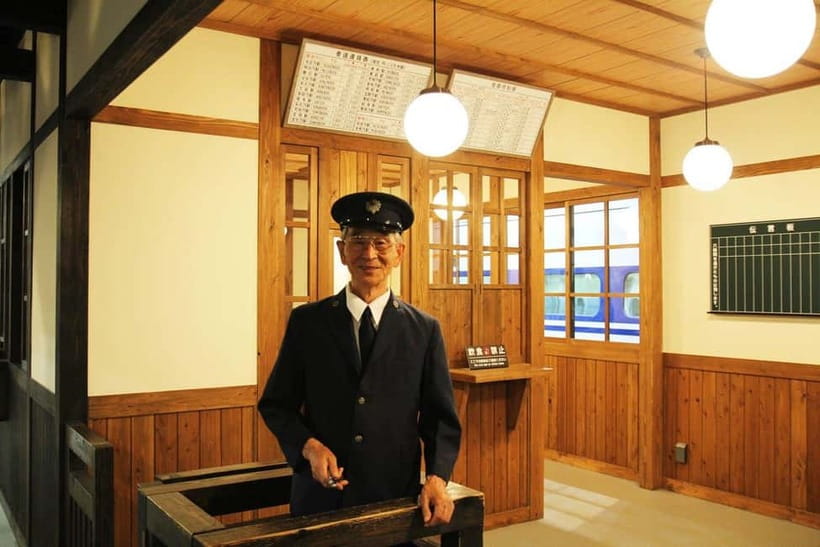
This is a one-day outing, so your goal is simple: don’t waste time. You’ll go directly to Kyoto Railway Museum for redemption, so build the day around arriving near opening. The exact opening hours can change, so verify the hours on the official website.
There’s one scheduling issue you can’t ignore: the museum is closed every Wednesday. If you’re building a Kyoto itinerary, that single detail can save you from a last-minute scramble.
When you arrive, expect queues at busy times. The museum guidance notes that if there are many people in line, you should wait in line at the entrance labeled Early Bird Advance Ticket. That’s the kind of small instruction that can prevent a long standstill.
If you’re planning to come back into the museum after stepping out (for breaks or nearby wandering), keep your ticket handy. You’ll need to present the admission ticket to staff when you re-enter.
Wheelchair access is listed as available, so if you’re bringing mobility needs, this is a good option for a self-paced museum visit.
First Time Here: Enter, Orient, and Choose Your Pace
When you first walk in, treat it like a station map: get oriented before you zoom off to the “big name” trains. You’ll see a lot quickly, but the museum is designed so you can follow rail themes without feeling lost.
Start by scanning what’s in front of you and deciding your route. If you love older tech, you might want to lean toward steam-era displays first. If you’re more Shinkansen-focused, you’ll still find plenty to connect the dots—because the museum doesn’t treat the latest era as a separate universe.
The experience tends to feel orderly and calmer than many big museums. Reviews highlight it as quiet and cool inside, which is exactly what you want on a travel day. You can slow down, read details, and still feel like you’re making progress.
One pacing trick: plan at least one “do everything” station—like simulators—later in your visit. That way, if you get tired, you’re not forced to stop right before the most hands-on part.
Walking the Galleries: From Steam Engines to Shinkansen
The museum’s collection is split across real trains that represent different periods and styles. The headline number—53 real trains—is there for a reason: you’ll keep seeing new variations as you move.
Steam engines are a major draw because they represent the emotional side of rail history. You’re not just looking at machinery; you’re seeing the shape of an era. Then you transition into later rolling stock, and the big modern anchor is the Shinkansen. Even if you’ve only seen Shinkansen at stations, seeing the trains inside the museum context helps. You understand it as engineering built on the earlier rail ecosystem: tracks, signaling, safety culture, and the evolution of passenger comfort.
What’s valuable here is comparison. The museum lets you notice the differences that matter—front design, body shape, and general proportions—without needing deep technical knowledge. If you’re the kind of person who likes to point out details to family members, this is ideal.
And yes, you can step inside iconic trains. That means you’re not stuck outside looking in, which helps you grasp scale and layout much faster than a photo ever will.
Other Kyoto tours and experiences to compare





Hands-On Fun: Train Simulators and Stepping Inside Iconic Cars
This museum wins points with interactive exhibits that are more than “press button, done.” The hands-on area includes train-driving simulators that aim for realistic operation. You don’t have to be a rail expert to enjoy it. The fun comes from learning the rhythm of control—how changes in input relate to movement and signals.
This is also where the museum becomes great for mixed groups. If one person is a train nerd and another is a “show me something cool,” both tend to get pulled in here. The simulator experience works because it turns passive viewing into a mini challenge.
Then there’s the chance to step inside trains. Being inside the car changes everything: you notice door placement, window height, and interior layout. It’s one thing to see a historic train from outside. It’s another to stand in the doorway and feel how it was built for passengers and crew.
Practical advice: budget time for photos, but don’t let the camera run your visit. The interactive parts are time-limited in how long you might wait or how many people can use them at once, so keep moving.
Roundhouse Moments: Working Steam Locomotive and the Turntable Rotation
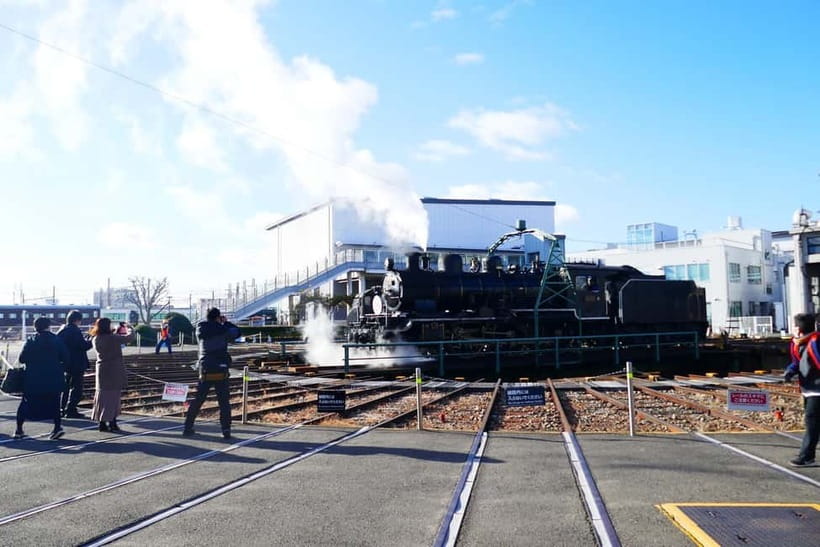
If you’re coming for just one moment, this is it. The museum includes a working steam locomotive experience, plus the dramatic sight of the roundhouse turntable rotation. Watching the turntable do its work hits a perfect mix of history and motion. It’s mechanical in a way that feels honest—like you can see the logic of rail operations with your own eyes.
Why this matters: you’re not only absorbing static history. You’re observing how rail systems actually reposition equipment. That turntable is part of the rail world that most people only ever see indirectly, if at all. Here, you can watch it as the trains are moved into place.
If steam is your thing, plan around this highlight so you’re not rushing through the galleries right before it. Choose a moment in your day when you’ll have energy to focus on it, since it’s one of those experiences you’ll remember even if you forget which year a locomotive was built.
Also, expect this to draw attention. Families gather, and queues can form. Go earlier rather than later if you can.
Sky Terrace Break: Views and a Quick Reset Between Trains
After lots of indoor galleries and activity, you’ll want a breather. The museum offers views from the Sky Terrace, which is a smart feature for two reasons. First, it helps you reset your eyes after screens, signage, and close-up train details. Second, it gives you perspective on the museum’s layout, so your earlier walking route makes more sense.
This is also a nice moment for a calm pause with snacks and water. You’ll feel more comfortable continuing afterward, because your brain isn’t overloaded.
If you’re traveling with kids, the terrace break can also turn the afternoon back on. Instead of “more exhibits,” it becomes a scenery check before another round of hands-on time.
Keep in mind you’re working with a one-day window. Terrace time is great, but don’t let it steal the time you meant to spend at simulators and interactive train interiors.
Who Should Book This Kyoto Railway Museum Ticket?
This ticket fits best if you like real objects, not just pictures. It’s ideal for train fans, families, and anyone curious about how systems work. Even if you don’t know rail terminology, you’ll still enjoy the scale of the collection and the hands-on parts.
It’s also a strong choice for mixed ages. The museum has enough interactive variety that kids can have fun without needing a full explanation, and adults can slow down and appreciate details.
If you’re the kind of traveler who hates lines and prefers very short visits, this might feel like a lot. The museum is packed with things to do, and that can be tiring if you only want a quick glance and move on. Also remember the weekly closure on Wednesday—plan around it.
Should You Book Kyoto Railway Museum Tickets?
If you’re spending at least a few hours in Kyoto and want an experience that feels uniquely Japanese (without being limited to temples and shrines), I’d book it. The value is strong for the price, and the museum isn’t just display-focused. You get hands-on simulators, chances to step into trains, and major operational moments like the working steam locomotive and turntable rotation.
Book with confidence if:
- You want a train-themed day that’s more than one or two attractions
- You’re traveling with kids and want interactivity
- You like mechanical sights—steam, track movement, and real equipment
Skip or reconsider if:
- Your schedule includes a Wednesday
- You only want a quick stop and dislike walking around large indoor spaces
One last planning nudge: check the official opening hours before you go, and arrive early enough to handle queues without stress.
FAQ
How much is Kyoto Railway Museum admission?
Admission is listed at $9 per person for standard entry. Infant under 3 years old is free of charge.
How long can I spend at the museum?
Your ticket is valid for 1 day, and you can check availability to see starting times.
Is the museum open every day?
No. The museum is closed every Wednesday.
What is included with the admission ticket?
The ticket includes standard admission to the museum.
Do I need to present the ticket again if I leave and re-enter?
Yes. When you re-enter the museum, you should present the admission ticket to staff.
What about children’s tickets?
Children between 3 to 7 years old can purchase tickets on-site with 200 yen.
Is the ticket refundable?
This activity is non-refundable.
—
If you tell me your travel dates and whether you’re going with kids (and their ages), I can suggest a sensible order for the highlights so you don’t miss the steam and simulators.
More Museums in Kyoto

More Tickets in Kyoto

More Tour Reviews in Kyoto






Just added: more Kyoto tours to browse








Train Experiences, compared.
 ★ 4.3From Osaka: Sagano Train Ride and Kyoto Guided Day TourFrom $66180 reviews
 ★ 4.5Full Day Hiroshima and Miyajima Tour by Bullet Train from KyotoFrom $399120 reviews
Arashiyama Day Tour with Train, Boat, and OnsenFrom $15048 reviews
Kyoto Bus Tour: Sagano Railway & Hozugawa River Boat RideFrom $12721 reviews
★ 4.5Full Day Hiroshima and Miyajima Tour by Bullet Train from KyotoFrom $399120 reviews
Arashiyama Day Tour with Train, Boat, and OnsenFrom $15048 reviews
Kyoto Bus Tour: Sagano Railway & Hozugawa River Boat RideFrom $12721 reviews
 ★ 4.7Arashiyama Tour with optional Sagano Romantic TrainFrom $10518 reviews
 ★ 3.9Kyoto Hozugawa River Boat Sagano Romantic Train TourFrom $1168 reviews
 ★ 5.0Arashiyama Walking Tour with Optional Sagano Romantic Train RideFrom $1156 reviews
 ★ 3.0Kyoto Sagano Romantic Train in Arashiyama Bus TourFrom $1566 reviews
Browse the lists this tour appears in