
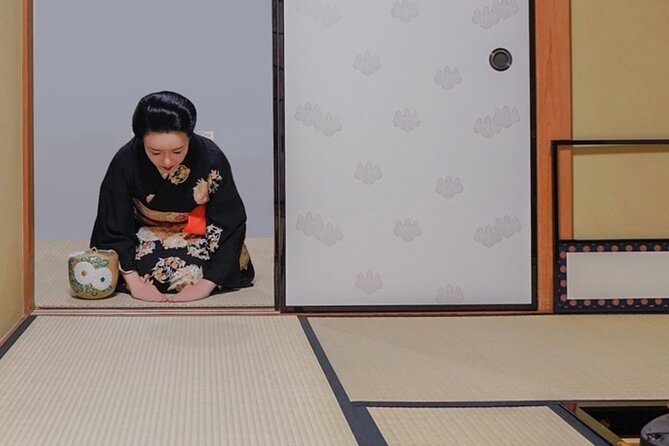
Reviewed · KYOTO TEA CEREMONIES
Kyoto: Quiet and Graceful Tea Ceremony
Kyoto and tea are a perfect pair for slow travel. This experience lets you follow traditional matcha rituals with a tea master, then sip in a room built for calm, not crowds. I especially like that it’s small-group (up to 8) and you get tea plus Japanese sweets without chasing extra add-ons.
One thing to know: no kimono rental is included, and you’ll be asked to avoid photos during the actual tea performance. Plan for that, bring layers for comfort, and you’ll be in the right mood for what this ceremony does best: decelerate your day.
In This Review
- Key things to know before you go
- Why Kyoto’s tea ceremony feels different from a restaurant cup
- The 45-minute flow: from etiquette to making your own matcha
- The tea master’s quiet choreography and room etiquette
- Matcha and seasonal sweets: what’s included and why it matters
- Small group up to 8: the real value of a calm setting
- Price and value: what you’re really paying for at $56.49
- Where you meet and how to fit it into a Kyoto day
- Who this tea ceremony suits best (and who should think twice)
- Should you book this Kyoto tea ceremony?
- FAQ
- How long does the Kyoto tea ceremony last?
- How many people are in the group?
- What does the price include?
- Is kimono rental included?
- Are photos allowed during the ceremony?
- Who hosts the ceremony?
- Is the ceremony near public transportation?
- Will I get confirmation after booking?
- Is there free cancellation?
- Are service animals allowed?
Key things to know before you go
- Small group size (max 8) keeps the room peaceful and lets you ask questions
- 45 minutes means a real reset, not a half-day commitment
- Premium matcha from Kyoto producers with a tea master guiding your technique
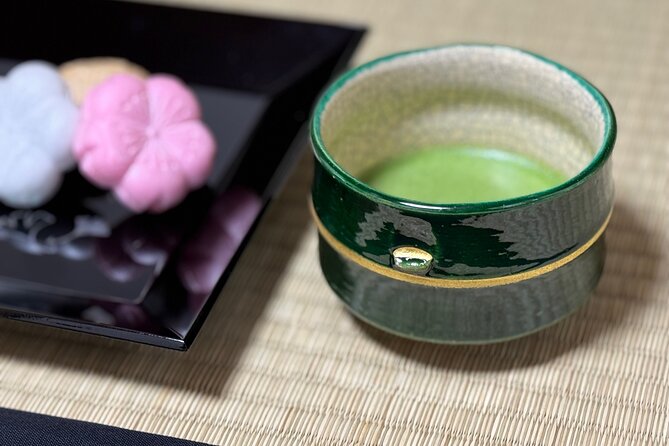
- Seasonal Japanese sweets to pair with your tea
- Quiet etiquette matters: you’ll learn how to enter, sit, and receive tea
- Photo limits during the ceremony help preserve the calm atmosphere
Why Kyoto’s tea ceremony feels different from a restaurant cup
A regular cup of tea is just tea. A Japanese tea ceremony is more like a small performance with rules, timing, and attention. Kyoto is one of the best places to see that in action because tea culture still feels tied to craft and everyday grace, not just a tourist stop.
In this ceremony, the focus stays on process. You’re not only tasting matcha; you’re learning how the gestures and steps create the flavor balance you’re sipping. That’s the part that tends to feel most surprising when you try it in a quiet tatami room with a tea master leading the pace. It’s controlled, deliberate, and surprisingly calming.
You’ll also get a sense of omotenashi, the idea of thoughtful hospitality. It shows up in how the host guides you through etiquette, how questions are handled, and how the whole space is treated like it matters. If you’re the type who likes cultural experiences where you can actually participate, this one hits the sweet spot.
Sit for another bowl of matcha in a Kyoto tea house


The 45-minute flow: from etiquette to making your own matcha
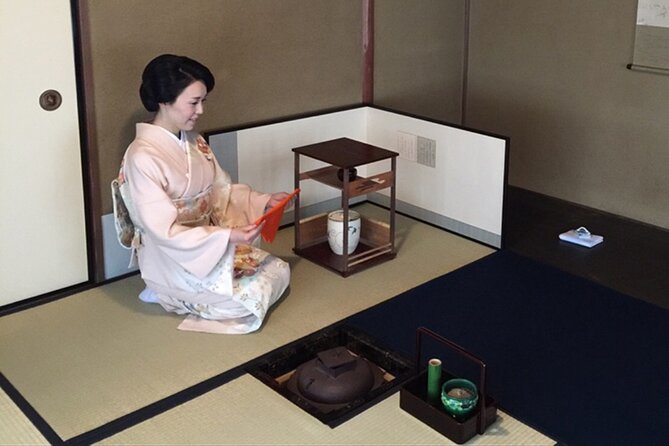
Plan on about 45 minutes, and think of it as one continuous experience rather than a long lecture. The ceremony typically starts with you settling into the space and learning how to enter and take your seat properly. This isn’t about being strict; it’s about helping your body slow down so your senses can catch up.
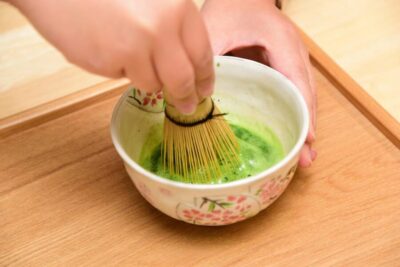
Then comes the part most people remember: watching the tea master prepare the matcha with careful, choreographed movements. Even if you know nothing about matcha, you can tell right away that every step has a purpose. The room quiets down during preparation, and the host’s pace gives you time to notice details you’d miss anywhere else.
After the demonstration, you get to try. You’ll drink the tea you’ve made (and you’ll usually get guidance as you do it), which is where the experience becomes more than watching. Many visitors find that hands-on moment turns matcha from a beverage into a skill and a moment to pay attention to.
The session also includes time for Q&A. In reviews, hosts like Mai are noted for giving clear explanations in English, so don’t be shy about asking what something is, or why a step matters. You’ll leave with practical understanding you can actually use later.
The tea master’s quiet choreography and room etiquette
If you’ve ever watched someone whisk matcha in a calm setting, you already know it’s mesmerizing. What makes this ceremony special is how the host uses that precision to teach you. The movements are graceful and deliberate, and the instructions are usually patient enough that you’re not left feeling like you’re behind.
Etiquette is also part of the lesson. You’ll be shown how to handle yourself in the room, including how to sit and how to receive and enjoy the tea. That might sound formal, but in practice it helps create the right atmosphere. It’s the difference between doing something mindfully versus just ticking it off.
The space matters too. One review specifically calls out a tatami room setting, which is exactly the kind of environment that supports the ceremony’s rhythm. Another note: in cooler months, the house can feel chilly, so dress like you’re entering a calm indoor space that might not be heated like a Western restaurant.
Also keep in mind the rules about photos. You can generally take photos before and after, but you’ll be asked not to photograph or record during the tea performance itself. That rule is worth respecting. It’s not about control; it’s how they protect the quiet and authenticity of the moment.
Matcha and seasonal sweets: what’s included and why it matters
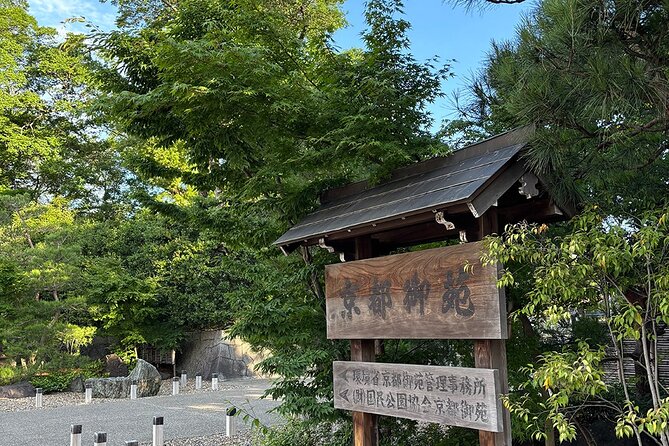
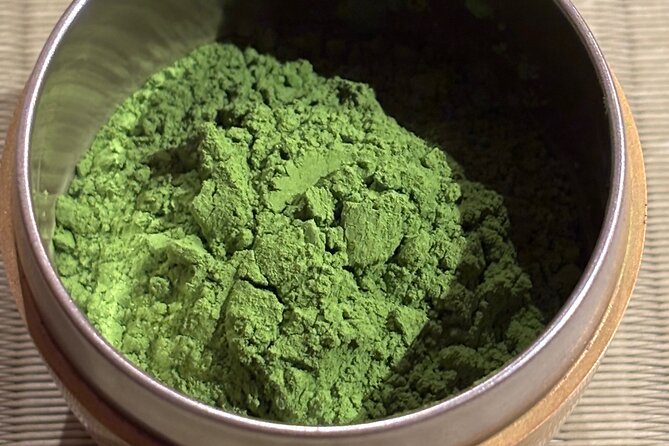
This is a tea ceremony that includes tea and snacks, specifically premium matcha and traditional Japanese seasonal sweets. The matcha is described as sourced from Kyoto’s finest producers, and that matters because matcha quality is one of the biggest factors in how the tea tastes and feels in your mouth.
Sweets aren’t just a sugary side quest. In a ceremony setting, sweets are a pairing. They’re meant to balance the tea experience, and they also help you appreciate matcha’s character. Matcha can feel grassy, rich, and slightly bitter depending on preparation. The sweets help smooth that out and make the tea feel more complete.
One fun, human detail from reviews: when kids didn’t like the sweets, the host reportedly offered Oreos as an alternative. That tells you something important about the hospitality here. The ceremony stays traditional, but the host still tries to make sure everyone feels comfortable and taken care of.
Bottom line: you’re not paying for a tiny sip and a cookie. You’re paying for a full, structured tea experience with pairing, teaching, and time to savor.
Small group up to 8: the real value of a calm setting
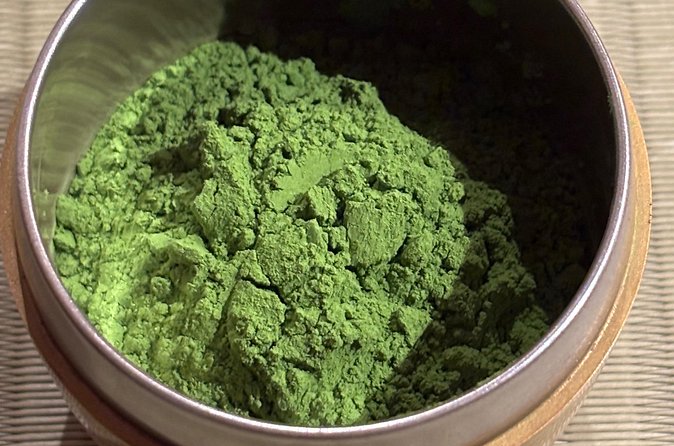
Let’s be honest: most tours in Kyoto are about moving fast. This one is about slowing down. The group size is capped at a maximum of 8 travelers, which is a big deal in a tea room. Fewer people means less noise, less waiting, and more room for questions.
That small-group setup also changes the teaching. You’re not just watching; you’re participating. When you’re in a larger group, instruction can become generic. Here, the experience is set up so the host can guide you through etiquette and technique without turning it into a factory line.
It also makes the ceremony feel more personal if you’re traveling solo or as a couple. Reviews mention people attended by themselves and still felt warmly welcomed. If you want a cultural activity that doesn’t feel like a performance aimed at a crowd, this is the structure that supports that.
And if you’re traveling with kids, the small group can help too. Some families appreciate that the host speaks clearly and keeps the flow comfortable for younger guests.




Price and value: what you’re really paying for at $56.49
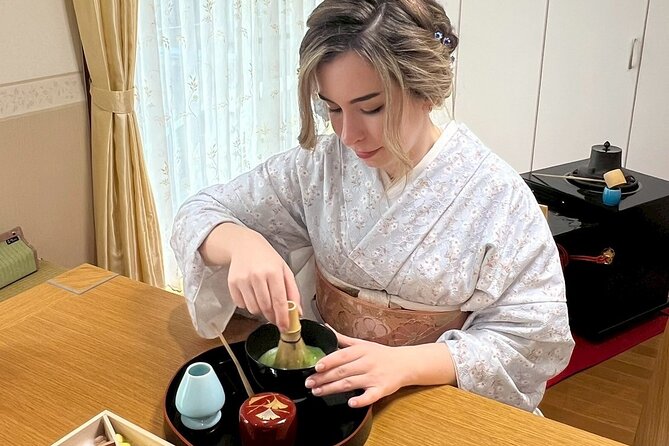
At $56.49 per person, this isn’t the cheapest thing on your Kyoto list. But it also isn’t trying to be. The value comes from what’s included and how it’s delivered.
You’re paying for:
- a tea master-led ceremony in a dedicated setting
- premium matcha and traditional sweets
- instruction and hands-on participation
- a small-group atmosphere that keeps the experience calm and personal
A restaurant can serve matcha, of course. But in a restaurant, you’re mostly consuming. Here, you’re learning the structure behind the taste. That’s why the 45-minute format feels worth it to many people: you’re buying focused cultural attention, not just a beverage.
If you’re hoping for big theatrical production, costume moments, and constant photo opportunities, this may feel less aligned. One review specifically noted it didn’t include kimono rental and that the ceremony can feel like you’re in someone’s house. If that style fits you, the price starts to make more sense fast.
Where you meet and how to fit it into a Kyoto day
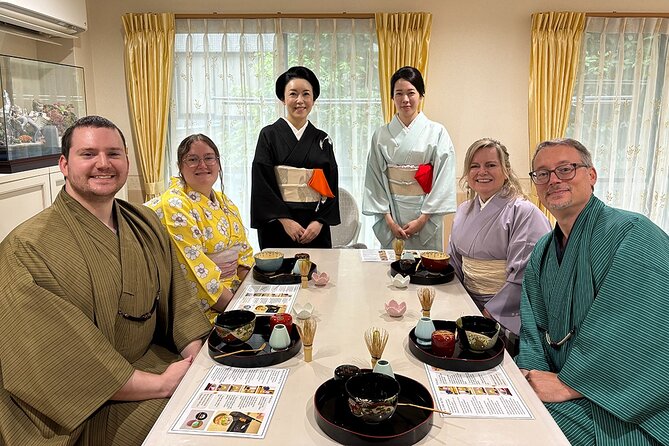
The meeting point is listed at 南総合会計事務所450-1 Sanbongichō, Nakagyo Ward, Kyoto, 604-0871, Japan. The experience ends back at the meeting point.
It’s also described as near public transportation, which helps. Still, Kyoto streets can feel deceptively complicated when you’re arriving in a hurry. You’ll enjoy the ceremony more if you build in a little buffer time rather than sprinting toward the start.
Timing matters because the ceremony is designed to be calm once you’re inside. Reviews include one guest who arrived later than expected but was still welcomed warmly. That’s reassuring, but I’d still treat the start time like the start time, not a suggestion.
Dress smart. If you’re going in November or any cool season, the room can feel cold according to reviews. Bring layers you can manage without feeling bulky once you’re seated.
Who this tea ceremony suits best (and who should think twice)
This ceremony is a strong match if you:
- want a first meaningful introduction to matcha ceremony without feeling overwhelmed
- like calm, respectful cultural experiences where you actually participate
- travel as a couple, solo, or in a small group
- appreciate etiquette and the quiet pacing of Japanese arts
It may be less satisfying if you:
- want kimono rental included (it’s not part of this experience)
- expect heavy photo/video time during the ceremony (you’ll be asked to refrain during the performance)
- are going specifically for a high-energy “tour show” vibe
One more subtle point: this experience leans toward authenticity and quiet elegance. That style can feel intimate in a way that some people love, but others might interpret as less “fancy.” If you want ornate staging, you might prefer a different type of attraction.
Should you book this Kyoto tea ceremony?
If you want Kyoto with quiet focus, I’d book it. This is one of those experiences that gives you something you can’t buy in a gift shop: a structured, guided way to understand matcha and Japanese hospitality in real time.
I’d especially recommend it if you’re the type who loves hands-on cultural activities, or if you’re tired of tours where the “experience” is mostly listening while you stand in line. The small group cap, the tea master guidance, and the included sweets make it feel like a complete experience, not a rushed stop.
Before you commit, check your expectations. If kimono dressing and lots of photos are must-haves, this might not be the best fit. But if you’re ready for calm, etiquette, and a cup of matcha made with attention, this ceremony is an excellent choice.
FAQ
How long does the Kyoto tea ceremony last?
The ceremony is approximately 45 minutes.
How many people are in the group?
The experience has a maximum of 8 travelers.
What does the price include?
Tea and snacks are included, including premium matcha and traditional Japanese seasonal sweets.
Is kimono rental included?
No. Kimono rental is not included in this tea ceremony experience.
Are photos allowed during the ceremony?
Photos are not allowed where the tea ceremony takes place. You can take photos before and after.
Who hosts the ceremony?
It is hosted by a tea master at Omotenashi Tea Ceremony 南茶道教室.
Is the ceremony near public transportation?
Yes, it is described as near public transportation.
Will I get confirmation after booking?
Yes. Confirmation will be received at the time of booking.
Is there free cancellation?
Yes. Free cancellation is available up to 24 hours in advance for a full refund.
Are service animals allowed?
Yes, service animals are allowed.
More Tour Reviews in Kyoto
One More Bowl of Matcha

Just added: more Kyoto tours to browse








Kyoto Tea Ceremonies, compared.
 ★ 4.9Tea Ceremony in a Traditional Tea House in KiyomizuFrom $493,519 reviews
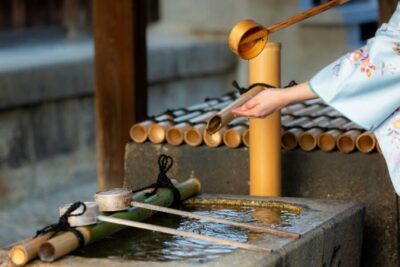 ★ 4.9Tea Ceremony Ju-An at Jotokuji TempleFrom $293,207 reviews
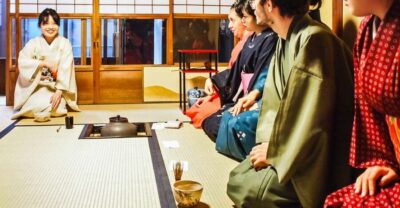 ★ 4.345-Minute Tea Ceremony Lesson ExperienceFrom $222,378 reviews
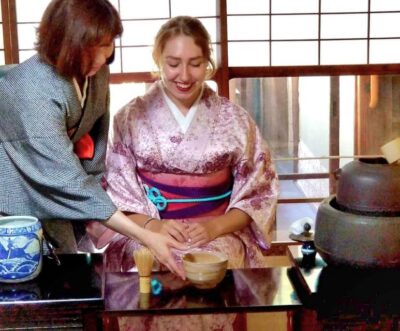 ★ 4.9Table-Style Tea Ceremony at a Kyo-MachiyaFrom $451,211 reviews
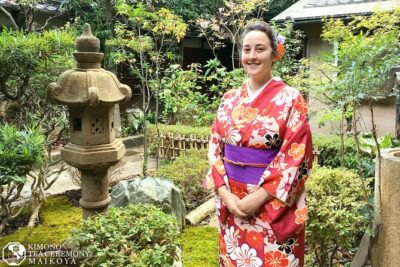 ★ 5.0Kimono Tea Ceremony at Kyoto Maikoya, NISHIKIFrom $65911 reviews
 ★ 5.0Arashiyama Bamboo Forest, Monkeys, Matcha & Temple TourFrom $53759 reviews
 ★ 4.9Tea Museum Tickets and Matcha Grinding ExperienceFrom $23739 reviews
 ★ 4.9Kimono Tea Ceremony at Orizuruya GionFrom $49618 reviews
Browse the lists this tour appears in