
Reviewed · NISHIKI MARKET FOOD TOURS
Kyoto: Nishiki Market Food Tour with Local Guide
Food comes with a lesson in Kyoto. A Nishiki Market tour pairs hands-on tastings with a local guide and clear stories about how Kyoto eats. It’s the kind of stop that makes the market feel like more than shopping.
I especially love the food tasting format with local guide explanations that connect what you’re tasting to Kyoto’s food culture. I also like that you’ll hear about seasonality, Kyoto Kaiseki multi-course dining ideas, and how Buddhist vegetarian cuisine shaped what you’ll see and sample along the market lanes. One thing to consider: this is a lot of walking, and there’s no hotel pickup or drop-off, so you’ll need to plan your start point and comfortable shoes.
In This Review
- Key Things I’d Focus On
- Why Nishiki Market Feels Like Kyoto’s Food Classroom
- Local Guide Steven: More Than Just Directions
- What the Food Tasting Looks Like on the Ground
- Seasonality and Kyoto Kaiseki: How This Tour Explains Kyoto Eating
- Buddhist Vegetarian Cuisine and the Options You’ll Find
- The Most Practical Part: Walking, Water, and Photo Etiquette
- Price and Value: Is $64 Worth It?
- Who This Nishiki Market Food Tour Fits Best
- Should You Book This Nishiki Market Food Tour?
- FAQ
- Where is this tour located?
- How much does the tour cost?
- What’s included in the price?
- Is hotel pickup or drop-off included?
- Is the tour offered in English?
- Are vegetarian options available?
- Do I need to walk a lot?
- Can I take photos while on the tour?
- Is there a cancellation policy?
Key Things I’d Focus On
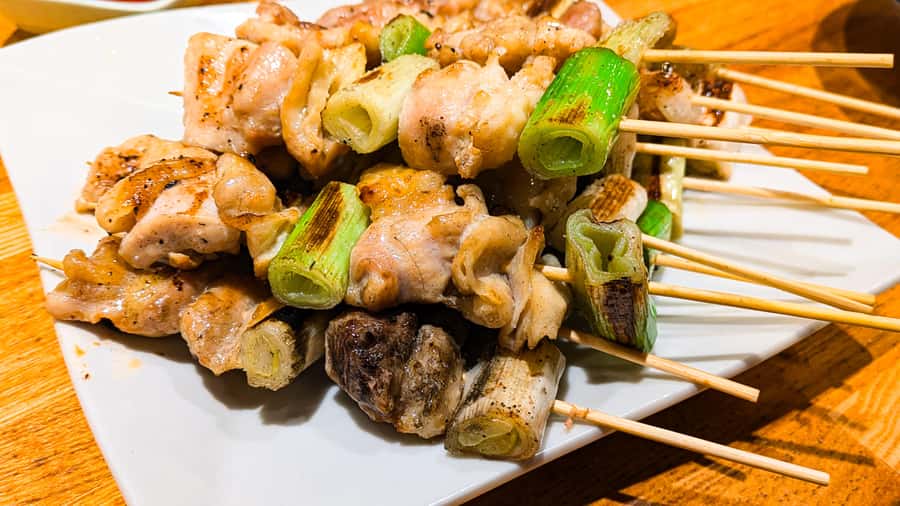
- Nishiki Market’s centuries-old role in Kyoto food: dating to the early 14th century and grown to 100+ stalls.
- Seasonal tastings, not random snacks: you sample traditional foods that match the time of year.
- Kyoto Kaiseki philosophy explained: how multi-course thinking influences what you taste and how meals are paced.
- Buddhist vegetarian influence: you’ll learn why vegetarian options matter here and what shaped the market.
- A guide who pays attention to the group: Steven is specifically praised for being kind and helpful.
Why Nishiki Market Feels Like Kyoto’s Food Classroom
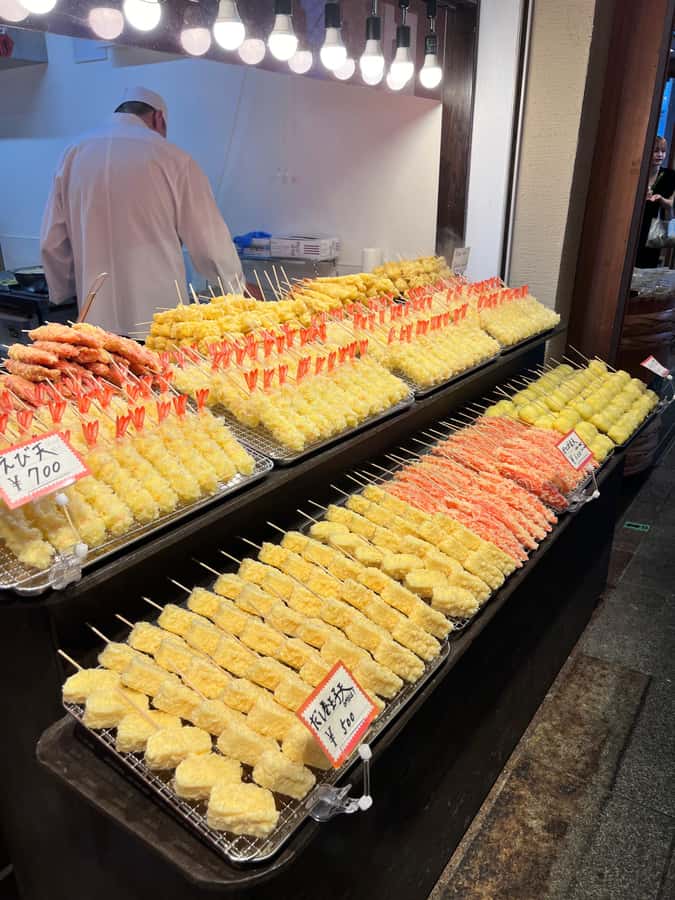
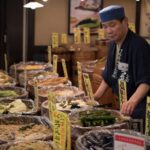
Nishiki Market is often called Kyoto’s kitchen, and that nickname makes sense fast. This is a narrow, historic market that has served as a food hub for generations, starting from early fish shops and expanding into a long stretch of specialty stalls. Think of it like a living cookbook: ingredients, sauces, snacks, and cooking approaches all show up in one walk.
What makes it work as a tour is that you’re not just wandering. You get a local guide to point out what matters and why. You’ll also get context for Kyoto’s approach to eating, where the goal isn’t only fullness—it’s timing, balance, and taste built around the season. Even if you’ve eaten Japanese food before, you’ll likely leave with a better sense of how Kyoto is different from other parts of Japan.
The market is also built for variety. With more than 100 stalls and specialty stores along the five-block stretch, you’ll see lots of small offerings that you could never sort out alone without turning the whole visit into a guessing game.
Graze a little further along Nishiki Market
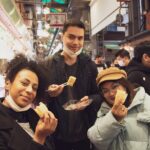

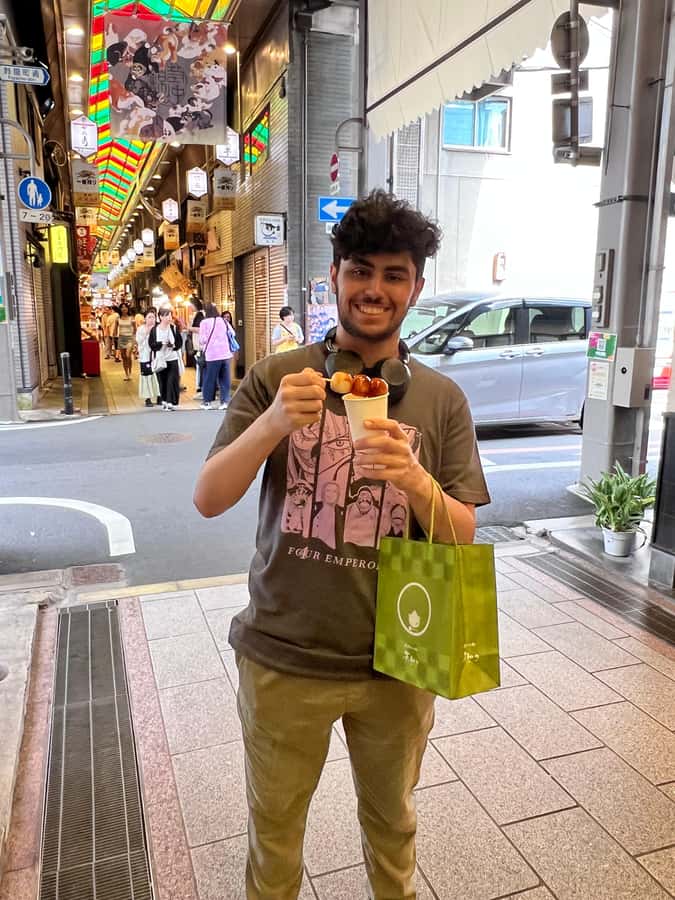
Local Guide Steven: More Than Just Directions
A good food tour does two jobs: you try the food, and you understand the food. This one leans hard into the second part, using a local guide who shares cultural and historical insights while you move.
One name you may see associated with this tour is Steven, and the praise is consistent: he’s described as exceptionally knowledgeable and kind. There’s also a practical note that matters in real life—he’s been praised for responding well when a group member fell, which tells you something about his approach: calm, attentive, and focused on the group.
That “small but important” attitude is exactly what you want in a market tour. Nishiki is busy and tight, so you need a guide who can manage pace, help you navigate stall-to-stall, and keep you from missing key stops. It also helps with food clarity: your guide can explain what you’re tasting and how it connects to Kyoto’s food culture, instead of leaving you with a list of items you can’t quite place.
What the Food Tasting Looks Like on the Ground
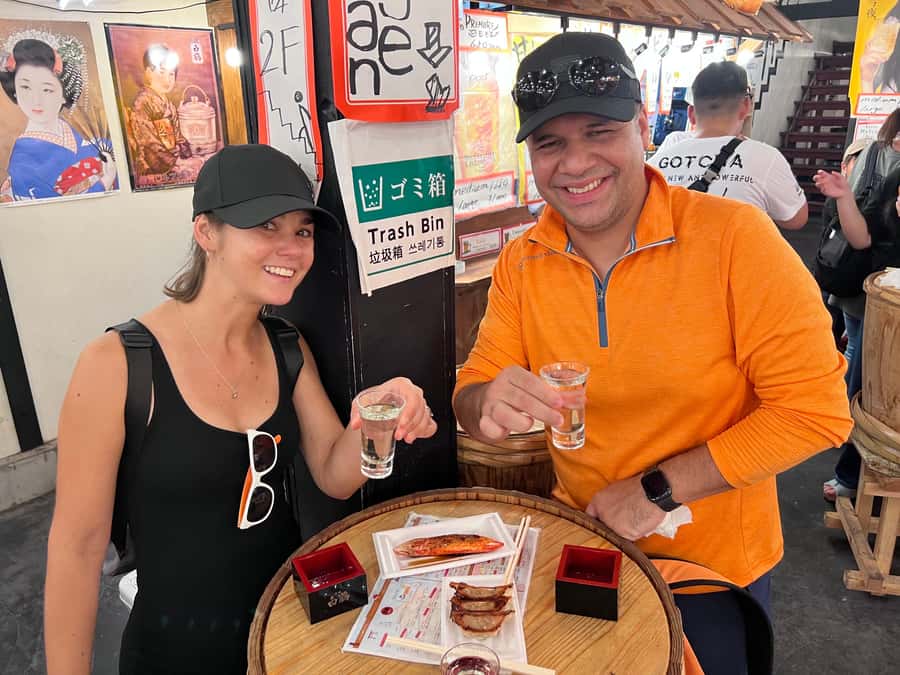
This tour includes food tasting along the market, which is the core reason to book it. Since the market is packed with stalls selling everything from packaged bites to prepared items, sampling is the best way to get a feel for the place without eating full meals.
You should expect a sequence that goes with the guide’s flow through the market lanes. The tastings aren’t described as a single themed plate; they’re presented as multiple bites, which lets you compare flavors and textures. The guide also builds in cultural context while you sample, so you understand the “why” behind the “what.”
A key point here: you’ll try different seasonal traditional food. That means your experience should reflect the time of year, not a fixed menu that ignores what’s in season. In Kyoto, seasonality is part of the identity. It affects what’s popular, what’s available, and how foods show up in daily life and in dining settings.
One more thing to keep in mind: markets move fast. You’ll want to keep your energy up (water helps) and stay open to flavors you might not pick on your own. This kind of tour is most enjoyable when you approach it like a guided tasting walk rather than a strict checklist.
Seasonality and Kyoto Kaiseki: How This Tour Explains Kyoto Eating
Kyoto has a style of dining that’s built around course structure and pacing. The tour connects your market bites to the ideas behind Kyoto Kaiseki, often described as multi-course dining. You don’t have to know the term before you go, but you’ll likely start to see the logic behind it while tasting.
Here’s what that means for you as a visitor:
- You’ll understand why small bites matter, instead of only thinking about portions.
- You’ll get a clearer sense of how meals can be planned to balance flavor intensity and texture.
- You’ll learn that cooking in Kyoto is often about choosing the right match for the season.
In practice, that transforms Nishiki from a place where you try random snacks into a place where you build a mini meal in your head. Even without a formal restaurant experience, the tour’s explanations help you connect market foods to how Kyoto thinks about dining.
This is also where the guide’s historical and cultural insights pay off. Nishiki’s stalls have been serving Kyoto’s food needs for centuries, so the market’s offerings are tied to local habits. The Kaiseki connection is a bridge between everyday market eating and the more formal dining traditions you might see elsewhere in Kyoto.
Buddhist Vegetarian Cuisine and the Options You’ll Find
One of the tour highlights is learning about the influence of Buddhist vegetarian cuisine on the market. That detail matters because it helps you notice what you might otherwise skip: vegetarian-friendly choices and how they fit into local food culture.
The tour also confirms that vegetarian options are available. If you follow a vegetarian diet, the best move is to notify in advance so the tour can plan the tastings accordingly. You don’t want to show up hoping there will be enough options at the last minute—tell them early and you’ll get a smoother experience.
What I like about this angle is that it’s not treated like a side note. It’s framed as an influence on the market itself, meaning the market’s identity includes vegetarian traditions, not just fish and meat. Even if you eat everything, you’ll likely appreciate how the tastings show Kyoto’s broader food logic—freshness, seasonality, and careful flavor building—rather than a single narrow style of eating.
Still hungry? More tastes of Kyoto
The Most Practical Part: Walking, Water, and Photo Etiquette
Nishiki Market is a walk-through experience, not a sit-and-smile one. The tour specifically advises comfortable shoes, and that’s not a throwaway tip. The market lanes are narrow, the ground can be crowded, and you’ll likely spend more time moving than you expect.
Bring a water bottle. Markets can heat up, and tastings add up quickly, so staying hydrated helps you enjoy the last stops instead of feeling slowed down.
Photography is also on your checklist. You’re encouraged to take photos, but you should be respectful of vendors and ask before taking pictures. That’s a small courtesy that makes a big difference in places where shop owners depend on good relationships and clear boundaries.
Also, plan for the group pace. Food tours work best when you keep up with the guide. If you stop to linger at every stall window on your own, you can miss how the tastings are sequenced and explained.
Price and Value: Is $64 Worth It?
At $64 per person, you’re paying for three things: an English-speaking local guide, food tastings, and cultural and historical insights. You’re not paying for hotel pickup and drop-off, so your value equation depends on how easily you can meet the tour and keep your day on track.
Here’s how I’d judge the value:
- If you’d otherwise wander Nishiki on your own, you’d still face the same crowded lanes and decision fatigue. The guide helps you pick what’s worth trying and explains what you’re tasting.
- If you care about context—why seasonality matters or how Buddhist vegetarian cuisine influenced what shows up—you’ll likely get more out of this than a simple tasting-only experience.
- If you’re short on time, the guided format helps you see a lot of the market’s personality in one go.
On the flip side, if you only want a couple of casual snacks and you don’t care about the stories, $64 might feel steep. This price makes the most sense if you enjoy learning while you eat and you want structure in a dense market setting.
Who This Nishiki Market Food Tour Fits Best
This tour is a strong fit if you want your Kyoto food experience to be more than eating. You’ll get the most from it if you:
- enjoy guided explanations about food culture, not just shopping
- like tasting seasonal foods and comparing flavors
- want to understand Kyoto’s approach through Kyoto Kaiseki ideas
- would like vegetarian options and want them handled thoughtfully (tell them in advance)
It’s also a great choice for first-timers to Nishiki Market who might otherwise feel overwhelmed. With 100+ stalls, it’s easy to walk in circles. The guide helps you move with purpose.
Should You Book This Nishiki Market Food Tour?
I’d book it if you want a smart, guided way to taste Kyoto’s food identity in one place. The combination of seasonal traditional tastings, historical and cultural context, and the specific focus on Kyoto’s Kaiseki philosophy and Buddhist vegetarian influence makes it more meaningful than a generic snack tour.
Skip it only if you strongly prefer self-guided wandering, or if you’re not up for a lot of walking in a crowded market. Also remember there’s no hotel pickup, so you’ll need to handle your own meeting logistics.
If you’re deciding today, this is one of those tours where the “guide part” really matters. When Steven is described as kind and highly knowledgeable, that signals you’ll get both food and care, which is exactly what you want in a busy, sensory market like Nishiki.
FAQ
Where is this tour located?
It takes place in Kyoto, Japan, at Nishiki Market.
How much does the tour cost?
The price is $64 per person.
What’s included in the price?
You get a local guide, food tasting, and cultural and historical insights.
Is hotel pickup or drop-off included?
No. Hotel pickup and drop-off are not included.
Is the tour offered in English?
Yes, the tour is available in English.
Are vegetarian options available?
Yes. Vegetarian options are available, and you should notify in advance if required.
Do I need to walk a lot?
Yes. You’ll be doing a lot of walking, so comfortable shoes help.
Can I take photos while on the tour?
Photography is encouraged, but you should ask vendors for permission and be respectful.
Is there a cancellation policy?
You can cancel up to 24 hours in advance for a full refund, and last-minute bookings might have to be canceled.
More Tour Reviews in Kyoto






More Kyoto Food Tours
More Bites Along Nishiki
Just added: more Kyoto tours to browse








Nishiki Market Food Tours, compared.
 ★ 5.0Nishiki Market Brunch Walking Tour (7 Tastings + Brunch)From $681,355 reviews
 ★ 5.0Kimono Tea Ceremony at Kyoto Maikoya, NISHIKIFrom $65911 reviews
 ★ 5.0Kyoto Nishiki Market Food and Culture Walking TourFrom $80412 reviews
 ★ 4.8Nishiki Market Tea Ceremony with Koto PerformanceFrom $56294 reviews
 ★ 4.7Local Food Tasting Tour at the Nishiki MarketFrom $78135 reviews
 ★ 5.0Kimono Tea Ceremony Experience at Kyoto Oritzuruya, NishikiFrom $50116 reviews
 ★ 4.7Nishiki Market and Depachika Food Tour with a LocalFrom $4276 reviews
 ★ 4.5Nishiki Market Tour with a Local Foodie & TastingsFrom $6767 reviews
Browse the lists this tour appears in