
Reviewed · NISHIKI MARKET FOOD TOURS
Kyoto Nishiki Market & Depachika: 2-hours Food Tour with a Local
Nishiki Market is where Kyoto eats. This 2-hour food tour strings together Nishiki Market and a department-store Depachika basement hall, so you get both the traditional crowds and the curated snack scene. I love the mix of guided tastings (you’re not wandering hungry and lost) and the chance to learn what to look for in a place packed with tempting stalls; one catch is that the experience is short and focused on tastes, not a full multi-course meal.
A big plus for planning is the clear flow: you start near Apple Kyoto, you work your way through the market, and the tour ends at Kyoto-Kawaramachi Station so you can keep your day moving. The tasting list is also very specific, which makes it easier to judge whether this fits your appetite and dietary comfort level—though you should be ready for a few more adventurous items.
In This Review
- Key highlights to look for
- Why Nishiki Market + Depachika is a great Kyoto food combo
- Meeting at Apple Kyoto, then ending near Kawaramachi
- Daimaru Kyoto Depachika: the easiest place to start eating like a local
- Nishiki Market: navigating Kyoto’s Kitchen without getting overwhelmed
- Nishiki Tenmangu Shrine: a calm pause near the food crush
- What you actually eat: the tasting lineup that makes this tour worth it
- Price and value: is $48 reasonable for this 2-hour food plan?
- Group dynamics, guide style, and how to get the most from your guide
- Who this tour suits best (and who might want a different plan)
- Should you book this Nishiki Market & Depachika tour?
- FAQ
- How long is the Kyoto Nishiki Market & Depachika food tour?
- How many people are in a group?
- Where do I meet and where does the tour end?
- What food is included in the tastings?
- Is admission required for the stops?
- Can I cancel for a full refund?
Key highlights to look for
- Depachika basement food hall time at Daimaru Kyoto (a smart way to see how modern Kyoto shops for snacks)
- Nishiki Market guidance through the indoor maze known as Kyoto’s Kitchen
- A quick shrine stop at Nishiki Tenmangu Shrine for a calmer pause near the market
- Included tastings like yuba sashimi and soy milk donut, plus gyoza and tempura
- Small groups (max 9) so you’re more likely to get questions answered
- Guide names worth noting: Jasmine, Mao, Boris, Alex, Ai are praised for explanations and navigating the stalls
Why Nishiki Market + Depachika is a great Kyoto food combo
Kyoto food has two speeds. There’s the fast, lively “pick something now” side of the city—think stalls, smells, and people trying to find their next snack. Then there’s the more polished side, where you can browse neat counters in a department store basement and build a little meal from packaged goodies and quick bites.
This tour is designed to hit both. You start in a Depachika setting at Daimaru Kyoto, where you can understand how locals buy and snack. Then you move into Nishiki Market, where the energy changes and the market turns into a food map. If you’re here for a first taste of Kyoto’s food culture, it’s a solid way to get your bearings in a small amount of time.
I also like that the tour doesn’t try to be everything at once. You’re not paying for a long list of stops or a forced sit-down dinner. Instead, you get guided tastings and a clear path through the main food zone—then you’re released back into the neighborhood to keep exploring on your own.
One possible drawback: because it’s about 2 hours, you’ll likely still want to eat again afterward if you’re a big eater. A couple of feedback notes mention wanting a bit more food, which tells you the tastings are meant to be a sampler, not a full meal plan.
Graze a little further along Nishiki Market
Meeting at Apple Kyoto, then ending near Kawaramachi
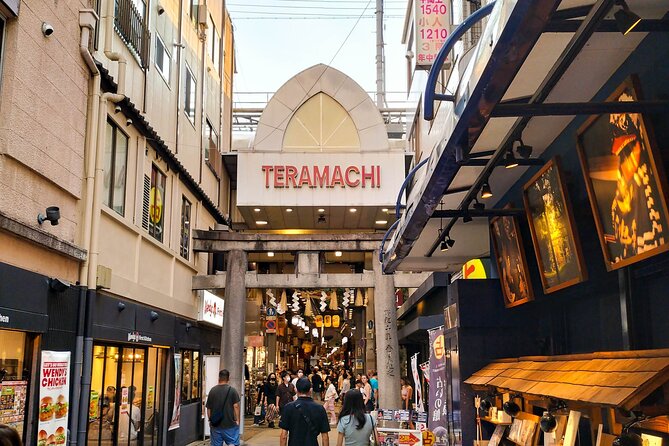
Logistics matter because Nishiki Market is busy. The meeting point is Apple Kyoto (Apple Kyoto 83-1 Tachiuri Nakanochō, Shimogyo Ward). The tour ends at Kyoto-Kawaramachi Station (Otabichō, Kawaramachi area), and the guide helps you with your next destination.
That end point is practical. Kawaramachi is a major hub for walking and transit, so you can slide right into shopping, sightseeing, or dinner without needing a complicated commute. And since the tour is described as near public transportation, you’re not signing up for a trek across town just to start snacking.
Group size is also capped at 9 travelers. That tends to keep things moving in the narrow market lanes and makes it easier to get individual attention when you’re deciding what to try.
Daimaru Kyoto Depachika: the easiest place to start eating like a local
Stop 1 is Daimaru Kyoto, focused on its Depachika food hall. This is the basement world of Japanese food shopping—where people line up for snacks, boxed treats, seasonal items, and quick bites that you can carry or eat on the spot.
The tour’s approach here is smart: you begin in a controlled environment where you can learn what you’re looking at. Even if you’ve never stepped into a Japanese department-store food hall before, a guide helps you understand how the stalls are organized and what items are worth your attention.
You’ll also be tasting during this part. The included tastings listed for the tour include yuba sashimi (tofu skin) and a soy milk donut. Yuba is one of those Kyoto specialties that can feel intimidating if you only know tofu from the bland side of life. Seeing it up close, plus tasting it with guidance, makes the experience less risky and more fun.
What I like most about starting in a Depachika is that it sets your palate. After a few guided bites, you’ll be able to spot better-quality stalls in Nishiki Market instead of grabbing whatever looks shiny first.
Possible consideration: if you’re the type who expects a long, story-heavy intro, this segment is only about 30 minutes. You’ll get enough orientation to enjoy the rest, but it won’t replace a full lecture.
Nishiki Market: navigating Kyoto’s Kitchen without getting overwhelmed
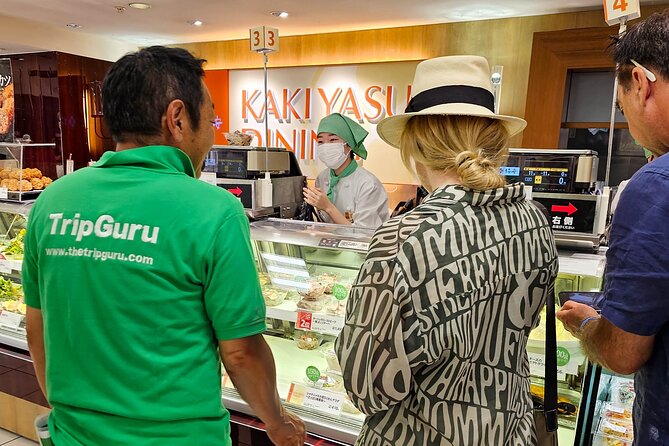
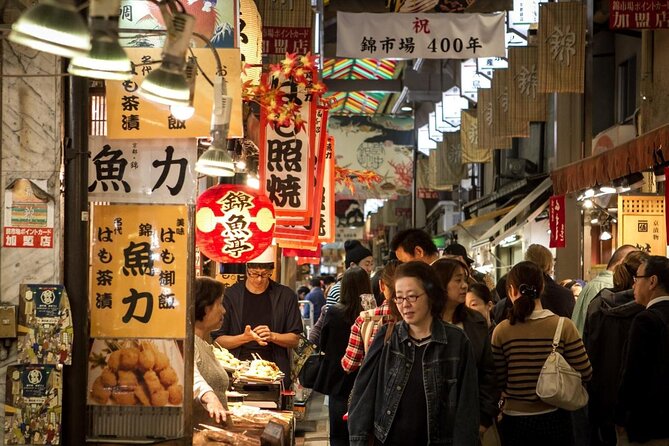
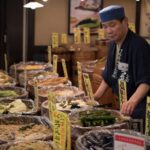
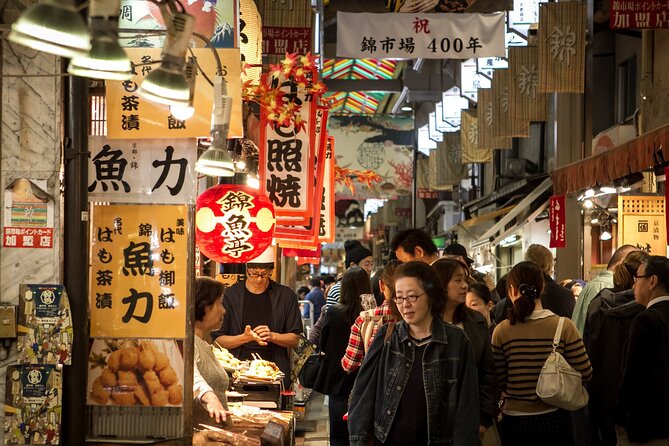
Stop 2 is the Nishiki Market Shopping District, often called Kyoto’s Kitchen. This is the indoor market area stuffed with vendors selling seasonal food, Kyoto specialties, produce, and even items beyond food like knives and cookware.
That mix is exactly why it feels overwhelming. It’s not only an eatery crawl—it’s also a shopping maze. A guide makes the difference between wandering randomly and following a route that actually makes sense for tasting.
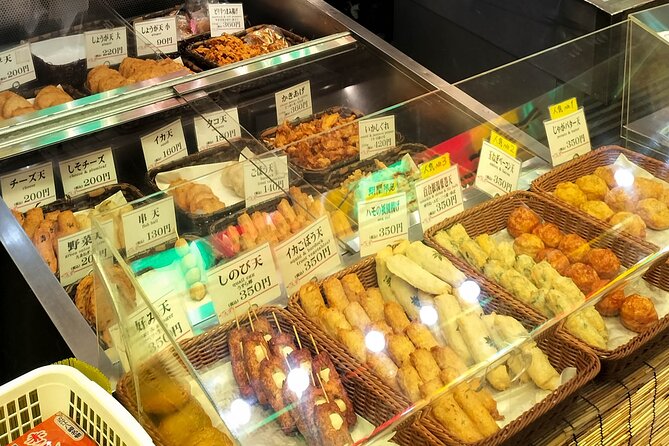
This is also where your tastings and your questions matter most. The tour includes Nishiki gyoza and Uoriki tempura among its tasting items. Gyoza in this context is a good “Kyoto market” snack: easy to understand, easy to eat, and great for comparing what you thought you knew about dumplings versus the real thing.
Tempura helps too, because it’s a classic Japanese counterpoint. The guide can help you decide what to focus on, which is useful when you see multiple stalls with similar offerings. You don’t want to spend your limited time comparing ten versions of the same idea.
Time on the market is about 1 hour. That’s the right length for most people: long enough to feel the market, short enough that you’re not exhausted before the shrine stop.
One note to keep in mind: market stalls are crowded. Several guides in past groups are praised for making directions and pacing clear, while a smaller number of experiences mention feeling that the guide didn’t explain as much history or Kyoto-only variation as they expected. My practical advice: if you care about the why behind dishes and what’s uniquely Kyoto, ask your guide directly during the first minutes—how this compares to food you’ve had elsewhere, and what you should watch for in Kyoto-style versions.
Nishiki Tenmangu Shrine: a calm pause near the food crush
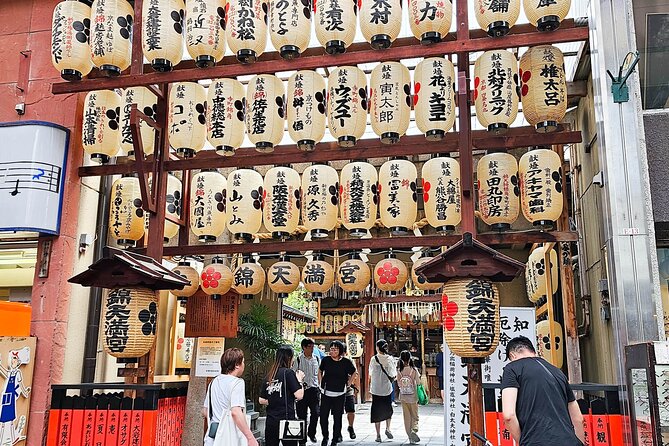
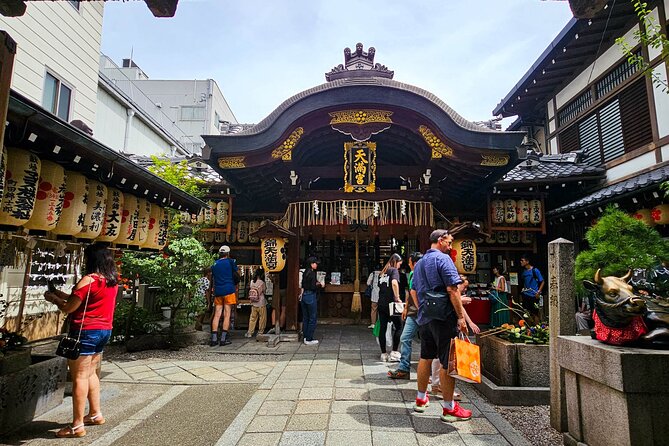
Stop 3 is Nishiki Tenmangu Shrine, about 15 minutes. It’s described as a Shinto shrine dedicated to the deity of learning, and it offers a peaceful atmosphere close to the market area.
This kind of stop sounds small, but it actually helps your tour flow. Nishiki Market is full-on sensory input: smells, signs, crowds, and quick decisions. The shrine gives you a mental breather and an easy photo stop without turning your food tour into a long sightseeing day.
It also helps you remember the bigger Kyoto story. Even on a food tour, Japan’s religious sites and daily life are part of the same landscape. You’re not just eating; you’re seeing how food fits into a wider local rhythm.
If you’re sensitive to crowds or you’re traveling with kids/teens who need a short reset, this shrine stop can be a welcome change of pace.
Still hungry? More tastes of Kyoto
What you actually eat: the tasting lineup that makes this tour worth it
The included tastings are the heart of the value. Here’s what the tour lists as food-tasting items:
- Yuba sashimi (tofu skin)
- Soy milk donut
- Nishiki gyoza
- Uoriki tempura
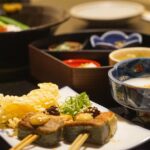
You should see this as a sampler designed to cover textures and flavors: soft and delicate (yuba), sweet and creamy (soy milk donut), savory and familiar (gyoza), and crisp and fried (tempura). That mix keeps the tour from being one-note.
Some of the strongest praise from past experiences focuses on guides being patient and communicative—people mention explanations of different dishes and types of food, and tips for how to pick items confidently. Names that came up positively include Jasmine (highlighted for being the best and for patient explanations), Mao (praised for sharing Japanese customs and traditions), Boris (praised for being personable and knowledgeable), Alex (for background information), and Ai (for knowing the market and pointing out best spots).
That said, not every experience is the same. One mixed note mentioned disappointment with a guide not doing a great job explaining market history and variations, and another mentioned the food felt like it could have been more. Both of those comments are a clue for you: the tastings are fixed in type, but how deeply the guide explains what you’re eating may vary.
If you want to maximize what you get out of the tour, go in with two questions ready:
1) What’s the Kyoto-style version of this dish, and how is it different?
2) If we come back to Nishiki Market later, what should we hunt for first?
Price and value: is $48 reasonable for this 2-hour food plan?
At $48 per person for about 2 hours, you’re paying for three things: (1) guided navigation in a busy market, (2) multiple tastings (not just one snack), and (3) a structured route so you’re not spending your short Kyoto time figuring it out.
Admission is listed as free for the main stops (including Daimaru Kyoto and Nishiki Market), so you’re not paying hidden entry fees. And because it’s a small group with a max of 9 travelers, you’re more likely to actually ask questions instead of getting rushed.
Is it a bargain? It can feel like one if you’re a first-time market visitor who wants tastings plus direction. It may feel pricey if you’re already comfortable with Nishiki Market and want a deeper historical or culinary lesson beyond the shopping-and-snack flow.
Here’s the real-world way to judge it:
- If you like being guided through crowded places and tasting Kyoto specialties without guesswork, $48 can be fair value.
- If you mostly want a long sit-down meal or you expect a heavy history lecture at every stop, you might feel underfed—several comments align with this idea, even when the guides were great.
Group dynamics, guide style, and how to get the most from your guide
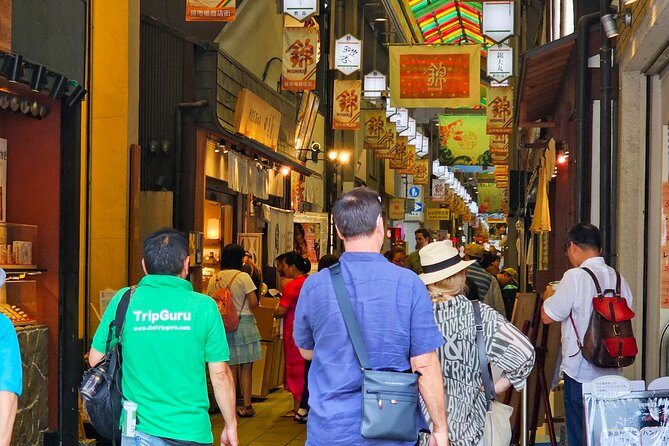
A tour like this lives or dies by the guide. The feedback makes it clear that guide personality matters a lot. Several guides were praised for warmth, humor, patience, and clear directions—people mentioned easy meeting point navigation and being able to find the guide promptly.
Some specific guide strengths that showed up in the feedback:
- Jasmine: patient explanations and communicative guidance.
- Mao: great for learning Japanese customs and traditions along with food.
- Boris: personable and knowledgeable.
- Alex: detailed explanations and deft pacing.
- Ai: market familiarity and best-spot pointing.
But there’s also a caution. One lower rating said the guide mostly showed foods and bought items without enough explanation of why certain foods are meaningful to Kyoto specifically. That doesn’t mean the tour is bad—it means your experience can shift depending on the guide’s storytelling focus.
How you can improve your odds:
- Ask what you’re tasting and why it’s common in Kyoto during the first tasting.
- If you have dietary limits, mention them early so the guide can guide you toward what fits.
- Be ready to try a mix of items. Even if you only end up loving two, the goal is learning what to seek later.
Who this tour suits best (and who might want a different plan)
This is a great fit for:
- First-time visitors who want a guided path through Nishiki Market without spending hours figuring out where to start.
- Food lovers who enjoy learning what to buy and how to choose within a market setting.
- Families and mixed-age groups who want a short, structured outing (the tour runs about 2 hours, with stops that keep momentum).
It might be less ideal for:
- People expecting a full meal. The tastings are real, but it’s still a sampler tour.
- Travelers who strongly prefer deep, detailed history and long explanations at every stop. The shrine stop is short, and the market segments are timed.
Also consider your own comfort with tofu-based specialties like yuba and with fried snacks. If you’re very cautious about textures, go in knowing the tour’s tasting list is fixed.
Should you book this Nishiki Market & Depachika tour?
Book this tour if you want a time-efficient way to understand Kyoto’s food culture in two classic settings: a modern Depachika food hall and the historic-feeling Nishiki Market. With included tastings like yuba sashimi, soy milk donut, Nishiki gyoza, and tempura, you’ll leave with both food memories and practical ideas for what to try next on your own.
I’d skip or rethink it if you’re already confident navigating Nishiki Market solo and you mainly want a bigger meal. Also, if deep storytelling is your top priority, you’ll want to go in with questions ready, because guide explanation quality can vary.
FAQ
How long is the Kyoto Nishiki Market & Depachika food tour?
The tour is about 2 hours.
How many people are in a group?
This experience has a maximum of 9 travelers.
Where do I meet and where does the tour end?
You start at Apple Kyoto (83-1 Tachiuri Nakanochō, Shimogyo Ward) and the tour ends at Kyoto-Kawaramachi Station.
What food is included in the tastings?
Included tasting items are yuba sashimi (tofu skin) and soy milk donut, plus Nishiki Gyoza and Uoriki tempura.
Is admission required for the stops?
The tour information lists admission ticket free for the listed stops.
Can I cancel for a full refund?
Yes. You can cancel up to 24 hours in advance for a full refund.
More Tour Reviews in Kyoto






More Kyoto Food Tours
More Bites Along Nishiki
Just added: more Kyoto tours to browse








Nishiki Market Food Tours, compared.
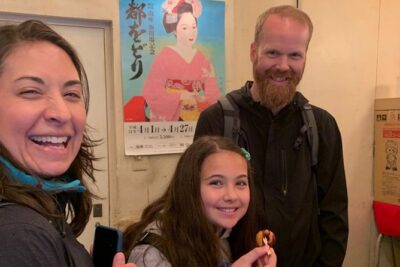 ★ 5.0Nishiki Market Brunch Walking Tour (7 Tastings + Brunch)From $681,355 reviews
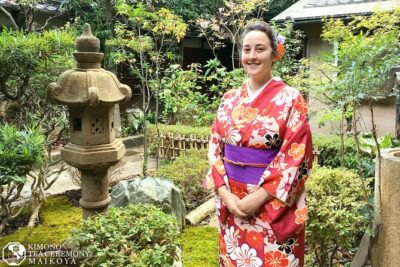 ★ 5.0Kimono Tea Ceremony at Kyoto Maikoya, NISHIKIFrom $65911 reviews
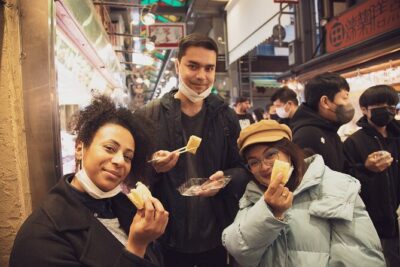 ★ 5.0Kyoto Nishiki Market Food and Culture Walking TourFrom $80412 reviews
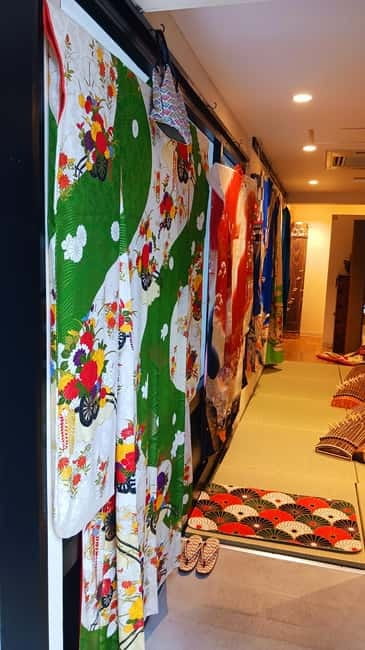 ★ 4.8Nishiki Market Tea Ceremony with Koto PerformanceFrom $56294 reviews
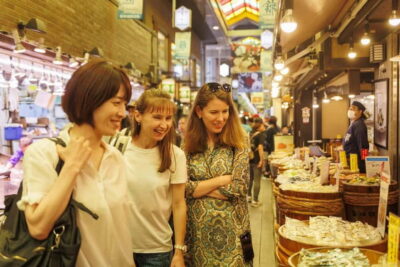 ★ 4.7Local Food Tasting Tour at the Nishiki MarketFrom $78135 reviews
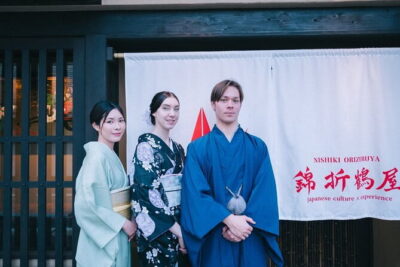 ★ 5.0Kimono Tea Ceremony Experience at Kyoto Oritzuruya, NishikiFrom $50116 reviews
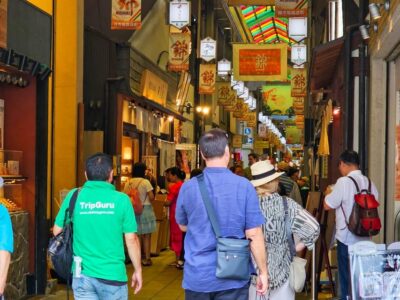 ★ 4.7Nishiki Market and Depachika Food Tour with a LocalFrom $4276 reviews
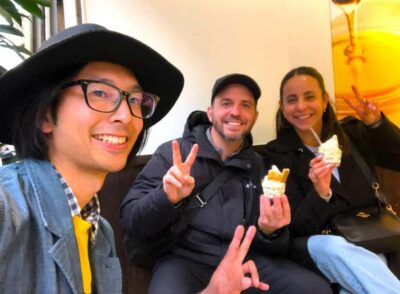 ★ 4.5Nishiki Market Tour with a Local Foodie & TastingsFrom $6767 reviews
Browse the lists this tour appears in