
Reviewed · KYOTO TEA CEREMONIES
Kyoto: Newly Opened Tea Ceremony – Sanjo Chasuian
Crawl through a tiny doorway, taste matcha. Sanjo Chasuian is a newly opened Kyoto tea ceremony spot about a 5-minute walk from Karasuma Oike Station, and the whole experience is built around stillness and good instruction. I like the Nijiriguchi crawl-in entrance because it instantly shifts you out of street-mode, and I also like that you get two rounds of matcha, one served by the host and one you whisk yourself. One thing to plan for: the door locks once the session starts, and even 1 minute late means you can’t join and you won’t get a refund.
For $31 and about 1 hour, you’re not just watching. You’ll learn the basic history first, then taste matcha with Kyoto seasonal sweets, and you’ll actually practice whisking. In shared sessions (max 10 people), you’ll be guided in English, and you can also add an optional uchikake-style coat kimono for ¥1,500 if you want the extra layer of ceremony on the day.
In This Review
- Quick take: what makes Sanjo Chasuian feel special
- Sanjo Chasuian near Karasuma Oike: easy to reach, easy to start
- The 1-hour flow: history, first matcha, then your own bowl
- Nijiriguchi and tea-room rules: why the vibe stays calm
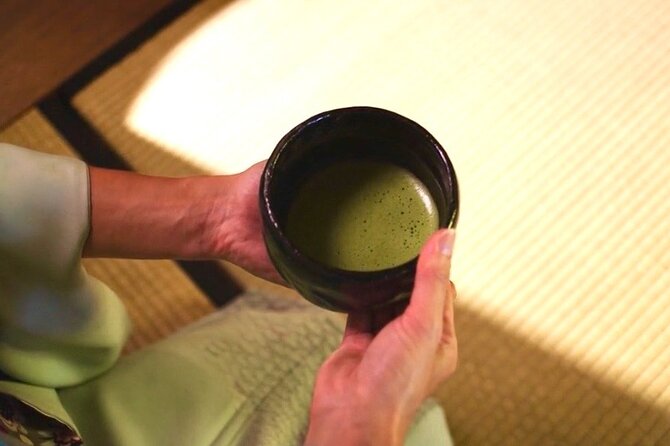
- Your two bowls of matcha: watching, then whisking yourself
- Kyoto wagashi: the sweet that keeps the ritual balanced
- Small group + English instruction: what that means for you
- Price and value: why $31 works (and when it might not)
- Optional uchikake coat kimono: extra ceremony without a big commitment
- What to bring: the tiny detail that matters in Japan
- Who should book this tea ceremony in Kyoto
- Should you book Sanjo Chasuian in Kyoto?
- FAQ
- How far is Sanjo Chasuian from Subway Karasuma Oike Station?
- How long is the Kyoto tea ceremony experience?
- What is the price per person?
- What’s included in the experience?
- Is the tour in English?
- What should I bring?
- What if I arrive late?
- Is this suitable for kids and wheelchair users?
- Can I wear a kimono?
Quick take: what makes Sanjo Chasuian feel special
- A 5-minute walk from Subway Karasuma Oike makes it easy to fit into your day
- Nijiriguchi (crawl-in entrance) sets the right mood fast
- Two bowls of matcha: one by the host, one you make yourself
- Seasonal Kyoto wagashi from a confectioner with 100+ years of history
- English instruction + small group size (limited to 10 participants) keeps it personal
- Optional uchikake coat kimono available on the day (¥1,500, limited quantity)
Sanjo Chasuian near Karasuma Oike: easy to reach, easy to start
Kyoto is huge. That means the best tea ceremony is the one you can actually get to without turning your afternoon into a sprint. Sanjo Chasuian’s location is a big deal: it’s about a 5-minute walk from Subway Karasuma Oike Station. No long transit puzzle. No “maybe this alley is the right one” stress.
When you arrive, look for the big sign/logo with the name Sanjo Chasuian. Then open the door and staff will be there to welcome you. Since the ceremony space is set up to protect a calm atmosphere, your timing matters more than your exact route. Aim to be early so you can settle in before the room goes quiet.
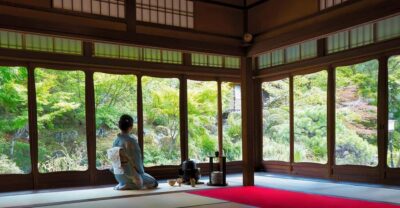
Sit for another bowl of matcha in a Kyoto tea house
The 1-hour flow: history, first matcha, then your own bowl
The schedule is built like a simple lesson, with practice at the center.
First, you’ll get an introduction to the tea ceremony—its history and the meaning behind what you’re doing. This isn’t a long lecture. It’s the kind of orientation that helps your hands understand what your eyes are seeing.
Then you’ll experience the ceremony in the proper order: you’ll enjoy a bowl of matcha made by the host, paired with seasonal sweets from a Kyoto confectioner with over 100 years of history. The sweet is part of the ritual rhythm. Think of it as a palate “reset” before you taste the matcha again.
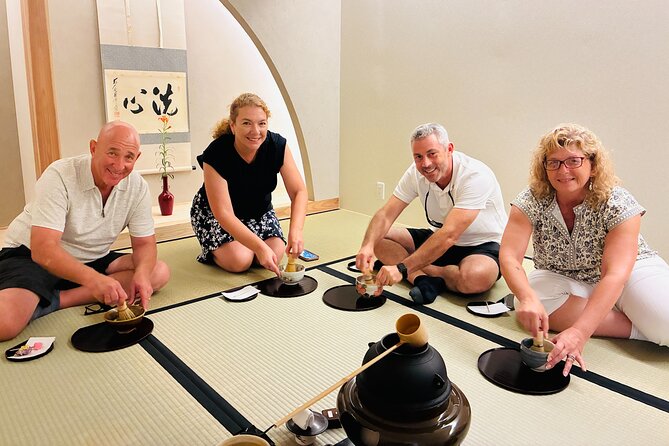
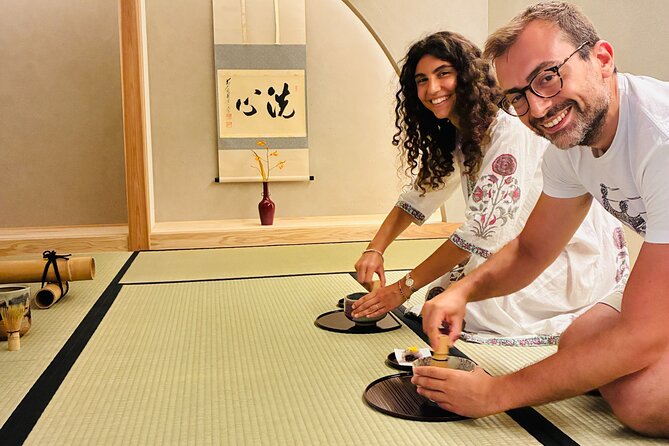
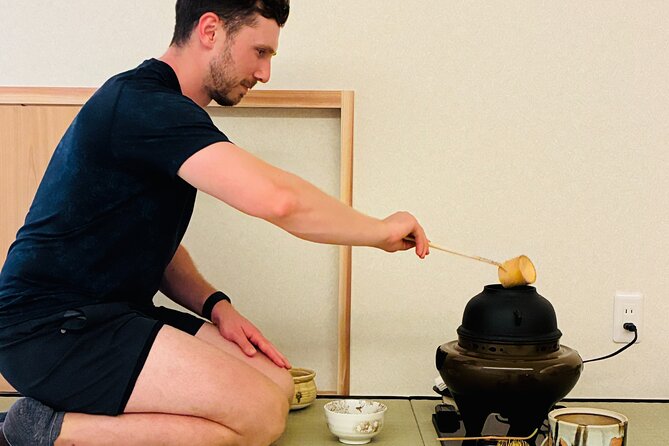
After that, the experience shifts from receiving to doing. You’ll choose a tea bowl and whisk your matcha. You’ll be taught by observing the host’s movements first, then copying the motions yourself. It’s a real practical skill, not just a souvenir photo moment.
By the end, you’re likely to understand why people describe tea ceremony as slow and precise. Your hands do the work, but your attention does the real heavy lifting.
Nijiriguchi and tea-room rules: why the vibe stays calm
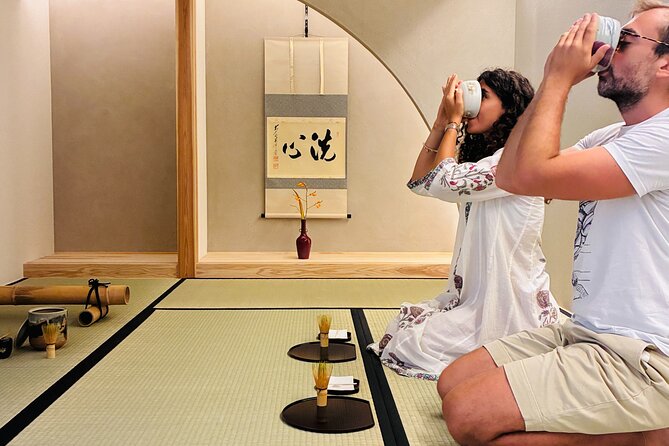
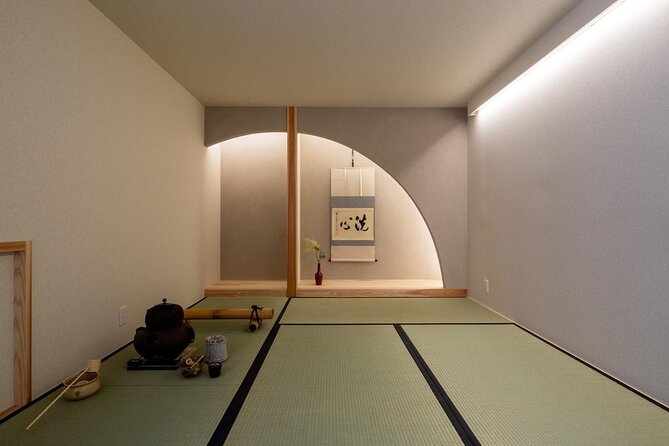
One of the most memorable details is the nijiriguchi, a crawl-in entrance into the tea room. It’s not there for decoration. It physically forces you to lower your posture and leave the outside world at the door, so to speak.
Inside, the room is set up to keep the atmosphere serene. That’s why they’re strict about timing: you can enter only from 5 minutes before the start time, and once the session begins the door will be locked. If you’re even 1 minute late, you can’t join, and there’s no refund.
This isn’t just bureaucracy. It’s how they maintain the ritual pace. If you’re the type who likes to be fashionably late, this one needs a different personality. You’ll enjoy it more if you treat it like a train departure: be there early, then let the ceremony take over.
Also note: chairs are available if you prefer them. Still, this is a traditional setting, and it isn’t suitable for wheelchair users. Kids under 6 aren’t suitable either, and a private plan is required for children under 5.
Your two bowls of matcha: watching, then whisking yourself
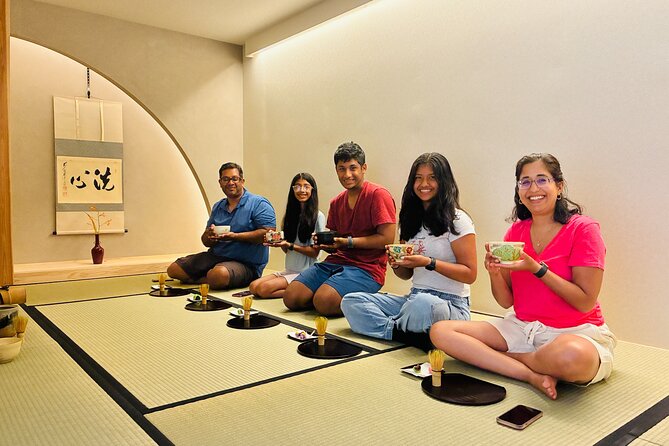
Let’s talk about the matcha, because that’s the heart of the whole thing.
You’ll have two cups of matcha:
- One is prepared by the host.
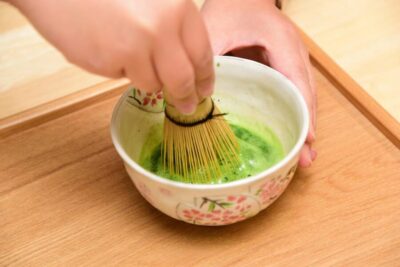
- The second is yours: you whisk it yourself, either solo or with a companion (depending on your group setup).
What makes this valuable is the comparison. The first bowl shows you what the host is aiming for in texture and motion. Then you repeat the process and get immediate feedback through your own senses. You feel the difference in effort and control.
Before you whisk, you’ll choose a tea bowl and whisking whisk (you’ll use what’s provided). You’ll then learn by doing—observe the host’s movements, then copy them. That repeatable structure is what turns this from entertainment into actual learning.
If you’re worried that your technique will be terrible, don’t be. The point is participation. The best tea ceremony moment is often when you realize you’re paying attention to every movement because you can’t rush it.
Kyoto wagashi: the sweet that keeps the ritual balanced
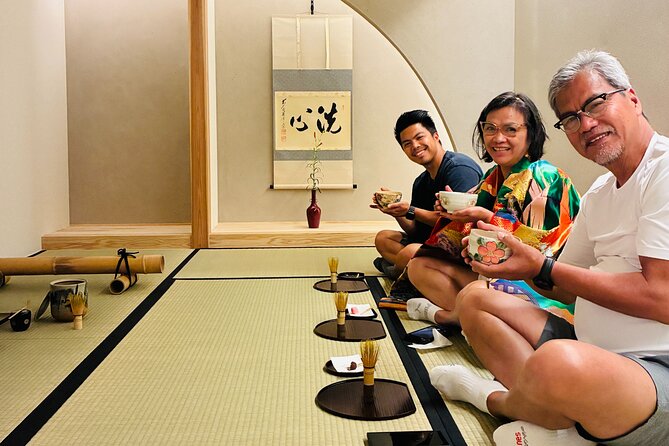
Matcha is intense in a way that sneaks up on first-timers. It’s grassy, sometimes slightly bitter, and definitely not like sweet iced drinks. That’s where the wagashi comes in.
You’ll enjoy traditional seasonal Japanese confectionary as part of the ceremony. The sweets are sourced from a Kyoto shop with more than 100 years of history. That matters because it suggests they’re aiming for classic, seasonal flavors rather than mass-produced sugar.
In practice, you’re not just “getting a snack.” You’re learning the pacing of tea: sweet first (paired to the season), then matcha, with your attention on the texture and finish.
If you’re even mildly curious about Japanese flavors beyond sushi and ramen, this is a smart add-on to your Kyoto day.
Small group + English instruction: what that means for you
Sanjo Chasuian runs a shared plan group session with a maximum of 10 participants. That small size is part of the value because it gives the host room to guide you without turning the room into a classroom shouting match.
The instruction is in English. That includes explanations of the tea ceremony history, what each step means, and how to whisk matcha correctly. If you need an interpreter or you have a child under 5, you’ll need to choose the private plan instead of the shared one to maintain the calm atmosphere and make sure communication works.
One helpful detail from the experience style: the host walks you through what it will feel like before you start. That reduces the “Wait, what do I do next?” anxiety. It also means you can keep your focus on the ritual rather than the logistics.
If you want photos, the host may take pictures and videos while you make matcha. It’s a good way to capture the moment without stepping out of the ceremony flow.
Price and value: why $31 works (and when it might not)
The price is $31 per person for about 1 hour. On paper, that’s not cheap compared to cheap eats. But tea ceremonies aren’t about getting fed; they’re about getting taught and practicing in a carefully controlled setting.
Here’s what you actually get:
- Two bowls of matcha (including your own whisked bowl)
- Seasonal Kyoto sweets
- English instruction
- A small-group ceremony with a traditional entrance and proper pacing
When you compare it to the usual “watch-and-stand still” tea experiences, this feels more like skill-building. Whisking your own matcha is the difference between learning and observing.
There’s also a grand opening discount mentioned until September 15. If that’s still active when you’re booking, it’s even better value. Even without a discount, paying for guided practice in a calm room is often worth it in Kyoto, where time and attention are expensive.
Optional uchikake coat kimono: extra ceremony without a big commitment
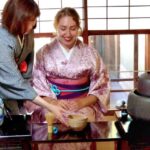
Sanjo Chasuian doesn’t offer standard kimono rental or dressing services. But there is an optional uchikake (coat-style kimono) experience available for ¥1,500 (tax included).
Two practical notes:
- You have to inform staff on the day.
- Advance reservations aren’t accepted, and quantities are limited.
If you want the added visual drama for photos, it’s a nice option. If you prefer to travel light, skip it and still get the full tea ceremony experience. Either way, you’ll want to keep one thing in mind: wear or bring socks.
What to bring: the tiny detail that matters in Japan
Bring socks. That’s the main item listed. The ceremony setup requires you to use socks during the experience.
Other than that, the best “bring” is mental readiness. Show up slightly early. Put your phone away during the ceremony. Let the room set the pace.
You’ll likely notice that the experience is calmer than a typical tourist activity. The rules are part of that.
Who should book this tea ceremony in Kyoto
This is a great fit if you:
- Want a Kyoto cultural activity that isn’t rushed
- Prefer hands-on learning over passive watching
- Enjoy traditional Japanese sweets and want to see the matcha ritual in context
- Like small-group experiences and clear English guidance
It may not be the best choice if you:
- Need wheelchair access (not suitable for wheelchair users)
- Are traveling with kids under 6
- Tend to arrive late and hate strict timing rules
If your day already has a lot of walking, this is a smart “reset.” One hour sitting and practicing matcha can feel like a breather without wasting Kyoto time.
Should you book Sanjo Chasuian in Kyoto?
Yes, if you want a genuine tea ceremony experience with real participation. The combination of Nijiriguchi, English guidance, seasonal Kyoto wagashi, and the chance to make your own bowl of matcha is strong value for one hour.
Book it especially if you’re deciding between a quick showy option and something more skill-based. You’ll leave knowing what whisking is supposed to feel like, and you’ll understand why the ritual is structured the way it is.
If timing is your weakness, fix that before you book. Arrive early, follow the entry window, and you’ll get the calm atmosphere you came for.
FAQ
How far is Sanjo Chasuian from Subway Karasuma Oike Station?
It’s about a 5-minute walk from Subway Karasuma Oike Station.
How long is the Kyoto tea ceremony experience?
The experience lasts 1 hour.
What is the price per person?
The price is $31 per person.
What’s included in the experience?
You’ll get 2 cups of matcha (one made by the host and one made by you or with a companion) and traditional seasonal Japanese confectionary (wagashi).
Is the tour in English?
Yes. The instructor provides guidance in English.
What should I bring?
Bring or wear socks during the experience.
What if I arrive late?
You can enter from 5 minutes before the start time. Once the session begins, the door is locked, and if you’re late (even by 1 minute) you can’t join and refunds aren’t available.
Is this suitable for kids and wheelchair users?
Children under 6 years are not suitable. It’s also not suitable for wheelchair users.
Can I wear a kimono?
There’s no standard kimono rental or dressing service, but an optional uchikake (coat-style kimono) experience is available for ¥1,500 (tax included) on the day in limited quantities.
More Tour Reviews in Kyoto
One More Bowl of Matcha

Just added: more Kyoto tours to browse


Kyoto Tea Ceremonies, compared.
 ★ 4.9Tea Ceremony in a Traditional Tea House in KiyomizuFrom $493,519 reviews
 ★ 4.9Tea Ceremony Ju-An at Jotokuji TempleFrom $293,207 reviews
 ★ 4.345-Minute Tea Ceremony Lesson ExperienceFrom $222,378 reviews
 ★ 4.9Table-Style Tea Ceremony at a Kyo-MachiyaFrom $451,211 reviews
 ★ 5.0Kimono Tea Ceremony at Kyoto Maikoya, NISHIKIFrom $65911 reviews
 ★ 5.0Arashiyama Bamboo Forest, Monkeys, Matcha & Temple TourFrom $53759 reviews
 ★ 4.9Tea Museum Tickets and Matcha Grinding ExperienceFrom $23739 reviews
 ★ 4.9Kimono Tea Ceremony at Orizuruya GionFrom $49618 reviews
Browse the lists this tour appears in