
Reviewed · KYOTO TEA CEREMONIES
Kyoto Newly Opened Tea Ceremony – Sanjo Chasuian
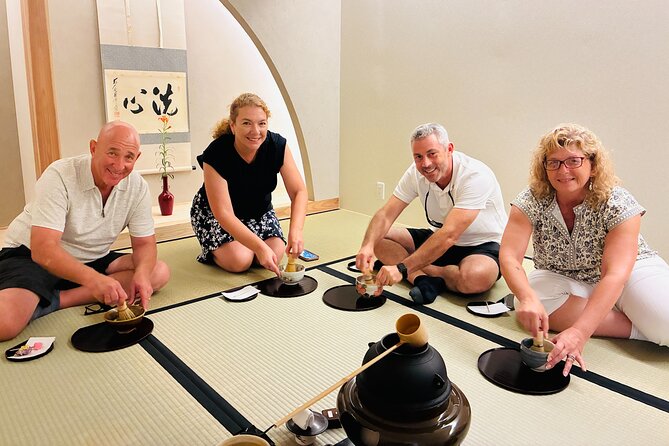
A crawl-in entrance and two bowls of matcha. This Kyoto tea ceremony at Sanjo Chasuian is built around hands-on learning, not just watching. You’ll learn the steps of matcha prep, then make your own cup with guidance from the tea master.
Two things I love: you get a true small-group setup (up to 10), so the host can slow down and answer questions. And you don’t leave with one cup—you enjoy two servings, including one you whisk yourself.
One thing to consider: the room is serene and time is strict. If you’re even a minute late, you won’t be able to join, and the door locks once the session starts—so plan to arrive early and wear or bring socks.
In This Review
- Key highlights worth your time
- Inside Sanjo Chasuian’s tea room: the mood starts at the door
- The 60-minute flow: watch, learn the meaning, then whisk
- Two bowls of matcha: compare the pro cup with your own
- The sweets break: seasonal Japanese confectionary from Kyoto’s past
- Nijiriguchi to calm: what the experience teaches beyond matcha
- Price and value: why $32.77 feels fair here
- Getting there without stress: socks, timing, and seating reality
- Where to start: the meeting point in central Kyoto
- Who should book this tea ceremony (and who might not need it)
- Should you book Kyoto Newly Opened Tea Ceremony – Sanjo Chasuian?
- FAQ
- How long is the Kyoto tea ceremony?
- What’s included in the ticket price?
- How many people are in the group?
- Where does the tea ceremony start?
- When can I enter before the session starts?
- What happens if I’m late?
- Is there a sock requirement?
- Can I get a refund if I cancel?
Key highlights worth your time
- Nijiriguchi entrance: a crawl-in doorway that makes the whole room feel like another world
- Step-by-step matcha technique: watch first, then copy the host’s movements
- Two bowls of matcha: one prepared for you, one you whisk yourself (plus tea bowls stay in your hands)
- Seasonal Kyoto sweets included: traditional Japanese confectionary from a sweet shop with over 100 years of history
- Up-close, quiet atmosphere: conducted in a calm, serene setting for better focus
- Socks required, floor seating likely: chairs are available, but expect sitting options that may feel more formal and grounded
Inside Sanjo Chasuian’s tea room: the mood starts at the door
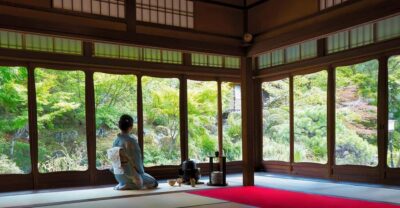
Kyoto tea culture is as much about behavior as it is about the drink. Here, you start with a physical cue: the Nijiriguchi, a crawl-in entrance. It’s not just theater. It nudges you to slow down and leave street pace behind before you even reach the tea room.
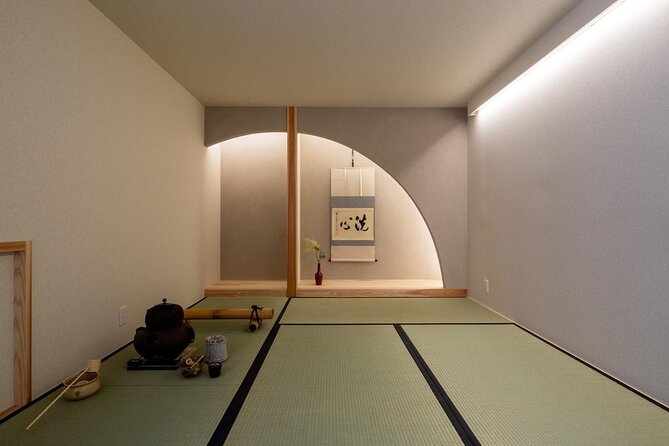
This is also a small-group experience, capped at 10 people. That matters because tea ceremony instruction works best when you can see the utensils clearly and ask a question without shouting across a crowd. The setting is described as quiet and serene, which is exactly what you want if you’re trying to learn the “why” behind matcha preparation.
One more practical note: this space is kept clean and orderly, and the tea room itself feels new. In other words, you’re not wandering into someone’s storage room—you’re stepping into a proper, calm studio for the ritual.
Sit for another bowl of matcha in a Kyoto tea house


The 60-minute flow: watch, learn the meaning, then whisk
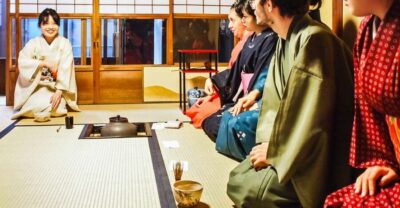
The session runs about 1 hour, and it follows a simple rhythm: explanation, demonstration, then hands-on matcha work. You’ll start by seeing the tea master perform the ceremony with traditional rituals and techniques, using the utensils and timing that make the process feel precise.
Then comes the lesson part. You’re not just told what to do—you get step-by-step guidance. The host explains the history, customs, and the purpose behind the sequence, so you understand what you’re copying when you move your hands.
What makes this format so useful is that it matches how you actually learn. You watch the first cup being made, then you try it yourself with your own hands, in your own time. You’ll learn the motions, but also what to pay attention to: the way matcha changes once whisked, the pacing, and how the host handles the bowl and whisk with control.
Two bowls of matcha: compare the pro cup with your own
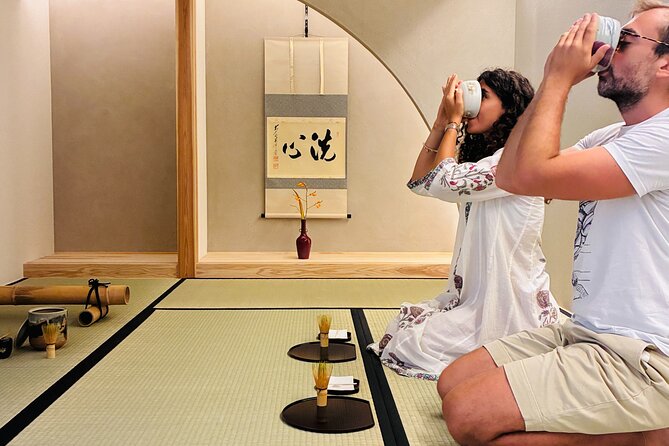
Most tea ceremonies give you one sip and a photo. This one is more generous in a very practical way: you enjoy two servings of matcha.
- First, you drink the bowl prepared by the host. This is your benchmark. You’ll get a sense of what smooth, properly whisked matcha tastes like and feels like in the moment.
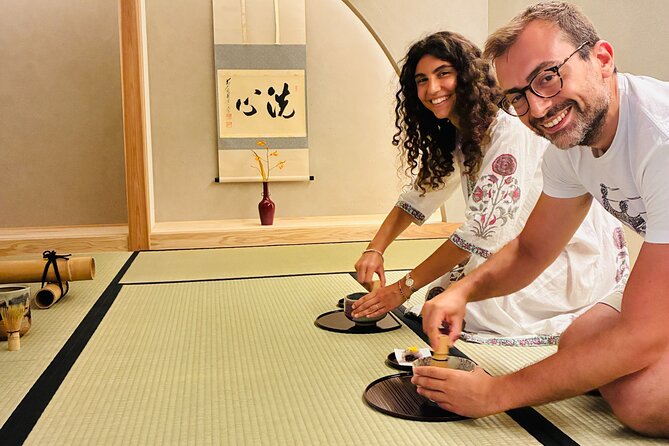
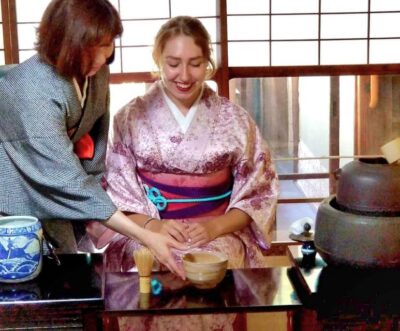
- Second, you whisk your own matcha (either by yourself or with a companion). This is where you learn a repeatable skill.
That “two bowl” setup is a big deal if you want to bring something home. When your second cup comes out of your own whisk, you can connect the instruction to the result. If it looks a little different, you can understand why without embarrassment—because you already tasted the intended outcome.
Also, you get time to focus on the utensils themselves. Matcha bowls and select items are available for purchase, but even if you don’t buy anything, handling the tools is the fastest path to understanding what you’re paying attention to when you make matcha later at home.
The sweets break: seasonal Japanese confectionary from Kyoto’s past
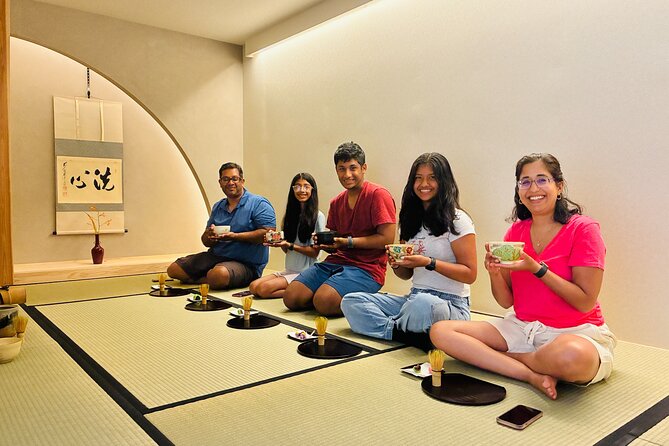
Tea ceremonies in Kyoto often feel like a mini cultural class. But the sweets are what make the experience land as a real sensory treat, not a formal lecture.
You’ll receive traditional seasonal Japanese confectionary, served alongside your matcha. One detail I really like: it’s described as coming from a Kyoto sweet shop with over 100 years of history. That kind of continuity matters. Kyoto sweets aren’t random desserts; they’re designed to match the season and the mood of the tea.
In real terms, that means the sweets help you slow down and enjoy the full arc of the session. You’re not rushing through a ritual for the caffeine. You’re tasting, then listening, then tasting again.
If you have dietary restrictions, you’ll want to check directly at booking. The data here confirms sweets are included, but it doesn’t list ingredients or alternatives.
Nijiriguchi to calm: what the experience teaches beyond matcha
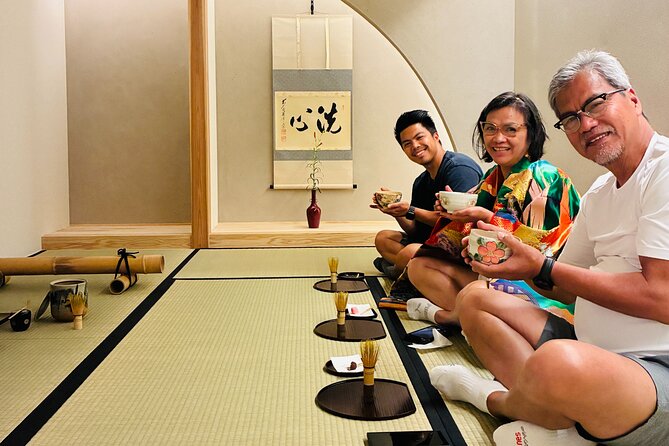
You’ll hear about matcha as a drink, but you’ll also learn how tea ceremony thinking shows up in everyday life—through mindfulness and deliberate movement. The host’s explanations focus on the why as well as the how, and the whole experience is kept in a quiet, controlled environment.
That tone shows up in the way the session runs. There’s no “follow the leader” chaos. You’re meant to sit, watch, learn, and then perform the key motions yourself with patience.
In some sessions, there’s also an option to dress up with traditional outerwear used for formal ceremonies, like an uchikake. That’s not the core of the ceremony, but it can be a fun way to make the cultural experience feel extra special—especially for your photos.




Price and value: why $32.77 feels fair here
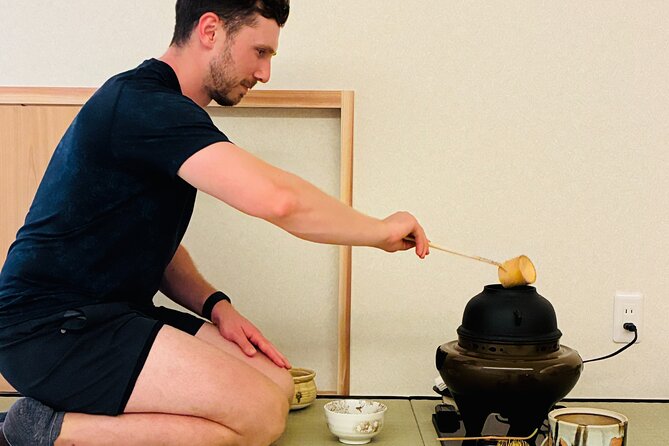
At $32.77 per person, you’re paying for more than a drink. You’re paying for instruction, quiet time, and a guided practice you can actually repeat.
Here’s the value math in plain terms:
- You get two cups of matcha (one made by the host, one made by you). That’s already more than many “watch and sip” formats.
- You get step-by-step explanations tied to history and meaning, so you leave with context.
- You get a small group size (max 10). That usually means more attention and less waiting.
If you’re doing Kyoto at a moderate pace, this is a strong pick because tea ceremonies can fit into a busy day without turning into a long commute or a marathon. The location is also described as near public transportation, and the meeting point is easy to plug into maps.
Getting there without stress: socks, timing, and seating reality
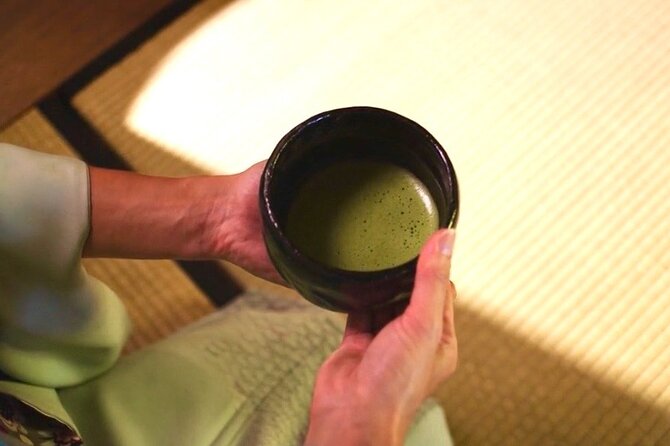
Tea ceremony etiquette can sound intense until you get practical about it. This experience gives you a clear rule set.
Socks are required. You’re asked to bring or wear socks during the experience. If you forget, you may be stuck improvising, and in a ritual setting, last-minute changes can be stressful.
Timing is strict. Entry is allowed from 5 minutes before the start time, and once the session begins the door locks. The policy is very clear: even 1 minute late means you cannot join, and there’s no refund. So don’t treat this like a flexible museum stop. Treat it like a train.
Seating: chairs are available, and you’ll likely spend time sitting. Some people note there’s floor seating, too, so if you know you’re uncomfortable for long periods, consider wearing supportive clothing and choosing a seat option early.
Where to start: the meeting point in central Kyoto
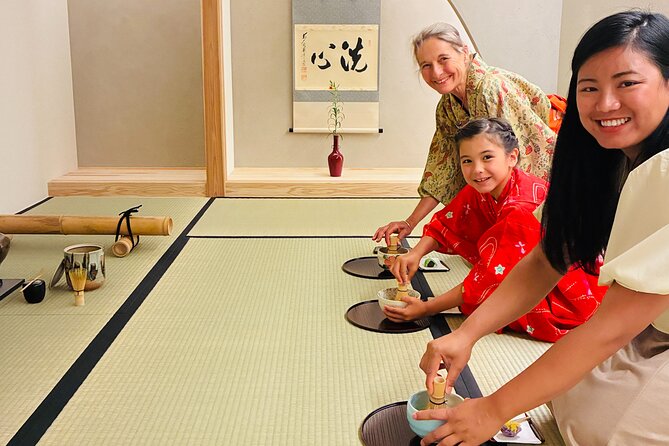
The meeting point is listed at:
Tea Ceremony & Sake Tasting Kyoto – Sanjo Chasuian
324-2 Sanjōchō, Nakagyo Ward, Kyoto, 604-8205, Japan
It’s near public transportation, and you’ll walk to the entry. One tip worth taking seriously: navigation apps sometimes route you through smaller streets. If you’re trying to get there smoothly, use the clearest main-street approach you can, then confirm you’re headed toward the tea setting.
Once you arrive, keep it simple: sign in early enough, put on socks, and give yourself time to settle. That calm start is part of the point of the ritual.
Who should book this tea ceremony (and who might not need it)
This is ideal if you want:
- A first-rate matcha lesson where you actually whisk your own cup
- A calm, low-noise activity in central Kyoto
- Something cultural that’s also relaxing and not just sightseeing paperwork
- Small-group learning where the host can explain step-by-step
It may be less ideal if:
- You need a flexible schedule and hate strict start times
- You’re uncomfortable sitting for about an hour (even with chair options, the setting can feel formal)
- You want a high-energy tour with lots of walking and quick photo stops
If you’re the kind of person who likes skills you can repeat at home—this one fits.
Should you book Kyoto Newly Opened Tea Ceremony – Sanjo Chasuian?
Yes, if you want a Kyoto cultural experience with real hands-on value. The combination of two bowls of matcha, a step-by-step host, seasonal sweets, and a quiet room under a strict schedule makes this feel like a skill-building class rather than a rushed stop.
Before you book, do two quick checks:
- Plan to arrive at least 10 minutes early so you’re not tempted to gamble with the 5-minute entry window.
- Bring socks and dress for comfortable sitting.
If you can do those two things, you’ll get exactly what this experience promises: a calm, focused introduction to matcha that you can recreate—plus the kind of Kyoto sweetness that makes the whole hour feel complete.
FAQ
How long is the Kyoto tea ceremony?
It lasts about 1 hour.
What’s included in the ticket price?
You get two cups of matcha from Kyoto (one made by the host and one you make yourself) plus traditional seasonal Japanese confectionary.
How many people are in the group?
The maximum group size is 10 travelers.
Where does the tea ceremony start?
You meet at Tea Ceremony & Sake Tasting Kyoto – Sanjo Chasuian, 324-2 Sanjōchō, Nakagyo Ward, Kyoto, 604-8205, Japan.
When can I enter before the session starts?
Entry is allowed from 5 minutes before the start time.
What happens if I’m late?
Once the session begins, the door locks. Even 1 minute late means you cannot join, and no refund is given.
Is there a sock requirement?
Yes. You’re kindly asked to bring or wear socks during the experience.
Can I get a refund if I cancel?
The policy is free cancellation up to 24 hours in advance for a full refund. If you cancel within 24 hours of the start time, there’s no refund.
More Tour Reviews in Kyoto
One More Bowl of Matcha

Just added: more Kyoto tours to browse








Kyoto Tea Ceremonies, compared.
 ★ 4.9Tea Ceremony in a Traditional Tea House in KiyomizuFrom $493,519 reviews
 ★ 4.9Tea Ceremony Ju-An at Jotokuji TempleFrom $293,207 reviews
 ★ 4.345-Minute Tea Ceremony Lesson ExperienceFrom $222,378 reviews
 ★ 4.9Table-Style Tea Ceremony at a Kyo-MachiyaFrom $451,211 reviews
 ★ 5.0Kimono Tea Ceremony at Kyoto Maikoya, NISHIKIFrom $65911 reviews
 ★ 5.0Arashiyama Bamboo Forest, Monkeys, Matcha & Temple TourFrom $53759 reviews
 ★ 4.9Tea Museum Tickets and Matcha Grinding ExperienceFrom $23739 reviews
 ★ 4.9Kimono Tea Ceremony at Orizuruya GionFrom $49618 reviews
Browse the lists this tour appears in