
Reviewed · KYOTO TEA CEREMONIES
Kyoto: Mindful Tea Ceremony in 100-Year-Old Teahouse
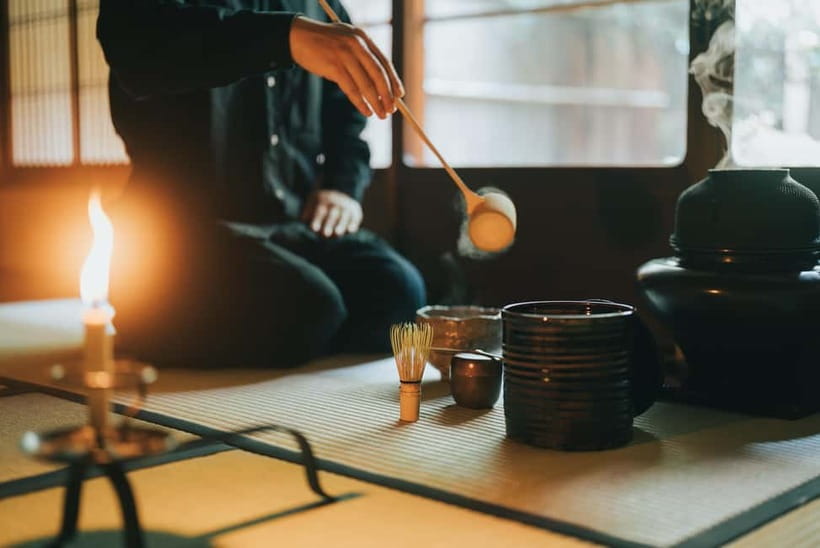
Quiet tea time in a candlelit old house. At Oboro in Kyoto, the whole point is to slow down: candlelight replaces harsh bulbs, the room stays intentionally quiet, and a 45-minute matcha ritual turns into a practical reset. I like the way the 100-year-old teahouse makes the experience feel real, not staged.
I especially love two things: the host’s relaxed approach that explains the ceremony without turning it into a rigid exam, and the sensory focus—sounds, smells, and warm bowls—that makes it easy to pay attention. You’ll also get to watch each bowl being prepared, with purifying the tools and whisking matcha in a way that feels calm instead of performative.
One drawback to consider: this is a socks-and-silence kind of activity. If you’re sensitive to quiet rules or need easy seating support, the shoes-off setup and the time spent seated may not feel comfortable.
In This Review
- Key things to know before you go
- A Candlelit Pause in Kyoto’s 100-Year-Old Setting
- Finding Oboro: Where the Tea Ceremony Lives
- Before You Sit: Socks, Silence, and the 10-Minute Rule
- The 45-Minute Flow: Welcome Tea, Matcha Prep, and Your Final Sip
- What the Host Does (and Why Their Style Matters)
- Matcha and Sweets: More Than a Drink
- Price and Value: Is $45 Worth 45 Minutes?
- Who This Fits Best (and Who Might Want to Skip It)
- Practical Tips for a Smooth, Respectful Ceremony
- Should You Book Oboro’s Mindful Tea Ceremony?
- FAQ
- How long is the Kyoto mindful tea ceremony?
- Is the instruction available in English?
- How big is the group?
- What should I bring, and do I need to wear socks?
- Are photos allowed during the ceremony?
- What happens if I’m late?
- Is hotel pickup included?
Key things to know before you go
- Candlelight sets the pace so the room feels quieter than Kyoto’s streets outside
- Matcha prep without strict intimidation: you can watch, listen, and ask questions
- Mindful flow over formal perfection: the host guides you step-by-step, gently
- Warm seasonal sweets pair with the tea to help your mind settle into the moment
- Take-home candle means the calm doesn’t end when the session does
- Small group (up to 8) keeps the experience personal and not rushed
A Candlelit Pause in Kyoto’s 100-Year-Old Setting

Kyoto has plenty of things to see. This experience gives you something different: a reason to stop. Oboro’s tearoom leans hard into atmosphere—no bright overhead lights, just soft candlelight and a minimalist space that makes small details feel louder (in a good way).
What makes it work is that it’s not just pretty decor. The ceremony’s structure naturally slows you down. You arrive, you settle, you taste, you watch the preparation, you sip again, and you end with a quiet moment of reflection before you leave. Even if you’ve never done anything like this, it’s designed to feel approachable.
Reviews highlight the same pattern: people walk in tired from noisy sightseeing and leave feeling calmer. One common theme is the garden view through the window, which adds a gentle visual anchor while you’re sitting still. It’s a simple trick, and it’s effective: you don’t need to understand tea philosophy to benefit from the pacing.
Sit for another bowl of matcha in a Kyoto tea house
Finding Oboro: Where the Tea Ceremony Lives
This is in Kyoto (Honshu, Japan), hosted by Oboro in a traditional-style teahouse setting. The meeting point is straightforward: if you’re having trouble locating it, search for Oboro: Mindful Tea Ceremony on Google Maps.
The practical point for you: don’t plan to arrive right at the start time. The experience asks you to arrive about 10 minutes early to prepare. That lead-in matters because you’ll need to remove shoes and get settled before the host starts guiding the flow.
Also, this isn’t a “grab a cup and go” stop. You’re stepping into a quiet interior space where distractions aren’t welcome. Think of it more like a short, guided pause in a calm room than a tour you can half-attend while checking your phone.
Before You Sit: Socks, Silence, and the 10-Minute Rule
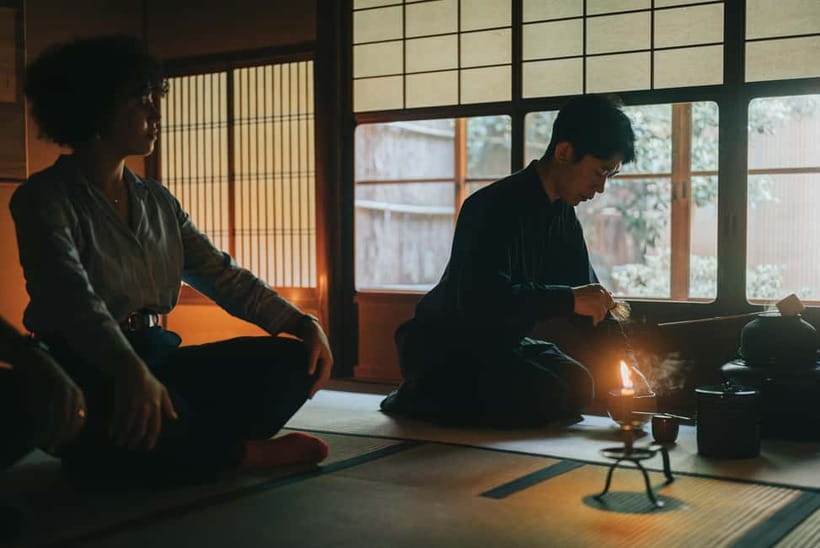
Small rules can make or break a mindful activity like this. Here’s what you should plan around.
- Wear comfortable clothes. You’ll be sitting during the ceremony.
- Bring socks. Shoes must be removed, and your feet will matter once you’re seated.
- Expect a quiet environment. The room is meant for calm attention, so keep your voice low and your phone put away.
- No flash photography. Photos without flash are allowed, but keep it respectful and minimal.
The timing rule is strict: if you arrive more than 10 minutes late, you won’t be allowed to enter the session. That’s not meant to be dramatic—it’s because the ceremony is paced as one continuous sequence, and joining late would interrupt everyone’s experience.
And one more practical note: in summer, the ceremony uses chilled water and ice. That can change how the opening tea feels, but it’s still part of the same mindful flow.
The 45-Minute Flow: Welcome Tea, Matcha Prep, and Your Final Sip
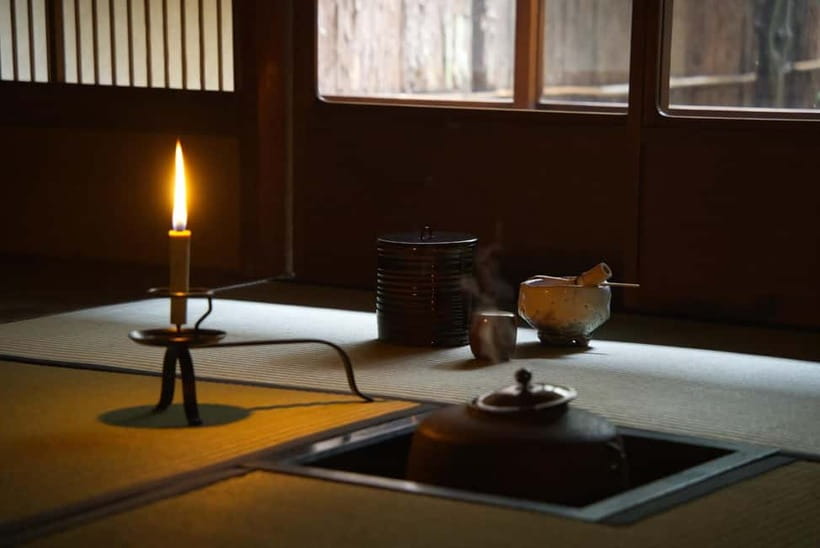
The whole experience takes about 45 minutes, and it’s paced like a small journey. Here’s the shape of the session so you know what to expect when you arrive.
First, you’ll enter a softly lit room with candlelight that replaces harsh overhead lights. The host greets you, stores your belongings if needed, and briefly explains the flow. Then you’ll settle into your seats, often before anything “formal” starts.
Next comes a welcome tea with seasonal sweets. This matters more than you might think. The warm flavors (and in summer, chilled elements) act like an onboarding step. It’s easier to slow your mind once your senses are already engaged.
After that, you move to the main tearoom where the setting is designed to minimize distractions. You’ll notice small sensory cues: the soothing sound of water simmering and the faint aroma of fresh matcha as it’s prepared. This is where the ceremony shifts from general calm into focused attention.
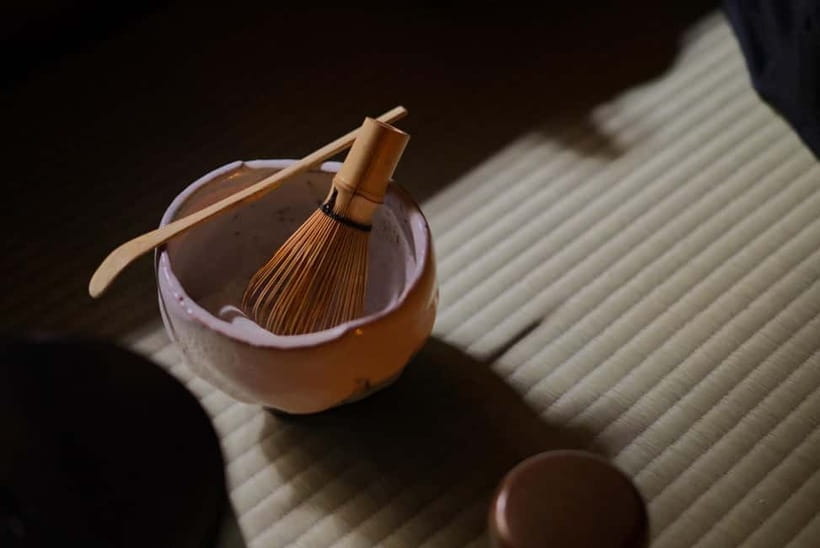
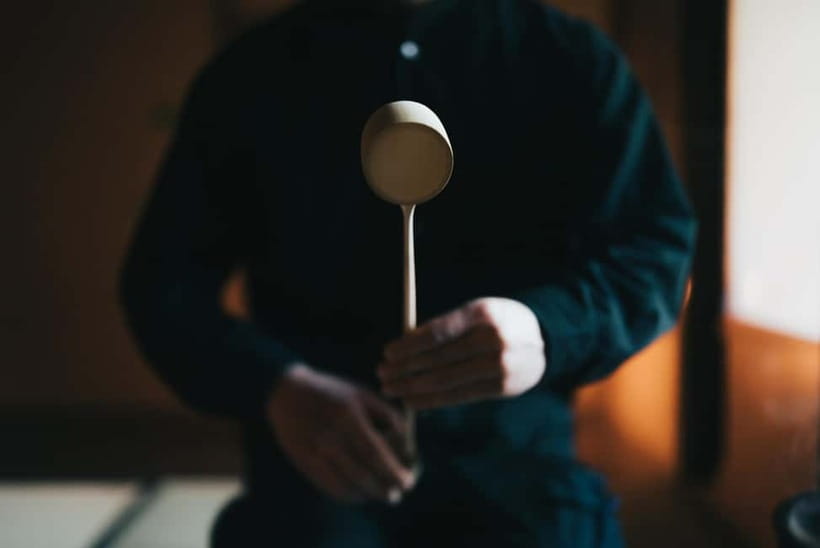
Then comes the main matcha portion. The host purifies the utensils, whiskes the matcha into the bowl, and presents it with a graceful bow. You’ll lift the bowl gently and savor the tea’s nuanced taste, including how the warmth feels as it hits your hands and your palate.
Throughout, you’re not forced to “perform” perfectly. You can observe quietly, and you can ask questions during the session. That balance—silence for focus, conversation when you’re curious—is what makes newcomers feel comfortable without flattening the tradition.
The finale is small but memorable: you receive a handmade candle to take home. It’s a thoughtful way to extend the experience beyond the 45 minutes, especially if you want a real reminder of that calm state.
What the Host Does (and Why Their Style Matters)
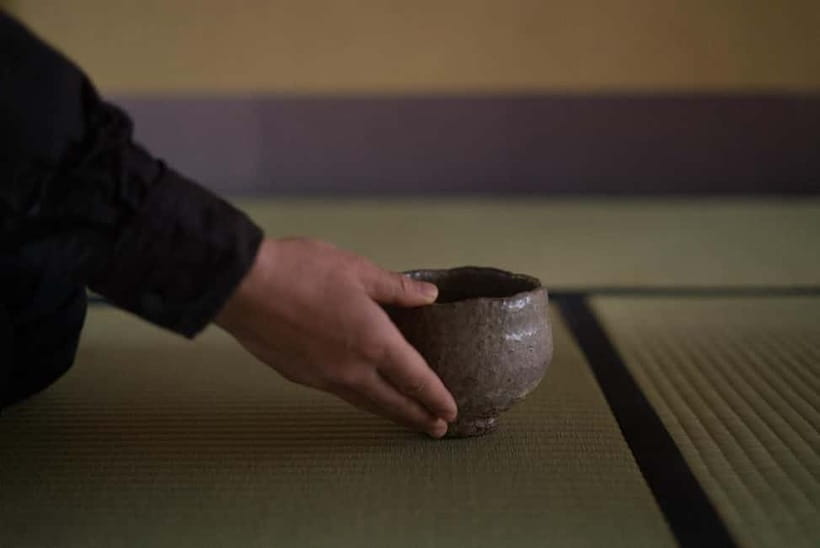
In a tea ceremony, the host can either make it feel intimidating or make it feel safe. Here, the emphasis is on gentle guidance.
The ceremony has ceremonial roots, but you’re not thrown into strict rules you need to memorize. Instead, the host explains what’s happening and why—then guides you through the motions at a pace that feels human. That approach is a big part of why so many reviews describe the experience as calming, soothing, and easy to follow.
You’ll often hear praise for specific hosts. Names showing up in reviews include Naoki and Taku (and similar spellings like Taiku), with guests saying hosts were welcoming, informative, and supportive. What comes through in the feedback isn’t just teaching facts—it’s creating an environment where you can relax while you learn.
If you’re thinking, Can I ask questions?, the answer is yes. The structure leaves room for curiosity. That’s useful because it helps you connect what you’re doing (purifying, whisking, bowing, sipping) with what it means in practice: attention, restraint, and appreciation for simple beauty.

Matcha and Sweets: More Than a Drink

Let’s talk taste and pairing, since this is the sensory core of the experience.
You’ll drink matcha made during the ceremony, not something pre-portioned. The host purifies the utensils first, then whiskes the matcha to produce a smooth bowl you can actually notice. Guests often call out how smooth the matcha tastes and how calming the flavor feels once you’re sitting in the right atmosphere.
There’s also seasonal pairing with sweets. These aren’t random snacks. They’re chosen to complement the tea, and reviews mention that the sweets can feel unique and interesting, especially when paired with the matcha notes.
One extra detail from feedback: some people mention a welcome drink that surprised them, including a cold green matcha-style tea during the session. Whether you get warm or chilled elements depends on the season, but either way, the pacing starts with that first taste so you’re ready to pay attention.
If you’re a matcha skeptic, don’t overthink it. The ceremony isn’t trying to convince you with hype. It gives you the right conditions: freshness, a guided taste, and a calm setting where your senses can actually register the differences.
Price and Value: Is $45 Worth 45 Minutes?
At $45 per person for about 45 minutes, this isn’t an impulse buy if you’re trying to squeeze every yen of value from your trip. But the “value” here isn’t volume—it’s context.
What you’re paying for:
- English instruction from the host
- All necessary tea ceremony equipment
- Seasonal sweets and the candlelit matcha ceremony experience
- A take-home handmade candle
The cost makes more sense when you compare it to alternatives that are either cheaper but less personal, or more expensive and heavier on performance without much explanation. Here, small-group size (up to 8) matters. It keeps the experience from feeling like a conveyor belt, and it gives you space to observe calmly and ask questions.
Also, Kyoto is full of paid experiences that try to pack in ten things. This one packs in one thing, done well, with real attention to pace and sensory detail. For the price, you get a structured calm you can’t easily recreate on your own mid-trip—especially if you want the etiquette explained without stress.
Who This Fits Best (and Who Might Want to Skip It)
This experience suits people who want a quiet, meaningful cultural activity without needing prior knowledge of tea ceremony etiquette.
You’ll likely enjoy it if:
- You want a break from crowded Kyoto sightseeing
- You like mindful, sensory experiences (sounds, smells, warm cups)
- You’re curious about how matcha is made and why certain steps happen
- You appreciate small-group instruction in English
But there are clear limitations. It’s not suitable for:
- Children under 6
- People with back problems
- Wheelchair users
That’s important. You’ll be seated and in a shoes-off environment, and the ceremony’s pacing depends on everyone staying comfortable enough to participate quietly. If mobility or seating comfort is a concern, consider whether you can handle that duration.
Practical Tips for a Smooth, Respectful Ceremony
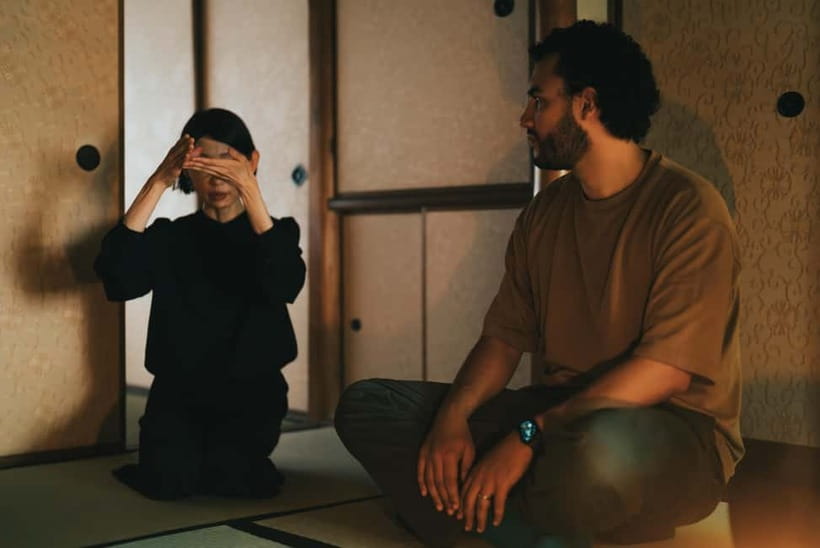
These are the small things that help the session feel easier the moment you sit down.
- Arrive early enough to settle. The ceremony doesn’t pause for late arrivals.
- Wear socks and bring comfortable clothes. Shoes come off, and you’ll want warm, steady feet.
- Keep your phone away and follow the quiet environment rules. The whole experience is built on low distraction.
- Avoid flash photography. If you want photos, take them without flash and keep it brief so you don’t break the flow.
- If you’re visiting in summer, be ready for chilled water and ice elements in the ceremony.
And one mindset tip: treat it like a sensory listening session. Even if you don’t remember every step later, you’ll leave with a reset feeling that’s hard to get from sightseeing alone.
Should You Book Oboro’s Mindful Tea Ceremony?
If your Kyoto plans include temples, markets, and long walks, I think this is a smart counterbalance. Oboro’s mindful tea ceremony is a rare activity that doesn’t demand you be loud, impressed, or busy. You sit, you taste, you watch the matcha preparation, and you go home with a small candle that feels like proof you slowed down.
Book it if you want:
- A calm, candlelit experience in a traditional teahouse
- English instruction with a welcoming, non-intimidating tone
- A small group session that stays quiet and thoughtful
Skip it if:
- You need accessibility accommodations beyond what’s described here
- Back comfort is a concern for you
- You hate rules around silence and timing
Overall, for $45 and 45 minutes, you’re buying a focused moment of attention—guided gently, delivered in a beautiful space, and built around taste. If that’s what you want from Kyoto, Oboro is an easy yes.
FAQ
How long is the Kyoto mindful tea ceremony?
The experience lasts 45 minutes.
Is the instruction available in English?
Yes. The instructor provides English instruction.
How big is the group?
It’s a small group limited to 8 participants.
What should I bring, and do I need to wear socks?
You should wear comfortable clothes and bring socks. Shoes must be removed, so socks are important.
Are photos allowed during the ceremony?
Photography is allowed without flash. Flash photography is not allowed.
What happens if I’m late?
Participants will not be allowed to enter if they arrive more than 10 minutes late.
Is hotel pickup included?
No. Hotel pickup and drop-off are not included.
More Tour Reviews in Kyoto
One More Bowl of Matcha

Just added: more Kyoto tours to browse



Kyoto Tea Ceremonies, compared.
 ★ 4.9Tea Ceremony in a Traditional Tea House in KiyomizuFrom $493,519 reviews
 ★ 4.9Tea Ceremony Ju-An at Jotokuji TempleFrom $293,207 reviews
 ★ 4.345-Minute Tea Ceremony Lesson ExperienceFrom $222,378 reviews
 ★ 4.9Table-Style Tea Ceremony at a Kyo-MachiyaFrom $451,211 reviews
 ★ 5.0Kimono Tea Ceremony at Kyoto Maikoya, NISHIKIFrom $65911 reviews
 ★ 5.0Arashiyama Bamboo Forest, Monkeys, Matcha & Temple TourFrom $53759 reviews
 ★ 4.9Tea Museum Tickets and Matcha Grinding ExperienceFrom $23739 reviews
 ★ 4.9Kimono Tea Ceremony at Orizuruya GionFrom $49618 reviews
Browse the lists this tour appears in