
Reviewed · KYOTO TEA CEREMONIES
Kyoto Japanese Tea Ceremony Experience in Ankoan
A still cup can change your Kyoto pace. At Ankoan, this tea ceremony experience mixes a proper matcha ritual with real conversation, plus you get hands-on practice. I loved the warm, welcoming hosting and the way the lesson stays practical while still feeling dignified, and I also liked that you taste wagashi and matcha right in the flow. One heads-up: the sitting style is part of the deal, so if you have knee pain, this may not feel comfortable.
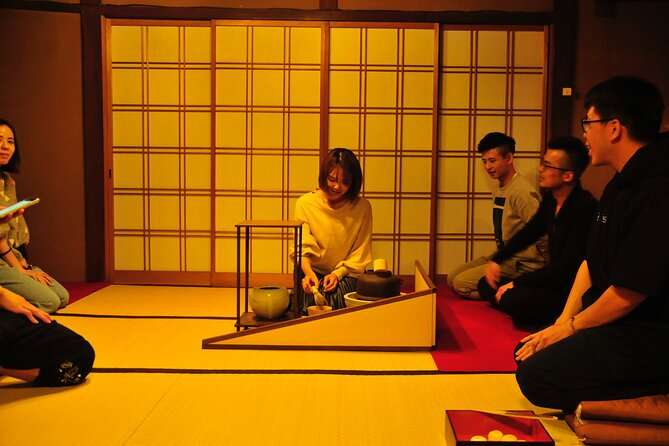
You’ll start with a welcome cup and chat to loosen up after getting to Kyoto. Then the host talks through key parts of tea ceremony manners, shows the process, and guides you as you learn to prepare matcha and serve it as part of the shared experience. The tone is calm, but it’s not stiff: you’re encouraged to participate, ask questions, and actually connect with people.
Timing can feel a little flexible. The booking notes about an hour, while the service is described as 90 minutes, and some guests report it lasting closer to two hours—usually because the conversation and practice take time (in a good way). Also, it’s a small group, capped at 8 travelers, so you’re not lost in a crowd.
In This Review
- Why Ankoan Feels Different From a Standard Tea Stop
- Welcome Tea, Manners Talk, and a Real Tea Master Moment
- Matcha Making Hands-On: Step by Step Without Feeling Rushed
- Wagashi Tasting: The Sweet Partner to Matcha
- Conversation Time: How Tea Ceremony Becomes Cultural Communication
- Ikeabana Add-On Mention: When You Want More Than Tea
- Photos in the Studio: You Can Capture the Moment
- Location, Getting There, and What to Do Before/After
- Who This Experience Suits Best (And Who Might Skip)
- Price and Value: Is $32.84 Worth It?
- Quick Booking Tips Before You Go
- Should You Book Ankoan’s Kyoto Tea Ceremony?
- FAQ
- How long is the Kyoto Japanese Tea Ceremony experience?
- Where does the tea ceremony take place?
- What is included in the price?
- Is private transportation included?
- What languages are supported?
- How many people are in the group?
- Can I take photos during the experience?
- Is this experience suitable if I have knee pain?
- Do I need good weather for this activity?
Why Ankoan Feels Different From a Standard Tea Stop
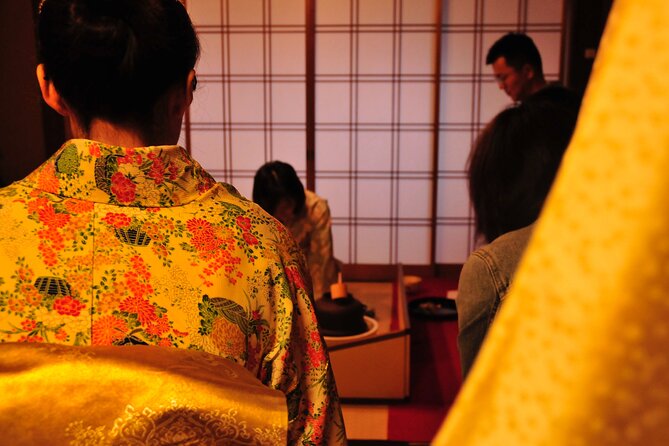
This isn’t just about sipping matcha. The setting is set up for slowing down: you arrive, take a breath, get settled, and then the ceremony unfolds at a human pace. The studio experience also leans social. Instead of treating tea ceremony like a museum piece, you’re invited to learn what the ritual means in daily life and how people approach it with respect.
A major plus is the pairing of structure and flexibility. You’ll follow a clear sequence—welcome tea, explanation, demonstration, then you try—yet there’s room to talk and to get personal help while you do the steps. That combination is what turns this from a quick activity into a Kyoto memory you’ll actually use.
Welcome Tea, Manners Talk, and a Real Tea Master Moment
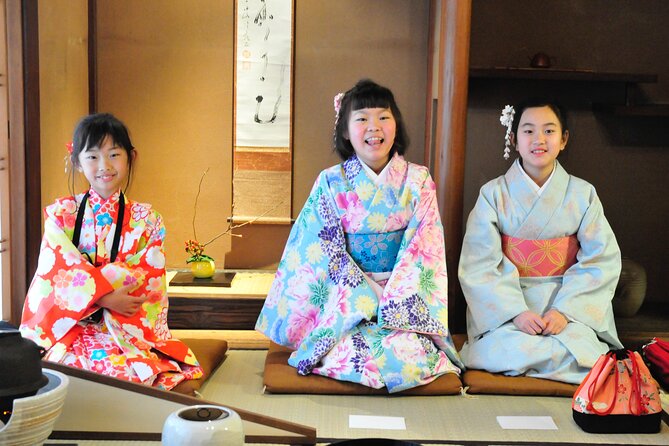
You begin with welcome tea, made by Yuka, and a chance to chat right away. It’s a smart start: it softens nerves, especially if you’re visiting Japan for the first time or you’re coming straight from a long day of walking.
After that warm cup, you get an explanation of tea ceremony parts and manners. The goal isn’t trivia; it’s to help you understand what you’re about to do and why people pay attention to the details. Then you watch the demonstration as the tea process is shown with care—enough to give you a model to copy, not just a performance to observe from afar.
From there, the experience moves into participation. You don’t just watch matcha being made. You model the process with guidance, which means you leave knowing what the motions and timing feel like, not just what the steps are called.
If you want a lesson that respects the ritual while still staying friendly, this format works well.
Sit for another bowl of matcha in a Kyoto tea house


Matcha Making Hands-On: Step by Step Without Feeling Rushed
This is the heart of the experience. You’ll prepare matcha yourself, and you’ll be guided through the process as you go. Several guests highlight that instruction is clear and interactive, with a teach-one-help-one feel, so you’re not stuck guessing while your hands do something new.
What makes this valuable for you is that matcha is easy to mess up if you only see it once. Here, you get the chance to practice the basic movements and feel how the ritual sequence hangs together. That also helps you appreciate what makes good matcha preparation different from just whisking powder in a mug.
Once your matcha is ready, it’s tasted as part of the shared experience in a pure, harmonious tea space. That matters because tasting completes the learning loop. You’re not only performing. You’re also receiving and comparing—so the lesson lands.
Wagashi Tasting: The Sweet Partner to Matcha
Tea ceremony in Japan is often paired with sweets, and here that comes through with wagashi. You’ll taste it during the flow of the experience, alongside matcha.
Even if you don’t know much about Japanese confections, wagashi tasting gives you a quick cultural read: it shows that tea isn’t just a drink, it’s a whole moment built around balance. The sweet also helps you slow down and focus while you’re processing what you learned.
Also, because you’re tasting in the same calm space where you practice, the flavors feel connected to the ritual instead of like an afterthought.
Conversation Time: How Tea Ceremony Becomes Cultural Communication
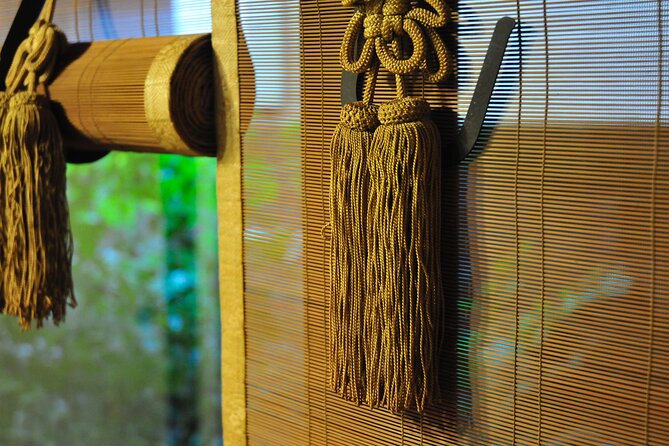
What I like most about this experience is how the host keeps it human. You’re not only learning tea steps—you’re also chatting about Japanese life and how culture forms. The focus includes how Japanese people live and how Japanese culture came into being, plus you’ll have a chance to ask questions as you go.
That conversational layer is a big part of the value for you because it turns the ceremony into a two-way exchange. You’ll pick up small pieces of language too, since the explanations are given in English (and Chinese is also OK), and the host’s style is described as engaging and easy to follow.
If you’ve ever visited Japan and wished someone would connect the culture dots for you, this is where it happens. Tea becomes a safe, calm topic that makes it easier to talk.
Ikeabana Add-On Mention: When You Want More Than Tea
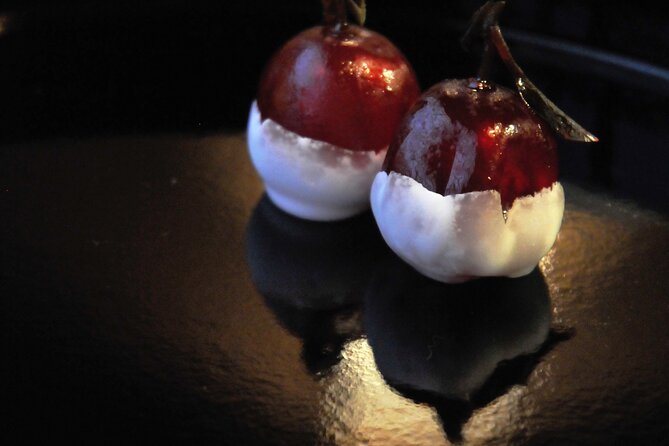
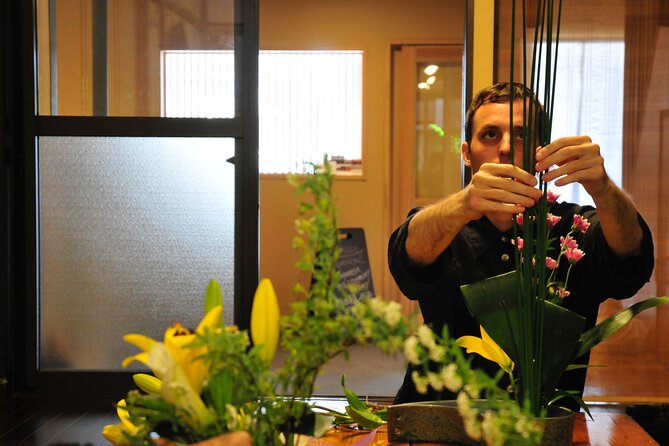
The experience includes a mention of ikebana alongside the tea ceremony time. If you care about Japanese arts beyond matcha, that can be a bonus. The key thing to know is that the overall service is described as a 90-minute experience, and the ceremony structure still stays central.
If you want a full cultural combo in one calm session, this fits. If you only came for tea, you’ll still have plenty to do and learn with matcha.




Photos in the Studio: You Can Capture the Moment
You can take pictures indoors freely. That’s helpful because the whole tea space tends to look beautiful and peaceful, and you’ll likely want at least a few photos to remember the setting.
Just keep it respectful. The environment is meant to support focus, so take photos between steps rather than during the most formal moments.
Location, Getting There, and What to Do Before/After
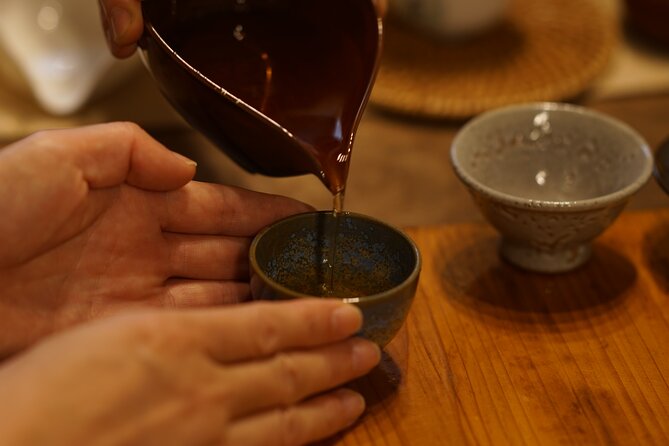
Your meeting point is Ankoan in Kyoto’s Kita Ward at Murasakino Monzenchō, 63, with the address listed as 暗香庵 (603-8216). The location is near public transportation, so you’re not forced into a taxi-only plan.
Also, it’s a great spot to pair with a short stretch of sightseeing nearby. Some visitors like to do a quick temple walk before or after, especially if they’re already exploring the quieter side of Kyoto.
Transport detail that matters: private transportation is not included. Plan to get yourself to the meeting point via transit, then enjoy the session once you arrive.
Who This Experience Suits Best (And Who Might Skip)
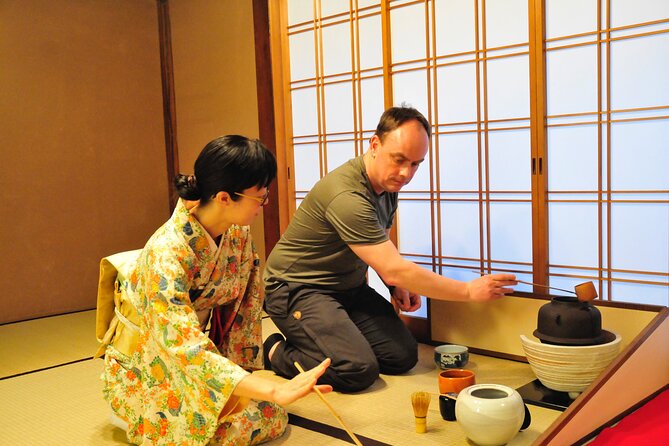
This fits best if you want:
- a hands-on tea ceremony experience, not just watching
- a small-group setting (maximum 8 travelers)
- a calm, guided activity where your questions are welcome
- a host who can explain in clear English and keep the mood friendly
It’s also a nice choice for families, since at least one guest had two small kids in the session and reported they could participate.
I’d be cautious if you have knee pain, since the experience isn’t recommended for that. If you’re unsure, it’s worth thinking about your comfort with sitting for the duration.
Price and Value: Is $32.84 Worth It?
At $32.84 per person, the value is strongest when you treat this as a lesson you practice with your own hands. You’re not just paying for a drink. You’re paying for guidance through matcha preparation, tasting, and an explanation of tea ceremony manners, plus time for conversation in a small setting.
The price also looks better because it includes coffee and/or tea (you’ll start with welcome tea) and the core ceremony components. What’s not included is transport, so the real cost for you depends on how you get there. If you’re already in Kyoto using transit, that usually stays simple.
In practical terms: if you want a memorable cultural moment you can repeat later at home (or at least understand better), this price tends to make sense.
Quick Booking Tips Before You Go
- Bring a calm mindset. This works best when you slow down and follow the steps.
- Wear comfortable clothing for sitting.
- Plan on arriving a little early so you can settle in before the welcome tea.
- If weather matters to your plans, note the experience is described as requiring good weather.
And if you’re the type who loves learning by doing—rather than just taking photos—this one is built for you.
Should You Book Ankoan’s Kyoto Tea Ceremony?
Yes, if you want a small, hands-on tea ceremony with a welcoming host and clear instruction. This is especially a good pick when you care about both the ritual and the conversation, and when you’d rather learn matcha by participating than by observing.
I’d skip or reconsider only if sitting won’t work for your body. Otherwise, $32.84 is a fair price for an experience that combines welcome tea, matcha practice, wagashi tasting, and English-forward guidance in Kyoto.
FAQ
How long is the Kyoto Japanese Tea Ceremony experience?
The experience is listed as about 1 hour, and the service is described as 90 minutes. Some guests report it can run closer to two hours.
Where does the tea ceremony take place?
You meet at 暗香庵 (Ankoan), Tea ceremonyJapan, 603-8216 Kyoto, Kita Ward, Murasakino Monzenchō, 63.
What is included in the price?
Coffee and/or tea are included. The experience also involves the tea ceremony activities such as welcome tea, matcha making, and tasting.
Is private transportation included?
No. Private transportation is not included.
What languages are supported?
Chinese/English OK.
How many people are in the group?
The maximum group size is 8 travelers.
Can I take photos during the experience?
Yes. You can take pictures indoors freely.
Is this experience suitable if I have knee pain?
It is not recommended for those with knee pain.
Do I need good weather for this activity?
Yes. The experience requires good weather, and if it’s canceled due to poor weather you’ll be offered a different date or a full refund.
More Tour Reviews in Kyoto
One More Bowl of Matcha

Just added: more Kyoto tours to browse








Kyoto Tea Ceremonies, compared.
 ★ 4.9Tea Ceremony in a Traditional Tea House in KiyomizuFrom $493,519 reviews
 ★ 4.9Tea Ceremony Ju-An at Jotokuji TempleFrom $293,207 reviews
 ★ 4.345-Minute Tea Ceremony Lesson ExperienceFrom $222,378 reviews
 ★ 4.9Table-Style Tea Ceremony at a Kyo-MachiyaFrom $451,211 reviews
 ★ 5.0Kimono Tea Ceremony at Kyoto Maikoya, NISHIKIFrom $65911 reviews
 ★ 5.0Arashiyama Bamboo Forest, Monkeys, Matcha & Temple TourFrom $53759 reviews
 ★ 4.9Tea Museum Tickets and Matcha Grinding ExperienceFrom $23739 reviews
 ★ 4.9Kimono Tea Ceremony at Orizuruya GionFrom $49618 reviews
Browse the lists this tour appears in