
Reviewed · FUSHIMI INARI SHRINE TOURS
Kyoto Guided Walking Tour Highlight of Kiyomizu & Fushimi Inari
Kyoto’s morning crowds can’t stop this route. In four hours, you’ll cover Kiyomizu-dera and Fushimi Inari plus the often-overlooked Sanjusangendo in a way that feels paced, not frantic.
I especially like the focus on iconic sights with real context—think what you’re actually looking at, not just where to stand for a photo. I also love the small group setup (max 8), which makes it easier to ask questions and move at a human speed with a guide like Naomi-san.
One thing to consider: you do have a moderate amount of walking, including lots of steps and stone paths around temples, so comfortable shoes matter from minute one.
In This Review
- Key highlights to look for
- Why This Kyoto Loop Feels Efficient (Not Rushed)
- Kiyomizu-dera: The Wooden Stage and the View Everyone Talks About
- Sanjūsangendō: The 1,001 Statues Stop That Changes the Mood
- The Shichijō Station Train Hop (And the ¥170 You Must Bring)
- Fushimi Inari Taisha: Torii Gates, Photo Stops, and Peaceful Side Paths
- Guide Power: What Naomi-san Adds on the Walk
- Is $78.18 Good Value for This Half-Day?
- Who This Tour Fits Best (And Who Should Rethink It)
- Should You Book This Kyoto Highlights Walking Tour?
- FAQ
- How long is the Kyoto guided walking tour?
- What time does the tour start?
- Where do we meet and where does the tour end?
- How many people are in the group?
- Which attractions have admission included?
- Is the train fee included in the tour price?
- Is Fushimi Inari admission free?
- Does the tour run in bad weather?
- How far in advance is this usually booked?
Key highlights to look for
- Kiyomizu-dera’s wooden stage views paired with an hour on-site, ticket included
- Sanjūsangendō’s 1,001-statue hall for a quieter, art-and-spirit-focused stop
- Fushimi Inari time-efficient torii gate exploring with a chance for calmer side paths
- Train hop required (¥170 per person, not included) so you’ll want an IC card or coins ready
- Small group max 8 keeps the experience flexible and question-friendly
- Rain or shine means you’re not locked into one perfect weather fantasy day
Why This Kyoto Loop Feels Efficient (Not Rushed)
This tour is built for people who want “Kyoto highlights” without losing half a day to logistics. You start at 8:30am at the Kyoto Ceramic Center (Kyoto Ceramic Art Association Official Shop and Gallery) and finish at the Fushimi Inari Honden area. The whole thing runs about 4 hours, which is a sweet spot when you’re traveling on a tight schedule.
The group size is capped at 8 travelers, and that changes the vibe. You’re not stuck waiting for stragglers in a big crowd. Instead, you get more attention from the guide and more chances to adjust your pace when you hit a photo spot or a busy walkway.
Also, the tour runs rain or shine. Kyoto weather can flip fast, but this route keeps moving, so you’re not left watching other people enjoy the day while you wait it out.
More walks up through the vermilion torii of Fushimi Inari

Kiyomizu-dera: The Wooden Stage and the View Everyone Talks About
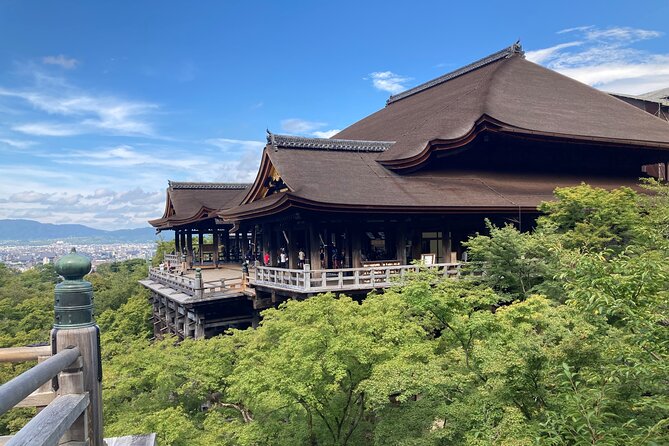
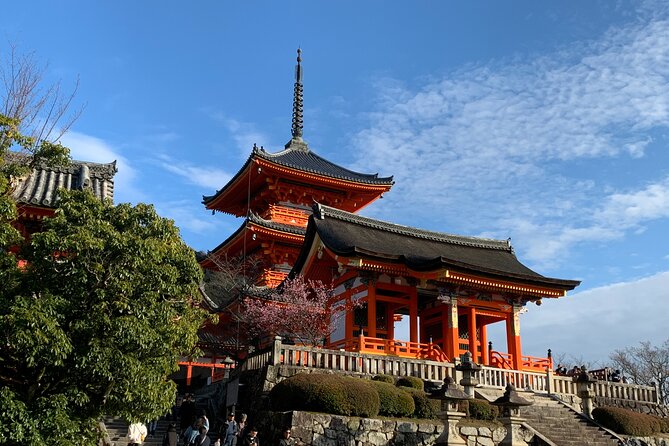
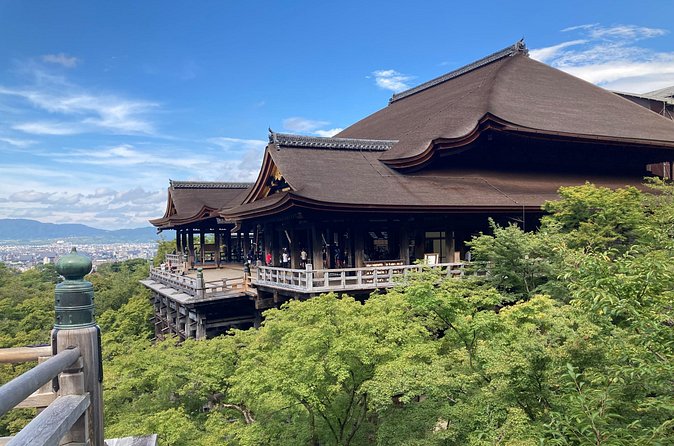
Kiyomizu-dera is one of Kyoto’s headline temples for a reason, and you get a full hour here with admission included. The big draw is the temple’s famous large wooden stage—built long ago and designed to give you a view over the surrounding trees and the Kyoto scene beyond. The tour also sets you up to understand why that stage became so important in the first place: it’s a built-in viewpoint, not just a place to walk through.
What you’ll do in practical terms: you’ll take in the main temple area, pause long enough to appreciate what’s in front of you, and then have time to photograph the view. If you’re the type who likes composition—railings, angles, layers—you’ll appreciate having time to step back and reframe instead of rushing onward.
A good note for your comfort: Kiyomizu-dera means stairs and uneven temple paths. Bring shoes that don’t punish you after the first 20 minutes. The goal is to enjoy the temple, not start a blister campaign.
Sanjūsangendō: The 1,001 Statues Stop That Changes the Mood
After Kiyomizu-dera’s big scenic energy, the tour shifts gears to Sanjūsangendō Temple. You’ll spend about 30 minutes here, and ticket admission is included.
The defining feature is the hall that houses 1,001 statues of the Thousand Armed Kannon, the Goddess of Mercy. That’s not a small detail—it changes how you experience the place. In many temples, you’re drawn to one main focal object. Here, the scale and repetition make you slow down and look longer, because the hall is essentially a field of sacred forms.
In a half-day itinerary, this stop works because it gives you variety. You go from sweeping views to a more inward-feeling space. If you’re into atmosphere—how a building changes your pace and mood—this is one of those moments where the guide’s explanations can genuinely help you notice more.
Time is limited to about half an hour, so you’ll want to do this quickly in the best way: stand, look from one perspective, then reposition once or twice. Don’t try to see everything from one spot—you won’t.
The Shichijō Station Train Hop (And the ¥170 You Must Bring)
One practical part of this tour is the short train segment to connect Kyoto’s temple areas. You’ll take the train to the Fushimi Inari shrine area via Shichijō Station. The time on this connection is brief—about 5 minutes—but it’s important because it’s the only cost item you add on top of the tour price.
Here’s the key detail: the train fee is not included. You need ¥170 per person and you should have an IC card or coins ready. This is one of those “easy to forget” things that can turn into a small stress moment if you don’t plan.
If you travel with an IC card already loaded for Kyoto transit, you’re set. If not, keep a little cash handy before you start the morning.
Fushimi Inari Taisha: Torii Gates, Photo Stops, and Peaceful Side Paths
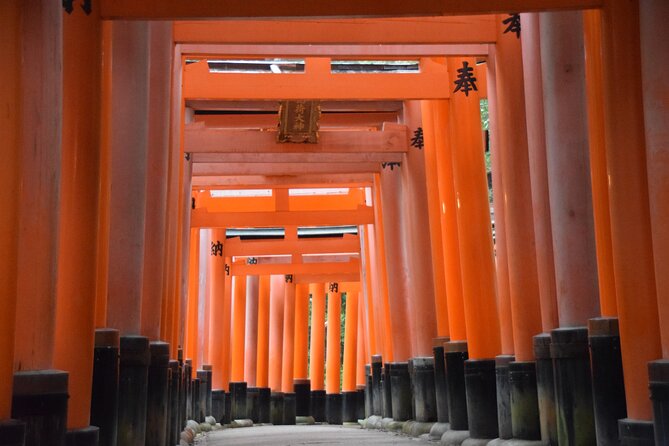
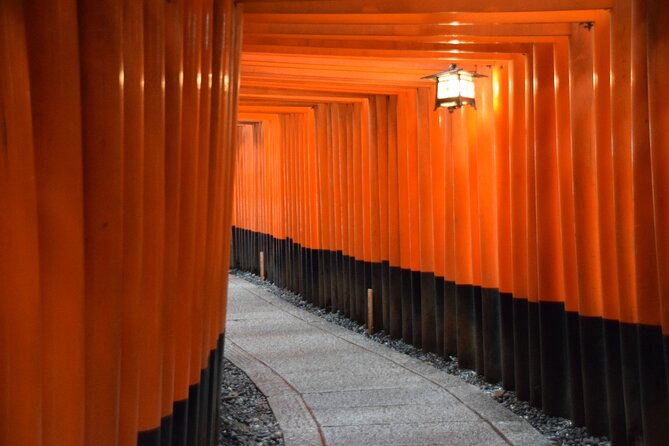
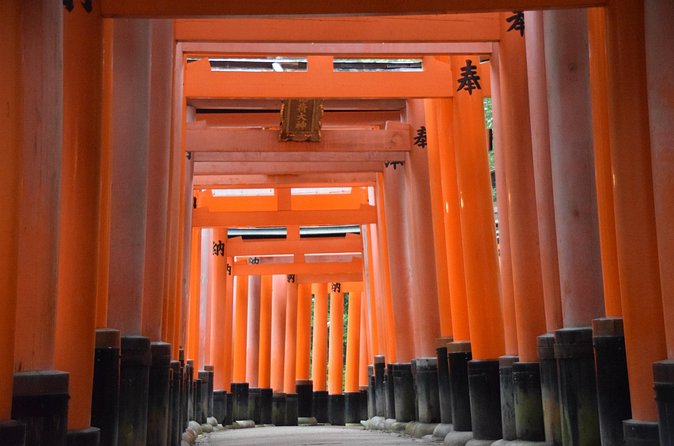
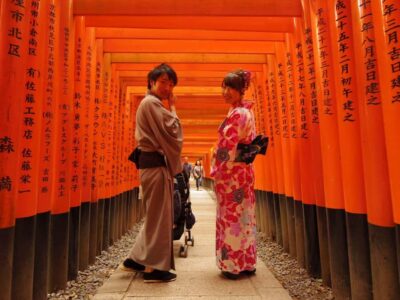
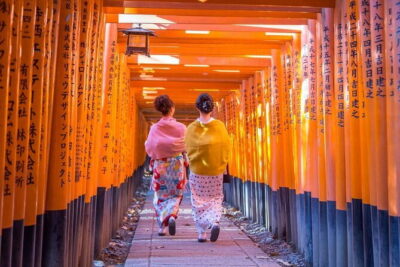
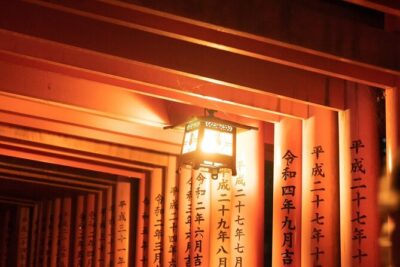
Next comes Fushimi Inari Taisha, and it’s the reason your camera roll will look like a red theme for a while. This stop is about 45 minutes, admission is free, and you’ll explore the shrine’s famous thousands of vibrant red torii gates.
The shrine is dedicated to Inari, associated with rice, agriculture, and prosperity. You’ll feel the spiritual rhythm of the place as the torii gates guide you through the walk—especially as the path curves and the crowd density changes.
You also get something I really appreciate on this kind of tour: more than just the “main squeeze.” One of the strongest notes from past participants was how the guide helped the group enjoy a peaceful path in Fushimi Inari, including quieter moments away from the noisiest flow. With only 45 minutes, you can’t go everywhere, but you can still choose where your time feels best.
Practical photo advice: early in the morning helps, but torii gates are photogenic from many angles, so you’ll want to pause where there’s depth—where you can see multiple gates layered together. And again, shoes matter: parts of this route are stair-like and slip-prone, especially if it’s been raining.
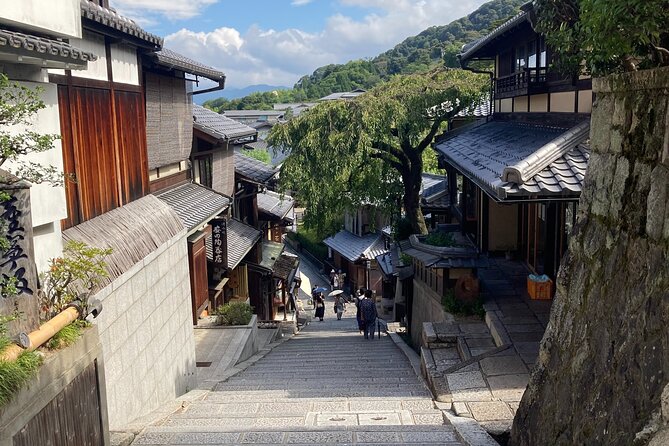
Keep climbing the Higashiyama slopes toward Kiyomizu-dera


Guide Power: What Naomi-san Adds on the Walk
A tour is only as good as the person steering it, and this one leans hard into guide-led storytelling. People specifically called out how Naomi-san was energetic, friendly, and full of history tidbits—plus the ability to answer questions clearly. When the group can ask things without feeling rushed, you get more than a sightseeing checklist.
There’s also a subtle benefit to a guide who keeps things fun. History becomes less like a lecture and more like “wait, that’s why this looks the way it does.” A few jokes along the route help, too, because temple walking can otherwise feel like a workout you didn’t sign up for.
Since the group is small, you’ll likely get enough interaction to connect the dots between stops—how Buddhist and Shinto sites show up in Kyoto’s daily life, and why these specific places became so famous.
Is $78.18 Good Value for This Half-Day?
At $78.18 per person, this isn’t the cheapest way to do Kyoto—but it’s also not trying to be. The value comes from what’s included and what you’re avoiding.
What you get included:
- Admission at Kiyomizu-dera
- Admission at Sanjūsangendō
- A guide for the full route
- A mobile ticket for the experience
What you still pay separately:
- The train fee of ¥170 per person (not included)
Fushimi Inari is free, so you’re not paying entry there. You’re basically paying for guide time, temple admissions at two of the three major stops, and the routing between them.
Is it worth it? If you’re a first-time Kyoto visitor, or you want the “top hits” without spending your whole day figuring out the best sequence, I think it’s a fair deal. You’re buying time, clarity, and fewer transportation hassles.
If you already know Kyoto well and you’re comfortable moving between temple clusters on your own, you might choose to DIY. But this tour’s structure is meant to reduce friction while keeping the route enjoyable.
Also, this tour is commonly booked about 46 days in advance on average. If you have a specific date in mind, booking earlier gives you better odds of getting the time that works for you.
Who This Tour Fits Best (And Who Should Rethink It)
This tour is a great fit if you:
- Want a first taste of Kyoto’s most recognizable spiritual sites
- Prefer a small-group experience instead of wandering alone
- Like photo time but also want the “why,” not just the “where”
- Can handle moderate walking and stairs for a half day
You might skip it (or at least consider timing) if:
- You’re dealing with mobility limits that make stair-heavy routes hard
- You’re the type who needs long, slow stays at one temple (this route is designed for variety, not deep lingering at a single stop)
- You hate surprises like bringing transit cash or an IC card for the train hop
If you do have a walking limitation, don’t ignore it—this is one of those days where shoes and stamina decide your enjoyment.
Should You Book This Kyoto Highlights Walking Tour?
I’d book it if your goal is a smart half-day that hits Kiyomizu-dera, Sanjūsangendō, and Fushimi Inari with a guide who makes the route feel lively and understandable. The small group size (max 8), the inclusion of admission at two major temples, and the guide-led explanations—especially with a host like Naomi-san—are the parts that make the price feel reasonable.
If you want a stress-free morning with photo opportunities and enough context to remember what you saw, this tour does that. Just plan for the walking, and prep for the ¥170 train fee so your morning stays smooth.
If you’re okay with those tradeoffs, you’ll come away with a well-rounded Kyoto snapshot: views, statues, and torii gates—without turning your day into a maze.
FAQ
How long is the Kyoto guided walking tour?
It’s about 4 hours (approx.).
What time does the tour start?
The start time is 8:30am.
Where do we meet and where does the tour end?
You meet at the Kyoto Ceramic Center, and you end at Fushimi Inari Taisha Honden (Sanctuary).
How many people are in the group?
The maximum group size is 8 travelers.
Which attractions have admission included?
Admission is included for Kiyomizu-dera and Sanjūsangendō. Fushimi Inari is listed as free, and the train fee is not included.
Is the train fee included in the tour price?
No. The train fee is not included, and it’s listed as ¥170 per person. Bring an IC card or coins.
Is Fushimi Inari admission free?
Yes. Admission at Fushimi Inari Taisha is listed as free.
Does the tour run in bad weather?
Yes, it takes place rain or shine.
How far in advance is this usually booked?
On average, it’s booked 46 days in advance.
If you want, tell me your travel dates and whether you’ll have an IC card (or prefer cash), and I’ll suggest the simplest way to handle the train hop without losing time.
More Tour Reviews in Kyoto




More Along the Higashiyama Slopes
Fushimi Inari, a Few More Ways
Just added: more Kyoto tours to browse








Fushimi Inari Shrine Tours, compared.
 ★ 4.8Fushimi Inari, Kinkakuji, Bamboo Grove 1 Day Bus TourFrom $1224,316 reviews
 ★ 5.0Fushimi Inari Hidden Hiking Tour (Private Option Available)From $631,750 reviews
 ★ 4.7Kyoto/Osaka: Nara, Fushimi Inari Taisha, Arashiyama Bus TourFrom $521,275 reviews
 ★ 4.4Osaka/Kyoto: Arashiyama, Nara & Fushimi Inari Shrine w/LunchFrom $61754 reviews
 ★ 4.7Nijo Castle, Kiyomizu & Fushimi Inari Guided TourFrom $54700 reviews
 ★ 5.0Nijo, Kinkaku-ji, Arashiyama, Kiyomizu & Fushimi InariFrom $51699 reviews
 ★ 5.0Kyoto Fushimi-Inari Night Walking TourFrom $43320 reviews
 ★ 4.93-Hour Fushimi Inari Shrine Hidden Hiking TourFrom $72270 reviews
Browse the lists this tour appears in