
Reviewed · GION & GEISHA DISTRICT TOURS
Kyoto: Gion Geisha District with Souvenir and Snack
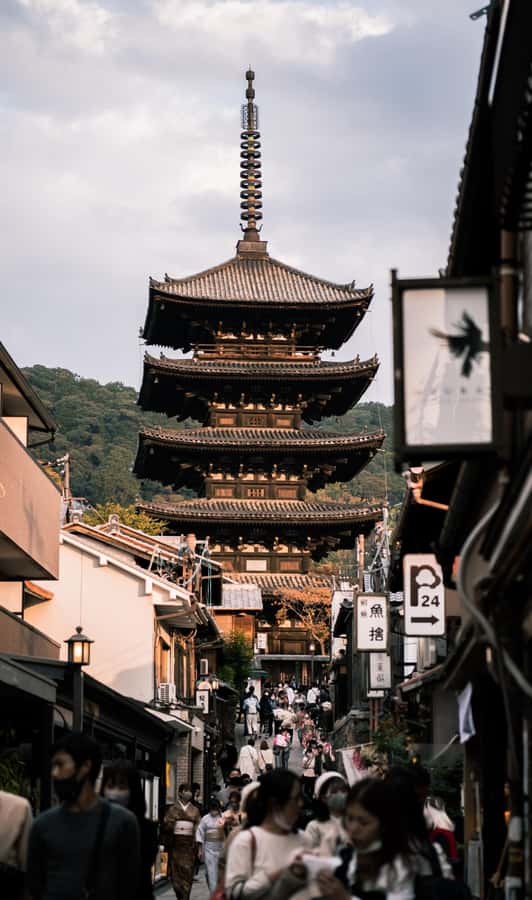
Gion at night feels like a different world. This Kyoto walk brings you into the Gion district with a local guide, with Edo-period stories and side streets you may miss on your own. You’ll get Kyoto’s lights, river atmosphere, and the human scale of the neighborhood, not just postcard views.
I like the way the tour turns geisha-area mystery into something you can actually spot. You’ll learn the differences between geiko and maiko, and you’ll also leave with an omiyage souvenir as part of the experience. The main trade-off is simple: it’s a nighttime walking route with plenty of steps and hills, so come ready with comfortable shoes (and don’t count on frequent bathroom or water stops).
In This Review
- Key things you’ll notice on this Gion night walk
- Meeting at Shijo Dori/Kawaramachi: setting up your night in the right place
- Crossing the Kamo River: Kyoto’s night mood in under an hour
- Gion after dark: tea house stories you can actually remember
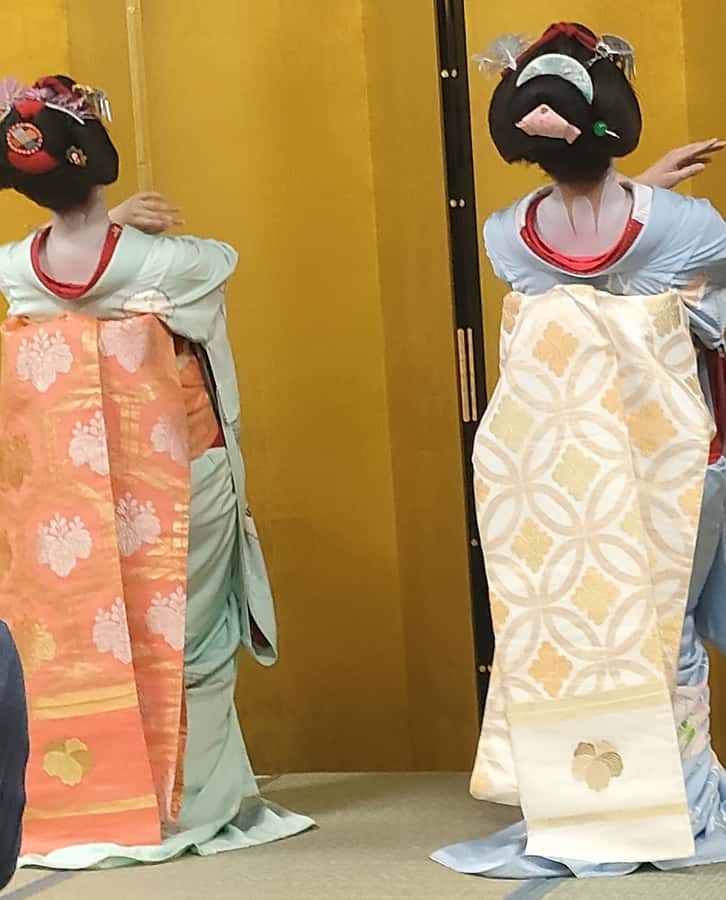
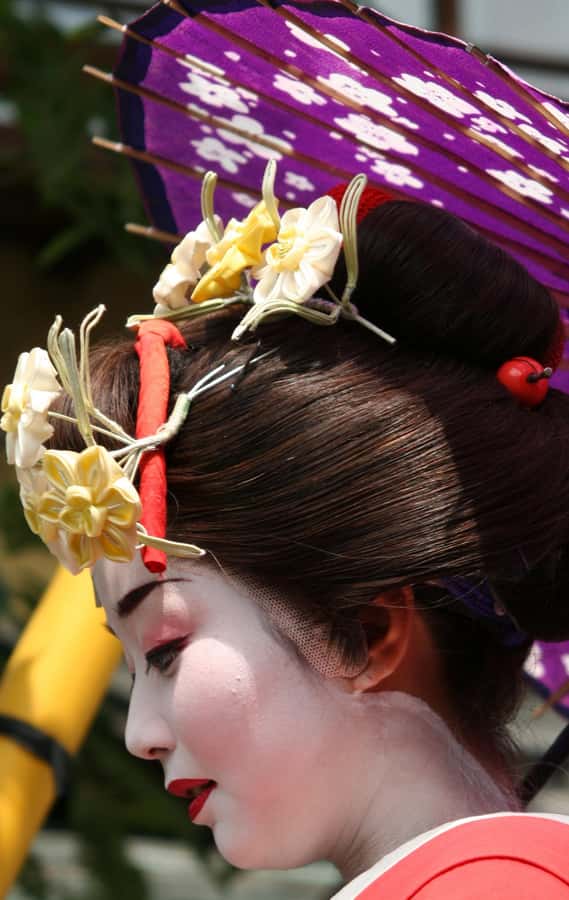
- Geiko vs maiko: what to look for as you walk
- Snack, geisha chocolate, and omiyage: the small perks that make a night tour easier
- The route spirit: getting off the main drag without losing your bearings
- Edo-period context: why the stories behind Gion feel relevant
- Where you end up eating: local restaurant recommendations that save time
- Pace and comfort: what to expect from a nighttime walking tour
- Price and value: is $12 really a good deal?
- Who this Gion night walk suits best
- FAQ
- Where does the tour start and end?
- Is food included?
- What souvenir do I get?
- What should I bring for the night walk?
- Is the tour suitable for people with mobility impairments?
- Are baby carriages allowed?
- Does the tour include public transportation tickets?
- Should you book this Kyoto Gion night walk?
Key things you’ll notice on this Gion night walk
- Crossing the Kamo River at night gives you Kyoto’s mood fast, before you even hit the main lanes.
- Tea house history in Gion helps you understand why the streets look and feel the way they do.
- Geiko vs maiko spotting tips give you something practical to look for as you walk.
- Snack + geisha chocolate keeps you fueled while you absorb stories (and yes, it’s included in the tour experience).
- Local restaurant recommendations after the walk can steer you toward places that don’t rely on tourist foot traffic.
- Routes sometimes adapt to weather and access, so flexibility matters.
Meeting at Shijo Dori/Kawaramachi: setting up your night in the right place
The tour starts at a clear, easy-to-find landmark: in front of the Disney store on the corner of Shijo Dori and Kawaramachi. Your guide will be holding a sign, and the group begins with quick introductions so you know what’s coming and what the guide wants you to notice.
From there, you’re not just walking from one named attraction to another. The vibe is more like getting escorted through a neighborhood at night—learning how people move through the area after the day crowds thin out. That matters in Gion, where the difference between “seeing Gion” and “getting Gion” often comes down to route and timing.
The walk ends back at the meeting point, which is convenient when you’re trying to keep your evening simple.
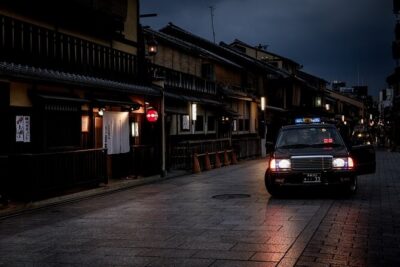
More evenings along the lantern-lit lanes of Gion


Crossing the Kamo River: Kyoto’s night mood in under an hour
One of the first big beats is crossing the Kamo River. Even if you’ve seen photos of this area, nighttime gives it a different rhythm—cooler air, softer light, and that calm, reflective feeling you don’t get in daylight.
Your guide uses the river crossing as more than a photo moment. Expect context around how the river area connects to daily life and the cultural atmosphere around Gion and nearby streets. It’s a good way to begin, because you’re warming up your senses before the tour gets more specific about the geiko and maiko world.
Practical tip: night lighting can be uneven. If you care about photos, keep your camera ready but expect that some spots will be darker than you want.
Gion after dark: tea house stories you can actually remember
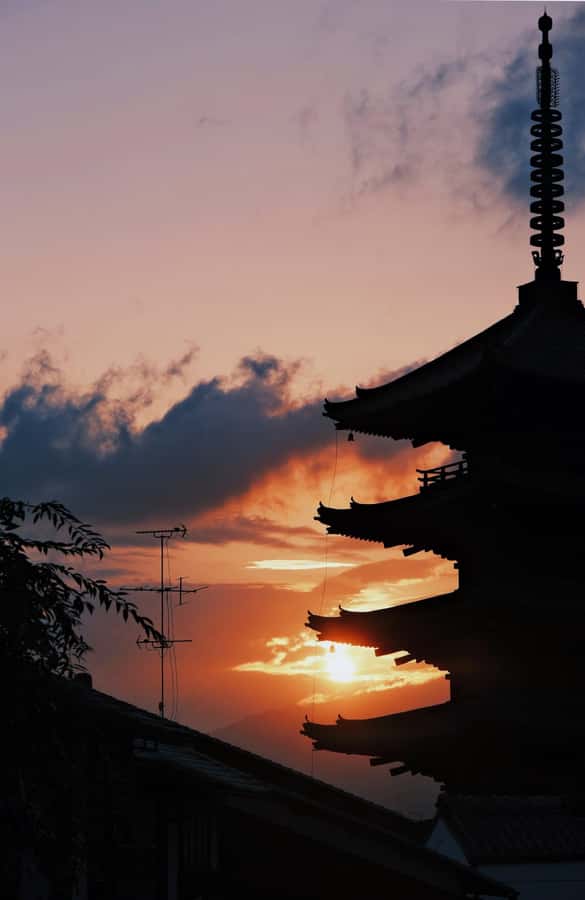
Once you’re in Gion, the tour focuses on the neighborhood itself—its sights, sounds, and the lived-in character of the community. You’ll hear about the history of Kyoto tea houses, and why they matter to the area’s identity.
This is where the guide’s personality really counts. In guides shared in past groups, names like Simon and Cameron show up often, with an emphasis on patient explanations and follow-up questions. The best part is that you’re not just collecting dates and names. You’re learning what those traditions mean for how the streets function.
You’ll also notice the tour’s emphasis on “modern day Kyoto.” That’s important. Gion isn’t only costumes and performances. It’s a working neighborhood with real residents, routines, and a cultural ecosystem that still shapes the area.
Geiko vs maiko: what to look for as you walk
One of the strongest selling points here is how the tour explains the difference between geiko and maiko in a way you can use immediately. This is the kind of knowledge that turns a confusing scene into something you can read in real time.
Without turning it into a test, the tour helps you understand the idea that geisha-area roles aren’t just one label. As you move through the district, your guide points out how the community lives with these distinctions today—so your evening becomes more than sightseeing. You’re actively interpreting what you see.
This also helps with that common Gion frustration: lots of visitors walk through, look up, and then leave with the same question. Here, you get enough framing to feel like you learned something you can apply to the rest of your Kyoto time.
Snack, geisha chocolate, and omiyage: the small perks that make a night tour easier
This tour includes a traditional Japanese snack, plus geisha chocolate, along the route. Food isn’t listed as included in the general sense of meals, but you do get a snack component that’s specifically tied to the experience. For a nighttime walk, that’s a big deal. It keeps energy stable when you’re doing long blocks on your feet.
You’ll also receive a Japanese omiyage souvenir as part of the package. This is one of the ways the tour adds “value per minute.” Even if you’re not a souvenir shopper, the omiyage gives you a tangible takeaway tied to what you learned.
One more small detail worth knowing: some guides go beyond the strict tour route with extra help. In past groups, guides like Simon have been praised for staying helpful afterward, including additional souvenir help and restaurant suggestions.




The route spirit: getting off the main drag without losing your bearings
Gion can be crowded, but this tour is designed for an evening pace that’s meant to feel calmer. The goal is to show you the sights and sounds while also getting you to less obvious corners—places that help you understand the neighborhood rather than just pass it.
That usually means:
- fewer “stop-and-stare” photo zones
- more street-level context
- a guide who can explain what you’re seeing and why it matters
Just keep expectations realistic. One review-style note that’s useful for planning: on darker nights or quieter lanes, the scenery can be harder to photograph than you expect. If your number-one goal is perfect night photos, plan to also do some daytime sightseeing elsewhere in Kyoto.
Edo-period context: why the stories behind Gion feel relevant
You’ll hear about history connected to the Edo period and the most famous shogun clan in Japanese history. That sounds academic, but on a walking tour it works best when it connects to present-day spaces—why certain areas developed, how systems formed, and how tradition shapes what you see now.
The takeaway isn’t memorizing a timeline. It’s understanding that Gion isn’t random street theater. It grew in a specific social and political context, and the neighborhood’s form reflects that.
When a guide can explain history in plain terms, the whole walk clicks. Past groups praised guides for being patient with questions and answering in a way that feels thoughtful, not rushed.
Where you end up eating: local restaurant recommendations that save time
Food isn’t included as a full meal, but the tour experience often points you toward better choices afterward. Your guide will recommend favorite local restaurants where only locals eat, which is exactly the kind of help that can turn a good night into a great one.
In particular, ramen recommendations come up in the guidance style for some groups. One guide recommendation even involved a ramen spot with a long queue, then a detour to a more special local meal. That tells you the guide approach tends to be practical: they’d rather get you fed well than just point at a popular place and wish you luck.
If you want a low-stress plan, ask your guide at the end:
- where to eat soon
- what to avoid if lines are long
- what’s good for the kind of mood you want (casual, cozy, fast)
The point isn’t to copy a list. It’s to use local judgment so you spend less time wandering hungry.
Pace and comfort: what to expect from a nighttime walking tour
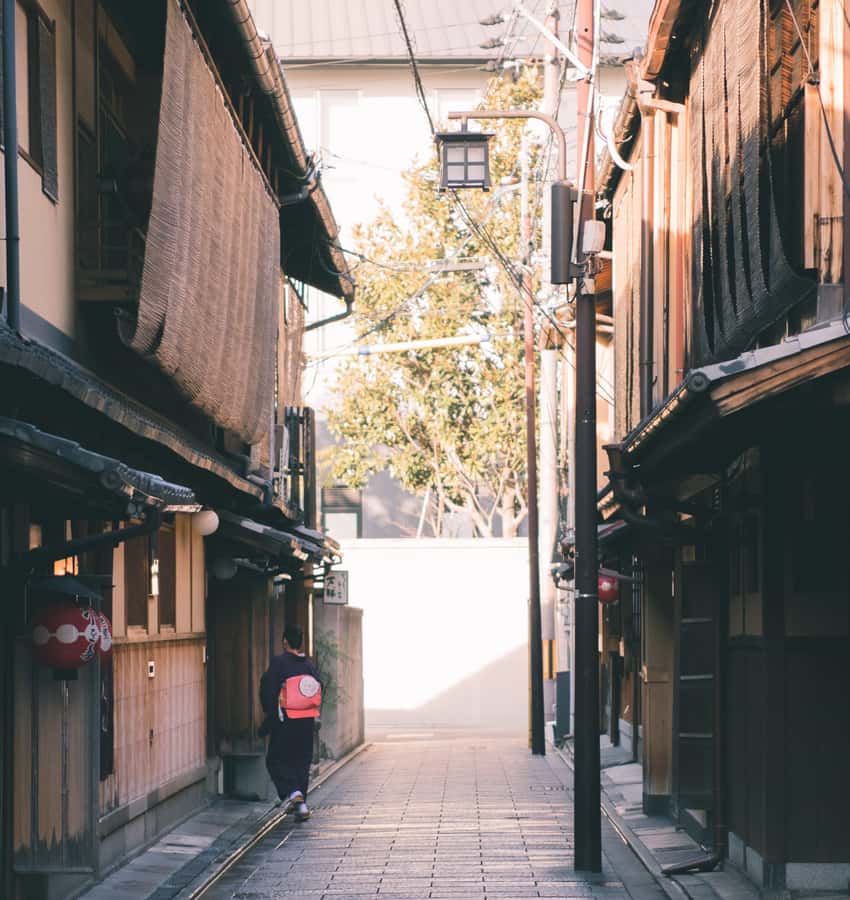
This is a walking tour, and it can include steps and hills, which matters because you’re out at night. Reviews praise some guides for matching pace to older travelers, but others mention the guide can walk fast and that there’s often not much time for slow sightseeing pauses.
So plan for an active evening:
- Wear comfortable shoes you trust.
- Bring comfortable clothes that handle nighttime chill.
- Keep expectations flexible if you need more breaks than average.
Also note two restrictions that affect comfort and planning:
- Baby carriages aren’t allowed.
- It’s not suitable for people with mobility impairments.
One more real-world consideration: itinerary changes can happen depending on weather, time of year, and access. That’s normal for a neighborhood walk—your guide’s job is to keep the route safe and workable.
Price and value: is $12 really a good deal?
At about $12 per person, this tour is priced low for what you actually get: a local guide, a structured nighttime route, a snack, geisha chocolate, and an omiyage souvenir. Meals aren’t included, but the snack and included treats help bridge that gap while you walk.
The value isn’t only the price tag. It’s what you’re buying:
- clarity about geiko vs maiko
- context for tea house culture and Gion’s history
- a night route that’s easier to navigate with a guide than trying to “DIY” the same understanding
If you’re someone who likes learning by walking and you want better context than a basic photo stroll, this is strong value. If you mainly want to relax with minimal walking or you need frequent restroom breaks, you may decide a different format fits better.
Who this Gion night walk suits best
This tour is a great fit if you:
- are seeing Gion for the first time and want direction fast
- enjoy explanations that help you recognize what you’re looking at
- like nighttime Kyoto atmosphere and river views
- want a snack and a souvenir without extra shopping stops
It’s not ideal if you:
- want a low-walking, sit-down experience
- need accessibility accommodations not supported by this route style
- expect daytime-level brightness for lots of photo-perfect shots
Guides often speak English, and past groups note it’s a comfortable experience for solo travelers, couples, and groups of different ages as long as everyone can keep pace.
FAQ
Where does the tour start and end?
It starts in front of the Disney store on the corner of Shijo Dori and Kawaramachi, with the guide holding a sign. The tour ends back at the same meeting point.
Is food included?
Food as a full meal is not included. You do get a traditional Japanese snack and geisha chocolate as part of the tour experience.
What souvenir do I get?
You receive a Japanese omiyage (souvenir) included in the package.
What should I bring for the night walk?
Wear comfortable shoes and comfortable clothes.
Is the tour suitable for people with mobility impairments?
No. It is not suitable for people with mobility impairments.
Are baby carriages allowed?
No, baby carriages are not allowed.
Does the tour include public transportation tickets?
No. Public transportation tickets are not included.
Should you book this Kyoto Gion night walk?
Yes—if your goal is to understand Gion, not just pass through it. For the price, you get a guided route that connects river views, tea house context, and the geiko/maiko distinctions you’ll actually want to remember later. The snack, geisha chocolate, and omiyage make it feel like a complete package rather than a basic stroll.
Don’t book it if you hate hills, steps, or active walking at night. Also skip it if you need lots of bathroom and water stops built into the plan.
If you’re comfortable walking and you want a guided way to make Gion click, this is the kind of tour that can turn a one-night visit into a story you’ll keep telling.
More Tour Reviews in Kyoto
Still in Gion? Keep Going

Just added: more Kyoto tours to browse








Gion & Geisha District Tours, compared.
 ★ 4.7Kyoto Geisha Walking Tour: Gion District & Hidden GemsFrom $253,273 reviews
 ★ 4.9Gion Magical Night Walking Tour with Geisha TriviaFrom $242,393 reviews
 ★ 4.7Gion Geisha District Walking Tour – Stories of GeishaFrom $202,187 reviews
 ★ 4.9Best of Kyoto: Gion, Geisha, Pagodas & CobblestonesFrom $242,058 reviews
 ★ 4.5Night Walk in Gion: Kyoto’s Geisha DistrictFrom $212,003 reviews
 ★ 5.0Kyoto Night Foodie Tour in Gion (9+ dishes + 6 Sake tastings)From $1631,762 reviews
 ★ 5.0Kyoto Gion Geisha District Walking Tour – The Stories of GeishaFrom $251,441 reviews
 ★ 5.0Kyoto Gion: 2-Hour Geisha Culture & History Walking TourFrom $231,186 reviews
Browse the lists this tour appears in