
Reviewed · FUSHIMI INARI SHRINE TOURS
Kyoto: Fushimi Inari Shrine Walking Tour
Fushimi Inari is more than a photo stop. I like how this tour turns the torii gates into a guided story of Inari worship, and I like the small-group size that keeps you moving with confidence. The only real drawback to plan for is the uphill walk, so wear shoes with real grip if your legs get tired easily.
You meet in the Fushimi area at 6:00 pm and head straight into the shrine grounds with a guide who helps you read what you see: fox statues, shrine rituals, and the logic behind the paths that climb toward viewpoints. If you want meaning behind the scenery, this is a straightforward way to spend your Kyoto evening without getting lost in the crowd.
In This Review
- Key highlights to look for
- Why this evening Fushimi Inari walk works so well
- Getting there: the Yamazaki meeting point and what to expect
- What you learn at Fushimi Inari-taisha before the climb
- Torii gates, fox statues, and rituals on the way up
- Pacing on the trails: views, reflection stops, and the real effort
- The value of a guide here (and why small groups matter)
- Price and included value: what $39.64 really buys you
- Who this tour is best for
- Quick decision guide: should you book this Fushimi Inari tour?
- FAQ
- Where does the tour start?
- What time does the tour begin?
- How long is the Kyoto: Fushimi Inari Shrine Walking Tour?
- Is the admission fee included?
- How big is the group?
- Does it include a guide and is the tour in English?
- Do I need to bring a paper ticket?
- What should I budget for besides the tour price?
- Is it near public transportation?
- Is this tour suitable for most people?
Key highlights to look for
- Meaning behind Inari and the fox: You’ll connect the shrine details to the beliefs and practices tied to Inari.
- Admission is included: Entry to Fushimi Inari-taisha is part of the tour price, so you skip the ticket-line hassle.
- A focused 2-hour route: You get time to walk the trails at a pace that still leaves you feeling oriented.
- Quiet-thinking viewpoints: The guide directs you to spots for pauses, reflection, and photos.
- Max 10 people: Fewer people means less waiting, less confusion, and easier question time.
- Mobile ticket: Your ticket is handled digitally for smoother check-in.
Why this evening Fushimi Inari walk works so well
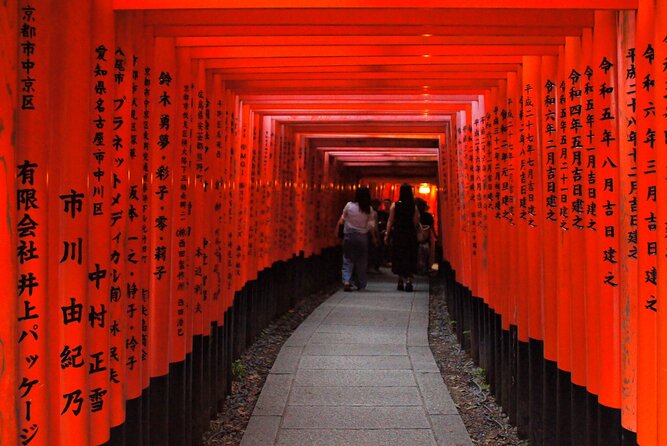
Fushimi Inari is famous for a reason: those orange-red gates keep pulling you deeper, gate after gate, until the mountain feels like a living tunnel of worship. The key difference with a guided walk is that you do not just “see” the shrine. You learn how people interpret it—so the statues and signs stop being random details.
This tour starts at 6:00 pm, which changes the vibe compared with midday sightseeing. You still get the full shrine atmosphere, but you’re aiming for a time when you can experience the complex without trying to force your way through every peak-moment group at once.
The biggest payoff is understanding the shrine as a working religious place, not a theme park. You’ll hear about Inari worship and the symbolism you’re walking past—so the gates, the paths, and the fox-related details start making sense as you move.
More walks up through the vermilion torii of Fushimi Inari



Getting there: the Yamazaki meeting point and what to expect
You start at a clearly marked meeting point: Daily Yamazaki Fushimi Inari Shrine (93 Fukakusa Inarionmaechō, Fushimi Ward, Kyoto 612-0881). The activity ends back at the meeting point, so you’re not left figuring out your way out when your legs are done.
The tour notes that it is near public transportation, which matters in Kyoto. It’s easy to plug this into the rest of your day—then head out refreshed, knowing you’ll have a guide handling the start.
You also get a mobile ticket, so you don’t need to hunt for printed vouchers. If you like keeping your plans simple, that’s a real quality-of-life win for a shrine visit.
What you learn at Fushimi Inari-taisha before the climb
At the start, your guide focuses on the shrine’s spiritual logic—especially the role of Inari and the fox deity associated with this place. That context matters because once you understand what people come here to honor, the shrine details feel less like decoration and more like language.
You’ll also get historical insights tied to the district and the shrine setting. Even if you’ve seen Fushimi Inari on postcards, this helps you notice things you might otherwise skip: how the worship experience is organized, why certain elements appear where they do, and what people pay attention to while walking.
This is the “stop thinking like a tourist” part of the tour. You’ll spend less time wondering what something is and more time noticing how it connects to the rituals and stories tied to the shrine.
Torii gates, fox statues, and rituals on the way up
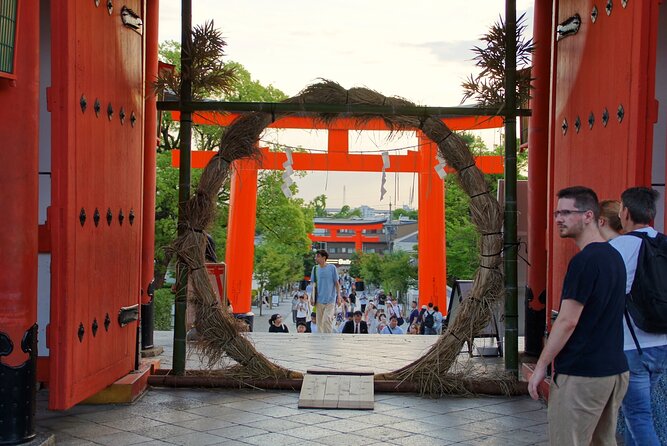
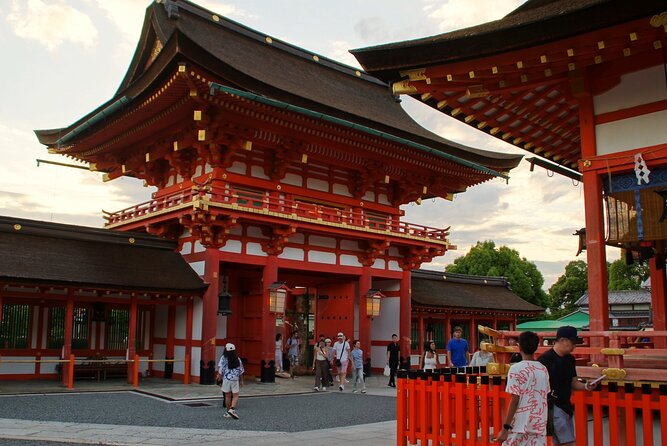
The main walking experience centers on Fushimi Inari-taisha itself—famous for those long lines of gates winding through a forested mountain path. You start inside the shrine area, then follow scenic trails upward, with your guide pointing out what’s worth attention along the way.
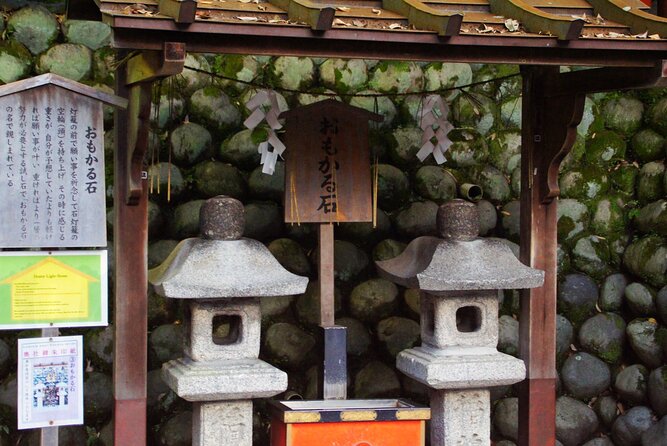
A standout focus is the meaning behind the fox-related elements. You don’t just get a vague explanation. The tour’s approach is to connect fox statues and shrine details to the stories and symbolism that explain why they’re there and what they represent.
You’ll also learn how rituals show up in everyday shrine life. The guide helps you recognize traditional practices as you pass them, which makes your walk feel more like observation with purpose than random sightseeing.
And because this tour is paced for learning, you’re not rushing through everything. You get time to look properly, not just glance at gates while walking past other groups.
Pacing on the trails: views, reflection stops, and the real effort
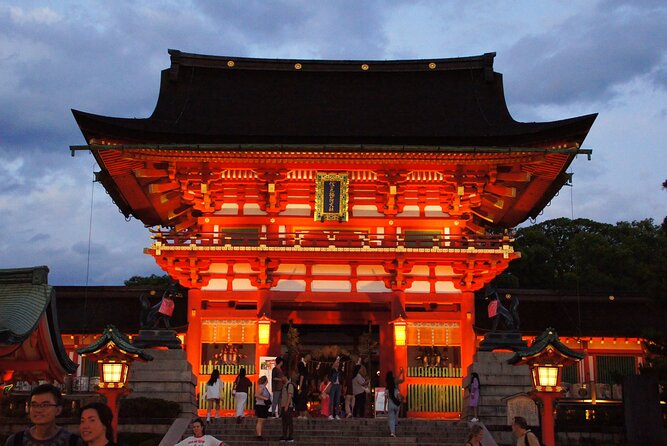
This walk is approximately 2 hours, but the shape of the time is what counts. Fushimi Inari includes a steady climb, and the tour experience is built around that: you’re meant to go upward through the trails, not just circle the entrance area.
One of the most praised parts of the guided format is pacing. The guide keeps you moving while still building in small pauses—especially for viewpoints and reflection. You’ll be directed to places that are better for photos and quieter for thinking, instead of just following the most obvious path the whole way.
That said, the climb is still a climb. If you’re someone who gets wiped out by stairs or steep trails, you should plan accordingly. Bring shoes that you trust on rocky, uneven ground, and pace yourself from the bottom so the middle of the climb does not feel like a surprise.
More temples and shrines to slow down in across Kyoto






The value of a guide here (and why small groups matter)
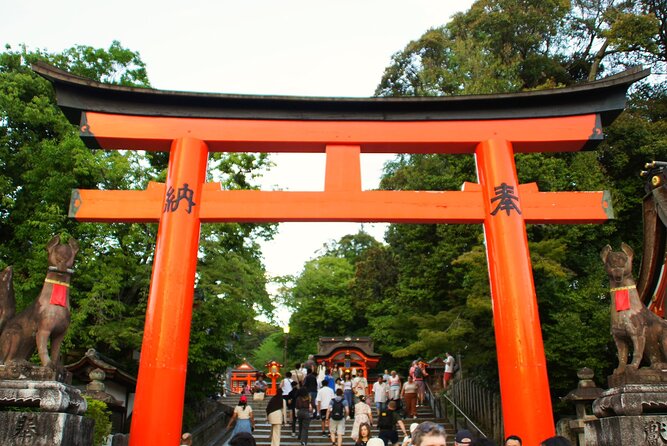
With a max group size of 10 travelers, the tour avoids the chaos that can happen in big shrine crowds. You’re not constantly waiting for the guide to re-group people, and you’re less likely to get separated at the turns between torii lines and trail branches.
In a place like Fushimi Inari, navigation can get tricky fast. The shrine is a maze of paths, gates, and side sections. Having someone else manage the route means you spend energy on seeing and learning instead of reading signs while walking uphill.
The tour is also designed for questions. The guide’s job is to connect what you’re noticing—fox statues, ritual details, gate symbolism—to the bigger picture of Inari worship. When you can ask in real time, your visit becomes more useful, not just more scenic.
Price and included value: what $39.64 really buys you
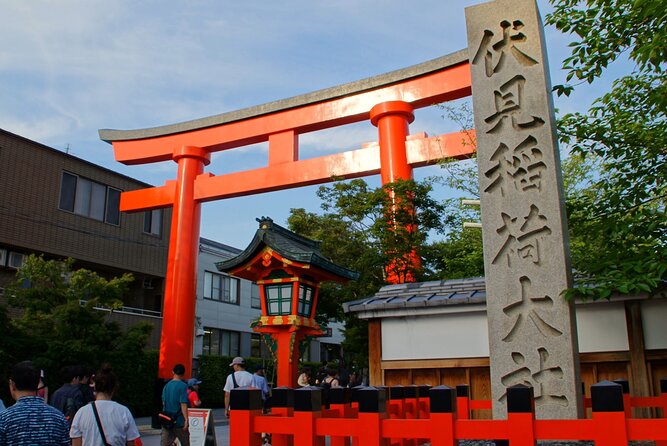
At $39.64 per person, the price looks simple on paper, but the value comes from what’s bundled:
- English-speaking guide
- Historical insights
- Entry/admission to Fushimi Inari-taisha
- Mobile ticket convenience
Admission is included, which is a practical deal on one of Kyoto’s most visited shrines. If you were buying entry on your own, you’d still be managing queues and timing. Here, the guide helps you start your experience efficiently.
What’s not included is also clear: food and drinks and tips (optional). That’s typical for walking tours, but it helps you plan. If you need a snack, grab it before you meet. Then you’re free to focus on walking and listening for the full 2 hours.
If you care about cultural meaning—why things are placed where they are, and what people are doing when they pause—this price feels fair. You’re paying for orientation, context, and time on the right trails, not just for someone to accompany you.
Who this tour is best for
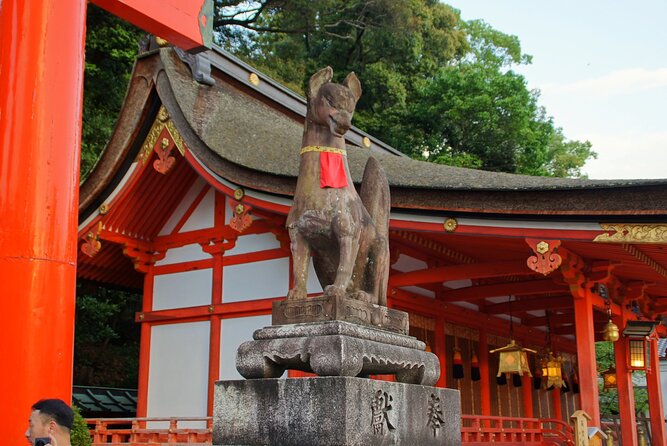
I think this tour is ideal if you want Fushimi Inari to feel like a cultural visit, not a checklist. It’s also a good choice if you’d rather spend your Kyoto evening learning how a shrine works and what its symbols mean.
It’s especially suited to:
- People who enjoy walking with structure and interpretation
- Anyone who wants help reading shrine details tied to Inari
- Travelers who prefer smaller groups to keep the visit calm and focused
You might skip it if you want a purely self-guided wander. Also, if the idea of an uphill climb is a hard no for your body, consider choosing a gentler plan.
Quick decision guide: should you book this Fushimi Inari tour?
Book it if you want your time at Fushimi Inari to make sense—torii gates, fox statues, and ritual moments explained as you walk. The combination of included admission, an English guide, and a max group size of 10 is the practical reason this works, not just the scenery.
Skip it if you only want a quick look at the most obvious gate corridors and you don’t care about learning what you’re seeing. This tour is built for understanding, with a bit of climbing involved, so match it to your priorities.
Cancellation is free up to 24 hours before the start time, so you have a little flexibility if your schedule shifts. Just remember the start is 6:00 pm, so plan your earlier evening accordingly.
FAQ
Where does the tour start?
The tour starts at Daily Yamazaki Fushimi Inari Shrine, 93 Fukakusa Inarionmaechō, Fushimi Ward, Kyoto, 612-0881, Japan.
What time does the tour begin?
The start time is 6:00 pm.
How long is the Kyoto: Fushimi Inari Shrine Walking Tour?
It runs for about 2 hours.
Is the admission fee included?
Yes. The tour includes entry/admission to Fushimi Inari-taisha.
How big is the group?
The tour has a maximum group size of 10 travelers.
Does it include a guide and is the tour in English?
Yes. It includes an English-speaking guide with historical insights.
Do I need to bring a paper ticket?
No. The tour uses a mobile ticket.
What should I budget for besides the tour price?
Food and drinks are not included, and tips are optional.
Is it near public transportation?
Yes, the meeting area is described as near public transportation.
Is this tour suitable for most people?
The tour notes that most travelers can participate, but it does involve walking trails on the mountain area of the shrine.
More Tour Reviews in Kyoto




More Kyoto Temples and Shrines
Fushimi Inari, a Few More Ways


Just added: more Kyoto tours to browse








Fushimi Inari Shrine Tours, compared.
 ★ 4.8Fushimi Inari, Kinkakuji, Bamboo Grove 1 Day Bus TourFrom $1224,316 reviews
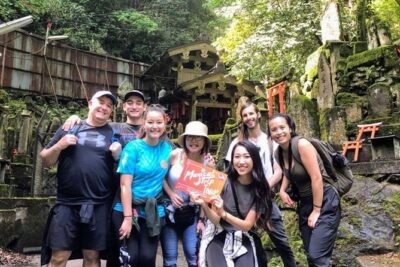 ★ 5.0Fushimi Inari Hidden Hiking Tour (Private Option Available)From $631,750 reviews
 ★ 4.7Kyoto/Osaka: Nara, Fushimi Inari Taisha, Arashiyama Bus TourFrom $521,275 reviews
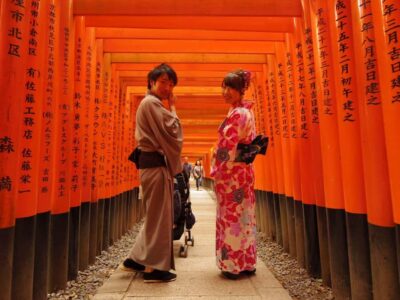 ★ 4.4Osaka/Kyoto: Arashiyama, Nara & Fushimi Inari Shrine w/LunchFrom $61754 reviews
 ★ 4.7Nijo Castle, Kiyomizu & Fushimi Inari Guided TourFrom $54700 reviews
 ★ 5.0Nijo, Kinkaku-ji, Arashiyama, Kiyomizu & Fushimi InariFrom $51699 reviews
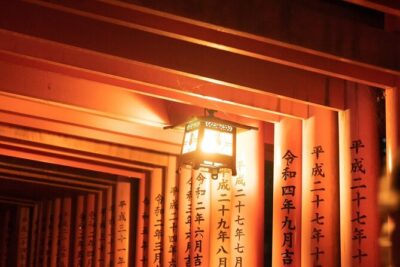 ★ 5.0Kyoto Fushimi-Inari Night Walking TourFrom $43320 reviews
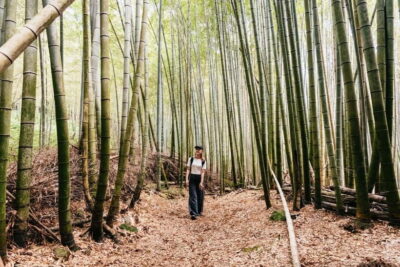 ★ 4.93-Hour Fushimi Inari Shrine Hidden Hiking TourFrom $72270 reviews
Browse the lists this tour appears in