
Reviewed · KYOTO FOOD TOURS
Kyoto Food Tour of 10 Tastings with Wagyu, Mochi & More Surprises
Kyoto food tastes better when someone guides your feet. This small-group walking tour strings together 10 tastings across classic neighborhoods, including a yuba tofu presentation and wagyu sushi, with stops that also cover Nishiki Market, the Pontocho/Kamo river area, and Gion. One thing to consider: the menu leans into fried and snack-style bites, and the guide’s English style may be quieter depending on who leads your group.
The route from Karasuma to Gion is designed for easy orientation, and you’ll start at a very findable spot—Starbucks by Karasuma Oike Station—with a guide who wears an orange umbrella. With a maximum of 10 people and a walking pace that keeps you moving between food stops, you’ll want comfy shoes and a bit of patience for crowds around Nishiki.
In This Review
- Key Things I’d Plan For
- The Big Idea: Kyoto’s Food Scene, With Built-In Direction
- Getting Oriented Fast: Star t at Karasuma Oike, Finish Near Yasaka
- Stop 1: Starbucks Orientation and Your Pace for the Day
- Stop 2: Katsudon at Kyoto Tonkatsu Katsuda Shijo Kawaramachi
- Stop 3: Nishiki Market—Where the Kyoto Twist Comes From
- Stop 4: Gion Streets, Pontocho Views, and the Kamo River Moment
- Stop 5: Kyoto-Style Okonomiyaki in a Quirky Little Restaurant
- Stop 6: Matcha Tea Tasting and the End-of-Tour Calm
- The Food Lineup: What You Can Expect to Taste
- Drinks and Tea: Beer, Sake, and Matcha Without Guessing
- Price and Logistics: Is $142 Good Value?
- Group Size, Guide Style, and How Much You’ll Learn
- Who Should Book This Tour
- Who Might Want a Different Plan
- FAQ
- FAQ
- Where does the tour start?
- Where does the tour end?
- How long is the Kyoto food tour?
- What food and drinks are included?
- Is hotel pickup included?
- Is the group size small?
- Do I need to bring cash or worry about tickets?
- Can the tour accommodate dietary requirements?
- Does weather affect the tour?
- When should I book?
- Should You Book This Kyoto Food Tour?
Key Things I’d Plan For
- Karasuma to Gion walking route: you cover sights and food in one line, not separate transport-and-eat plans
- Nishiki Market time that’s more than browsing: you get guidance while trying specific Kyoto items
- Yuba tofu + wagyu sushi focus: meat and tofu show up in memorable, Kyoto-specific ways
- Drinks included: draft beer plus a tasting of Kyoto sake, and tea to close
- Small group size (up to 10): easier pacing for tasting without feeling rushed
The Big Idea: Kyoto’s Food Scene, With Built-In Direction
Kyoto can feel like a food maze. You’ve got lanes packed with stalls, tiny restaurants tucked behind curtains, and menus where the best choices aren’t always obvious. This tour solves that by pairing food with a walk through the most logical areas—so you’re not spending your energy hunting.
What makes it especially useful is that it’s not only about eating. You’re also moving through photo-worthy Kyoto streets: Nishiki Market’s commercial buzz, then the softer approach toward Gion, including views around Pontocho and the Kamo river before you finish in the Minami Gion area.
The small group format matters here. With a maximum of 10 people, you’re more likely to get steady attention and a tour rhythm that lets you actually taste everything on the list instead of “fast-food sprinting” between stops.
Still hungry? More tastes of Kyoto
Getting Oriented Fast: Star t at Karasuma Oike, Finish Near Yasaka
Start is simple because the meeting point is a major landmark: Starbucks at the Kyoto Sanjo Karasuma Building (Karasuma Oike Station area). The guide meets you in front of Starbucks across the street from exit 5 of the Subway Karasuma Oike Station, and you’ll spot them by the orange umbrella. That’s a small detail, but it’s the kind that saves the first five minutes of your trip.
The end is also convenient for continuing your Kyoto day. You finish at the entrance of the Minami Gion district, with Gion Shijo Station on the Keihan Line just a couple of minutes away, and Yasaka shrine not far on foot. In practice, it means you can transition straight into evening stroll plans without backtracking.
And yes, you should treat this like a walking tour. The full route from Karasuma to Gion is done on foot, so bring comfortable shoes and expect the day to be active rather than “sit, sip, and snack.”
Stop 1: Starbucks Orientation and Your Pace for the Day
The first stop is more of a briefing than a food stop. You meet at Starbucks, the guide introduces the tour, and you get a sense of how the tasting portion will run.
This matters more than it sounds. When you know the structure—how tastings are spread out and what to expect—you can relax and taste rather than calculating what to eat next while you’re hungry.
Stop 2: Katsudon at Kyoto Tonkatsu Katsuda Shijo Kawaramachi
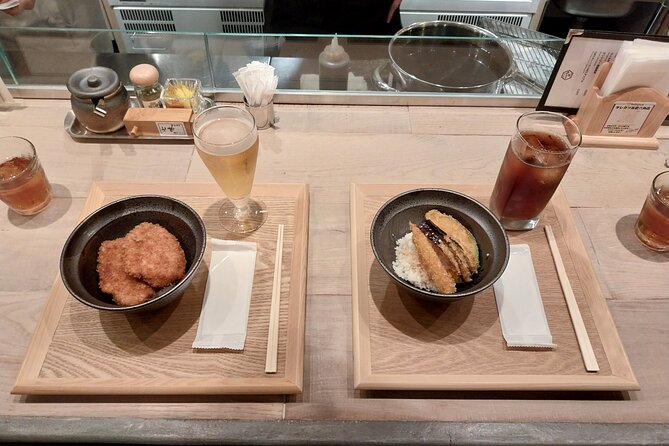
Your first real bite is katsudon, served with a sweet local twist. Katsudon is already comfort food—pork cutlet over rice—but the Kyoto-style flavoring is where this tour starts steering you away from “I’ve had this before.”
The time at this stop is short (about 30 minutes total, including tasting and moving). It’s a good opening because it gets you fed early, before the market crowd and the walking stretch into Nishiki.
A practical note: if you don’t love breaded, fried foods, this is the part of the day that could feel a bit more snacky than fresh. The tour includes other items too, but you should know the menu isn’t strictly light and clean.
Stop 3: Nishiki Market—Where the Kyoto Twist Comes From
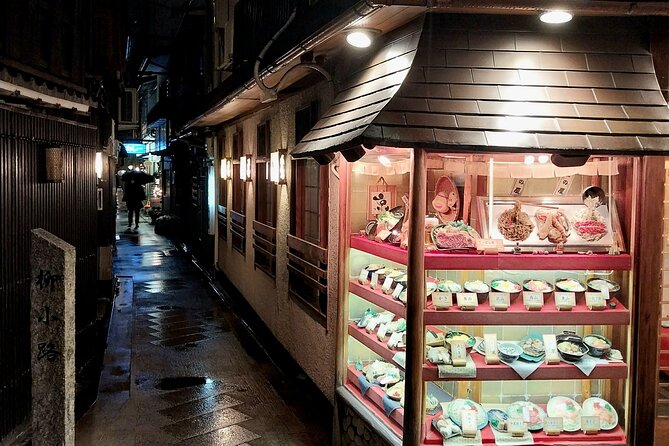
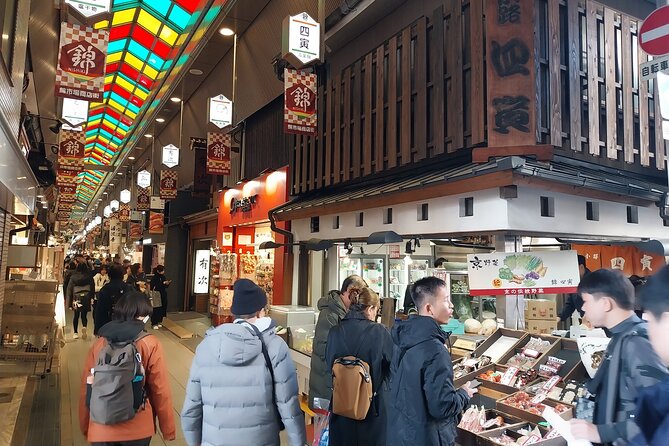
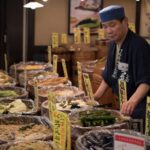
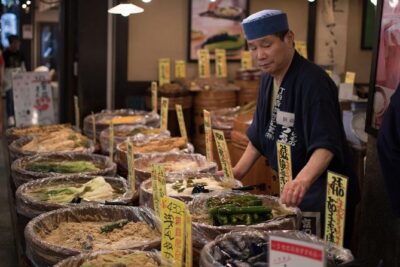
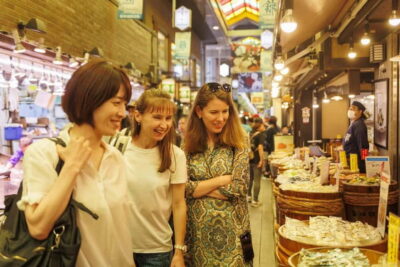
Nishiki Market is where the tour becomes more than just sampling. You get about 1.5 hours along the market street (around 400 meters), and the guide points out local artisans and the trades behind what you’re eating.
This stop is where you’re most likely to see the Kyoto-specific logic of the food:
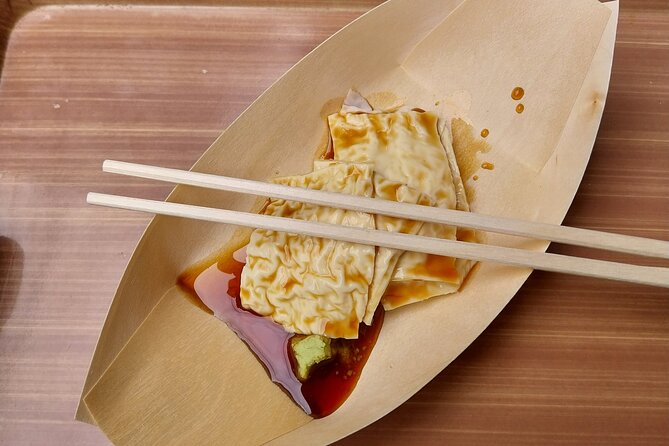
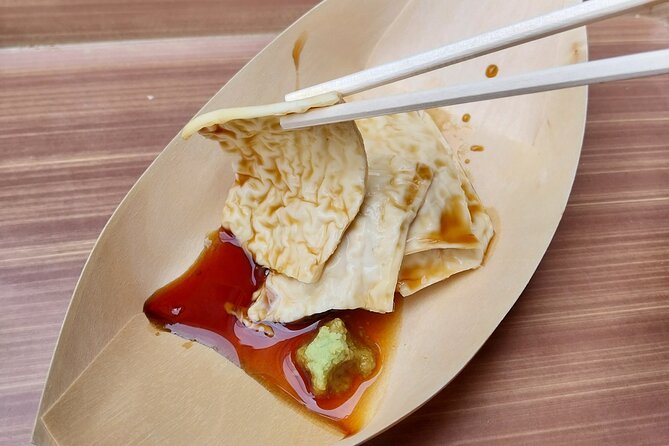
- Yuba tofu shows up as a featured tasting, and you also get a yuba tofu presentation
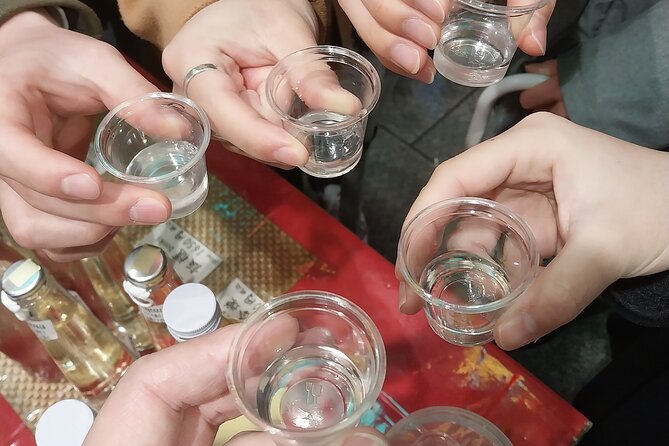
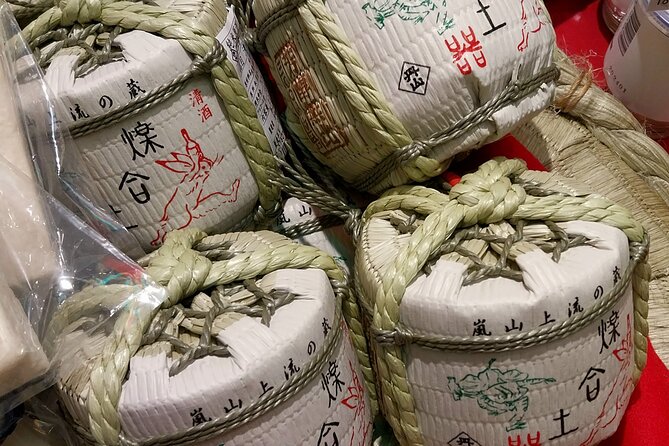
- Local sake is part of the tasting mix
- Fresh fish cakes appear with different flavors
There’s a reason this is a highlight for people who like food and context. The market isn’t just a strip of vendors; it’s a place where the same ingredients show up in multiple styles, and you can learn what changes between one bite and the next.
Also, this is a good time to watch your pace. Nishiki can get crowded, and food lines can form quickly. The tour’s walking rhythm helps you avoid the “hangry freeze” of trying to decide where to go next on your own.
Other Kyoto tours and experiences to compare

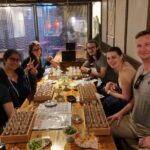
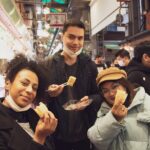
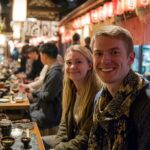
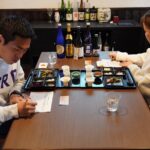

Stop 4: Gion Streets, Pontocho Views, and the Kamo River Moment
After Nishiki, you shift gears from eating-focused chaos to Kyoto’s street-scene calm. You walk through the areas near Gion, with a view of Pontocho and the Kamo river before reaching the Gion district.
This stretch does two things:
- It breaks up the tasting load so you’re not stacking heavy bites back-to-back.
- It gives you real Kyoto scenery that doesn’t feel separate from dinner plans.
If your Kyoto itinerary is mostly temples and photo stops, this portion adds something practical: a sense of how neighborhoods flow into each other, especially around riverside lanes.
Stop 5: Kyoto-Style Okonomiyaki in a Quirky Little Restaurant
This is where the tour leans into a cozy, sit-and-eat moment. You get okonomiyaki prepared the Kyoto way in a quaint restaurant, with time built in for a satisfying, hearty bite.
Okonomiyaki is already savory comfort, but the Kyoto-style approach is the point. It’s a reminder that even “street food classics” can have regional personality—how it’s built, how it tastes, and how it’s presented.
If your main interest is the tastings, this stop feels like the meal you’ve been working toward since the first pork cutlet. If your main interest is learning deep food history, you may find this portion more practical than lecture-style. The guide tone can vary depending on who leads your group.
Stop 6: Matcha Tea Tasting and the End-of-Tour Calm
The finish is a tea moment tied to Kyoto’s matcha culture. The tour includes a Japanese tea tasting (hot or cold), and you’ll stop at a well-known matcha venue depending on the season.
For me, tea at the end is the right move. After sweets and savory bites, tea resets your palate and makes the day feel complete rather than “just sugar and snacks all afternoon.”
This stop also includes the tour’s dessert element earlier in the route: daifuku mochi with seasonal fruit filling. So by the time you reach the matcha tasting, you’re closing out your tastings with something Kyoto experts take seriously—tea.
The Food Lineup: What You Can Expect to Taste
You’re in for a mix of Kyoto staples and Kyoto-specific versions. Based on the included items, here’s what the tour is designed around:
- Yuba tofu: presented and tasted as a Kyoto signature preparation
- Katsudon: with a sweet local twist
- Okonomiyaki: Kyoto-style savory pancake
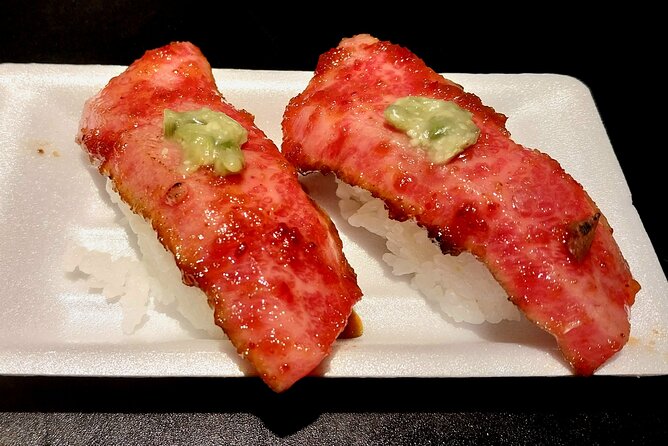
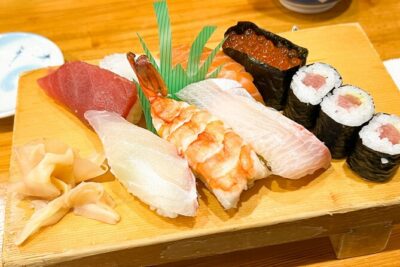
- Wagyu sushi: seared to perfection (a big “wow” bite for many people)
- Fresh fish cakes: handmade, with different flavors
- Daifuku mochi: seasonal fruit filling
- A secret dish that’s part of the overall tasting count
- A glass of draft beer
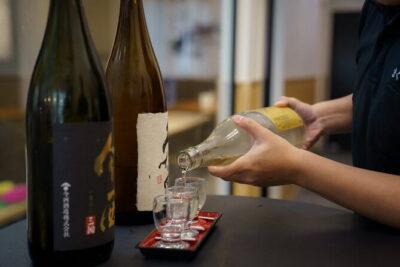
- Kyoto sake: a tasting of various sakes
- Japanese tea: hot or cold
One thing I appreciate about this lineup is that it spreads flavor categories. Even if fried items appear, you also get tofu, seafood-style bites, sushi, and sweets. That makes the overall tasting arc feel intentional rather than repetitive.
Drinks and Tea: Beer, Sake, and Matcha Without Guessing
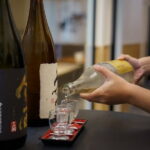
The drink inclusion is a major part of the tour’s value. You’re not just tasting food; you’re also getting a glass of draft beer and a tasting of various Kyoto sake. Then you cap it off with Japanese tea (hot or cold), often matcha-focused.
If you don’t want to overthink what to order in each stop, this is a big win. Someone else is handling the “which sake goes with which bite” planning. And if you’re not a heavy alcohol person, you can still enjoy the sampling approach at a comfortable pace.
Practical tip: bring a water bottle if you get thirsty while walking. The tour includes drinks, but Nishiki and Gion afternoons can be warm, and you’ll walk more than you expect.
Price and Logistics: Is $142 Good Value?
At $142 per person for about 3 hours 30 minutes, you’re paying for a package: guided tastings, multiple meals/snacks, and included drinks. The value isn’t that it’s cheap. It’s that you’re getting enough variety to cover a serious chunk of what you’d otherwise hunt down one by one.
On an average day, Kyoto food costs add up quickly once you’re trying multiple types—especially if you want wagyu-style items, sushi, mochi, and sake sampling. This tour bundles those tastes into one guided plan, which saves time and reduces decision fatigue.
There’s also a pacing benefit. A guide helps you avoid the chaos of picking lines, then getting stuck in the wrong spot when the group moves on. If you’ve ever tried to “DIY” Nishiki with a tight afternoon schedule, you know what I mean.
That said, the tour may not feel like perfect value if you mostly want fresh, light bites or if you want very detailed culinary explanations. Some people have found the selections leaning more toward snack-style fried items and less toward discussion-heavy detail. If that sounds like you, consider whether you prefer a more classroom-style food tour or a purely market-focused tasting plan.
Group Size, Guide Style, and How Much You’ll Learn
This is a small-group tour with a maximum of 10 travelers. That usually keeps things friendly and manageable, and it helps with moving through crowded areas like Nishiki.
Guide communication style can affect your experience more than the menu does. Some people described guides as very warm and friendly, while others noted that explanations could be limited or delivered quietly. If you want a lot of talk about what you’re eating—ingredients, technique, and deep context—go in with the understanding that your focus is primarily guided tasting and movement through neighborhoods.
If you do get a guide like Yuma or Tomoro (names that have come up with positive experiences), you’re likely to get a relaxed vibe and a fun walk with tastings that stay on track. Still, don’t expect every minute to be a food lecture.
Who Should Book This Tour
This tour fits best if you want:
- A guided Kyoto food walk that covers major neighborhoods in one go
- A structured way to try specific Kyoto items like yuba tofu and wagyu sushi
- Included drinks that simplify ordering
It’s also a solid choice for first-timers who feel overwhelmed by how many food options Kyoto offers.
Who Might Want a Different Plan
You might hesitate if:
- You strongly prefer fresh, non-fried snacks and want lighter bites
- You expect long, detailed meal-by-meal history and technique talk
- You’re comfortable building your own food crawl and buying items yourself
None of that makes the tour bad. It just means your preferences should match the tour’s style: guided tastings with a walking route, not a slow sit-down tasting menu with deep culinary lectures.
FAQ
FAQ
Where does the tour start?
It starts at Starbucks at the Kyoto Sanjo Karasuma Building area in Kyoto. Specifically, the meeting is in front of Starbucks across the street from exit 5 of the Subway Karasuma Oike Station.
Where does the tour end?
The tour ends at the entrance of the Minami Gion district. The closest subway station is Gion Shijo Station on the Keihan Line, and Yasaka shrine is a few steps away.
How long is the Kyoto food tour?
The tour runs about 3 hours 30 minutes.
What food and drinks are included?
Included items can include yuba tofu, katsudon, okonomiyaki, wagyu sushi, fresh fish cakes, daifuku mochi, a secret dish, draft beer, various Kyoto sake tastings, and a Japanese tea tasting (hot or cold).
Is hotel pickup included?
No. Hotel pickup and drop-off are not included.
Is the group size small?
Yes. The tour has a maximum of 10 travelers.
Do I need to bring cash or worry about tickets?
You’ll use a mobile ticket. Many admission items listed for stops are free as part of the tour.
Can the tour accommodate dietary requirements?
You should contact the provider in advance about any dietary requirements so they can cater as best as possible.
Does weather affect the tour?
Yes. The experience requires good weather. If it’s canceled due to poor weather, you’ll be offered a different date or a full refund.
When should I book?
The tour is often booked about 44 days in advance on average, so booking ahead is a smart move if you have specific dates.
Should You Book This Kyoto Food Tour?
Yes, if you want a guided, efficient way to taste Kyoto with less guesswork. The combination of Nishiki Market, the walk into Gion, and included tastings—especially yuba tofu and wagyu sushi—makes it a strong use of half a day.
I’d say skip it if your ideal food experience is mostly fresh and light, or if you need lots of detailed food explanations. In that case, you’d probably be happier with a more focused type of tour.
If you’re somewhere in the middle—excited to taste Kyoto and happy to walk—this one is likely to feel like money well spent.
More Tours in Kyoto




More Tour Reviews in Kyoto


More Kyoto Food Tours
Just added: more Kyoto tours to browse








Kyoto Food Tours, compared.
 ★ 5.0Kyoto Night Foodie Tour in Gion (9+ dishes + 6 Sake tastings)From $1631,762 reviews
 ★ 4.7Kyoto Night All-Inclusive Eats and Streets, Gion and BeyondFrom $92601 reviews
 ★ 4.5Kyoto Nighttime All-Inclusive Eats and Streets, Gion and BeyondFrom $119464 reviews
 ★ 5.0Gion Food Tour 13 Dishes at 4 EateriesFrom $72408 reviews
 ★ 5.0Kyoto Foodie Night TourFrom $102376 reviews
 ★ 4.9Gion & Pontocho Food Tour with 13 DishesFrom $82235 reviews
 ★ 5.0Gion Local Food Tour (Taste 15 Dishes)From $94171 reviews
 ★ 4.7Local Food Tasting Tour at the Nishiki MarketFrom $78135 reviews
Browse the lists this tour appears in