
Reviewed · WALKING TOURS
Kyoto Early Riser Platinum One-Day Walking Tour
Kyoto is at its best early in the day, and this tour is built for that rhythm. You start out with a private-group feel plus a professional guide, then hit Kyoto’s biggest cultural hitters in one long morning-to-afternoon sweep. If you care about Japanese culture and want to see a lot without feeling lost, this style of tour can be a smart use of your time.
I especially like the way the itinerary balances iconic Kyoto (torii gates, the Golden Pavilion) with a calmer slice of daily life (a shrine tied to academics, and a market where you can actually shop and taste). The main consideration: entry fees and transportation cost extra, and parts of the day involve public transit—so you’ll want to budget time and money for getting between areas.
In This Review
- Key points before you go
- Early start, private feel: the real reason this day works
- Price and value: what’s included, and what you should budget for
- The walking route: Fushimi Inari and Bamboo Forest before the day heats up
- Kinkakuji Golden Pavilion timing: the iconic stop that needs a plan
- Kitano Tenmangu and Kamishichiken: Kyoto’s shrine-and-performance side
- Nishiki Market shopping stop: tasting and buying without losing the thread
- Guide impact: what Gigi, Fuji-san, Seiyan San, and Meg add
- Practical tips so the day feels smooth (not rushed)
- Who should book this Kyoto early riser platinum tour
- Should you book this Kyoto Early Riser Platinum One-Day Walking Tour?
- FAQ
- How long is the Kyoto Early Riser Platinum One-Day Walking Tour?
- Is Kinkakuji Temple admission included in the price?
- What about public transportation costs?
- Is this tour private or shared with other groups?
- Where does the tour start and end?
- What if the weather is poor?
Key points before you go
- Private tour attention in a group-only format, so your guide can pace you
- Early starts that help you beat some crowds and the later heat
- Major Kyoto icons in one day: Fushimi Inari, Bamboo Forest Street, Kinkakuji
- A shrine with an education theme at Kitano Tenmangu and its student-focused vibe
- Nishiki Market time for shopping and tasting in a compact shopping stretch
- Plan for extra costs since Kinkakuji admission and transport aren’t included
Early start, private feel: the real reason this day works
Kyoto can feel like two different cities: quiet in the morning, chaotic later. This tour leans hard into the quiet part. You’re out early enough to make famous sights more photo-friendly and more comfortable to walk through before the day ramps up.
The other advantage is that it’s a private tour/activity, meaning it’s only your group. That matters more than you might think. When you’re touring on foot through Kyoto, the difference between a rigid mass tour and a guided day is time spent waiting, and time spent getting answers. A good guide can also help you structure breaks—so you don’t end up just power-walking from one “must-see” to the next.
One more detail I like: the “platinum” framing usually signals a higher-touch experience, and the guide roles described here are very practical—sharing context, answering questions, and adjusting pace so the day doesn’t feel like a checklist.
Other Kyoto tours and experiences to compare
Price and value: what’s included, and what you should budget for
The tour price is $130.79 per person. That number covers the core experience: a professional guide and the tour structure itself, plus you get a mobile ticket.
But two costs are listed as extra:
- Admission fee: ¥500 per person
- Public transportation: ¥1,700 per person
That doesn’t make the tour “bad value”—it makes it transparent. Kyoto entry costs and transit add up fast if you’re doing everything on your own, especially if you’re trying to connect neighborhoods efficiently. Here, you’re basically paying to have someone stitch the day together, so you spend less time figuring out the order and more time enjoying the stops.
I’d also pay attention to the booking pattern: it’s often booked about 52 days in advance. That’s a clue that people plan this early for timing reasons. If you’re traveling during busy seasons, booking earlier tends to help.
The walking route: Fushimi Inari and Bamboo Forest before the day heats up
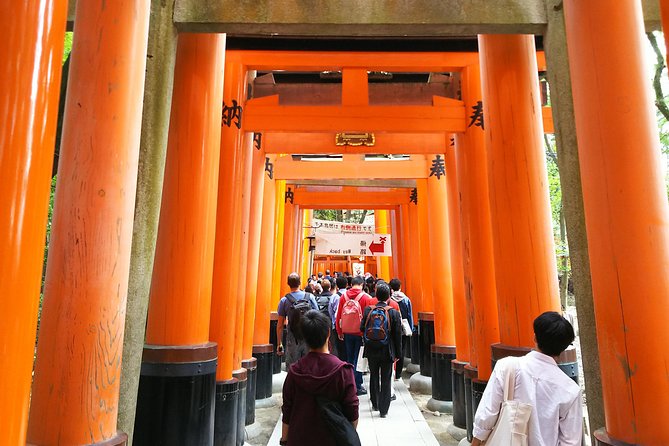
You start at Fushimi Inari-taisha Shrine. This is where Kyoto shows off at full volume: the famous tunnel of thousands vermilion torii gates. The experience here is less about one building and more about walking through a repeating pattern that pulls your eyes forward. Expect a strong photo moment and a very clear “you are in Kyoto” feeling the moment you arrive.
Plan for this stop to be around 1 hour, and note that admission is free. The early start helps because the torii corridors can get crowded later; in the morning you’re more likely to feel the place as a path, not a traffic jam.
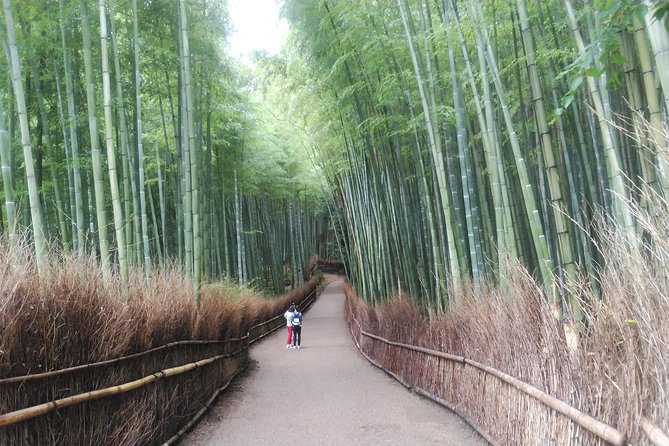
Next is Bamboo Forest Street, with about 1 hour 10 minutes on the route. The bamboo grove experience is all about sensory contrast: the rustle, the movement of light through leaves, and the quiet rhythm you get when you slow down. Bamboo can look like a postcard even without crowds, but the real win is when you get a little time to simply stand and look while the light shifts.
Both of these early stops are “free admission” in the tour format, which makes them a good value foundation for the day. They also set you up psychologically for what comes next—Kinkakuji will feel like the big cinematic payoff after the more atmospheric morning scenes.
Kinkakuji Golden Pavilion timing: the iconic stop that needs a plan
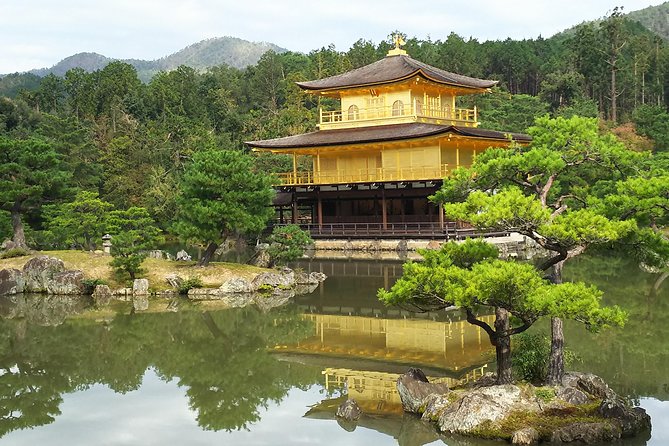
The third major moment is Kinkakuji Temple, the Zen temple famous for the Golden Pavilion. You’ll spend about 50 minutes here, and admission isn’t included (¥500 per person is listed as the extra fee).
Kinkakuji is popular, period. So the real question isn’t whether it’s worth it; it’s whether you can see it without feeling rushed or overwhelmed. Starting early and moving through the day in an order like this increases your odds of having a more comfortable viewing window.
Also, don’t treat the pavilion as a single “snap and go.” Even within the time limit, you’ll want to take a few minutes to notice different angles—because the golden surfaces and the reflections change depending on where you stand and the lighting conditions. If you’re the kind of traveler who enjoys comparing perspectives rather than only chasing the first photo, you’ll get more out of this stop.
Kitano Tenmangu and Kamishichiken: Kyoto’s shrine-and-performance side
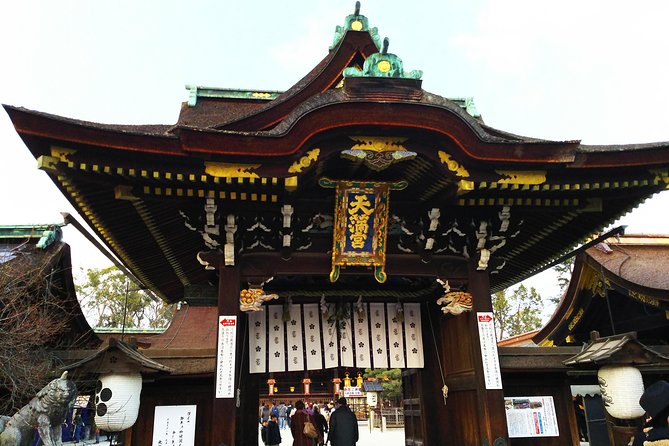
After Kinkakuji, you head to Kitano Tenmangu Shrine, with about 30 minutes. This is one of Kyoto’s interesting “story shrines,” because it’s tied to education. The shrine enshrines Sugawara no Michizane, known as the god of academics, and students come here to pray for successful examinations. That focus gives the place a different emotional tone than a shrine visit that’s purely scenic.
Admission is free, so the value here is all in the context your guide can share. If you like learning what locals come for—why they show up, what they’re hoping for—that’s where a guided hour can outshine solo sightseeing.
Next is Kamishichiken Kaburenjo Theatre, around 25 minutes, also free in this tour format. This stop sits next to the Kitano Tenmangu area and relates to Kamishichiken, one of Kyoto’s geisha districts (hanamachi). The tour description notes it has fewer geisha houses and references geiko and maiko—which matters because Kyoto’s geisha districts can feel very different from each other. Even without a full performance focus, the area gives you a sense of the “other Kyoto,” the one that lives on long after the big-name temples.
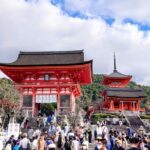
Nishiki Market shopping stop: tasting and buying without losing the thread
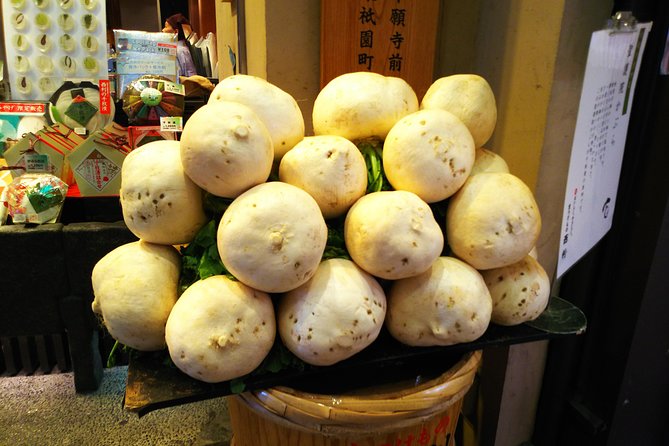
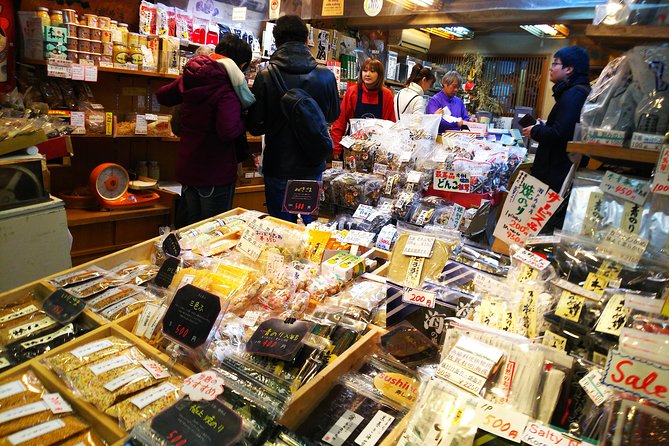
The day ends with time at Nishiki Market Shopping District, about 40 minutes. This is a favorite for a reason: it’s compact, established, and built around everyday food buying. The market is described as popular for around 400 years, with 126 shops lined up along a 390-meter stretch.
You’ll see Kyoto’s vegetables and pickles sold here, and there’s a big emphasis on tasting. This isn’t a “sit and admire” stop. It’s more like: snack, compare, buy a couple things you’ll actually eat at home, then wrap up before you’re too tired to enjoy the last leg of the day.
One practical tip: set a tiny budget for yourself before you enter. Markets can be dangerous in the best way—everything looks like it belongs in a gift bag. If you go in with a cap and a “must buy” list (like pickles or one specific ingredient you’ve heard about), you’ll leave happier and not overdo it.
Guide impact: what Gigi, Fuji-san, Seiyan San, and Meg add
A big part of this tour’s reputation comes down to guide style. Names like Gigi, Fuji-san, Seiyan San, and Meg show up in the experience descriptions with clear strengths: answering questions, finding scenic spots, and adjusting to the group’s interests.
The most useful guide behaviors for you are the practical ones:
- Helping you understand what you’re looking at as you’re looking at it
- Picking good photo spots without turning the day into a constant stoplight
- Keeping the rhythm of walking realistic, so you still enjoy the sights
- Getting lunch right—at least one guide was praised for setting up a delicious lunch spot
One guide detail that’s small but telling: Meg reportedly brought hand warmers at the start because she worried people might be cold. That’s the kind of thoughtful extra that can turn a long morning into something smoother.
Because this is an early-day walking format, guide care matters. You’ll feel it in the pacing and in how much you learn without feeling like you’re stuck listening nonstop.
Practical tips so the day feels smooth (not rushed)
Kyoto walking days are fun, but they punish bad planning. Here’s how to make this one feel manageable:
1) Budget for transit and get transit-ready.
Transportation is listed as ¥1,700 per person, and at least one note points out how helpful a Suica card is. If you don’t have an easy way to tap-and-go, you can end up doing change math mid-day, which steals time from sightseeing.
2) Wear shoes that can handle a full day.
The tour notes “quite a bit of walking.” That means comfortable, supportive footwear beats cute sneakers every time.
3) Plan for a non-stroller-friendly day.
The info says it is not stroller accessible. It’s also described as accessible for limited mobility and limited eye sight, but if you’re traveling with mobility aids or using a stroller, I’d treat this as a “confirm with the operator first” situation.
4) Pets: the info is mixed.
It notes animals or pets allowed, but also says not suitable for pets. If that’s relevant for you, treat it as a must-confirm before booking.
5) Keep your expectations aligned with the time limits.
You’re seeing a lot: torii gates, bamboo, the Golden Pavilion, a shrine tied to exams, a geisha district area, and Nishiki Market. That’s great if your priority is breadth. It’s less ideal if you want to linger in one place for hours.
Who should book this Kyoto early riser platinum tour
This tour is a strong match if you:
- Are a first-time visitor who wants a broad cultural sweep
- Like the idea of being in major areas early, before the day gets loud
- Prefer guided context over wandering alone
- Want a structured day that includes shopping and tasting at Nishiki Market
It’s also a good option if you’re the kind of traveler who enjoys neighborhoods on foot—this route mixes pilgrimage-style spaces with everyday market life and a shrine culture story.
If you hate public transit, you’ll still likely do some of it here. One caution from the tour feedback is that transit between stops can feel tedious, and it can cut into time for sight-seeing. So if you’re extremely transit-averse, you might want to compare this format to something with fewer transfers.
Should you book this Kyoto Early Riser Platinum One-Day Walking Tour?
I’d book it if your goal is simple: pack in Kyoto’s biggest cultural highlights with less guesswork and a guide who can keep the day moving at a pace you’ll enjoy. The early start is the hook, the guide support is the payoff, and the Nishiki Market time makes it feel like more than temples and photos.
I’d think twice if you want lots of unstructured downtime, dislike transit-heavy days, or you’re traveling with a stroller. Also, factor in the extra ¥500 admission and the ¥1,700 transport cost so the total doesn’t surprise you.
If you’re planning ahead anyway, this one is set up for people who book early and want Kyoto efficiently—without turning the day into a rush job.
FAQ
How long is the Kyoto Early Riser Platinum One-Day Walking Tour?
The tour is listed as approximately 8 hours.
Is Kinkakuji Temple admission included in the price?
No. Admission fee is listed as ¥500 per person and is not included.
What about public transportation costs?
Public transportation is listed as ¥1,700 per person, and it is not included in the base price.
Is this tour private or shared with other groups?
It’s described as a private tour/activity. Only your group will participate.
Where does the tour start and end?
The meeting point is Kyoto Station Building 901 (Shimogyo Ward, Kyoto), and the tour ends back at the meeting point.
What if the weather is poor?
The experience requires good weather. If it’s canceled due to poor weather, you’ll be offered a different date or a full refund.
More Walking Tours in Kyoto

More Tours in Kyoto
More Tour Reviews in Kyoto
Just added: more Kyoto tours to browse




Walking Tours, compared.
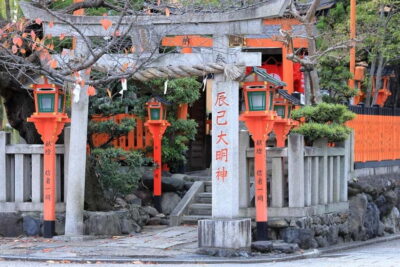 ★ 4.7Kyoto Geisha Walking Tour: Gion District & Hidden GemsFrom $253,273 reviews
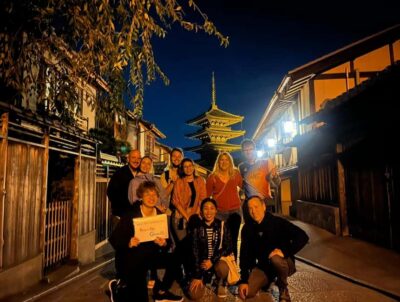 ★ 4.9Gion Magical Night Walking Tour with Geisha TriviaFrom $242,393 reviews
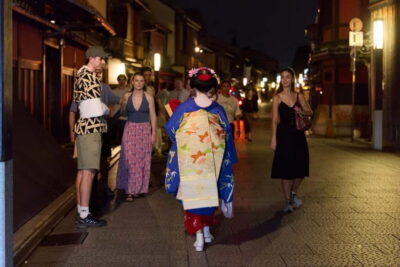 ★ 4.7Gion Geisha District Walking Tour – Stories of GeishaFrom $202,187 reviews
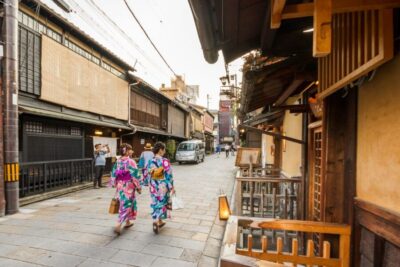 ★ 4.5Night Walk in Gion: Kyoto’s Geisha DistrictFrom $212,003 reviews
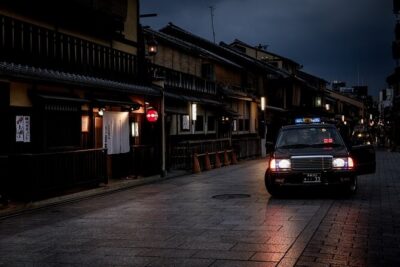 ★ 5.0Kyoto Gion Geisha District Walking Tour – The Stories of GeishaFrom $251,441 reviews
 ★ 5.0Nishiki Market Brunch Walking Tour (7 Tastings + Brunch)From $681,355 reviews
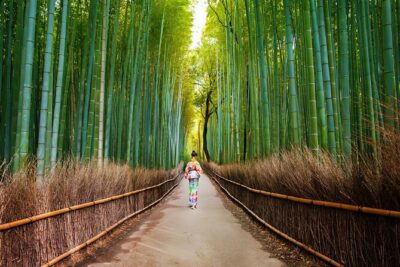 ★ 5.0Kyoto Arashiyama Walking Tour: Bamboo, Monkeys, Gardens & SecretsFrom $651,216 reviews
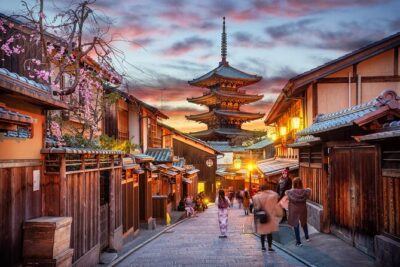 ★ 5.0Kyoto Gion: 2-Hour Geisha Culture & History Walking TourFrom $231,186 reviews
Browse the lists this tour appears in