
Reviewed · KYOTO TEA CEREMONIES
Kyoto: Authentic Tea Ceremony in a Small Group
An hour of quiet, then you whisk matcha. This small-group tea ceremony in Uzumasa is designed to slow you down in a real tea room, not a rushed show. You’ll enjoy a miniature garden setting and watch the graceful Urasenke tea procedure unfold, step by step.
I like that you also get top-quality ingredients: Marukyu Koyamaen matcha and Kyoto wagashi paired for a careful flavor match. Another big win is the hands-on part, where you whisk your own bowl and drink it as part of the ceremony.
One possible drawback: transportation isn’t included, so you’ll need to handle getting yourself to the Uzumasa meeting point (though it’s near public transit).
In This Review
- Key highlights at a glance
- Uzumasa Tea Room Energy: Quiet Heian Elegance in One Hour
- Haori, Garden Views, and the Setup That Changes How You Pay Attention
- What you’ll likely notice in the room
- The Urasenke Procedure: Watching First, Then Understanding
- Whisking Your Matcha: The Hands-On Moment That Makes It Stick
- Kyoto Sweets and Marukyu Koyamaen Matcha: Why the Pairing Feels Thoughtful
- Price and Group Size: Is $586.38 Worth It?
- Logistics That Matter in Real Life (and the One Thing to Plan)
- Who This Kyoto Tea Ceremony Fits Best
- Should You Book Chanoyu The KYOTO Uzumasa?
- FAQ
- How long is the Kyoto tea ceremony experience?
- How many people are in the group?
- What’s included in the experience?
- Do I wear traditional clothing during the ceremony?
- Will I get to make matcha myself?
- Is transportation included?
- What’s the cancellation policy?
Key highlights at a glance
- Private, up to 6 people, so the tea room stays calm and personal
- Urasenke tea procedure with explanations of how and why things are done
- Haori provided, so you can dress the part without planning ahead
- Miniature garden viewing arranged for the tea room moment
- You whisk matcha, then enjoy it with a second traditional sweet
- Kyoto wagashi + Marukyu Koyamaen matcha, selected for quality and pairing
Uzumasa Tea Room Energy: Quiet Heian Elegance in One Hour
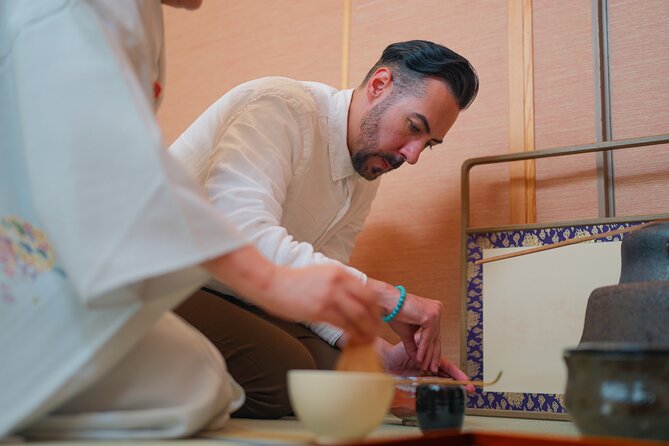
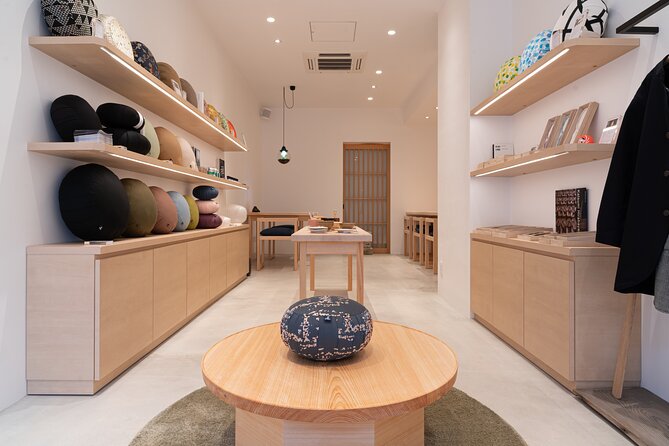
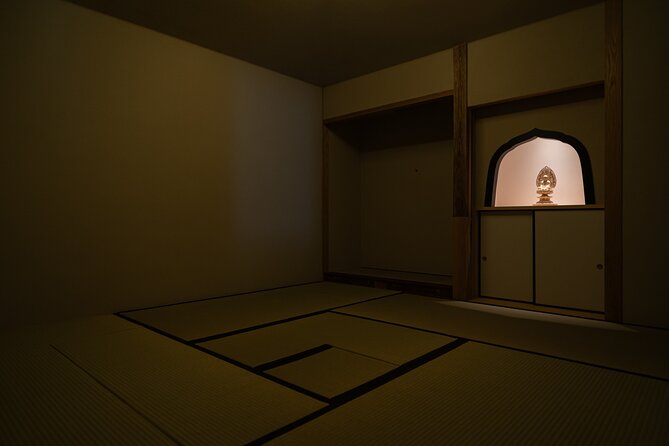
Kyoto has plenty of tea experiences, but this one is built around atmosphere and control of the moment. The setting is in Uzumasa, in Kyoto’s historic district, where the mood is meant to feel like it comes from another pace of time. You’re stepping into a space that’s intentionally styled—step in, look around, and notice how every corner supports the ceremony.
The experience runs about one hour, which matters more than it sounds. Tea ceremony isn’t about cramming facts into your head. It’s about doing a sequence with attention—how you hold your hands, how you wait, how you look—so the time feels focused instead of dragged out.
If you’re the type who wants a real cultural ritual (not just a snack and a photo), this format is a good fit.
Sit for another bowl of matcha in a Kyoto tea house


Haori, Garden Views, and the Setup That Changes How You Pay Attention
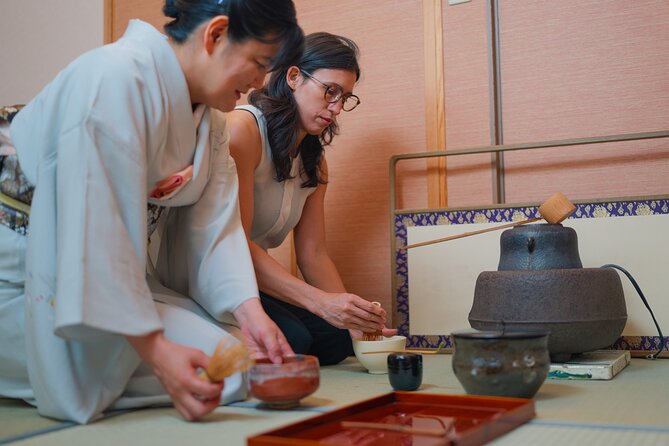
Right away, you’re given a traditional haori (a kimono-style jacket). It’s not just for costumes. It helps you physically slow down and behave more deliberately, because your body is a little more “guided” by the clothing.
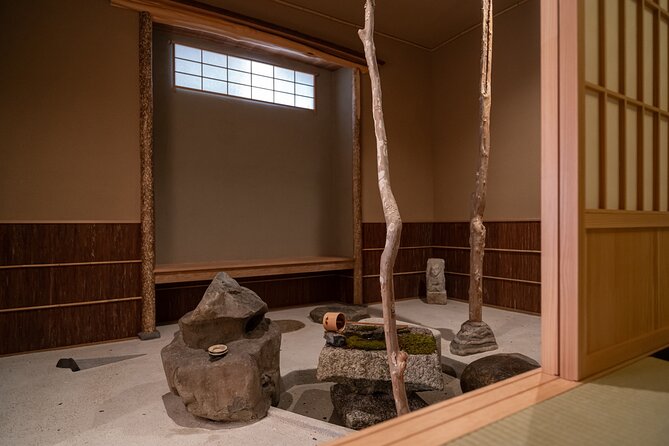
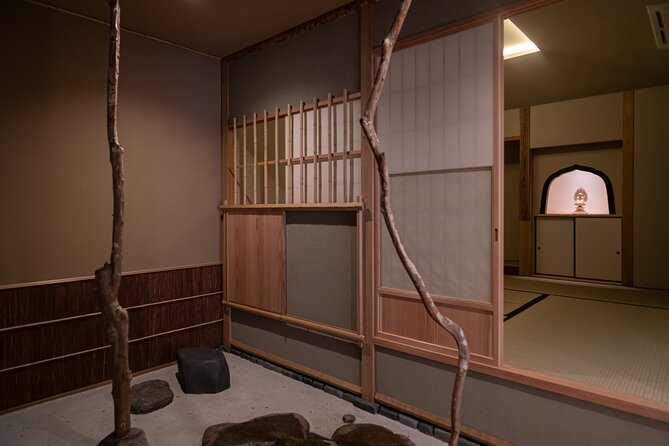
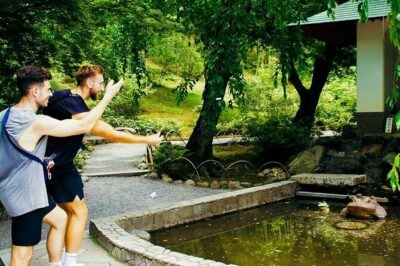
Then comes something I really appreciate: you’re invited to appreciate a meticulously designed garden inside the tea-room experience. Not every tea event focuses on the way the garden is used as part of the room’s storytelling. Here, the garden is treated as part of the ceremony space itself—something you should look at carefully before you start the main tea actions.
That order is smart. You settle your eyes first, then your mind follows.
What you’ll likely notice in the room
- How the tea room layout supports quiet watching
- How the garden view becomes part of your ceremony timing
- How the tone stays calm because the group size is small
The Urasenke Procedure: Watching First, Then Understanding
You’re not thrown straight into whisking. First, you observe the Urasenke tea procedure. That’s useful, especially if it’s your first tea ceremony. Seeing the flow before you repeat it helps you avoid the common beginner problem: doing steps without understanding what they’re for.
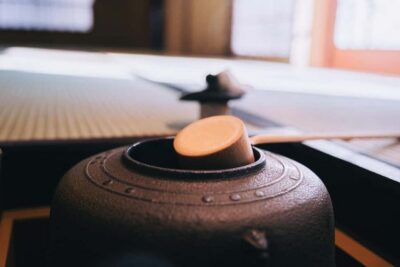
During the ceremony, you’ll also get an explanation of the history and cultural origins of chanoyu, plus the meaning behind the utensils. The goal isn’t to overwhelm you with museum-style facts. It’s to give you handles—why certain things matter, why certain movements are done the way they are.
From the feedback, a consistent theme pops up: people are impressed by how “real” the tools and setup feel, and how friendly, clear teaching makes it understandable even for first-timers. If you want to learn the culture behind the ritual, this is designed for that.
Whisking Your Matcha: The Hands-On Moment That Makes It Stick
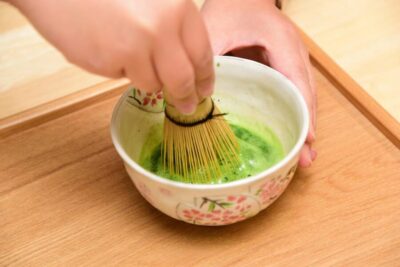
Next is the part that turns a tea viewing into a memory: you whisk your own bowl of matcha.
You’ll be guided through the process, and then you’ll enjoy what you’ve prepared. In a typical tea flow like this, the whisking moment gives your brain something physical to focus on. When you’re actually doing it—rather than just watching—you pick up the rhythm of chanoyu faster.
And then you get a second traditional sweet to go with the tea. That detail matters more than it seems. Matcha and sweets aren’t random pairings; they’re meant to work together so the flavors land in the right order.
If you care about tasting well, not just tasting a lot, this is the sweet spot.




Kyoto Sweets and Marukyu Koyamaen Matcha: Why the Pairing Feels Thoughtful
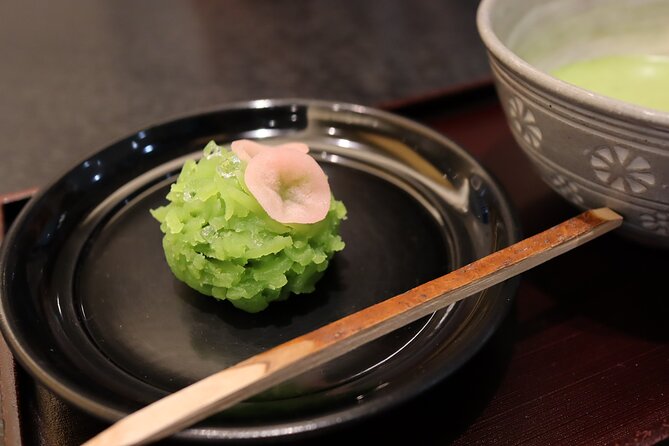
This ceremony leans hard on quality. You’ll be served exquisite Japanese sweets from a long-established Kyoto wagashi shop, paired with high-quality matcha from Marukyu Koyamaen.
Why this matters: matcha isn’t one uniform flavor. Different matcha styles can taste grassy, creamy, or more umami-rich, and that changes how the sweetness of wagashi hits your palate. A good tea ceremony experience doesn’t just hand you matcha and hope for the best—it supports a balanced, calm taste journey.
The choice of wagashi shop also signals intent. Wagashi is a craft, and you can usually tell when sweets are selected for how they’ll sit alongside matcha. Based on the strong repeat mentions of deliciousness, the pairing here is one of the main reasons people remember the event long after they’ve left Kyoto.
Price and Group Size: Is $586.38 Worth It?
The price is $586.38 per group, for up to 6 people, and the tour runs about one hour. That pricing looks steep at first glance—until you do the math.
If you fill the group:
- 6 people: about $98 per person
If you book for fewer people, the per-person cost rises. Since it’s a private experience (only your group participates), it’s easiest to justify if you’re traveling with friends or family and can share the group price.
What you’re buying isn’t just tea. You’re buying:
- a real tea-room setting in Uzumasa
- haori included
- utensils and procedure explanations
- a hands-on matcha whisking moment
- carefully selected wagashi + matcha pairing
Also, this gets booked fairly ahead of time—around 27 days in advance on average—so if you’re serious about a specific date, don’t treat it like a last-minute add-on.
Logistics That Matter in Real Life (and the One Thing to Plan)
The meeting point is Chanoyu The KYOTO Uzumasa (TEA CEREMONY) at:
- Kyoto, Ukyo Ward, Uzumasa Izumishikibuchō, 19 北1階
The big practical note: private transportation isn’t included. The good news is it’s near public transportation, so you’re usually not stuck coordinating a complicated arrival plan. Still, build in time to get there calmly. Tea works best when you’re not rushing.
The experience includes a mobile ticket, which makes entry easier—no printed voucher hunt right before your start time.
Who This Kyoto Tea Ceremony Fits Best
This tour works especially well if:
- you want a real tea ceremony with cultural context, not just a tasting
- you like hands-on learning, especially when someone slows you down and explains the meaning
- you travel with a small group and can take advantage of the up to 6 private setup
- you care about quality ingredients like Marukyu Koyamaen matcha and Kyoto wagashi
It’s also a solid choice for first-timers. The ceremony teaches the procedure and utensils, so you don’t need prior knowledge to participate.
If you’re the type who hates sitting quietly, this might feel too “slow.” But if you enjoy calm cultural moments—this one is built for that.
Should You Book Chanoyu The KYOTO Uzumasa?
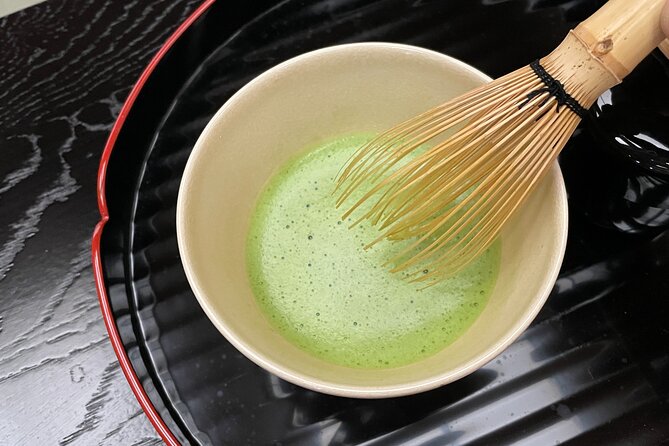
I’d book this if your Kyoto trip needs one experience that’s not about lines, crowds, or ticking boxes. The combination of Urasenke procedure, garden viewing, haori, and the chance to whisk matcha yourself gives you both meaning and a practical memory you can revisit later.
I’d hesitate only if getting to Uzumasa is a hassle for you or if you’d rather spend your hour elsewhere. Since transportation isn’t included, your comfort with public transit timing matters.
Bottom line: for the price, it makes the most sense when you can share the group cost—and when you want a tea ceremony that treats the ritual and the taste pairing as the main event.
FAQ
How long is the Kyoto tea ceremony experience?
It lasts about 1 hour.
How many people are in the group?
It’s a private experience for your group, with capacity up to 6 people.
What’s included in the experience?
You get Kyoto sweets and matcha, a chance to view a miniature garden, wear a haori, an introduction to the traditional tea utensils, and a brief explanation of the history and cultural origins of chanoyu.
Do I wear traditional clothing during the ceremony?
Yes. You’ll be provided and invited to wear a haori (a kimono-style jacket).
Will I get to make matcha myself?
Yes. You’ll be invited to whisk your own bowl of matcha, then enjoy it with the second traditional sweet.
Is transportation included?
No, private transportation is not included. The meeting point is near public transportation.
What’s the cancellation policy?
There is free cancellation. You can cancel up to 24 hours in advance for a full refund. If you cancel less than 24 hours before the start time, the amount paid isn’t refunded.
More Tour Reviews in Kyoto
One More Bowl of Matcha

Just added: more Kyoto tours to browse








Kyoto Tea Ceremonies, compared.
 ★ 4.9Tea Ceremony in a Traditional Tea House in KiyomizuFrom $493,519 reviews
 ★ 4.9Tea Ceremony Ju-An at Jotokuji TempleFrom $293,207 reviews
 ★ 4.345-Minute Tea Ceremony Lesson ExperienceFrom $222,378 reviews
 ★ 4.9Table-Style Tea Ceremony at a Kyo-MachiyaFrom $451,211 reviews
 ★ 5.0Kimono Tea Ceremony at Kyoto Maikoya, NISHIKIFrom $65911 reviews
 ★ 5.0Arashiyama Bamboo Forest, Monkeys, Matcha & Temple TourFrom $53759 reviews
 ★ 4.9Tea Museum Tickets and Matcha Grinding ExperienceFrom $23739 reviews
 ★ 4.9Kimono Tea Ceremony at Orizuruya GionFrom $49618 reviews
Browse the lists this tour appears in