
Reviewed · KINKAKU-JI & GOLDEN PAVILION TOURS
Kyoto and Nara 2-Day Tour: Golden Pavilion, Todaiji, Deer Park
Kyoto and Nara in two days feels like a sprint. It’s also a smart, guided way to hit the big icons without getting lost in the schedule, thanks to the professional help and tight timing. I like that you may travel with guides such as Naoko, Nick, Ryusuke, or Tomoko, who are praised for being organized and funny while explaining what you’re actually looking at.
I especially liked the value here: guide time, public transportation, and admission fees are included, so you’re not constantly doing ticket math while you’re standing in front of something you came to see. The other big win is the mix of iconic sights and “read the room” pacing, from the gold-leaf calm of Kinkakuji to the streets of Gion. You’ll also get an easy-to-manage plan that starts at Kyoto Station around 9:30 am.
One consideration: this is a good-weather plan, so if conditions are poor, you may be offered a different date or a full refund. Also, the day includes several walking stretches (including the bamboo area), so bring comfortable shoes and plan for moderate physical activity.
In This Review
- Key highlights you’ll care about
- Two Capitals in 48 Hours: Why This Kyoto-to-Nara Plan Works
- Price and Value: What’s Included (and Why It Matters)
- Day 1 in Kyoto: Golden Pavilion, Bamboo, Nijo Castle, and Gion
- Kinkakuji Temple: Golden Pavilion and the pond reflection effect
- Bamboo Forest Street: A quiet walk with about 1.5 hours
- Nijo Castle: Shogun power you can read in the rooms
- Gion: A respectful evening stroll in Kyoto’s geisha district
- Day 2 in Kyoto-Nara Link: Torii at Fushimi Inari and Nara’s Big Icons
- Fushimi Inari-taisha Shrine: How to enjoy the torii tunnel
- Todai-ji Temple: The scale shock at the Great Buddha Hall
- Kasuga Grand Shrine: Lanterns and the sense of age
- Guides Make It: What the Best Parts of This Tour Really Are
- Logistics You’ll Notice on the Ground
- Who This Tour Suits Best (and Who Might Skip It)
- Should You Book This Kyoto and Nara 2-Day Tour?
- FAQ
- How long is the Kyoto and Nara 2-Day Tour?
- What time does the tour start?
- Where do we meet and where does it end?
- Is this a private tour?
- What sites are included over the two days?
- Are admission tickets included?
- What’s included in the price besides admissions?
- What’s not included?
- Do I need good weather for this experience?
Key highlights you’ll care about
- Small, guided rhythm: a private tour where your group moves together and timing stays under control
- Golden Pavilion with context: not just photos, but the shogun-era meaning behind the scene
- Bamboo forest time: a longer stop (about 1.5 hours) designed for slow walking and quiet moments
- Nijo Castle interiors: explanations that make the castle feel less like walls and more like power
- Nara day hits the big three: Fushimi Inari, Todai-ji, then Kasuga Grand Shrine, with deer park time in the Nara plan
- Admissions handled: multiple entry fees are included, which saves time and reduces decision stress
Two Capitals in 48 Hours: Why This Kyoto-to-Nara Plan Works
Kyoto and Nara are the kind of places where a normal “just wander” day turns into a blur of lines, buses, and wrong turns. This tour is built to prevent that. You get a guided route connecting two former capitals, so the meaning of each stop lands faster than it does when you’re flying solo.
The overall pacing is designed around key sights you can recognize instantly from photos, but the guide work is what makes it click. In the reviews, guides like Naoko, Nick, Ryusuke, and Tomoko are repeatedly praised for being detailed, patient, and organized, which matters when you’re trying to understand what you’re seeing while your feet are moving.
And because it’s private with your group only, you’re not stuck adjusting to a huge crowd. It still feels like a group day, just with your own bubble and a guide steering the timing.
More gilded pavilions and raked gardens around Kyoto

Price and Value: What’s Included (and Why It Matters)
The price is $321.93 per person, and it’s commonly booked about 54 days in advance. That price can feel steep until you look at what you’re not paying separately.
Here’s what’s included: guide fee, public transportation, and admission fees. In practice, that means fewer “where do I buy this” moments and less time spent managing payments while you’re at major sites with time windows. It’s also easier for the guide to keep you on track when entrances are already covered.
What’s not included is the usual stuff: food and drinks, plus accommodation. So you’ll want to plan your meals on your own. I like doing that anyway, because it gives you control over what you eat when you’re tired, rather than being stuck with a group plan.
Day 1 in Kyoto: Golden Pavilion, Bamboo, Nijo Castle, and Gion
Day 1 keeps Kyoto’s highlights close enough that you can actually enjoy them instead of just collecting them. You’ll start near Kyoto Station, with an easy morning launch around 9:30 am, and then move through the city’s most recognizable cultural spaces.
This day is also a great mix of “wow” and “slow.” You’ll get a signature temple moment, a long bamboo walk to reset your senses, then history that explains how Kyoto served the shoguns, and finally Gion for an evening stroll through old Kyoto atmosphere.
If you like photos, you’ll get them. If you like understanding, you’ll get that too, especially because the guides are praised for sharing clear explanations and history context without turning it into a lecture.
Kinkakuji Temple: Golden Pavilion and the pond reflection effect
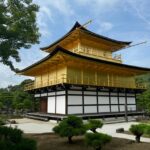
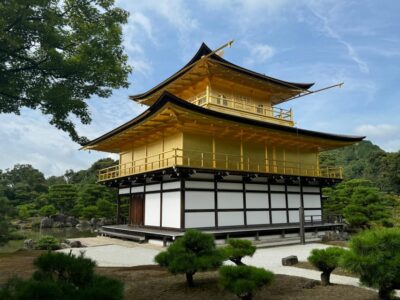
The tour’s first big stop is Kinkakuji Temple, the Golden Pavilion. It’s iconic for a reason: the gold-leaf hall is stunning, and the reflection on the pond makes the scene feel almost unreal. Even if you’ve seen it online, seeing the scale and the finish in person is what makes it memorable.
Time here is about 45 minutes, and that’s enough to look closely, absorb the setting, and still keep moving. The key is that the stop isn’t treated like a photo kiosk. You’re guided with context about how the temple connects to shogun-era power and the samurai world.
Practical tip: go in with patience. Kinkakuji is a famous spot, so you’ll want to give yourself a little time to find the best angles without rushing.
Bamboo Forest Street: A quiet walk with about 1.5 hours
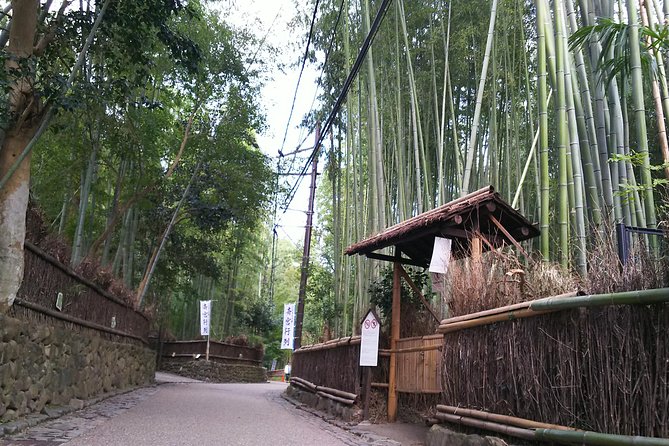
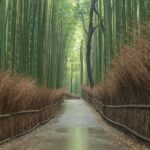
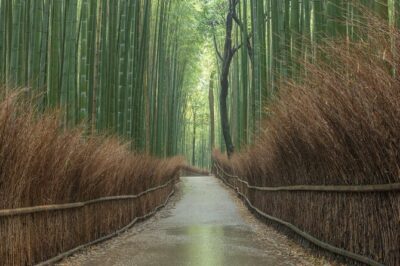
Next is the bamboo forest area, with roughly 1 hour 30 minutes allotted. That longer block is intentional. You’re not just walking through; you’re given time to slow down, listen, and notice how the bamboo stalks and leaves respond to movement.
This is the kind of stop that’s less about sightseeing checkboxes and more about switching gears from busy city energy to something calmer. In a good way, it feels like your brain gets a reset button.
Comfort tip: bamboo paths can be uneven and crowded, depending on the day. Wear shoes that won’t make you regret every step.
More day trips out to Nara and its bowing deer

Nijo Castle: Shogun power you can read in the rooms
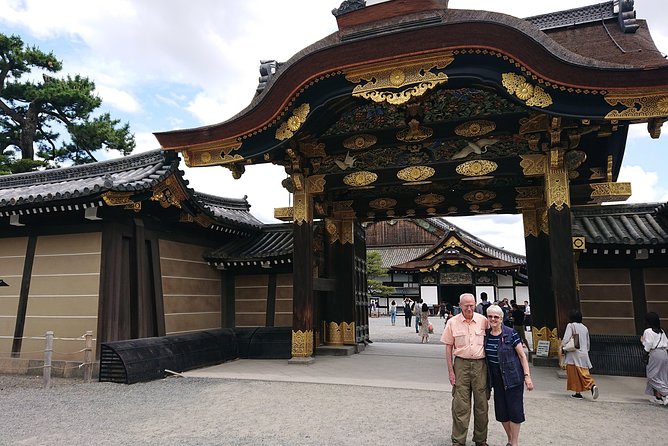
After bamboo, you head to Nijo Castle for about 50 minutes. The castle matters because it reflects the political shift of Japan’s leadership. Nijo Castle was built for the shogun’s visits to Kyoto, even after the shogunate’s main base moved toward Edo (Tokyo).
What makes this stop valuable is that you’ll get explanations about what you’re seeing inside—not just the exterior. In the reviews, Ryusuke (and others) are specifically praised for sharing history background in a way that sticks, which is crucial here. Castles can feel like “walls until someone explains the why.”
If you like learning while walking, this is one of the best spots on the itinerary for that. You come away understanding why the layout and details were designed the way they were.
Gion: A respectful evening stroll in Kyoto’s geisha district
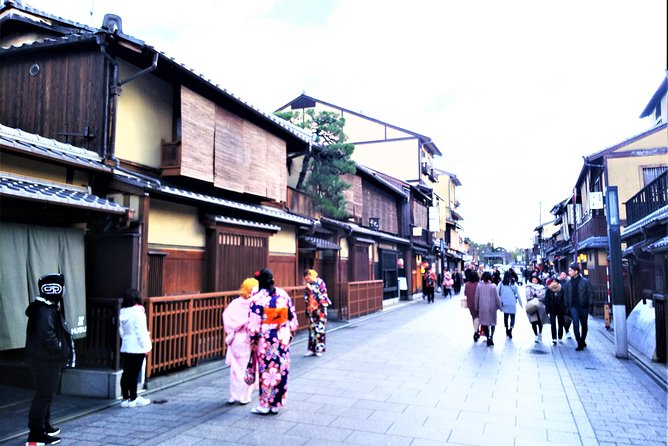
The day closes with Gion, one of Kyoto’s major geisha districts. You’ll get about 40 minutes for a stroll through the area’s old-style streets.
Here’s the practical angle: Gion is pretty, but it’s also a living neighborhood. Your guide’s job is to keep the vibe respectful and help you notice the details that make the district what it is, without turning it into something rude.
I also like that Gion is scheduled later in the day. You’re more likely to enjoy the atmosphere rather than battling the harshness of midday sunlight.
Day 2 in Kyoto-Nara Link: Torii at Fushimi Inari and Nara’s Big Icons
Day 2 moves from Kyoto into Nara’s spiritual and monumental sites. This is the day that delivers the strongest “Japan in one breath” feeling: a torii tunnel in Kyoto’s Fushimi area, then massive Buddhist architecture and a shrine packed with lanterns in Nara.
The order is also smart. You see Fushimi Inari-taisha Shrine first (about 45 minutes) for a powerful visual start, then you shift gears to the scale of Todai-ji (about 50 minutes), and finish with Kasuga Grand Shrine (about 40 minutes).
This day is where you’ll appreciate the guide the most, because each site has different symbolism. A good explanation helps you connect the dots fast.
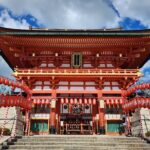
Fushimi Inari-taisha Shrine: How to enjoy the torii tunnel
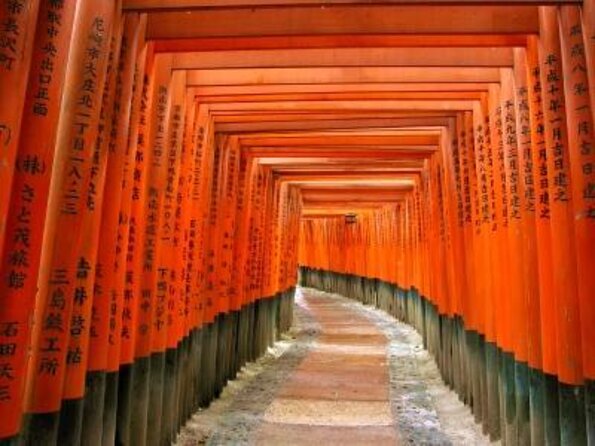
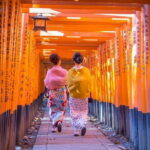
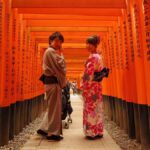
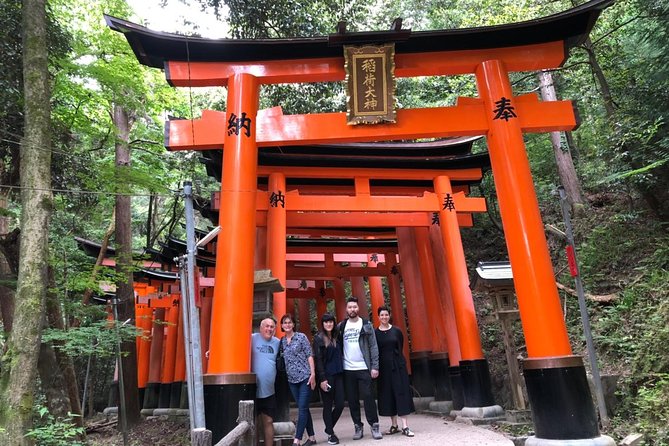
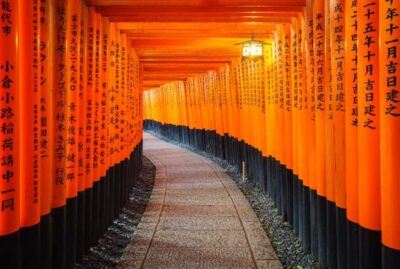
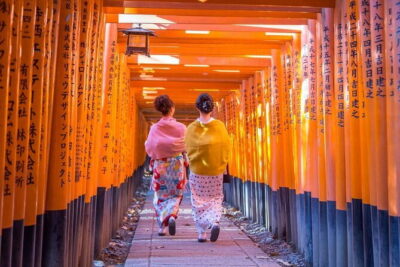
Fushimi Inari-taisha Shrine is famous for its long tunnel of vermilion torii gates. It’s a dramatic visual, and the schedule gives you time to actually take it in rather than rushing through.
Your stop includes about 45 minutes, which is enough to enjoy the entrance sequence and understand why the torii gates matter to the shrine’s story. The tour plan also lists that the torii gates were donated by worshippers in appreciation for good fortune, which adds meaning to the visuals.
Practical tip: if you want photos, decide early where you want them. The torii corridor is a set of repeated elements, so a tiny shift in where you stand can change the whole frame.
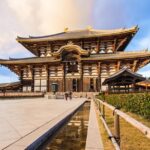
Todai-ji Temple: The scale shock at the Great Buddha Hall
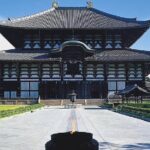
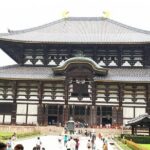
In Nara, your key stop is Todai-ji Temple. The highlight is the Buddha Hall, known as one of the largest wooden buildings in the world. When you enter, the scale can hit you before you even think.
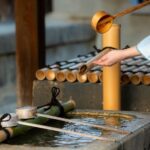
The tour includes time for cleansing rituals at the purification steps (hand and mouth cleansing are part of the experience flow). That ritual pause helps break up the intensity of sightseeing and gives you a moment of focus before you enter the main hall area.
You’ll spend about 50 minutes here, which is a good balance. Todai-ji has enough to keep you busy, but you’re not stuck all day in one location.
And yes, because this tour includes Nara’s deer park area, you’ll get the classic deer atmosphere that makes Nara feel different from Kyoto. Keep your senses up and follow your guide’s direction so the experience stays pleasant for everyone.
Kasuga Grand Shrine: Lanterns and the sense of age
To wrap up Nara, the plan includes Kasuga Grand Shrine, about 40 minutes. This shrine is described as being built roughly 1,300 years ago, and it holds about 1,000 branch shrines across Japan.
One detail that makes Kasuga especially memorable is the lanterns. The precinct has more than 3,000 lanterns, described as the largest in Japan. The contrast of vermilion elements against the shrine setting helps create a strong visual identity.
This is the kind of finish that feels meaningful. After Todai-ji’s massive architecture, Kasuga slows things down again with a more intimate shrine atmosphere, even though it’s crowded with lanterns.
Guides Make It: What the Best Parts of This Tour Really Are
The biggest praise in the reviews isn’t about temples. It’s about people.
Guides like Naoko, Nick, Ryusuke, and Tomoko get highlighted for being well organized, patient, and willing to adjust timing when needed. One review mentions a great sense of humor. Another notes patience and flexibility. Another focuses on detailed explanations of the history behind the sites.
That matters because Kyoto and Nara can feel like a list if nobody connects the dots. With a great guide, the same gold leaf and the same torii gates stop being just visuals and start becoming part of a story you can repeat later.
You also get a smoother day because transportation and admissions are handled. That reduces the “stress tax” that can show up when you travel independently.
Logistics You’ll Notice on the Ground
This is a private tour/activity, so only your group participates. That generally makes it easier to ask questions and keep the pace comfortable.
You’ll meet at Kyoto Station Building 901, address listed as 901 Higashishiokōjichō, Shimogyo Ward, Kyoto. The start time is 9:30 am, and the activity ends back at the meeting point.
You’ll need moderate physical fitness. That doesn’t mean you need to be an athlete, but you should expect walking between major sights and time at each location. The bamboo stop and temple areas are the parts most likely to test your comfort level.
Who This Tour Suits Best (and Who Might Skip It)
This tour is a good fit if you want a tight route, fewer logistics headaches, and a guide who explains what you’re seeing. It’s also ideal if it’s your first time linking Kyoto and Nara and you want the big headline sites without spending time planning every transit hop.
It may not be the best choice if you prefer total freedom or if you want to linger for long periods at just one location. This plan is structured, with set time blocks at major stops, so you can’t always stretch or shrink the schedule to your personal whim.
If you’re traveling with limited time and want maximum cultural return per day, this is built for you.
Should You Book This Kyoto and Nara 2-Day Tour?
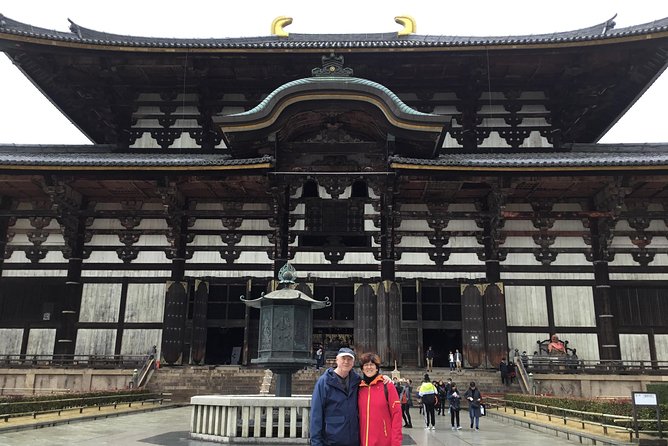
Book it if you want a guided, well-timed route that hits Kinkakuji, Kyoto’s bamboo area, Nijo Castle, and Gion, then transitions to Fushimi Inari, Todai-ji, and Kasuga Grand Shrine with Nara’s deer park atmosphere included. The included admissions and public transportation alone cut down on decision fatigue.
Consider a different option if you’re the type who needs to wander at your own speed without fixed stop lengths, or if weather sensitivity will make you nervous. Since the plan requires good weather, it’s worth being flexible in your overall schedule.
If you care about getting the story behind each place, and you appreciate guides who stay organized (Naoko, Nick, Ryusuke, Tomoko are specifically praised), this one is an easy yes.
FAQ
How long is the Kyoto and Nara 2-Day Tour?
It runs for about 2 days. The listed stop durations total roughly what you’d expect for a structured two-day sightseeing plan.
What time does the tour start?
The tour starts at 9:30 am.
Where do we meet and where does it end?
You meet at Kyoto Station Building 901 (901 Higashishiokōjichō, Shimogyo Ward, Kyoto). The tour ends back at the same meeting point.
Is this a private tour?
Yes. This is listed as a private tour/activity, meaning only your group participates.
What sites are included over the two days?
The included stops are Kinkakuji Temple, Bamboo Forest Street, Nijo Castle, Gion, Fushimi Inari-taisha Shrine, Todai-ji Temple, and Kasuga Grand Shrine.
Are admission tickets included?
Yes. Admission fees for the included sights are listed as included.
What’s included in the price besides admissions?
The tour includes the guide fare and public transportation fare.
What’s not included?
The tour lists food and drinks and accommodation as not included.
Do I need good weather for this experience?
Yes. The experience is noted as requiring good weather. If it’s canceled due to poor weather, you’ll be offered a different date or a full refund.
More Tour Reviews in Kyoto
More Nara Day Trips
More Golden Pavilion and Temple Tours

Just added: more Kyoto tours to browse





Kinkaku-ji & Golden Pavilion Tours, compared.
 ★ 4.8Fushimi Inari, Kinkakuji, Bamboo Grove 1 Day Bus TourFrom $1224,316 reviews
 ★ 4.1Osaka/Kyoto:Kinkakuji,Arashiyama,FushimiInariShrine,NaraParkFrom $661,596 reviews
 ★ 5.0Nijo, Kinkaku-ji, Arashiyama, Kiyomizu & Fushimi InariFrom $51699 reviews
 ★ 4.9Best of Kyoto: Ginkakuji & Path of Philosophy E-Bike TourFrom $6979 reviews
 ★ 4.7Kinkakuji, Golden Pavilion Guided TourFrom $6471 reviews
 ★ 5.0Kyoto top must-see Golden pavilion and Bamboo forest half-day Private tourFrom $12252 reviews
 ★ 5.0Kyoto Bamboo Forest & Golden Pavilion E-Bike TourFrom $9950 reviews
 ★ 4.6Osaka/Kyoto: Katsuoji, Kinkakuji, Arashiyama 1-Day Bus TourFrom $5633 reviews
Browse the lists this tour appears in