
Reviewed · KYOTO COOKING CLASSES
Kyoto|10 miso & soup tastings, miso balls & light meal
Kyoto has a way of turning everyday food into something worth paying attention to. Here, you go from staring at miso shelves to tasting the differences that make Japanese cooking feel personal. The format is simple: 10 misos and miso soups, short lessons you can actually use, and a small hands-on moment that ends with a light meal.
I like this experience most for two reasons: the side-by-side tasting makes “miso is miso” quickly stop being true, and the miso balls activity gives you an easy take-home way to keep cooking with your favorites. The session runs at a calm pace, and the small group size helps you ask questions without feeling rushed.
The only real drawback to plan for is language clarity. English is offered, but if you’re picky about hearing every explanation perfectly, you’ll want to ask follow-up questions during the tasting so you don’t miss the key comparisons.
In This Review
- Key things to know before you go
- The Miso Workshop That Turns Confusion Into Choices
- 90 Minutes of Tasting, Teaching, and Taking Home Miso
- Step 1: Intro with a quiz and visual explanations
- Step 2: Taste 10 types of miso and miso soup
- Step 3: Pick your favorite miso and make miso balls
- Step 4: A light meal using different miso styles
- Taste 10 Miso Styles: What You Should Actually Notice
- Hands-On Miso Balls: A Small Skill With Big Practical Payoff
- Toppings: make it yours
- The Light Meal: Seeing Miso in Action, Not Just on a Spoon
- Price and Value: Is $56 Worth 90 Minutes?
- Getting There in Central Kyoto: Stations Within Easy Reach
- Dietary Options and Comfort: Plan Like a Smart Eater
- Language and Group Size: Small Helps the Big Questions
- Who Should Book This Miso Workshop?
- Should You Book This Kyoto Miso Workshop?
- FAQ
- How long is the Kyoto miso workshop?
- What is the price per person?
- Where is the meeting point, and how close is it to transit?
- What languages are used during the class?
- What will I taste during the session?
- Do dietary restrictions have options?
- Can I choose toppings for the miso balls?
- Is there flexibility with booking and cancellation?
Key things to know before you go
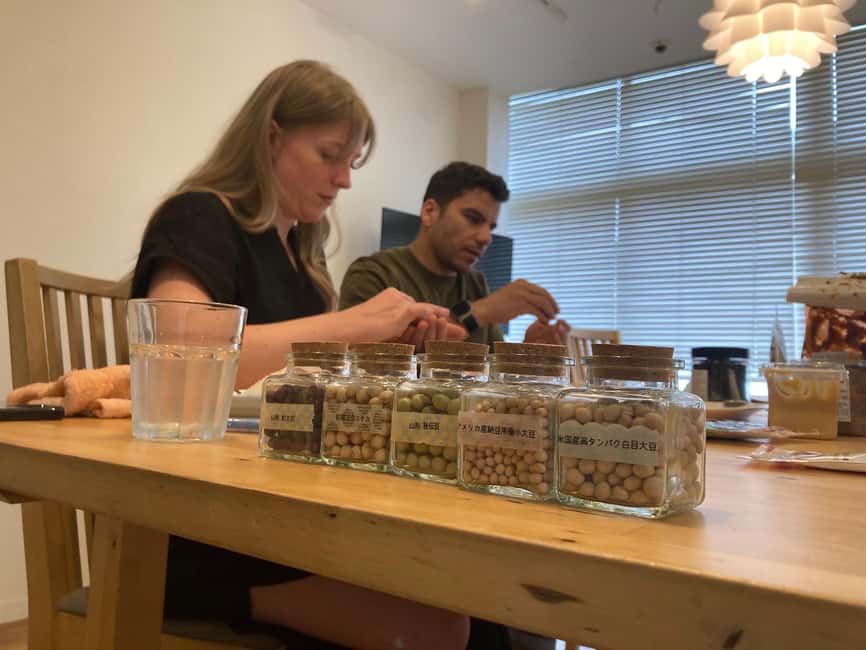
- 10 tastings in one sitting so you can compare aroma, richness, and saltiness fast
- Fermentation + region explained in plain language so colors and flavors make sense
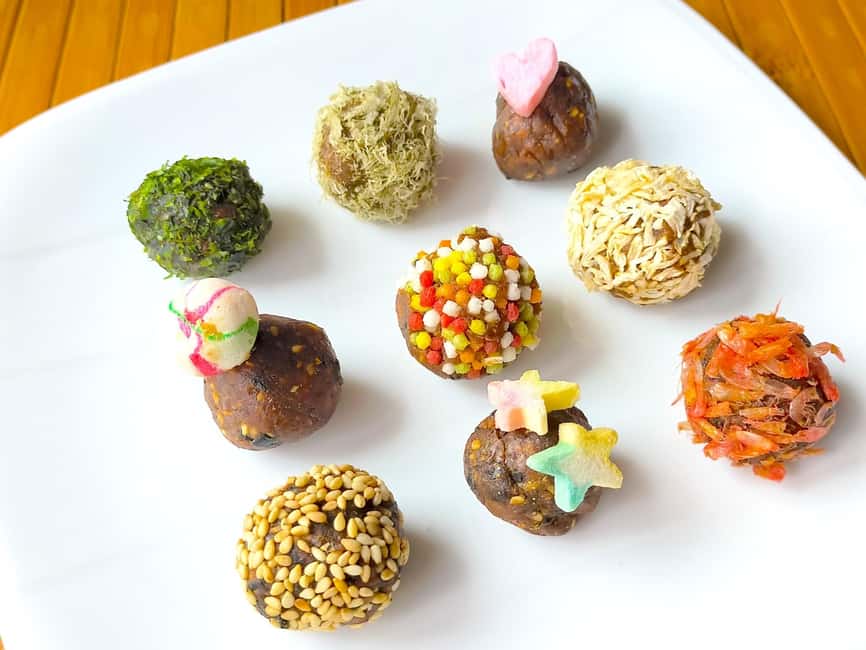
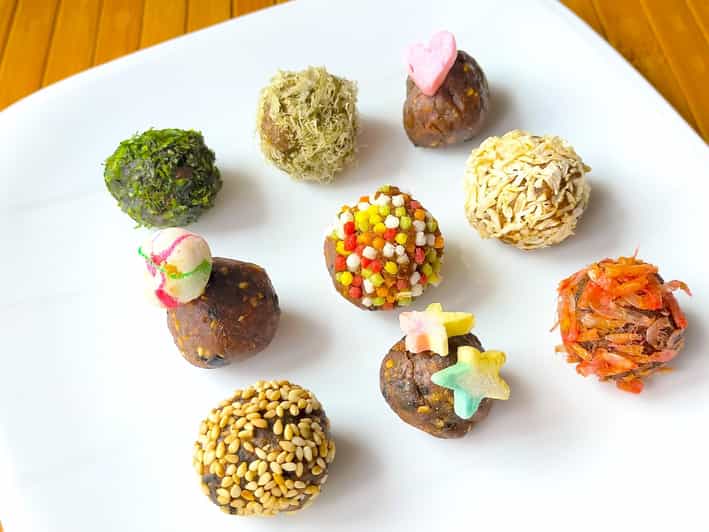
- Hands-on miso balls with your own topping choices, ready for a quick soup at home
- Light meal using different miso styles so you see how miso acts in everyday cooking
- Small group (max 5) for more attention and easier questions
The Miso Workshop That Turns Confusion Into Choices
If you’ve ever stood in front of Japan’s miso shelves thinking, I have no idea what to buy, this is the kind of class that fixes that problem fast. Miso is everywhere in Japanese kitchens, but the sheer range can overwhelm you. This workshop takes that confusion and turns it into comparisons you can taste and remember.
I also like that it doesn’t pretend miso is mysterious magic. You get practical context—what miso is, how it’s fermented, and why regional styles taste different—then you apply it immediately through tasting and cooking. In short: you learn by eating, not by memorizing.
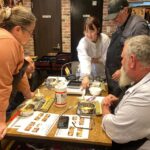
Roll up your sleeves for another Kyoto cooking class

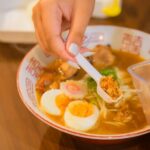
90 Minutes of Tasting, Teaching, and Taking Home Miso
The whole experience is 90 minutes, and it stays focused from start to finish. You’ll move through a short interactive intro, a tasting-focused middle, and a hands-on end where you make miso balls and enjoy a light meal.
The structure matters. Instead of learning random facts, you get a basic framework first, then your palate does the work. That’s why the workshop feels short in the best way: you leave with a clearer “what to buy” mindset, plus something you can actually use when you’re back home.
Step 1: Intro with a quiz and visual explanations
You start with an introduction that includes a fun quiz and visual tools. You’ll cover things like miso history, regional varieties, and what differences in color can mean. You also get a straightforward explanation of fermentation—how the ingredients and process shape flavor—plus the cultural importance of miso in everyday meals.
This first step helps you taste with intention. When you know what to notice (aroma, richness, balance), the later tasting stops being a random food parade.
Step 2: Taste 10 types of miso and miso soup
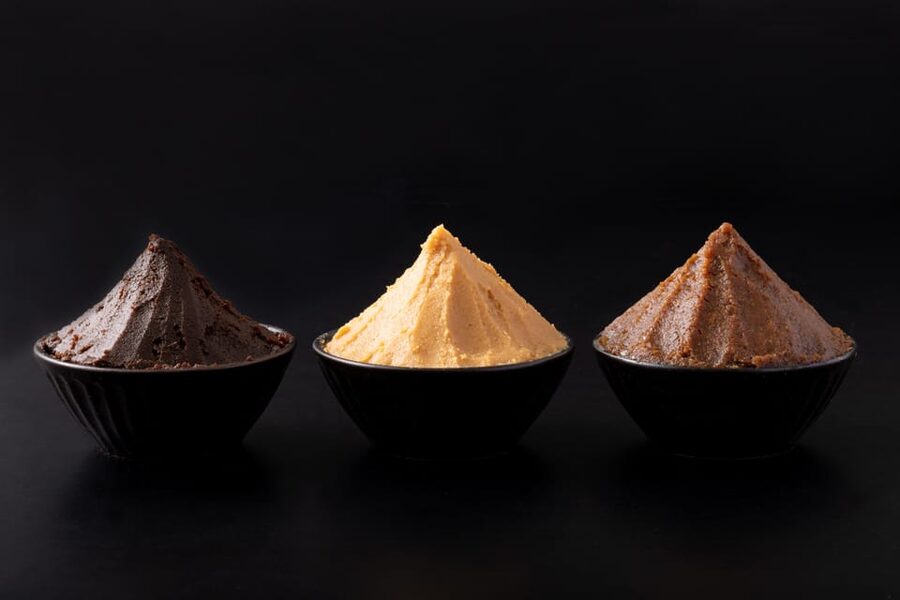
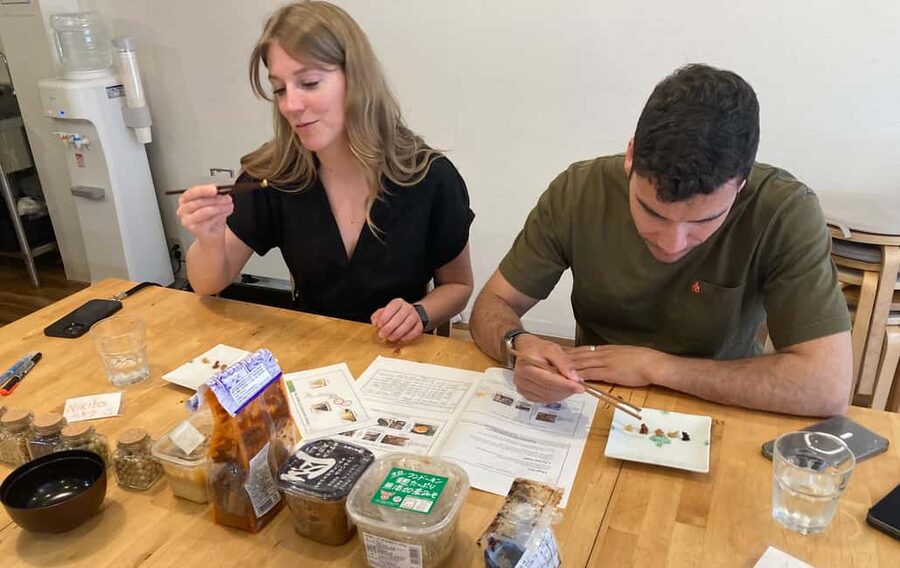
Next comes the main event: tasting 10 different miso and miso soups. The big win here is comparison. You’re not just trying one brand or one soup. You’re seeing how different styles can land in totally different places in your mouth—some more rounded and mellow, others sharper, deeper, or salt-forward.
You’ll also learn how fermentation methods and regional traditions affect flavor. That matters because “color” is only a hint. Two misos that look similar can taste very different depending on how they were made.
Step 3: Pick your favorite miso and make miso balls
After the tasting, you choose your favorite miso. Then you create miso balls, portioned like traditional soup bases.
What I like is that this isn’t a complicated cooking project. The idea is simple: you make a pack of miso-based portions and later add hot water to create your own quick soup. You also get to choose your own toppings for the miso balls, so your take-home version feels personal rather than generic.


Step 4: A light meal using different miso styles
The finale is a light meal that uses miso in a few simple forms. You prepare and enjoy it together, and this is where the workshop becomes more than just tasting. You see how miso shows up in everyday food—how it can act differently depending on ingredients and preparation style.
Because it’s light, it doesn’t feel like a second dinner. It feels like a chance to connect the flavors you tasted earlier with real eating, not just sampling.
Taste 10 Miso Styles: What You Should Actually Notice
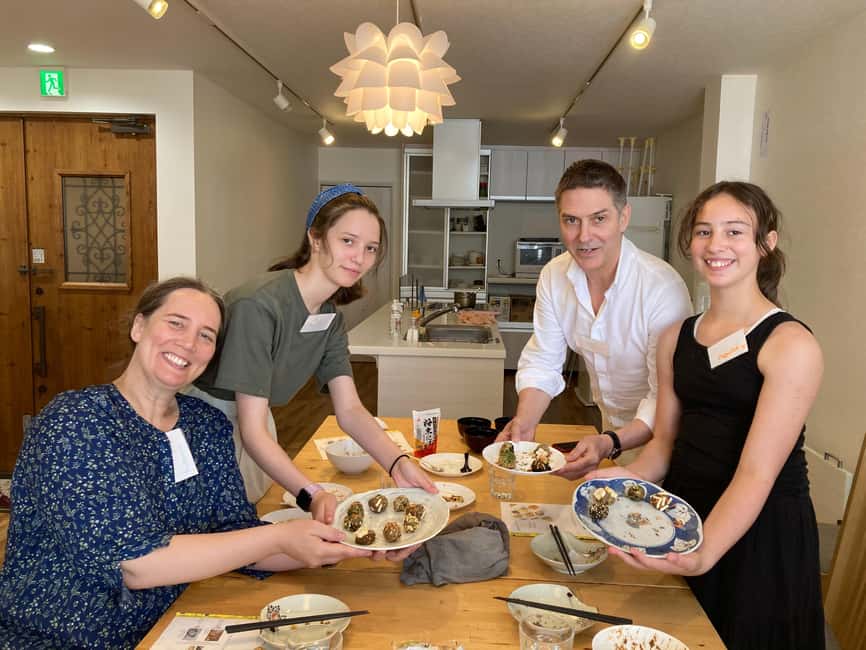
The heart of this class is the side-by-side tasting. And it’s not only about learning “good vs. bad.” It’s about learning how miso behaves.
Here are the sensory cues the workshop pushes you to notice:
- Aroma: some misos smell more earthy or deep, while others feel brighter
- Richness: one can taste heavier and rounded; another might feel lighter
- Balance: sweetness vs. salt, and how the flavors settle after you swallow
- Soup feel: the same miso can feel different once it’s warmed in broth
The fermentation explanation isn’t abstract here. It gives you a reason to connect what you taste with how miso is made. You’ll also learn about the idea behind color differences—why darker miso can taste bolder in some cases, and lighter miso can feel more subtle. Just remember: color is a clue, not a guarantee.
Hands-On Miso Balls: A Small Skill With Big Practical Payoff

There’s something satisfying about making a miso soup base you can repeat. The workshop’s miso balls are designed for exactly that kind of everyday use.
You’ll follow a simple hands-on process to make the portions and then you can add hot water later. That means you can recreate a quick bowl at home without measuring every time. It’s especially handy if you like the idea of miso but don’t want to commit to learning complicated recipes first.
Toppings: make it yours
A fun practical detail: you can choose your own toppings for the miso balls. That matters because toppings change everything about the bowl. Even if two people use the same miso, their soups can taste different once the toppings add texture, aroma, or extra saltiness.
This is also one reason the workshop works well for non-cooks. You’re not being asked to become a chef. You’re being asked to make choices and taste the results.
The Light Meal: Seeing Miso in Action, Not Just on a Spoon
By the time you sit down for the light meal, you’ll already have a reference point from the 10 tastings. That means you can notice how miso changes once it’s part of a prepared dish rather than a quick sample.
This part is valuable because miso is versatile. It isn’t only for plain soup. In Japanese home cooking, it can show up in different forms, and each approach changes the flavor impression.
Also, eating together in a small group helps you ask questions without stopping the flow. If something tastes surprising, you can usually get clarity right away on what makes it that way.
Price and Value: Is $56 Worth 90 Minutes?
At $56 per person for 90 minutes, the value comes from the structure. You’re paying for:
- Instructor-led teaching (intro + explanation of regional styles and fermentation)
- 10 different miso and miso soup tastings
- Hands-on miso ball making
- A light meal
- And you leave with your selected miso soup pack
If you love Japanese food, tasting-focused classes can be great value because ingredients and preparation already do the heavy lifting. Here, the workshop turns that into something practical: you’re not just eating; you’re learning what to buy and how to use it at home.
Where it becomes especially worth it is if you’re the type who likes comparing similar foods. If you’ve tasted miso before and felt it was all basically the same, this is the kind of class that proves otherwise quickly.
Getting There in Central Kyoto: Stations Within Easy Reach
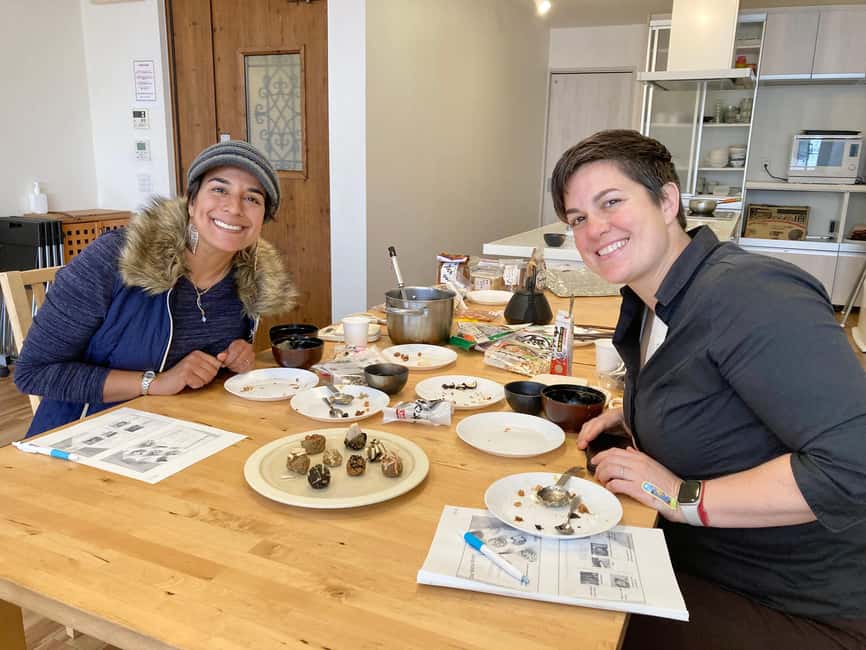
Location is one of the quiet advantages here. The meeting area is in central Kyoto, and it’s easy to fit into a day that includes markets or sightseeing.
You’ll find it approximately:
- 7 minutes from Omiya Station (Hankyu Line)
- Within about 20 minutes of Kyoto Station and Nishiki Market
- About a 15-minute walk from Nishiki Market
- About 30 minutes by train or bus from Kyoto Station
The meeting instructions are specific. Use the Google map pin, then take the elevator to the third floor and press the doorbell for 302. There’s a Japanese restaurant on the first floor of the apartment, and the photos help you orient yourself.
I’d treat this like a normal city workshop stop, not a remote rural experience. It’s designed for easy access, and that makes it simpler to plan around hunger levels.
Dietary Options and Comfort: Plan Like a Smart Eater
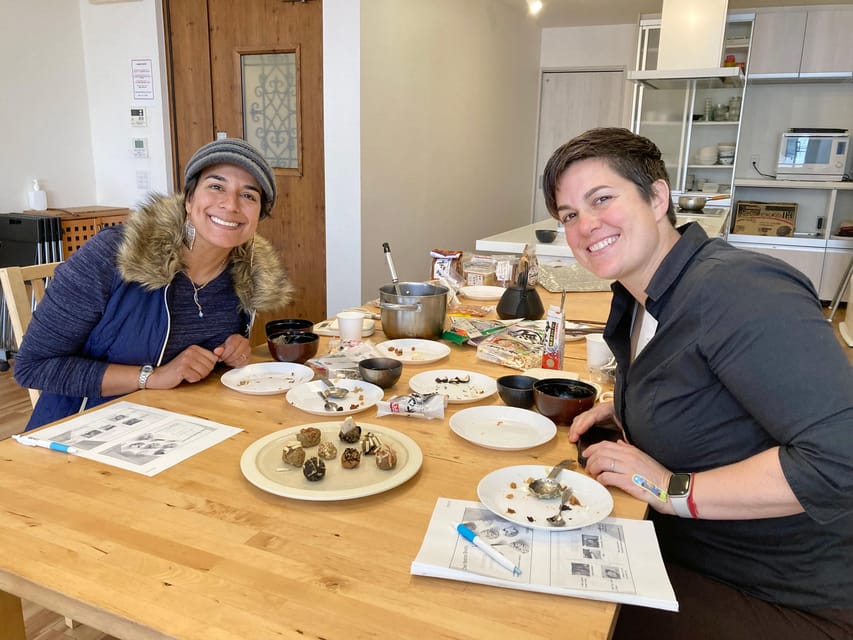
One of the most reassuring parts is the dietary flexibility. Dietary accommodations are available with advance notice, including vegan, vegetarian, gluten-free, and halal-friendly options. Allergy-free is also listed as possible, with ingredients prepared accordingly.
That means you can participate without feeling like you have to skip the tasting section. Still, I recommend telling the organizer clearly when you reserve. The workshop does ingredient preparation, so the more specific you are, the smoother it tends to go.
What to bring is simple: water and comfortable clothes. You’ll be standing and working at a light hands-on station, so skip anything too restrictive.
Language and Group Size: Small Helps the Big Questions
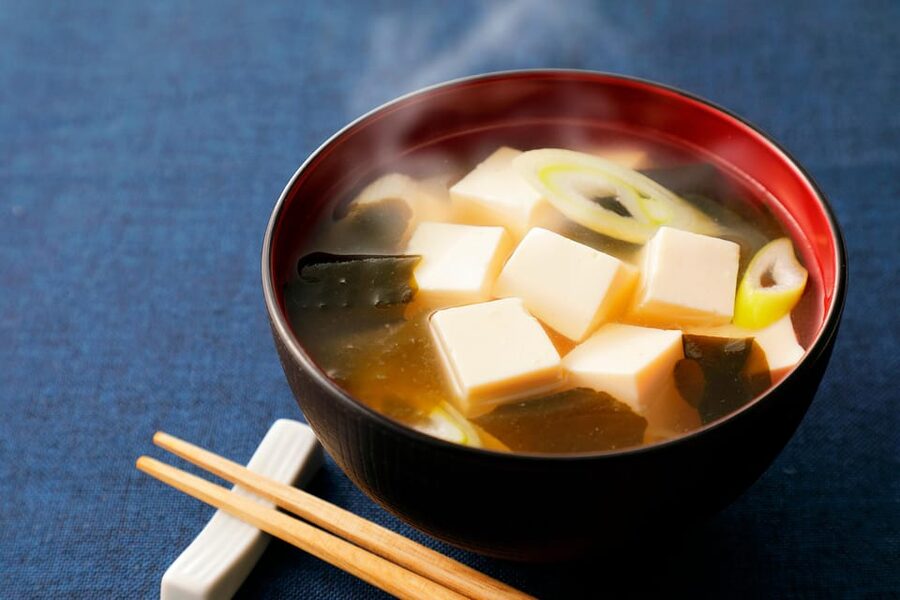
This is a small-group experience limited to 5 participants. That size is perfect for food classes because you don’t end up waiting for the host to notice you exist.
The instructor is listed as English and Japanese. One note to consider: if you’re the kind of traveler who really needs every concept spelled out in English, plan to ask questions during the tasting. The pace is calm, and you’ll get the chance to clarify what’s confusing before you move on.
If Hasumi is the instructor on your session, you’ll find the teaching style warm and focused, even if the English explanation quality can vary by day. The best strategy is to come ready to taste and ask questions when needed.
Who Should Book This Miso Workshop?
This workshop fits well if you:
- want to shop for miso with confidence after learning the differences
- enjoy tasting comparisons more than formal lectures
- like hands-on food activities, even if you’re not a cook
- want a food-focused Kyoto experience that doesn’t require lots of travel time
It might not be the best match if you want a long, full meal experience or a heavy cooking session with complex dishes. This is a focused 90 minutes: teaching plus tasting plus a light meal, not a multi-course culinary marathon.
Should You Book This Kyoto Miso Workshop?
Yes, I’d book it if miso is on your Japan checklist and you want something practical. For $56, you get 10 tastings, an explanation that helps you understand fermentation and regional styles, a hands-on miso ball skill, and a light meal that ties it together. It’s the kind of class that leaves you with a clearer shopping list and an easy soup habit.
If you’re sensitive to language nuances, go in with a plan: taste first, then ask questions until you fully understand the differences you care about. With that mindset, this becomes one of the more useful Kyoto workshops you can schedule.
FAQ
How long is the Kyoto miso workshop?
It lasts 90 minutes.
What is the price per person?
The price is $56 per person.
Where is the meeting point, and how close is it to transit?
You’ll meet at the Google map location. It’s about 7 minutes from Omiya Station (Hankyu Line) and within 20 minutes of Kyoto Station and Nishiki Market. It’s also about a 15-minute walk from Nishiki Market. The instructions say to take the elevator to the third floor and press the doorbell for 302.
What languages are used during the class?
The instructor offers English and Japanese.
What will I taste during the session?
You’ll taste 10 kinds of miso and miso soup.
Do dietary restrictions have options?
Yes. With advance notice, dietary accommodations are available including vegan, vegetarian, gluten-free, halal-friendly, and allergy-free options (with ingredients prepared accordingly).
Can I choose toppings for the miso balls?
Yes. You can choose your own toppings.
Is there flexibility with booking and cancellation?
Free cancellation is offered up to 24 hours in advance for a full refund. There is also a reserve now & pay later option where you book your spot and pay nothing today.
More Tour Reviews in Kyoto
More Kyoto Cooking Classes

Just added: more Kyoto tours to browse




Kyoto Cooking Classes, compared.
 ★ 5.0Ramen Cooking Class at Ramen Factory in KyotoFrom $1311,937 reviews
 ★ 5.0Sushi Making in Kyoto! Same-day bookings welcome!From $53713 reviews
 ★ 4.9Ramen Cooking Class at a Ramen Factory with SouvenirFrom $127532 reviews
 ★ 5.0Ramen, Gyoza, and Onigiri Cooking ClassFrom $90445 reviews
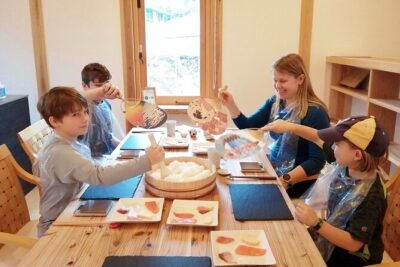 ★ 5.0The Original Small-Group Sushi Making Class in KyotoFrom $69436 reviews
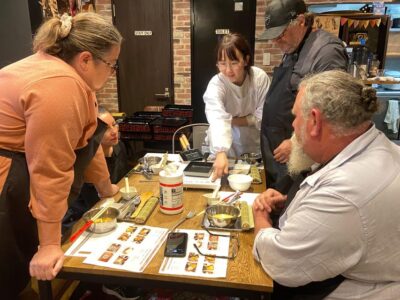 ★ 5.0Japanese Washoku Bento Small Group Cooking ClassFrom $58380 reviews
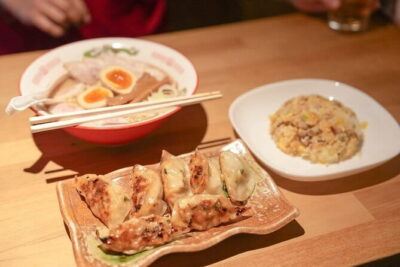 ★ 5.0Kyoto Ramen and Gyoza Cooking Class with Professional ChefsFrom $86282 reviews
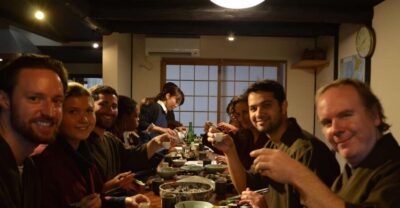 ★ 4.9Afternoon Japanese Izakaya Cooking ClassFrom $67241 reviews
Browse the lists this tour appears in