
Reviewed · KYOTO COOKING CLASSES
Home style Ramen and Homemade Gyoza in Kyoto
Kyoto food classes feel special when they happen at a real home. This one has you making ramen soup and homemade gyoza wrappers step by step, then you get to eat what you make. One key consideration: it is not vegetarian, since the ramen soup uses dried fish and the class cannot make the broth without it.
I also like the small, hands-on setup. The class caps at 8 people, so you actually get guidance while you handle the dough and use a knife. If you want something purely hands-off, or you need a spectator-friendly format, this isn’t built for that.
In This Review
- Key points to know before you go
- Planning Your Kyoto Morning at Nariko’s Kitchen
- What You’ll Cook: Home-Style Ramen Soup (No Noodles)
- Gyoza From Scratch: Wrappers, Filling, and the Frying Step
- Cucumber Pickles That Reset Your Palate
- Taste, Sit Down, and Learn How to Recreate It Later
- Value in the $118.92 Price: Hands-On Skills, Not Just a Meal
- Who Should Book (and Who Might Want to Skip)
- A Few Practical Tips So Your Class Goes Smoothly
- Should You Book This Kyoto Ramen and Gyoza Class?
- FAQ
- What dishes will we make in this class?
- Do we make ramen noodles in this class?
- Is the class vegetarian-friendly?
- How old do kids need to be to join?
- Is there a limit on group size and can spectators attend?
- How do I receive my ticket, and when will I get confirmation?
- What is the cancellation policy?
Key points to know before you go
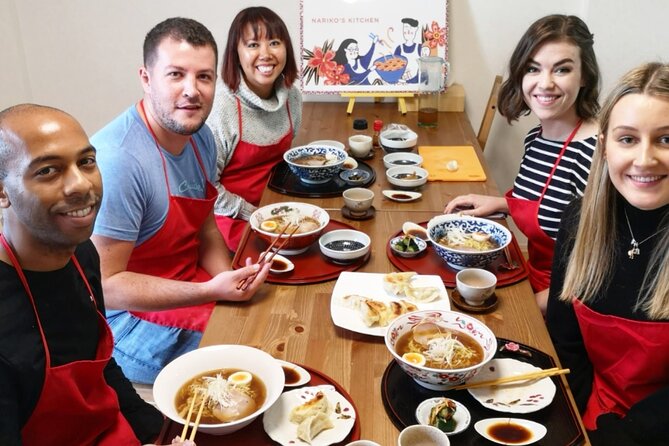
- A real home-kitchen lesson with a calm, clean setup, not a crowded cooking studio
- Ramen soup + gyoza, with wrappers made from scratch (you are not just assembling)
- Gyoza aren’t an afterthought: you learn how to make the skins and finish with frying
- You also make cucumber pickles to balance the meal
- Small group size (max 8) means you get personal attention during the steps
- Dietary limits matter: ramen uses dried fish, and vegetarian versions aren’t offered
Planning Your Kyoto Morning at Nariko’s Kitchen
This class starts at 10:00 am and runs about 3 hours 30 minutes, which is a great length for a cooking lesson without eating your whole day. You meet at 5-6 Matsugasaki Rokunotsubochō, Sakyo Ward, Kyoto (606-0915), and the area is near public transportation.
The experience is designed for a small group. With a maximum of 8 people and no spectators allowed, the kitchen stays focused on the people actively cooking. I like that approach because you are not trying to work around extra chairs, extra noise, or onlookers.
You’ll receive a mobile ticket, and confirmation comes within 48 hours of booking (as long as there’s availability). That works well if you plan your trip a bit ahead and like having clear info before you head out.
Roll up your sleeves for another Kyoto cooking class

What You’ll Cook: Home-Style Ramen Soup (No Noodles)
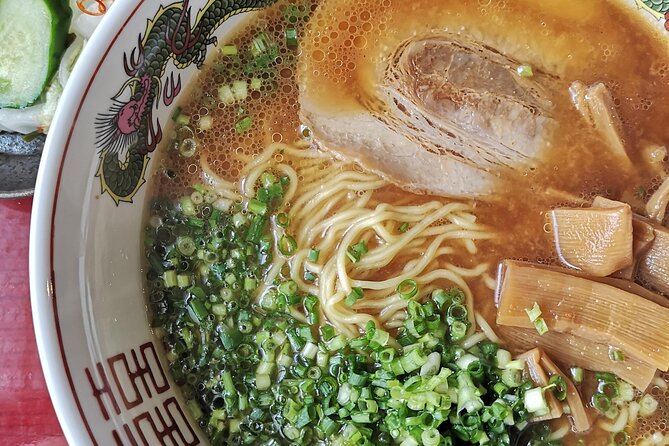
You’re making Japanese-style home ramen, but with an important twist: you do not make ramen noodles in this class. Instead, you focus on the soup—Nariko’s mother’s recipe—for a strong flavor foundation you can recreate later.
The soup is built using dried fish, which is very common in ramen. If you’re vegetarian, this is a deal-breaker, since the class can’t make the broth without it. If you have other dietary needs, tell Nariko before you book, because accommodation may or may not be possible.
Why this ramen setup works for most people: you learn what really drives the taste. Instead of spending time on noodle production, you concentrate on the broth approach and the overall balance that makes ramen feel comforting.
Gyoza From Scratch: Wrappers, Filling, and the Frying Step
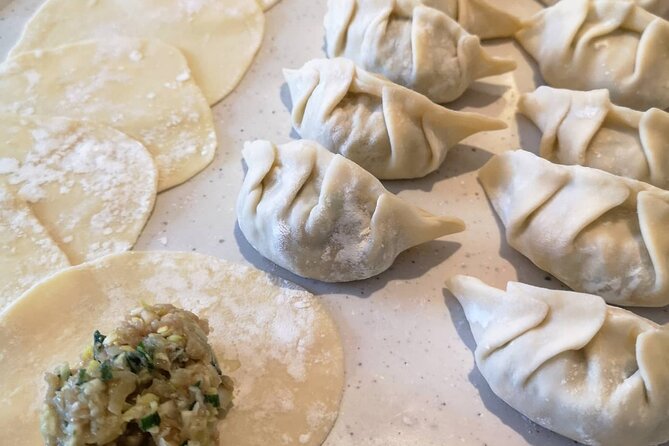
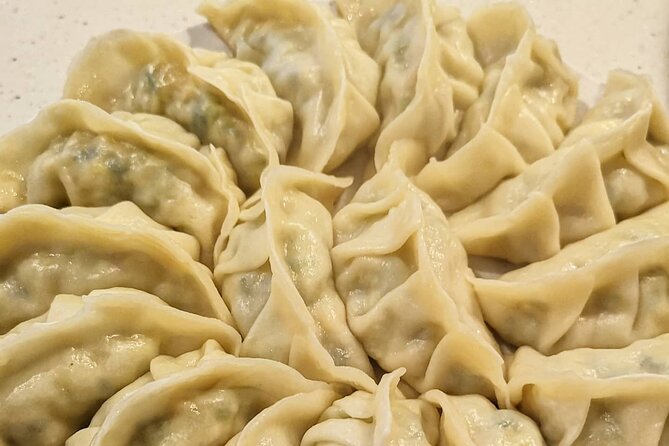
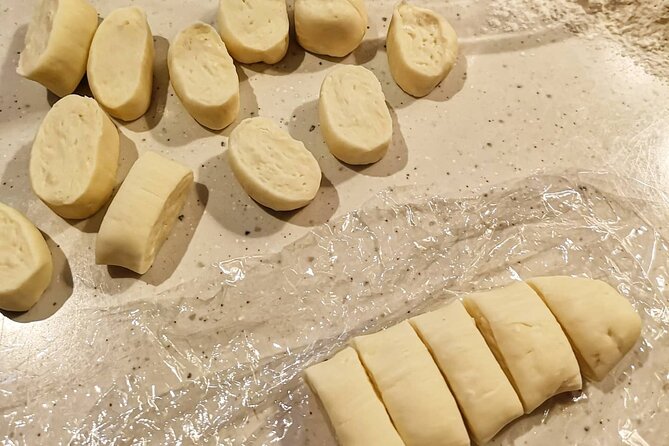
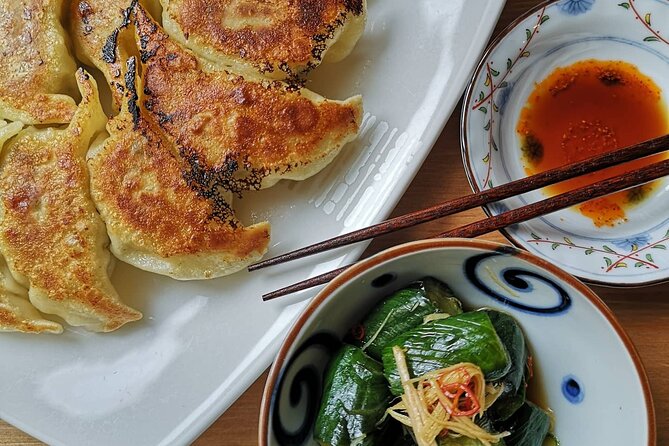
Gyoza is the star job here, and you’re not just following instructions with a shortcut. You’ll make gyoza skins (wrappers) from scratch, then fill and form the dumplings with step-by-step guidance.
One practical detail: the class requires knife use, so it’s for participants older than 10 who can use a knife safely. This matters because a lot of dumpling success is in prep—cutting vegetables neatly and working with the dough correctly.
You’ll also cook the gyoza in the style that most people imagine when they think gyoza: fried, not boiled. That’s a great learning goal because frying forces you to pay attention to texture—how the wrapper sets and how the dumpling holds together during cooking.
From the way Nariko teaches, the key is pacing. You’re shown how to do the motions, then you try, then you adjust. That’s exactly what makes “I can’t cook” turn into “Oh, I can do this” by the end of the session.
Cucumber Pickles That Reset Your Palate
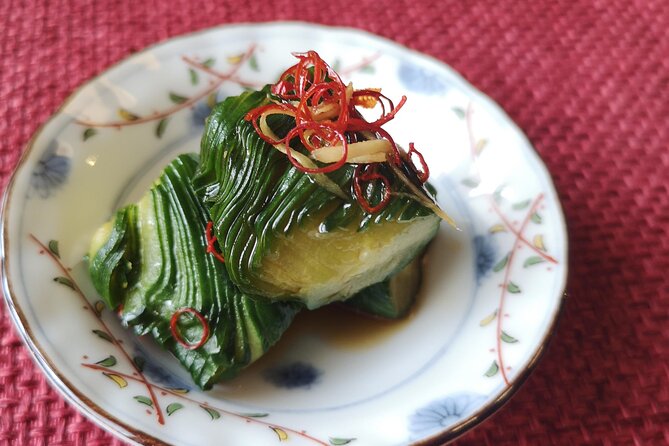
After the ramen and dumpling work, you’ll make cucumber pickles. This part is short compared with ramen and gyoza, but it’s not filler food.
Pickles bring acidity and crunch, which helps cut through the rich broth and the hearty dumplings. It also gives you a different cooking style in one class—less dough work, more flavor balancing. You end up with a meal that feels complete, not like one big cooking project stretched across three dishes.
Taste, Sit Down, and Learn How to Recreate It Later
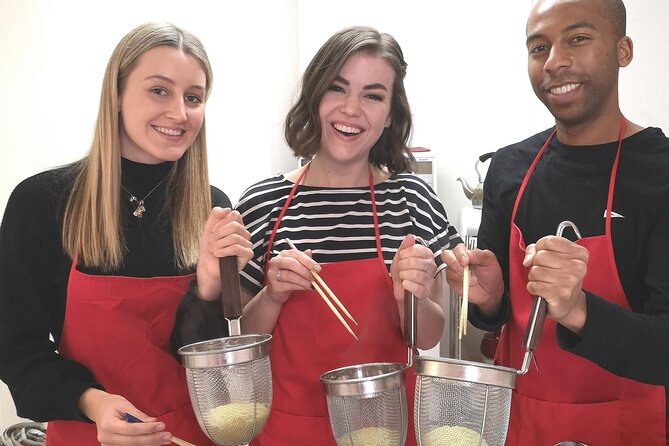
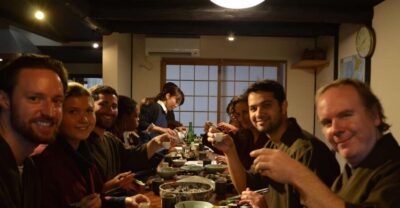
This class doesn’t end when the last dumpling is formed. You taste what you made, which is where the lesson clicks. When you compare flavor, texture, and doneness to what you expected, you start understanding why certain steps matter.
Nariko’s style is both professional and friendly, and the kitchen feels orderly. You’ll also get the sense that the goal is not just feeding you, but teaching you. Several students highlight how much they appreciated the guidance through small steps, including correct prep techniques and how to avoid common dumpling mishaps.
A big plus for long-term value: you can walk away with recipes. People consistently mention that the recipes are shared after the class, which is what turns this from a one-time experience into something you can repeat at home.
If you’re curious about Japan beyond food, you may also get conversation during the session. Nariko is described as personable, and there’s a warm feel to the meal at the table afterward. One extra kindness that comes up is help securing dinner reservations during your stay, which can save you time if your Kyoto calendar is tight.


Value in the $118.92 Price: Hands-On Skills, Not Just a Meal
At $118.92 per person for a 3.5-hour home cooking class, this isn’t the cheapest thing you can do in Kyoto. It also isn’t trying to be.
The value is in the format. You’re paying for guided hands-on cooking (broth work, dumpling wrapper making, dumpling frying, and pickles) in a small group setting with a maximum of 8 people. That level of access matters when you’re learning techniques, because you don’t want to feel rushed or left alone.
You’re also getting the meal as part of the experience. The food isn’t a snack; it’s an actual sit-down meal built from your work. And the fact that you can take recipes home makes the cost easier to justify—you’re not only buying one afternoon.
The main reason it might feel expensive to some people is simple: if you already know how to make ramen soup and gyoza well, you’ll get less “new skill” from the class. But for most visitors, learning the workflow and getting a reliable family-style recipe is exactly what makes the price feel fair.
Who Should Book (and Who Might Want to Skip)
This is a great match if you want practical cooking skills in a Kyoto setting that feels genuine. I’d book it if you like food that’s hands-on, enjoy learning technique, and want to bring something tangible back home—especially recipes and method.
It’s also a strong choice for couples and small groups. With a small cap and a home setting, you’re not stuck in a big crowd atmosphere. For families, the age requirement is the big filter: 10+ and able to use a knife. If you have younger kids, this likely won’t fit your needs.
I’d think twice if you are vegetarian or you avoid fish/seafood for medical, religious, or personal reasons. The class uses dried fish for the ramen soup, and the broth cannot be made without it.
And if you’re hoping for a “watch and learn” format, this isn’t that. Only people participating can attend due to limited space, and spectators are not allowed.
A Few Practical Tips So Your Class Goes Smoothly
The information you do have points to a straightforward morning, but cooking classes still reward good prep.
First, plan to arrive a few minutes early. The meeting point is a specific address in Sakyo Ward, and you’ll want time to get your bearings and settle in before cooking starts at 10:00 am.
Second, be honest with yourself about knife comfort. You’ll be working with ingredients and tools as part of making dumpling wrappers and prep components for the meal. If you’re nervous, go anyway—you’ll be guided—but make sure you can follow instructions carefully.
Finally, if you have any dietary restrictions, message the provider before booking. The class explicitly notes that vegetarian ramen soup isn’t possible and that accommodation for other restrictions may or may not be available.
Should You Book This Kyoto Ramen and Gyoza Class?
Book it if you want a real cooking lesson you can actually repeat later. The combination of broth-making, homemade gyoza wrappers, and fried dumplings gives you core skills, not just a themed meal.
I’d skip it if you need a vegetarian option, you want a spectator-friendly experience, or you’re traveling with kids who can’t meet the 10+ knife-use requirement. Also, since ramen noodles aren’t made here, don’t expect to roll, boil, and finish noodles on-site.
If your goal is to leave Kyoto able to cook an impressive bowl of ramen and a batch of gyoza at home, this class does exactly that.
FAQ
What dishes will we make in this class?
You’ll make home-style ramen soup, homemade gyoza (including making the gyoza skins/wrappers), and cucumber pickles. You’ll also taste what you cook.
Do we make ramen noodles in this class?
No. This class focuses on making the ramen soup, not the ramen noodles.
Is the class vegetarian-friendly?
No. The ramen soup uses dried fish, which is very common for ramen, and the class cannot make the soup without it. If you have specific dietary restrictions, you should inform the provider before booking to ask about possible accommodations.
How old do kids need to be to join?
Participants must be older than 10. The class requires knife use, so children should be able to use a knife safely.
Is there a limit on group size and can spectators attend?
Yes. The class has a maximum of 8 travelers. Only people participating in the class may attend, and spectators are not allowed due to limited space.
How do I receive my ticket, and when will I get confirmation?
You receive a mobile ticket. Confirmation is received within 48 hours of booking, subject to availability.
What is the cancellation policy?
The experience is non-refundable and cannot be changed for any reason. If it’s canceled because the minimum number of travelers isn’t met, you’ll be offered a different date/experience or a full refund.
More Tour Reviews in Kyoto
More Kyoto Cooking Classes
Just added: more Kyoto tours to browse



Kyoto Cooking Classes, compared.
 ★ 5.0Ramen Cooking Class at Ramen Factory in KyotoFrom $1311,937 reviews
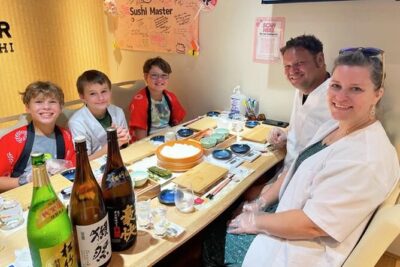 ★ 5.0Sushi Making in Kyoto! Same-day bookings welcome!From $53713 reviews
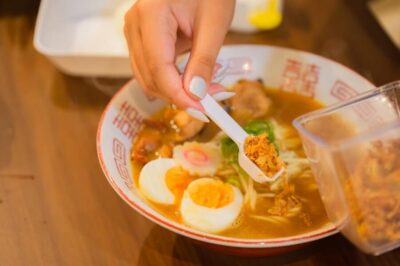 ★ 4.9Ramen Cooking Class at a Ramen Factory with SouvenirFrom $127532 reviews
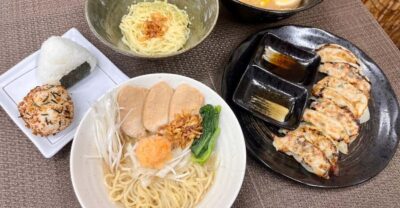 ★ 5.0Ramen, Gyoza, and Onigiri Cooking ClassFrom $90445 reviews
 ★ 5.0The Original Small-Group Sushi Making Class in KyotoFrom $69436 reviews
 ★ 5.0Japanese Washoku Bento Small Group Cooking ClassFrom $58380 reviews
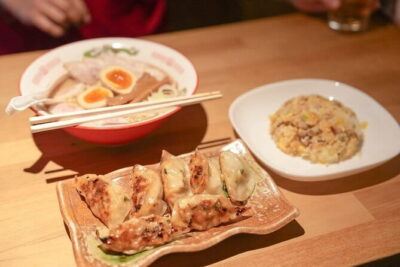 ★ 5.0Kyoto Ramen and Gyoza Cooking Class with Professional ChefsFrom $86282 reviews
 ★ 4.9Afternoon Japanese Izakaya Cooking ClassFrom $67241 reviews
Browse the lists this tour appears in