
Reviewed · GION & GEISHA DISTRICT TOURS
Geisha at Dusk: A Stroll Through Old Kyoto
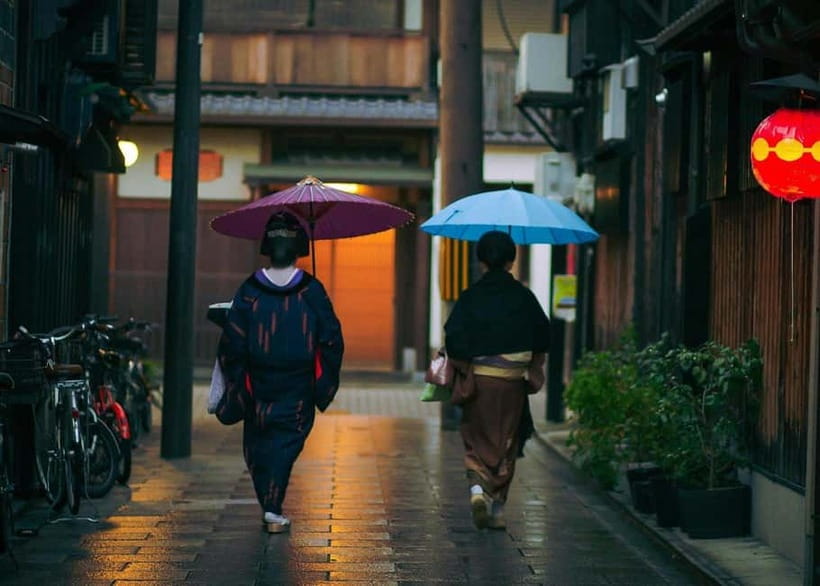
Kyoto changes fast after sunset. This 2-hour walk through Gion and Higashiyama mixes shrine, temple, and classic streets for an easy, memorable way to see old Kyoto.
Two things I love: the playful Ebisu coin-toss ritual at Kyoto Ebisu Shrine, and how guide Romi keeps the walk moving while explaining what you’re looking at in real Kyoto terms. The small-group feel helps you ask questions and actually get answers.
One possible drawback: you may not always spot a maiko or geiko during the tour. If that’s a must-see for you, plan to enjoy the architecture and atmosphere even when the performers aren’t out.
In This Review
- Key Highlights You’ll Feel Right Away
- Dusk in Gion: Why This Timing Matters
- Starting at Donguri-bashi Park: Getting Your Bearings Fast
- Kyoto Ebisu Shrine: The Coin Ritual That Actually Feels Fun
- Kennin-ji Temple Grounds: Wind and Thunder Gods in Real Space
- Hanamikoji Street: When the Townhouses Take Over
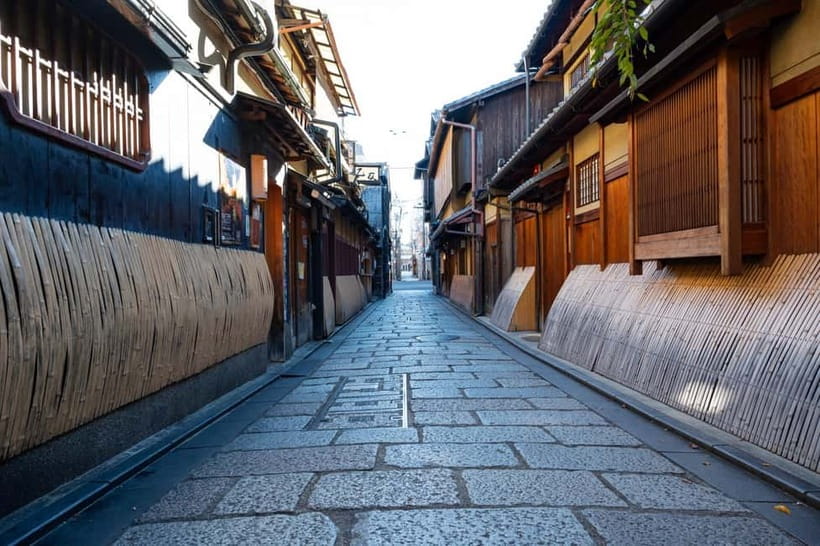
- Gion Shirakawa at Dusk: Cobblestones, Wood, and River Light
- The Guide Factor: Why Romi’s Explanations Stick
- Price and Value: Is $20 Worth Two Hours?
- Practical Tips So Your Evening Goes Smooth
- Who This Tour Fits Best
- Should You Book Geisha at Dusk: A Stroll Through Old Kyoto?
- FAQ
- How long is Geisha at Dusk: A Stroll Through Old Kyoto?
- How much does the tour cost?
- Where do we meet for the tour?
- Is the tour guided in English?
- What’s included in the price?
- Is a meal included?
- Is the tour wheelchair accessible?
- Will I definitely see a maiko or geiko?
- What is the ritual at Kyoto Ebisu Shrine?
- Can I cancel and get a refund?
Key Highlights You’ll Feel Right Away
- Ebisu’s coin box ritual at the Kyoto Ebisu Shrine, right under Ebisu’s smiling face
- Kennin-ji Temple grounds and the famous Wind and Thunder Gods picture
- Hanamikoji Street townhouses where the vibe shifts as dusk arrives
- Gion Shirakawa river walk along cobblestones and traditional wooden homes
- A live English-speaking guide, with time to point, explain, and answer questions
Dusk in Gion: Why This Timing Matters
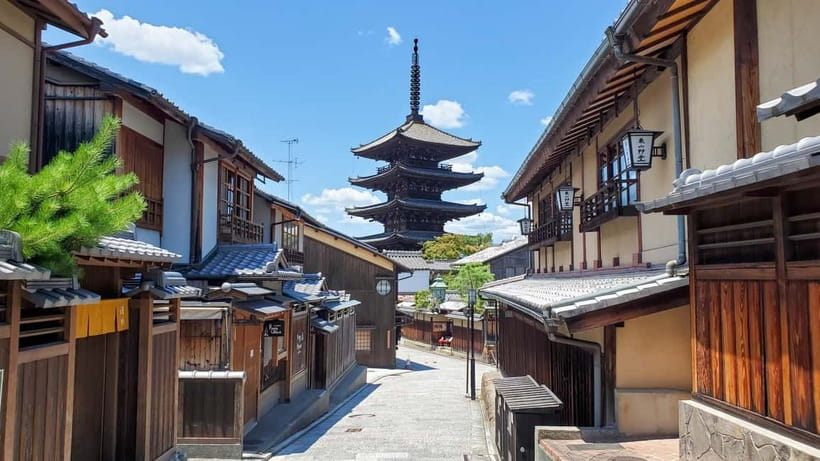
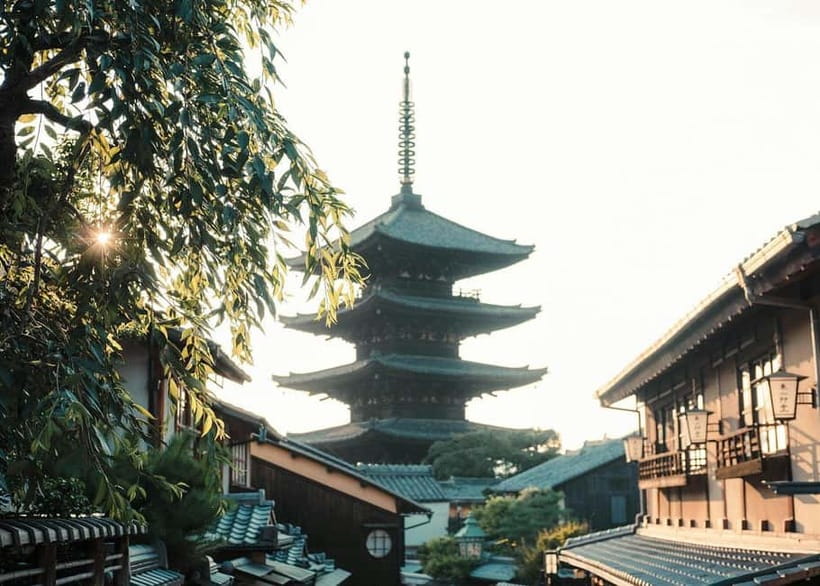
This tour is built around the moment Kyoto turns softer. You start in the shrine-temple zone, then drift toward street life, and finally end along the river at dusk. That arc matters because each area has a different pace: the shrine is about calm focus, the temple is about carved meaning, and the streets are about atmosphere and detail.
I like how the route nudges you to look up. Traditional Kyoto isn’t just about big landmarks. It’s also about wood, paper, sliding doors, and the way a street funnels sightlines toward lantern-lit corners later in the evening.
The whole thing takes about 2 hours, so it’s not one of those day-long productions. If you’re trying to fit Kyoto into a visit that already includes trains, temples, and late dinners, this is a practical hit of the real old-town feel.
More evenings along the lantern-lit lanes of Gion


Starting at Donguri-bashi Park: Getting Your Bearings Fast
Your tour meeting point is Donguri-bashi Park (団栗橋公園), coordinates 35.0018215, 135.771567. The best part of starting here is that you’re set up to walk into the heart of the Gion/Higashiyama area without wasting time figuring out where you’ll be later.
Bring comfortable shoes. The tour is mostly walking, and you’ll want your feet fresh for cobblestones and short photo stops. If you’re bringing a camera, dusk is prime time for street textures—wood grain, dark door frames, and the glimmer of river-adjacent light.
If you need a reminder for your group’s pace, just ask your guide. The tour is designed for a smooth flow from stop to stop, not a sprint.
Kyoto Ebisu Shrine: The Coin Ritual That Actually Feels Fun
You begin at the Kyoto Ebisu Shrine, dedicated to Ebisu, one of Japan’s Seven Lucky Gods and the deity of prosperity. Even if you’ve seen the idea of lucky gods before, this stop hits differently because you’re invited to do something physical, right away.
Here’s the unique part: you toss a coin into a box beneath Ebisu’s smiling face. It’s a simple action, but it gives the shrine a playful focus. Instead of just looking at carvings and plaques, you participate in the moment—like you’re joining an everyday faith ritual that local people also find memorable.
I like this because it breaks the usual “temple photos only” rhythm. It turns the tour into a story you can remember: walk in, see Ebisu, do the ritual, then carry that good-luck energy toward the rest of the evening.
Kennin-ji Temple Grounds: Wind and Thunder Gods in Real Space
From the Ebisu shrine, you move toward Kennin-ji Temple. You’ll pass through the temple’s peaceful grounds and arrive at the main gate, which is associated with important cultural treasures—especially the famous Wind and Thunder Gods picture.
Even if art isn’t your main priority, this stop helps you slow down. Kyoto’s traditional streets look great in photos, but temples are where you understand the visual language behind the city: the symbolism, the framing, the way artists and believers treated meaning as something you could literally see.
One practical tip: don’t over-plan your shots. Spend a minute letting your eyes adjust to lighting and angles. Temple areas often have quieter spots where the art and architecture are easier to take in without battling harsh shadows from dusk.
Hanamikoji Street: When the Townhouses Take Over
After the temple grounds, you arrive at Hanamikoji Street, and the tone changes fast. Suddenly it’s lively in a way that feels very Kyoto: preserved traditional townhouses, narrow views, and that sense that the street is both public and intimate.
This is where you’ll have time for a guided stroll along one of Kyoto’s most atmospheric streets. I love that the guide is actively pointing out details rather than just naming places. You’re not collecting stamps. You’re learning how the street’s layout and old building styles shaped everyday life.
This stop is also where a chance sighting can happen. If you’re lucky, you may catch a glimpse of a maiko or geiko passing by. The tour doesn’t promise it, and that’s honest. Still, even without a sighting, Hanamikoji is worth it because the preserved wooden facades are the real show.
If you do see performers, keep it respectful. Take a breath, frame your shot if you must, then step aside. The best “Kyoto” moments are the ones you don’t rush.


Gion Shirakawa at Dusk: Cobblestones, Wood, and River Light
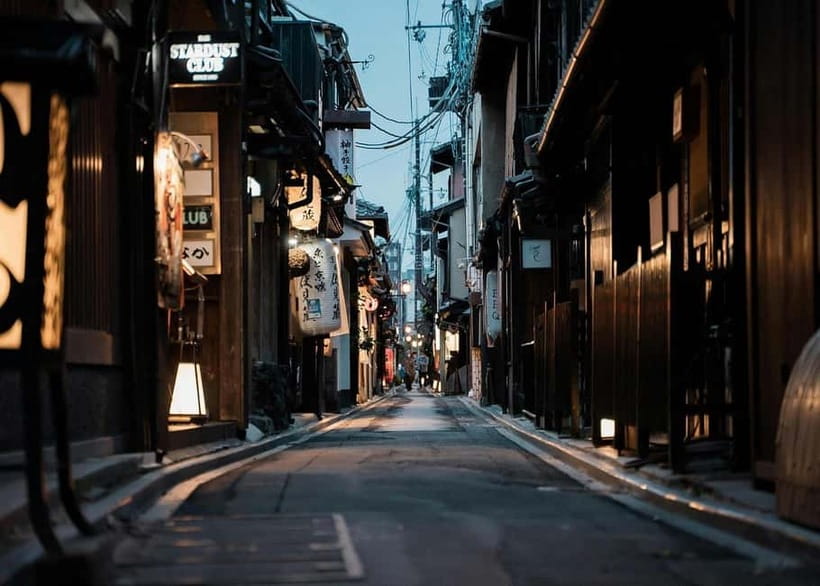
Your last major stretch takes you to Gion Shirakawa, where you walk along cobblestone paths lined with traditional wooden townhouses by the Shirakawa River. This is the part that feels most like the classic Kyoto postcard—but with enough movement to keep it from being static.
At dusk, the lighting changes the texture of everything. Wooden townhouses darken at the edges, lantern glow (and nearby light sources) adds warmth, and the river creates a gentle sense of depth. You’re not just viewing buildings; you’re watching the street become a scene.
I especially like that the tour ends here because it gives you time to absorb the atmosphere without rushing to another stop. You’re walking slower now, taking in reflections and details, and letting the evening settle into your senses.
You might not encounter performers on every tour, but you still leave with a clear sense of why Gion Shirakawa feels different from other tourist corridors: the river edge and traditional homes do the heavy lifting.
The Guide Factor: Why Romi’s Explanations Stick
A guided walk lives or dies on the guide’s rhythm and what they point out. The English-speaking live guide for this experience is Romi. What stands out from the guide style is the way she connects objects to meaning, and the way she answers the odd questions you didn’t know you’d have.
If you’ve ever tried to tour Kyoto on your own, you know how easy it is to miss the “why.” The guide helps you notice things you wouldn’t automatically pick up: the significance of shrine items, the cultural context behind what you see, and how the different neighborhoods function in the larger city.
Also, the experience works well in a smaller group. That matters because you’ll get time to talk, not just listen. If you’re the kind of person who likes to ask, this is the right format.
Price and Value: Is $20 Worth Two Hours?
At $20 per person for a 2-hour guided walk, you’re paying for a lot of practical value: someone to lead the route, someone to translate what you’re looking at, and enough pacing to experience dusk rather than just pass through it.
This is not a “meal included” tour and it’s not a long transportation package. You’re buying a guided experience that helps you see more than you would alone, especially for the shrine-temple-street flow. If you’re spending time in Kyoto and want a structured introduction to Gion and Higashiyama with a memorable ritual, $20 can be a good deal.
The biggest value isn’t only the stops—it’s the interpretation. When you understand why Ebisu is tied to prosperity and what the Wind and Thunder Gods represent in that temple space, the photos become more than decoration.
Practical Tips So Your Evening Goes Smooth
This tour is straightforward, but a few details make a big difference.
- Wear comfortable shoes. Cobblestones and evening walking add up over two hours.
- Bring a camera if you like street photography. Dusk light is excellent for townhouses and river views.
- Don’t count on a maiko/geiko sighting. It’s possible, not guaranteed, so set your mind on the street-level experience either way.
- If you’re the type who likes coordination, the provider uses easy communication. In past experience with this kind of operator, WhatsApp-style messaging can keep meeting points and timing clear.
Because the tour is outside much of the time, plan for changing weather. Even when evening is comfortable, you’ll still want layers if you’re sensitive to temperature swings.
Who This Tour Fits Best
This stroll is a great match if you want:
- A short Kyoto experience that still includes multiple styles of culture (shrine, temple, traditional streets)
- An English guide who helps you understand what you’re seeing, not just where to stand for a photo
- A dusk-focused walk that feels more cinematic than daytime sightseeing
- A format that works even if you’re not chasing performer sightings as your only goal
It’s also a strong choice for first-timers. If you’re new to Kyoto, this route helps you connect the dots between religious places and the neighborhoods that grew around them.
And it can suit travelers who like mobility and independence. The tour is wheelchair accessible, so it’s built with that in mind.
Should You Book Geisha at Dusk: A Stroll Through Old Kyoto?
I’d book this if you want a well-guided, two-hour route that takes you to the Kyoto “feel” people talk about, without locking you into a half-day schedule. The Ebisu coin ritual is the kind of memory you can bring home, and the combination of Kennin-ji, Hanamikoji, and Gion Shirakawa gives you variety in the same evening.
Skip it or adjust your expectations if your main goal is specifically spotting a maiko/geiko. That can happen, but you might not. If you’re flexible and you’ll enjoy traditional townhouses, temple atmosphere, and river light, this tour is a smart use of time.
If you’ve got only one slot for Gion at night or dusk, this is a solid choice because it’s paced for the light and guided for the meaning.
FAQ
How long is Geisha at Dusk: A Stroll Through Old Kyoto?
It lasts about 2 hours.
How much does the tour cost?
The price is $20 per person.
Where do we meet for the tour?
You meet at Donguri-bashi Park (団栗橋公園). Coordinates: 35.0018215, 135.771567.
Is the tour guided in English?
Yes, it includes a live tour guide in English.
What’s included in the price?
A local guide is included.
Is a meal included?
No meal is included.
Is the tour wheelchair accessible?
Yes, the tour is wheelchair accessible.
Will I definitely see a maiko or geiko?
You may not always encounter maiko or geiko during the tour.
What is the ritual at Kyoto Ebisu Shrine?
You toss a coin into a box beneath Ebisu’s smiling face.
Can I cancel and get a refund?
You can cancel up to 24 hours in advance for a full refund.
More Tour Reviews in Kyoto
Still in Gion? Keep Going

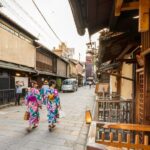

Just added: more Kyoto tours to browse








Gion & Geisha District Tours, compared.
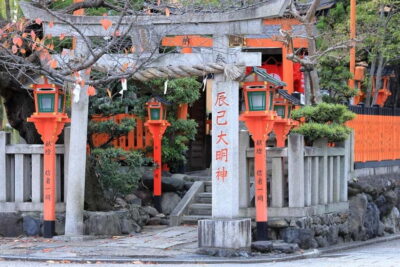 ★ 4.7Kyoto Geisha Walking Tour: Gion District & Hidden GemsFrom $253,273 reviews
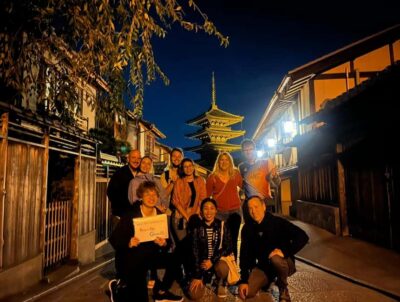 ★ 4.9Gion Magical Night Walking Tour with Geisha TriviaFrom $242,393 reviews
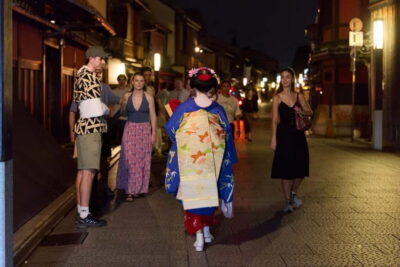 ★ 4.7Gion Geisha District Walking Tour – Stories of GeishaFrom $202,187 reviews
 ★ 4.9Best of Kyoto: Gion, Geisha, Pagodas & CobblestonesFrom $242,058 reviews
 ★ 4.5Night Walk in Gion: Kyoto’s Geisha DistrictFrom $212,003 reviews
 ★ 5.0Kyoto Night Foodie Tour in Gion (9+ dishes + 6 Sake tastings)From $1631,762 reviews
 ★ 5.0Kyoto Gion Geisha District Walking Tour – The Stories of GeishaFrom $251,441 reviews
 ★ 5.0Kyoto Gion: 2-Hour Geisha Culture & History Walking TourFrom $231,186 reviews
Browse the lists this tour appears in