
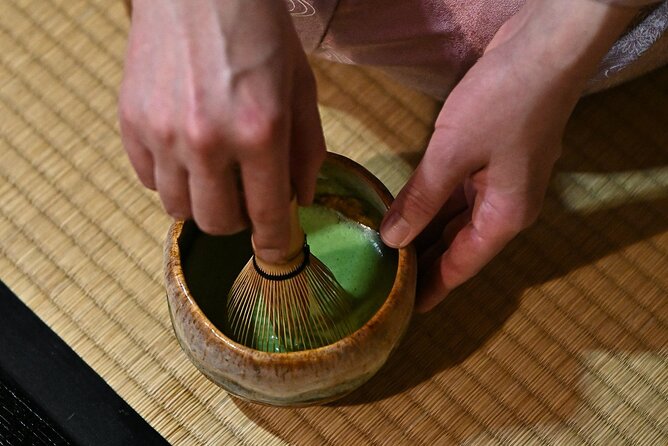
Reviewed · KYOTO TEA CEREMONIES
Experience a tea ceremony in an authentic tearoom, in Kyoto!
A tea room hidden behind a Kyoto garden. I love how the experience starts in a 130-year-old townhouse setting, with a calm, step-by-step approach that feels more like a lesson than a show. It’s a straightforward way to taste Kyoto culture without needing any background.
My other favorite part is making your own matcha with clear guidance from the host, Kaori. One practical consideration: the traditional sitting style can feel tough on knees, though a stool is sometimes available if you need it.
In This Review
- Quick Takeaways
- A 130-Year Kyoto Townhouse Tea Room, Right Off the Garden Path
- What Happens During Your 45 Minutes: Sweets, Demo, Then Your Own Matcha
- Matcha 101 You Can Use at Home (Not Just a One-Off Tasting)
- Comfort, Etiquette, and Real-Life Knee Questions
- Price and Value: What $39.63 Buys in Kyoto Culture Time
- Who Should Book This Tea Ceremony (and Who Might Skip It)
- Should You Book This Kyoto Tea Ceremony?
- FAQ
- How long is the Kyoto tea ceremony?
- How much does the tea ceremony cost?
- Where is the meeting point?
- How big is the group?
- Is the tea ceremony held in a traditional place?
- What happens during the ceremony?
- Do beginners get help?
- Are there sweets included?
- Will I learn how to drink and appreciate matcha?
- Can I cancel for a full refund?
Quick Takeaways
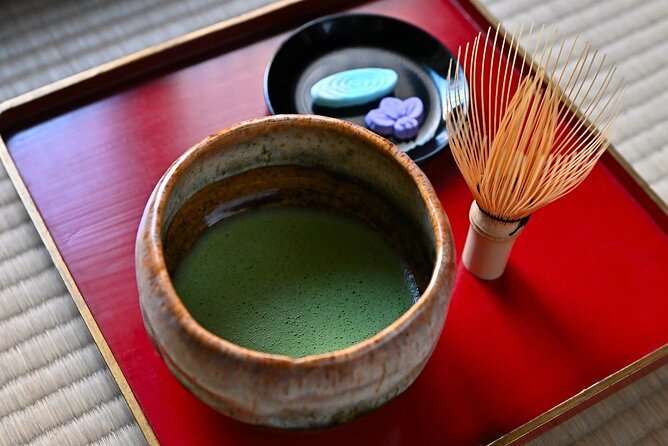
- 130-year-old Kyoto townhouse: you enter the tea room from the garden, in a setting built for quiet.
- Hands-on matcha: you watch the process, then you make your own cup.
- Wasanbon-style sweets: you get dried sweets served in real tea-ceremony tradition, not just random cookies.
- Small group size: up to 10 people, so it stays personal and question-friendly.
- Beginner-friendly instruction: you learn how to appreciate matcha and how to make it, even if you are starting from zero.
A 130-Year Kyoto Townhouse Tea Room, Right Off the Garden Path
This Kyoto tea ceremony is set in an authentic tea room inside a 130-year-old townhouse. That matters more than you might think. Modern showrooms can feel like set dressing, but an older home gives you the right atmosphere: wood, space, and the sense that tea has been done here for a long time.
The experience has a small theatrical moment that’s also practical. You slip into the tea room from the garden, which helps you switch gears fast. You go from street life to a quieter rhythm without having to process everything at once. It’s a good way to get your bearings in Kyoto if you feel worn out from temples and crowds.
This is also in Nakagyo Ward, Kyoto, near public transportation, so you aren’t committing your whole day to a remote detour. The meeting point is at 22-26 Nishinokyō Ikenouchichō, Nakagyo Ward, Kyoto 604-8375. Bring your sense of curiosity, not a checklist of what to wear or what fork to pick up—this is tea, not a formal dinner.
Sit for another bowl of matcha in a Kyoto tea house


What Happens During Your 45 Minutes: Sweets, Demo, Then Your Own Matcha
Plan on about 45 minutes total. It’s short enough that you can fit it between sightseeing, yet structured enough that you actually learn something.
The flow is simple:
- You arrive and get settled in the tearoom.
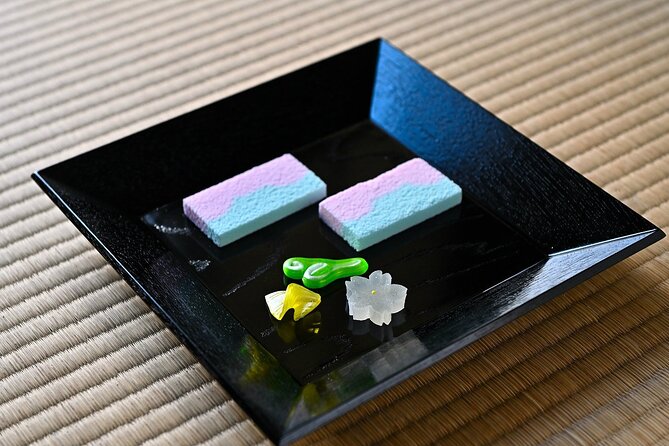
- You watch the instructor’s demonstration while enjoying dried sweets.
- After the demo, you make your own matcha.
The sweets are part of the meaning of the break. They are described as cookies or candies from a historic Kyoto confectionery. In one detailed explanation, Kaori clarified that the sweets are wasanbon, a type of sugar associated with traditional Japanese sweets, served as part of a real tea-ceremony lesson. The shop named was Shioyoshi-ken (塩芳軒).
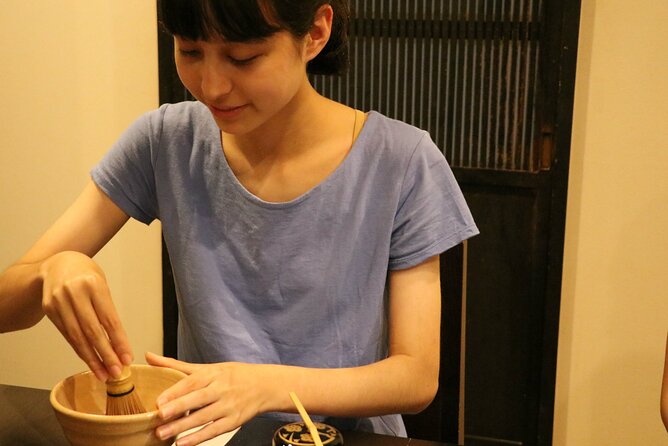
Then comes matcha itself. You get matcha from a historic shop, and you learn how it should taste and how to drink it properly. This isn’t just green tea trivia. You get the basic moves and the mindset: focus, pace, and respect for the cup.
Once you sit down with your own whisked matcha, the experience shifts from watching to doing. That hands-on part is the difference between a quick photo moment and an actual memory you can use at home.
Matcha 101 You Can Use at Home (Not Just a One-Off Tasting)
If you want a tea ceremony that gives you take-home value, this one is built for that. You learn:
- the history and culture behind tea ceremony
- how to appreciate and drink matcha
- how to make matcha yourself
- tips for enjoying tea at home without tea utensils
That last point is quietly smart. Lots of matcha experiences leave you with a souvenir tin and no idea what to do next. Here, you get practical guidance for beginners, so you can keep the ritual going even if you do not have the full tea-tool lineup.
One thing I like is that the instruction is described as careful and beginner-friendly. People specifically praised how the host explains each step clearly and calmly, and how English communication makes it easier to follow along without guessing. Kaori is the name that shows up in the host replies, and the vibe is consistently patient and welcoming.
Also, the lesson is not only technical. Tea ceremony is Zen-adjacent in the way it trains attention. You learn what to notice: the aroma, the texture, the pace of sipping, and how the sweets fit into the overall experience. It’s the kind of cultural skill you can reuse whenever you want a calmer moment.
Comfort, Etiquette, and Real-Life Knee Questions
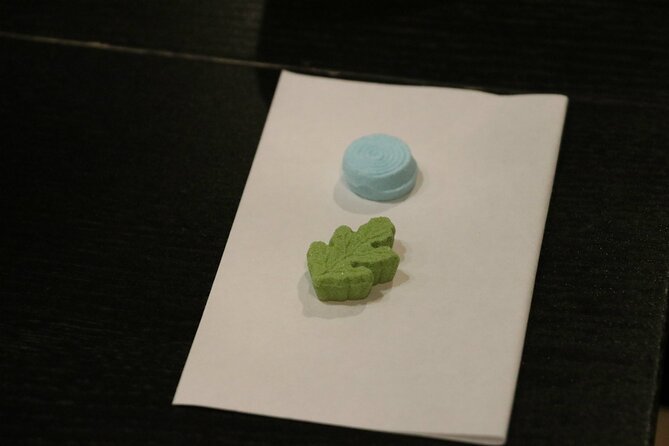
Traditional tea ceremonies often involve sitting in a specific way for a period of time. In at least one session, participants with bad knees found it manageable because a stool was available if needed.
So here’s the practical move: if you know you’ll struggle with kneeling or low seating, don’t assume you have to tough it out. Ask ahead if you can, or arrive with the expectation that there may be a seating modification. Being comfortable helps you actually enjoy the ritual instead of white-knuckling through it.
Etiquette-wise, you don’t need to act like a tea expert. You just need to follow the host’s cues. People praised that Kaori leads with patience and that you can ask questions. The tone is more welcoming than strict.
Shoes rules aren’t spelled out in the details you provided, so I won’t pretend I know what they require at this exact venue. But in Kyoto tearooms, do expect some form of footwear adjustment. If you arrive in socks and flexible shoes, you’ll feel less stressed.
Price and Value: What $39.63 Buys in Kyoto Culture Time
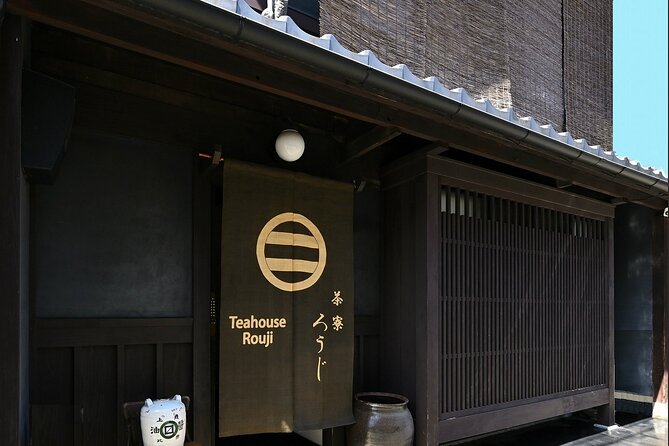
At $39.63 per person, this is not a budget snack. But it also is not a long-day tour with transport costs. You’re paying for a guided cultural lesson in a real Kyoto home, plus tasting and hands-on instruction.
Here’s how the value shakes out:
- You get time: about 45 minutes, not an overstuffed 2-hour rush.
- You get do-it-yourself: making your own matcha is the core benefit.
- You get context: history and culture, not only instructions for whisking.
- You get sweets that fit the tradition: wasanbon-style sweets rather than generic “tour treats.”
Some people can reasonably expect more theatrics at this price—like ceremonial dress, extra drama, or a longer session. In your case, the promise is clarity and a practical lesson in tea ceremony basics. If that’s what you want, the price makes sense.
If you want a silent, high-budget performance with lots of extra extras, this likely won’t be that. But for a short, meaningful Kyoto experience that trains your hands and your senses, it’s a pretty solid deal.




Who Should Book This Tea Ceremony (and Who Might Skip It)
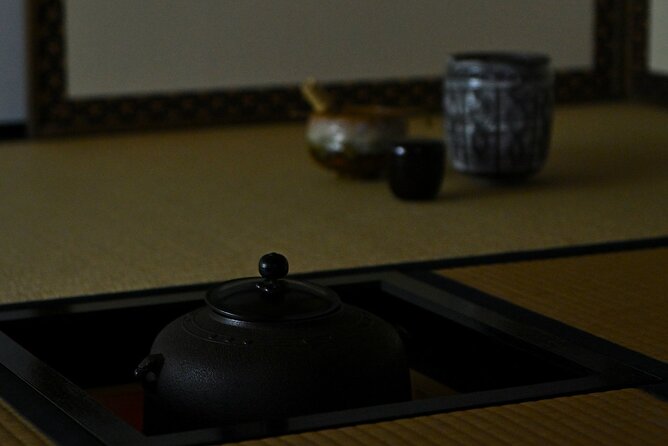
This is a great fit if you:
- want a true Kyoto tearoom experience without spending your whole afternoon traveling
- like hands-on cultural activities where you leave with a skill
- are curious about matcha beyond just ordering it
- want a calm break in your day that still feels authentic
It’s also a good choice for small groups. The group size is capped at 10 travelers, and the atmosphere described feels intimate when only a few people attend. That small scale makes questions easier and keeps the lesson from feeling rushed.
You might consider skipping it if you only want a quick taste and photos. Even though it’s friendly, the experience includes explanation and practice. It is closer to a lesson than a casual tasting event.
And one last timing thought: since the duration is about 45 minutes, this works best when you’re not trying to sprint through Kyoto like a checklist. Pair it with an area walk afterward, so your brain can settle.
Should You Book This Kyoto Tea Ceremony?
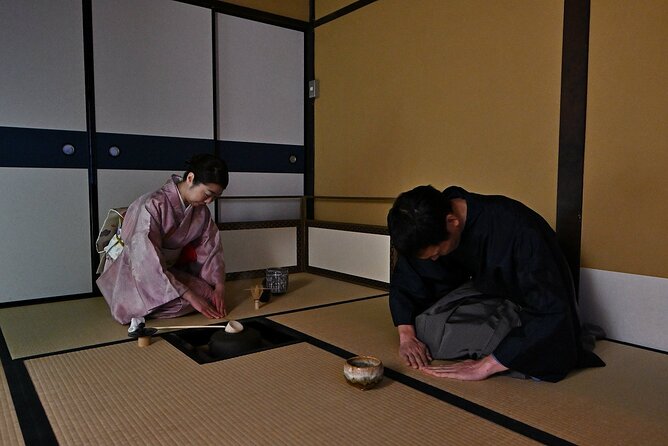
Yes—if you want a short, high-signal cultural experience with hands-on matcha making and a real tearoom setting. The 130-year-old townhouse location and the garden entry create a calm start, and the instruction is built for beginners with practical tips you can carry home.
Skip it if your priority is a long, high-production experience with lots of extra ceremony elements, or if you are only looking for a simple snack stop. Also, if knee comfort is a big deal for you, plan around traditional seating and take advantage of stool options if offered.
Overall, this is the kind of Kyoto experience that turns into a real story later: not just I saw tea in Japan, but I learned how to make it and how to enjoy it properly.
FAQ
How long is the Kyoto tea ceremony?
It lasts about 45 minutes.
How much does the tea ceremony cost?
The price is $39.63 per person.
Where is the meeting point?
You meet at 22-26 Nishinokyō Ikenouchichō, Nakagyo Ward, Kyoto 604-8375, Japan.
How big is the group?
The group is capped at a maximum of 10 travelers.
Is the tea ceremony held in a traditional place?
Yes. It takes place in the authentic tea room of a 130-year-old Kyoto townhouse.
What happens during the ceremony?
You enjoy dried sweets while watching the instructor’s demonstration, and then you make your own matcha tea.
Do beginners get help?
Yes. The experience is designed with detailed instructions so beginners can follow along.
Are there sweets included?
Yes. You’ll enjoy dried sweets as part of the experience.
Will I learn how to drink and appreciate matcha?
Yes. You’ll learn tips on how to appreciate and drink matcha properly.
Can I cancel for a full refund?
Yes. You can cancel up to 24 hours in advance for a full refund.
More Tour Reviews in Kyoto
One More Bowl of Matcha

Just added: more Kyoto tours to browse








Kyoto Tea Ceremonies, compared.
 ★ 4.9Tea Ceremony in a Traditional Tea House in KiyomizuFrom $493,519 reviews
 ★ 4.9Tea Ceremony Ju-An at Jotokuji TempleFrom $293,207 reviews
 ★ 4.345-Minute Tea Ceremony Lesson ExperienceFrom $222,378 reviews
 ★ 4.9Table-Style Tea Ceremony at a Kyo-MachiyaFrom $451,211 reviews
 ★ 5.0Kimono Tea Ceremony at Kyoto Maikoya, NISHIKIFrom $65911 reviews
 ★ 5.0Arashiyama Bamboo Forest, Monkeys, Matcha & Temple TourFrom $53759 reviews
 ★ 4.9Tea Museum Tickets and Matcha Grinding ExperienceFrom $23739 reviews
 ★ 4.9Kimono Tea Ceremony at Orizuruya GionFrom $49618 reviews
Browse the lists this tour appears in