
Kyoto’s best sakura can be quiet. This evening Hanami walk takes you through the Demachiyanagi area and local spots where cherry blossoms feel less like a photo mission and more like a real spring stroll. I like how the tour is built around the feel of Hanami—walking, small tastings, and that relaxed moment of watching petals fall in the evening light.
I also like the food side. You get multiple snack and sweet tastings in local shopping lanes, then a sit-down Kyoto restaurant dinner with seasonal dishes, plus a final traditional dessert and a Hanami gift to close out the night.
One thing to plan for: this is a 3-hour walk, and the meetup has a strict timing window. They only wait an additional five minutes, and once the tour departs you can’t count on last-minute phone help to catch the group—so you’ll want to arrive early and stay ready to move.
In This Review
- Key things I’d bet on (before you book)
- Why Demachiyanagi Makes This Hanami Feel Real
- The 3-Hour Flow: From Demachiyanagi Streets to Spring Dinner
- First leg: stroll through temples, gardens, and shrines
- Second leg: shopping arcade wandering and tastings
- Third leg: Hanami-style tasting and mini picnic moment
- Final leg: dinner at a classic Kyoto restaurant + dessert
- Food and Drink: What You’ll Actually Taste (and Why It’s Good Value)
- The snack-and-sweet strategy
- The drink reality check (important)
- Dietary requirements
- Hanami Beyond Photos: The Mini Picnic Moment
- The Route’s Special Touch: Imperial Palace Garden Energy
- Price and Value: Why $161 Can Make Sense Here
- Getting There Smoothly: The 5-Minute Window Matters
- Who This Tour Is Best For (and Who Might Skip It)
- Should You Book Cherry Blossom Season Evening Hanami and Food Tour
- FAQ
- What dates does the tour run?
- How long is the tour?
- How big is the group?
- What’s included in the price?
- Where does the tour start and end?
- Are drinks included, and is there an age limit?
- Is transportation or hotel pickup included?
Key things I’d bet on (before you book)
- Demachiyanagi, not the usual crowds: You get that local spring atmosphere around temples, gardens, and shrines.
- A true Hanami-style tasting moment: Light bites with a sip of sake or a local beverage, plus a mini picnic vibe.
- Shopping-arcade snack time: A stroll through a shotengai-like area where food smells guide you to treats.
- Dinner that’s actually part of the theme: Seasonal Kyoto dishes at a classic restaurant, not just random restaurant hopping.
- Small group pacing: Limited to 10 participants, which keeps the walk feeling friendly and easy to enjoy.
- A sweet and a gift at the end: Traditional dessert plus a Hanami souvenir to remember the night.
Why Demachiyanagi Makes This Hanami Feel Real
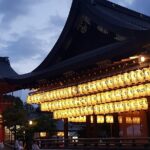
Kyoto’s cherry blossom season draws everyone. The problem is you can end up doing Hanami like an airport line: move fast, look up, take a picture, repeat. This tour chooses a different strategy. It runs in the March 25 to April 11 window, during prime sakura time, but it focuses on the calmer areas around Demachiyanagi and the historic temple-and-shrine rhythm of spring.
Demachiyanagi is especially good for an evening walk. You’re not just viewing blossoms from one famous angle. You’re moving through neighborhoods where the scenery is layered—small shrines, quiet gardens, and streets that feel like locals are simply living their day, just with pink petals showing up.
And the pacing matters. A 3-hour tour is long enough to feel like you had an experience, but short enough that you’re not stuck rushing to “finish the checklist.” You’ll come away with the sense of Hanami as a social ritual: people strolling, snacking, and enjoying the weather together.
That’s also where the small group size helps. With a maximum of 10 participants, it’s easier to ask questions, keep up on the route, and enjoy the views without constant crowd jostling.
Still hungry? More tastes of Kyoto
The 3-Hour Flow: From Demachiyanagi Streets to Spring Dinner
This is an evening tour, starting at Demachiyanagi station near the entrance of the Rent A Cycle shop EMUSICA. The guide staff will have a sign with the partner name. The tour returns back to that same meeting point at the end.
Here’s how the night typically unfolds, and why each part works:
First leg: stroll through temples, gardens, and shrines
You start with the “why Kyoto is Kyoto” part—walking through areas where sakura season looks different street to street. Expect to see blossoms connected to everyday religious and garden spaces: larger temple grounds, plus smaller shrines and tucked-in corners.
This approach gives you variety without changing the overall theme. Instead of repeating one big sight, you get a sequence of small scenic moments. Even if you’ve seen cherry trees in other cities, the Kyoto connection here feels specific: blossoms framed by traditional layouts, stone paths, and calm landscaping.
Second leg: shopping arcade wandering and tastings
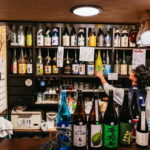
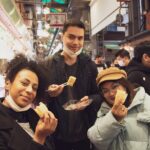
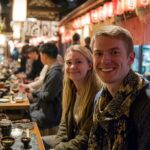
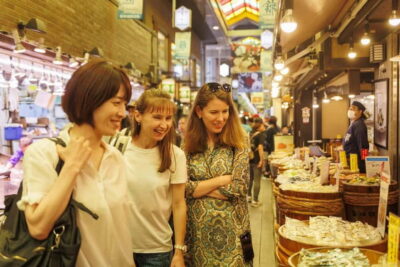
After you’ve built the spring mood outdoors, you shift into food mode. You’ll spend time walking through a local shopping arcade area (shotengai-style). The goal isn’t to sprint from stall to stall. It’s to stroll at human speed while your guide brings you to snack and sweet tastings.
This is a smart way to experience Kyoto’s seasonal flavors because you’re not guessing what to buy. You’re guided to bite-sized options, the kind you can try without turning the night into an overeating contest.
Third leg: Hanami-style tasting and mini picnic moment
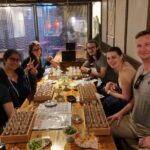
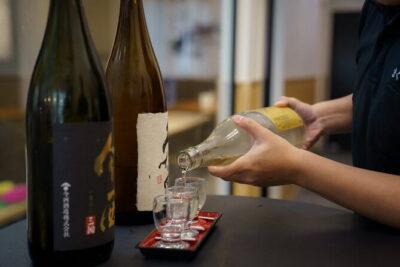
Next comes the signature “Hanami” feeling. You’ll have an outdoor tasting with light bites and a sip of sake or a refreshing local beverage. This is the small pause that turns the tour from walking-and-eating into an actual spring ritual.
Even with modern busy schedules, Hanami is about slowing down enough to notice petals, temperature, and the vibe of the evening. That tasting moment is built for exactly that.
Other Kyoto tours and experiences to compare


Final leg: dinner at a classic Kyoto restaurant + dessert
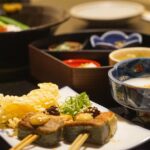
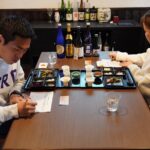
As the evening deepens, you’ll head to a beloved local restaurant for dinner. The tour includes a seasonal menu with handmade dishes and side dishes, so it’s not just one entrée and call it a day.
Then you finish with a locally renowned traditional dessert. In other words: you’re not ending the tour with a rushed sugar stop. You’re getting a final bite that feels like part of the sakura story.
One small detail worth noting: one guide mentioned in a recent experience is Ako, described as personable and friendly, with great explanations during the stroll. That kind of guiding style can make a huge difference when you’re moving through smaller temples and shops where you’d otherwise miss the “why” behind what you’re seeing.
Food and Drink: What You’ll Actually Taste (and Why It’s Good Value)
You’re paying for a guided cherry blossom walk plus structured eating, and the included food is where the value really shows.
Included in the tour are:
- Various tastings of local snacks and sweets
- Two drinks
- A seasonal local dinner
- A final traditional dessert
- Plus cherry-blossom viewing and shopping time
That matters in peak season. In Kyoto during sakura weeks, it’s easy to spend a lot of money on food that’s convenient rather than seasonal, or pay full price at individual places without knowing what’s best. Here, the tastings and dinner are designed to cover multiple parts of Kyoto’s spring flavor profile, so you don’t have to “build your own meal” from scratch.
The snack-and-sweet strategy
The shopping arcade part is set up so you can sample a variety without committing to a single massive item at one shop. That’s ideal for travelers who want to try Kyoto flavors but don’t want to carry around heavy food all evening.
The drink reality check (important)
Two drinks are included, and the tour lists a minimum drinking age of 21. The tasting also offers sake or a refreshing local beverage. If you’re not drinking alcohol, you still have the beverage option built into the experience. But if you’re under the legal drinking age, the age rule is a clear boundary, so you’ll want to check your eligibility early.
Dietary requirements
If you have dietary needs, you should advise the supplier at booking. The tour explicitly asks for this in advance, which is your best chance to make sure the meal and tastings can work for you.
Hanami Beyond Photos: The Mini Picnic Moment
The best part of Hanami isn’t the biggest tree. It’s the feeling of sharing the evening with friends (or even new friends) while the world turns pink and quiet for a while.
This tour’s mini picnic-style tasting is a purposeful break. Instead of treating blossoms like scenery you just pass by, you stop outdoors with light bites and a drink. That changes how you see the sakura. You notice the air, the timing of petals in the evening, and the way Kyoto’s atmosphere shifts once the dinner rush kicks in.
If you’re the type who likes to understand what something means—rather than just collecting a sight—this kind of structured ritual helps. It’s easier to enjoy the season when the tour is giving you a reason to pause.
The Route’s Special Touch: Imperial Palace Garden Energy
One review highlighted the walk ending up toward the Imperial Palace garden area after the shops. That detail matters because the Imperial Palace grounds often give a more open, scenic garden feel compared with tighter street scenes.
Even if you’ve already seen cherry blossoms elsewhere, the Imperial Palace garden vibe usually reads as more “Kyoto formal spring”—clean lines, garden pacing, and that sense of an elegant public space in bloom.
Price and Value: Why $161 Can Make Sense Here
Let’s talk value, because this price point can be either a bargain or a splurge depending on what’s included.
At $161 per person for a 3-hour evening tour (with a small group capped at 10), you’re not just buying “a guide.” You’re buying:
- Multiple snack and sweet tastings
- Two included drinks
- A full dinner at a restaurant with seasonal dishes
- A traditional dessert
- Cherry blossom viewing time and route planning
- A Hanami gift at the end
Even during non-peak weeks, dinner + drinks + guided tastings would often put you near this number. In cherry blossom season, restaurants and guided experiences cost more simply because demand rises. So the question is: do you want cherry blossom viewing plus a guided food plan in one package?
If you hate planning meals on your feet, this is a strong fit. If you love wandering and building your own itinerary entirely, it may feel less flexible. But for most people, the included dinner and dessert make the evening feel “complete,” not like you just bought a walk and hoped you’d eat well afterward.
Getting There Smoothly: The 5-Minute Window Matters
This is a practical part, and it can make or break your experience.
Your starting point is Demachiyanagi station, near the Rent A Cycle shop EMUSICA entrance. The guide is holding a sign with the partner name. The tour has a five-minute grace period only. After that, the group leaves.
They also note that once the tour begins, you can’t count on directions or phone contact help. That’s to keep restaurant relationships and the schedule steady.
My advice: arrive a bit early, take a quick look around the station entrance area, and be ready to walk the moment you spot your guide. Also wear comfortable shoes. Evening cherry season walks add up, and the tour is built on strolling through multiple areas.
Who This Tour Is Best For (and Who Might Skip It)
This experience fits best if:
- You want cherry blossoms with a food plan built in
- You like small-group pacing (max 10) and an English-speaking guide
- You prefer a calmer, less crowded feel compared to the most famous Kyoto blossom corridors
- You’re curious about Kyoto’s spring seasonal snacks and sweets, not just big-ticket sightseeing
It’s less ideal if:
- You dislike structured dining or want full control over each restaurant stop
- You prefer long self-paced wandering with no set start-to-finish flow
- You’re traveling with someone who can’t meet the 21+ minimum drinking age rule for the included drink parts
- You’re looking for a fully kid-independent tour (unaccompanied minors are not allowed)
Also, this is an evening walk. If you’re sensitive to nighttime walking or crowds even at smaller scale, keep that in mind. Comfortable shoes are not optional here.
Should You Book Cherry Blossom Season Evening Hanami and Food Tour
I’d book this tour if you want Kyoto cherry blossoms plus real spring food without turning the evening into logistics work.
It’s not just “see sakura.” It’s a guided Hanami-style experience with tastings, a mini picnic moment, a seasonal dinner, and a sweet finish, all paced in a small group. The Demachiyanagi focus also means you’re more likely to feel the season instead of battling the biggest crowds.
I’d think twice if you’re extremely flexible and want to build your own evening from scratch, or if timing stress (the five-minute departure rule) would make you uncomfortable.
If you’re traveling in the March 25 to April 11 window, and you like the idea of cherry blossoms paired with Kyoto flavors, this is one of the more sensible ways to spend a few hours in spring—especially when you want the evening to feel meaningful, not just busy.
FAQ
What dates does the tour run?
The tour is available from March 25th to April 11th, 2025.
How long is the tour?
It lasts about 3 hours. Starting times vary, so check availability for exact times.
How big is the group?
It’s a small group limited to 10 participants.
What’s included in the price?
The price includes two drinks, various snack and sweet tastings, a seasonal local dinner, cherry-blossom viewing, shopping time, and a Hanami gift. It also includes a traditional dessert as part of the experience.
Where does the tour start and end?
It starts at Demachiyanagi station near the entrance of the Rent A Cycle shop EMUSICA. It ends back at the same meeting point.
Are drinks included, and is there an age limit?
Two drinks are included, and the minimum drinking age is 21 years. The tasting includes sake or a refreshing local beverage.
Is transportation or hotel pickup included?
No. Hotel pickup and transportation costs are not included.
More Tours in Kyoto




More Tour Reviews in Kyoto


More Kyoto Food Tours
Just added: more Kyoto tours to browse








Kyoto Food Tours, compared.
 ★ 5.0Kyoto Night Foodie Tour in Gion (9+ dishes + 6 Sake tastings)From $1631,762 reviews
 ★ 4.7Kyoto Night All-Inclusive Eats and Streets, Gion and BeyondFrom $92601 reviews
 ★ 4.5Kyoto Nighttime All-Inclusive Eats and Streets, Gion and BeyondFrom $119464 reviews
 ★ 5.0Gion Food Tour 13 Dishes at 4 EateriesFrom $72408 reviews
 ★ 5.0Kyoto Foodie Night TourFrom $102376 reviews
 ★ 4.9Gion & Pontocho Food Tour with 13 DishesFrom $82235 reviews
 ★ 5.0Gion Local Food Tour (Taste 15 Dishes)From $94171 reviews
 ★ 4.7Local Food Tasting Tour at the Nishiki MarketFrom $78135 reviews
Browse the lists this tour appears in