
Reviewed · KYOTO TEA CEREMONIES
Authentic Kyoto Tea Ceremony: Camellia Flower Teahouse
Matcha tastes better when you make it. In Higashiyama, Camellia Flower turns Kyoto’s tea tradition into a short, friendly 45-minute class where you learn the why, not just the how. You’ll get the tools, make a bowl of frothy matcha, and hear clear English explanations from a tea instructor tied to Kyoto’s tea schools.
I especially like the small group setup (max 8), which keeps the experience calm and gives you room for questions. I also love that you don’t just watch; you handle the utensils and practice whisking so you leave with a skill you can actually use at home.
One thing to plan around: this experience is not wheelchair accessible. The setting often uses floor seating, though chairs and tables are available if you prefer to stay off the tatami.
In This Review
- Key things to know before you go
- Camellia Flower in Higashiyama: your easy start in Kyoto
- What happens in the 45 minutes: matcha, utensils, and real practice
- The meaning behind the steps: room layout, symbolism, and calm focus
- Sit comfortably: floor seating vs chairs and tables
- Matcha skills you can repeat at home (not just a souvenir)
- Price and value: is $36.48 worth it?
- Timing tips: how to slot this into a Higashiyama day
- Who should book Camellia Flower?
- Should you book this tea ceremony in Kyoto?
- FAQ
- How much does the Camellia Flower tea ceremony cost?
- How long is the tea ceremony experience?
- Where is the meeting point in Kyoto?
- Is kimono rental included?
- What is included for making matcha?
- Can I take photos or videos during the ceremony?
- Is the experience wheelchair accessible?
- Are children allowed to join?
- What are the cancellation rules?
Key things to know before you go
- 45 minutes is enough to learn the steps and whisk your own matcha without feeling rushed
- Max 8 people per group means your questions don’t get lost
- English-speaking tea instructors explain the utensils, room layout, and meaning behind the ritual
- Photos and short videos are allowed so you can record the process
- Chairs and tables are available, but floor seating is common
Camellia Flower in Higashiyama: your easy start in Kyoto
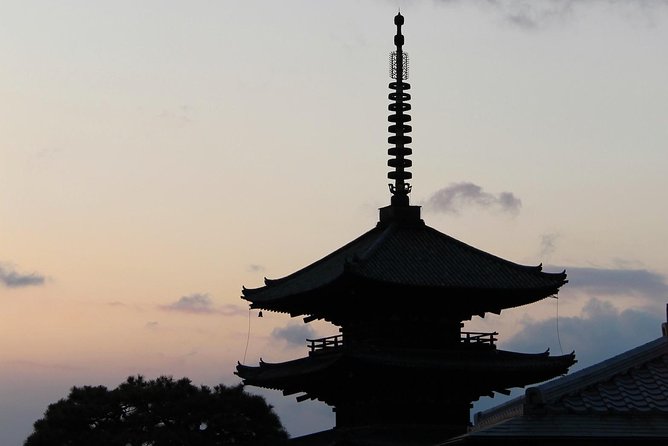
Camellia’s tea ceremony happens in Kyoto’s Higashiyama Ward, near the classic lanes people come to see in the first place. The meeting point is Tea Ceremony Camellia FLOWER, 349-13 Masuyachō, Higashiyama Ward, Kyoto 605-0826. It’s also noted as near public transportation, so you can arrive without planning a taxi-and-wait strategy.
This is a small classroom-style experience, capped at 8 people. That matters in a tea ceremony. Big groups can turn the ritual into a performance you observe. Here, you’re more likely to feel like you’re learning a careful craft with a patient instructor.
No pickup or drop-off is included, so you’ll handle your own way there. If you’re already in Higashiyama, you’re in good shape. If you’re coming from farther out, give yourself time for trains and a short walk so you don’t show up already flustered.
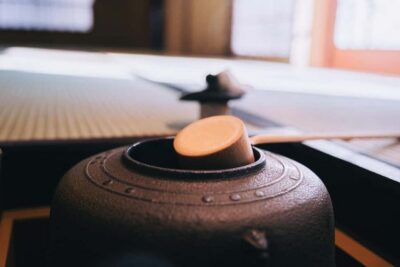
Sit for another bowl of matcha in a Kyoto tea house
What happens in the 45 minutes: matcha, utensils, and real practice
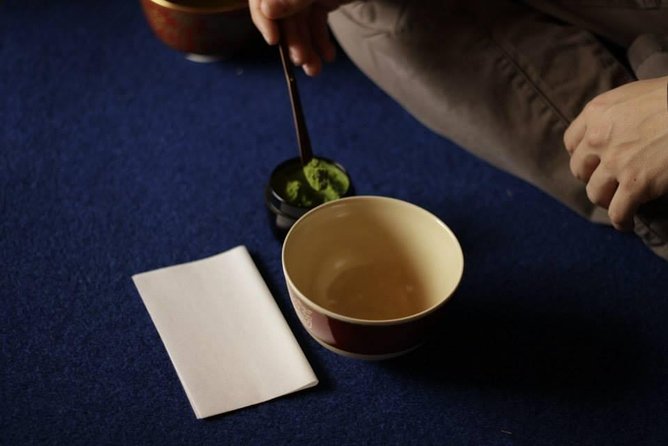
The rhythm of the ceremony starts right away with a warm welcome and a short introduction to matcha. You’ll get context for what you’re doing and why it’s done in a specific order. Then your instructor walks you through the ceremony steps, including what each utensil is for and why the room setup and decorations matter.
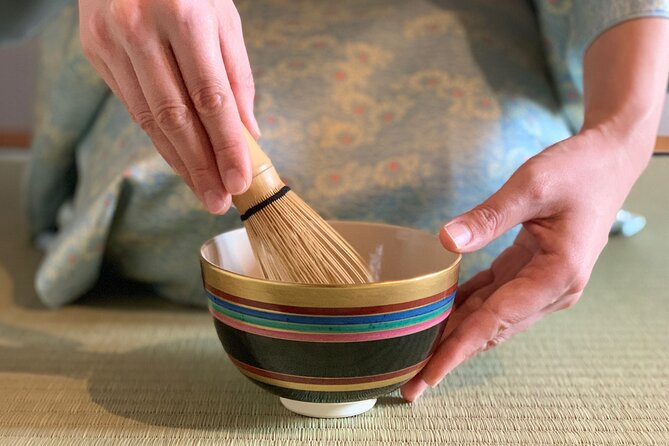
Here’s the practical part: you’re provided with the actual tools for making tea. That includes a tea bowl, tea scoop(s), and a whisk (plus what you need to whisk correctly). Your instructor shows the technique first, then you get your own turn making a bowl of frothy matcha.
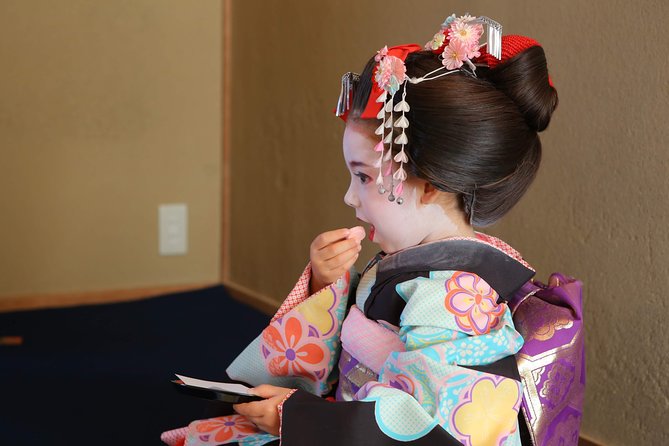
And yes, you’ll drink it. You’ll try matcha along with a seasonal sweet. That pairing is more than a snack break. In tea culture, the sweets help set the tone and balance the flavor experience, so your matcha taste isn’t floating on its own.
This ceremony ends with you making your own bowl and mastering the basics of tea making. Even if you’re brand-new, you should walk away understanding the sequence: scoop, whisk, and serve, with attention to the pace and care.
The meaning behind the steps: room layout, symbolism, and calm focus
A Kyoto tea ceremony isn’t just a recipe lesson. It’s also about the mindset. In this session, the instructor explains the importance of room decoration and layout, so you understand the ceremony as a whole space, not just a bowl and whisk.
You’ll also get insight into the seriousness of the ritual: how the steps connect to respect, mindfulness, and attention. One of the most consistent takeaways from people is that the host doesn’t treat the ceremony like a gimmick. They explain it like a centuries-old practice with meaning.
If you like “slow travel,” this part is your reward. You’ll spend 45 minutes doing something quiet and precise. That makes it a great counterweight to Kyoto sightseeing where you can bounce from temple to shrine to street in a hurry.
Also, the instructors are English fluent, and you’re encouraged to ask questions. That’s a big deal. If you’ve ever wondered why tea ceremonies look the way they do, this is your time to ask instead of guessing.
Sit comfortably: floor seating vs chairs and tables
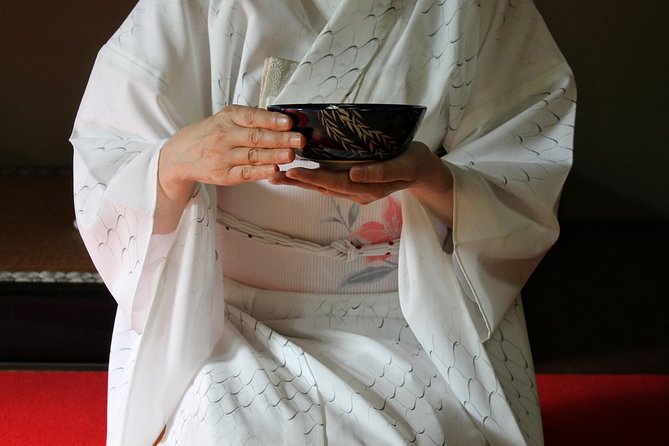
Tea ceremonies can be physically tricky if you’re not used to sitting on the floor. This one gives you options. Usually people sit on the floor, but chairs and tables are available if you prefer them.
That means you can focus on the technique instead of fighting your knees. If you know you’ll struggle with leg position, pick the chair option early when you’re on-site. Don’t try to be tough. Tea isn’t a test.
The session runs about 45 minutes, so you’re not committing to a long endurance exercise. Still, it’s long enough that small comfort choices matter.
One more planning point: the experience notes it is not wheelchair accessible. Service animals are allowed, which can help some visitors feel more at ease.
Matcha skills you can repeat at home (not just a souvenir)
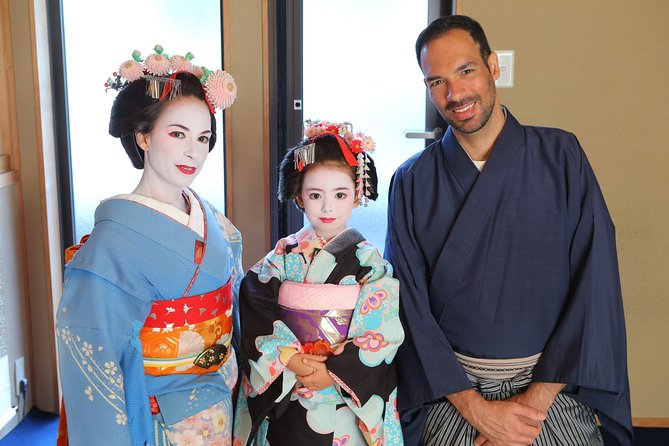
The value here isn’t only the ceremony itself. It’s the chance to practice the basics and leave with enough confidence to do it again.
During your session, you’ll learn how to whisk matcha into froth and how to handle the utensils correctly. The instructor also explains the steps clearly, including what you’re supposed to pay attention to while making your bowl. That turns the experience into something you can translate later, not just something you watch once.
If you’re the type who likes understanding craft details—how tools are used, why the order matters, what the ritual is trying to do—this is the sweet spot. And even if you’re not, you’ll still benefit from getting the technique right while everything is explained in real time.
If you plan on buying matcha supplies afterward, you’ll have a better idea of what matters: whisking style, texture, and the general timing of making tea.

Price and value: is $36.48 worth it?
At $36.48 per person for an approx 45-minute tea ceremony, you’re paying for three things: guided instruction in English, hands-on utensil practice, and the opportunity to taste matcha and a seasonal sweet in a structured ritual setting.
This is not a free-flow tea tasting. You don’t just sample. You actively make your own bowl. You also get an explanation tied to Kyoto tea schools, with instructors who speak English fluently and come from one of Kyoto’s three main tea ceremony schools. That educational component is part of the cost.
You may also see group discounts and a mobile ticket option. Those don’t change the core value much, but they can make the booking smoother and slightly cheaper if you’re going with friends.
In short: if you want a short cultural experience where you learn something practical and take it home mentally, this price can feel fair. If you only want a quick photo stop, you might be disappointed—this ceremony is designed to teach and slow you down.
Timing tips: how to slot this into a Higashiyama day
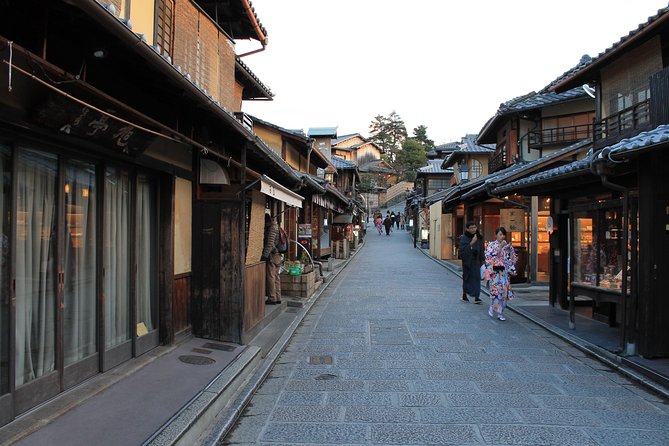
The best use of this experience is as a reset. Kyoto mornings and afternoons can get busy fast, especially in Higashiyama. A 45-minute ceremony gives you a clean block of time that’s calmer than most temple-hopping.
Because meeting is in Higashiyama, you’ll likely pair it with nearby walking. Just keep the schedule realistic. If you’re rushing from one attraction to another, you’ll feel it during the ceremony.
A smart approach is to plan for a short buffer. Arrive a few minutes early so you can settle in. Even if the ceremony starts on time, arriving early helps you not show up stressed, which defeats part of the point.
Who should book Camellia Flower?
This is a great fit if you:
- Want a hands-on matcha lesson, not a passive demo
- Appreciate calm, structured cultural activities
- Like asking questions and getting answers in English
- Want a short experience that still feels meaningful
It’s less ideal if:
- You need wheelchair accessibility (the activity is not wheelchair accessible)
- You’re looking for a long, multi-course meal experience
- You dislike sitting in a formal setting, even with the option of chairs
You can also bring kids, but there’s a clear rule: children under 6 can’t join. On the upside, the experience is listed as for all ages otherwise, and the small group format often helps make it manageable.
If you’re considering kimono rental, it’s available for an additional charge if you request it. Wearing one can make the whole experience feel more like you stepped into the tradition. But it’s optional.
Should you book this tea ceremony in Kyoto?
Yes, I’d book it if you want the classic Kyoto tea experience in a format that actually teaches you something. The combination of small group size, English instruction, utensils provided, and the chance to whisk your own matcha makes it good value for your time.
Skip it only if mobility access is a dealbreaker for you, or if you’d rather spend your limited Kyoto hours elsewhere. If you’re in Higashiyama anyway, this is one of the easier cultural stops to make feel personal and practical.
If you go, do one thing that pays off: arrive ready to slow down. Then focus on the steps. When you whisk your own froth, the experience clicks.
FAQ
How much does the Camellia Flower tea ceremony cost?
It costs $36.48 per person.
How long is the tea ceremony experience?
Plan around 45 minutes.
Where is the meeting point in Kyoto?
The meeting point is Tea Ceremony Camellia FLOWER, 349-13 Masuyachō, Higashiyama Ward, Kyoto 605-0826, Japan.
Is kimono rental included?
Kimono rental is not included. You can request it by message for an additional charge.
What is included for making matcha?
You’re provided tea bowls, tea scoops, and tea whisks so you can make your own bowl of matcha.
Can I take photos or videos during the ceremony?
Yes. Photos and short videos are permitted.
Is the experience wheelchair accessible?
No, it is not wheelchair accessible. Chairs and tables are available if you prefer.
Are children allowed to join?
It’s for all ages, but children under 6 years old cannot join.
What are the cancellation rules?
You can cancel for a full refund up to 24 hours before the experience starts. If it’s canceled due to poor weather, you’ll be offered a different date or a full refund.
More Tour Reviews in Kyoto
One More Bowl of Matcha

Just added: more Kyoto tours to browse



Kyoto Tea Ceremonies, compared.
 ★ 4.9Tea Ceremony in a Traditional Tea House in KiyomizuFrom $493,519 reviews
 ★ 4.9Tea Ceremony Ju-An at Jotokuji TempleFrom $293,207 reviews
 ★ 4.345-Minute Tea Ceremony Lesson ExperienceFrom $222,378 reviews
 ★ 4.9Table-Style Tea Ceremony at a Kyo-MachiyaFrom $451,211 reviews
 ★ 5.0Kimono Tea Ceremony at Kyoto Maikoya, NISHIKIFrom $65911 reviews
 ★ 5.0Arashiyama Bamboo Forest, Monkeys, Matcha & Temple TourFrom $53759 reviews
 ★ 4.9Tea Museum Tickets and Matcha Grinding ExperienceFrom $23739 reviews
 ★ 4.9Kimono Tea Ceremony at Orizuruya GionFrom $49618 reviews
Browse the lists this tour appears in