
Reviewed · KYOTO TEA CEREMONIES
Utilising upcycled Matcha! Creating matcha incense (Uji, Kyoto)
That is not your average craft lesson. This one turns Uji matcha into incense you warm for tea-sweet scent. In the quiet setting of Eshin-in Temple, you make 6–7 pieces that look like little sweets, then keep using them as aroma stones after the smell fades.
I love two things most: the clever idea of using matcha that would otherwise be discarded, and the calm, temple-garden setting with views across the Uji River toward Byodoin Temple. The main consideration is language. The instructor speaks only Japanese, and if you want English support you’ll need an interpreter and an on-site fee of ¥8,800 per group.
In This Review
- Key highlights before you go
- Matcha incense in Uji: why this craft feels special
- Eshin-in Temple: gardens, flowers, and Byodoin views
- The first 15 minutes: how matcha incense works (and why it’s smoke-free)
- Making 6–7 matcha incense pieces in 45 minutes
- What your pieces will look like
- What you’ll take home
- Using your incense at home: aroma now, keep-sake later
- Price and value in plain terms (what you get for $55.38)
- Who this is best for (and who might want to skip it)
- Making this part of your Uji day (without overthinking it)
- Should you book the matcha incense workshop?
- FAQ
- Where does the workshop take place?
- How long does the matcha incense workshop take?
- How many matcha incense pieces will I make?
- Is the incense made with anything besides matcha?
- Is there smoke involved?
- Can I get an English interpreter?
- What discounts are included?
- Is parking available?
- What is the cancellation rule for a full refund?
Key highlights before you go
- Eshin-in Temple setting: seasonal flowers in the garden plus a direct view of Byodoin Temple across the river
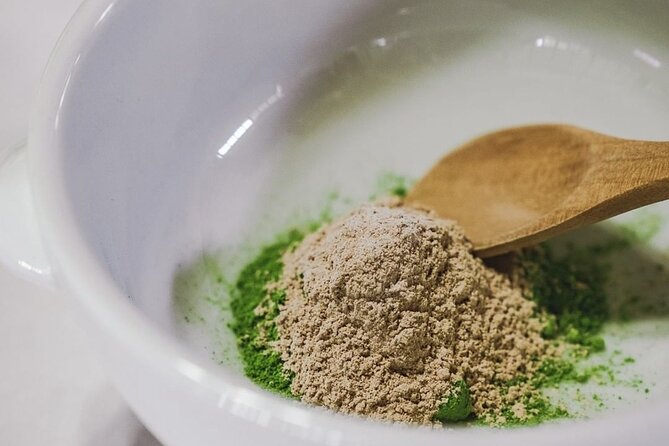
- Matcha-only incense process: you use only matcha, shaped using wooden moulds
- Warm, not smoke: the scent comes from warming the incense, so you don’t have to worry about smoke health hazards
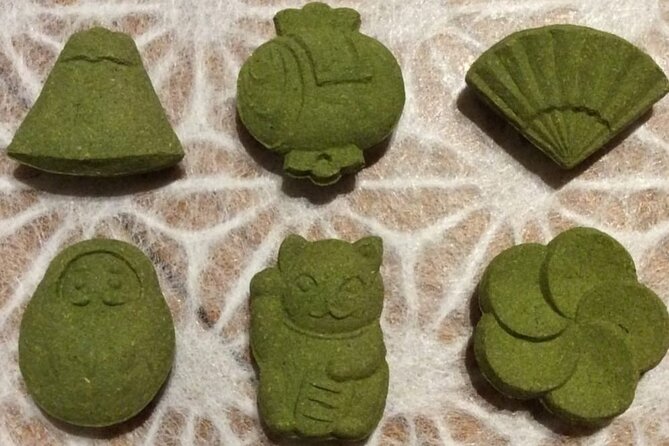
- Sweet-shaped keep-sakes: the form stays even after the aroma wears off, so you can reuse it as an aroma stone
- Small group feel: maximum of 8 travelers, with prompt start times
- Value add-ons: discounts to the Uji Municipal Tea House and the Tale of Genji Museum, plus a gift box (5 pieces)
Matcha incense in Uji: why this craft feels special
Uji is famous for tea, but this experience focuses on something more specific: matcha made into incense. Instead of a typical incense stick, you create small pieces designed to release aroma when warmed, not burned. It’s a fun twist on Japanese sensory culture that fits naturally into a Uji day.
The big hook is the origin of the ingredient. The matcha used starts as the stuff that accumulates in the crevices of the machine and has to be discarded. That’s then ordered again as fresh Uji matcha for the actual incense-making. So you get the eco-minded idea without the incense being made from leftovers.
I also like that the workshop doesn’t ask you to “perform” tea culture. You follow the steps, learn how it’s supposed to work, and leave with pieces that look charming on a shelf. The incense forms are shaped like edible sweets, which makes the take-home part feel more personal than a generic souvenir.
The only real trade-off is that the pace is fixed. Sessions begin promptly at the scheduled start time, so you’ll want to arrive early and avoid rushing at the last minute.
Sit for another bowl of matcha in a Uji tea house
Eshin-in Temple: gardens, flowers, and Byodoin views
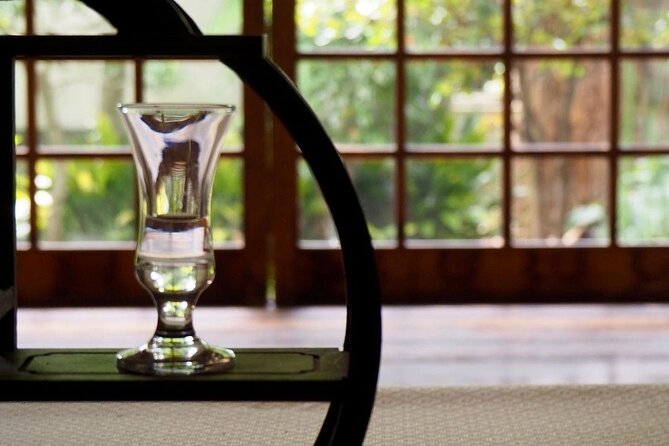
Your workshop happens at Eshin-in Temple, about a 5-minute walk from Uji Bridge, the center of tourism in Uji. Even if you’re only in town for a short stop, this location keeps the experience easy to fit between other Uji sights.
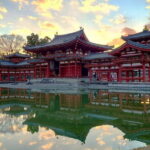
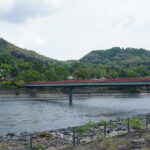
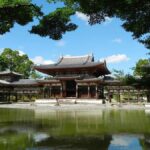
When you arrive, the atmosphere is part of the deal. The temple garden is cared for with seasonal flowers, tended by the abbot. And because Eshin-in sits with a view over the Uji River, you can look across toward Byodoin Temple, one of the most recognizable silhouettes in the area.
This matters for your enjoyment because it slows you down. You’re not in a noisy workshop room. You’re making something fragrant in a setting designed for quiet attention, which makes the hands-on part feel more meaningful.
One practical tip: temples can be a little tricky to find if you’re going by directions on the fly. Use the meeting point address to get your bearings, and give yourself the 5 minutes to settle in before the group starts.
The first 15 minutes: how matcha incense works (and why it’s smoke-free)
The session begins with an introduction—about 15 minutes—covering the idea behind matcha incense made from wooden moulds and how to burn or, more accurately here, warm it. This part sets expectations, because the incense is meant to release aroma through heat rather than open flame.
That warming approach is key to the comfort factor. You don’t have to worry about the health hazards of smoke the way you would with standard incense that’s burning visibly. So it’s a good fit if you’re sensitive to smoke, or if you just prefer a cleaner sensory experience.
You’ll also learn how the aroma relates to what you see. The incense is shaped like a sweet, and the piece is designed so that the form stays beautiful after the scent fades. That’s not just a nice detail—it affects how you’ll use the incense at home.
Instead of throwing it away once the initial fragrance is gone, you keep the piece and use it repeatedly as an aroma stone. That gives the workshop a longer “life” than many crafts that fade after one day.
Making 6–7 matcha incense pieces in 45 minutes
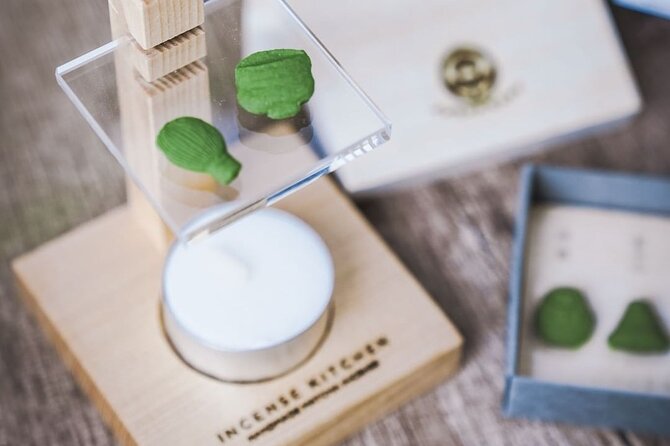
Once the intro ends, you get hands-on and make 6–7 pieces. This is the heart of the workshop, and you’ll spend about 45 minutes shaping and preparing your own matcha incense set.
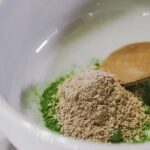
The process uses matcha as the only ingredient. The matcha is molded using wooden forms, which is part of what makes this method stand out. The instructor guides your steps, and because the group size is capped at 8 travelers, you should get enough attention to feel comfortable.
As you work, you’ll notice something about the texture. The raw material is described as clay-like and soft, with a soothing effect. That fits the temple setting perfectly. It’s not stressful “speed crafting.” It feels closer to careful shaping and calm repetition.
What your pieces will look like
Expect little incense pieces shaped like sweets. The look is designed to last, even after the aroma wears off. So if you care about aesthetics, you’re getting both a sensory experience now and a decorative one later.
What you’ll take home
You take home the 6–7 pieces you created. And if you want a ready-to-gift option, the experience also includes a special gift box with 5 pieces for each group booking made through the website. That makes it easier to bring back something for family or friends without having to plan extra shopping.
Using your incense at home: aroma now, keep-sake later
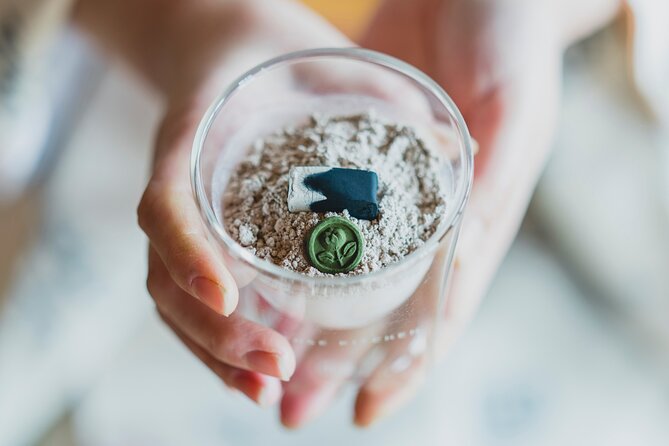
The workshop doesn’t just hand you an object—it helps you understand how to use it. The incense warms up to release the aroma of tea, and the scent is the point of the design.
Here’s how I’d plan to use yours once you get back:
- Use it when you want a gentle tea mood, not a loud, overpowering perfume.
- Once the fragrance fades, keep the sweet-shaped form. You can reuse it as an aroma stone.
This is where the value really shows. A lot of souvenirs are “one-and-done.” These are meant to keep giving after the workshop day.
Price and value in plain terms (what you get for $55.38)
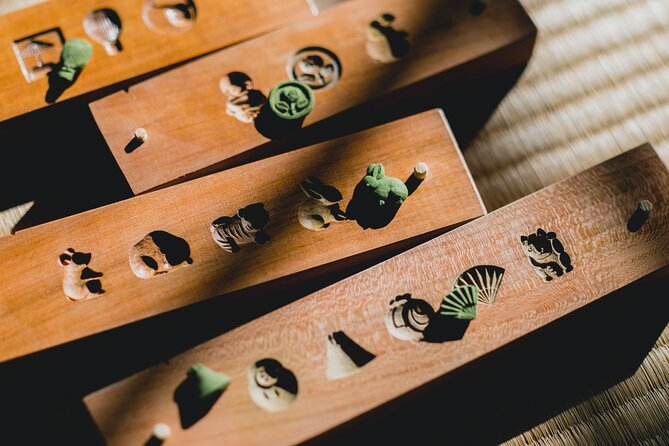
The price is $55.38 per person for about an hour, including all fees and taxes. That sounds straightforward, but the real question is whether you’re getting more than a single craft item.
You are, because the package includes:
- The incense you make (6–7 pieces)
- A gift box with 5 additional matcha incense pieces for each group booking
- Discount tickets to the Uji Municipal Tea House and the Tale of Genji Museum
- A parking space free of charge (one car)
- A mobile ticket
If you’re already planning to visit the Tea House or the Tale of Genji Museum, the discounts can noticeably reduce your overall costs. And even if you’re not, the take-home bundle plus the special gift box still makes the workshop feel like more of an “experience plus products” deal than a simple activity.
The small group size matters for perceived value too. With a max of 8 travelers and prompt starts, the workshop is set up for personal guidance, not a factory-style assembly.
Who this is best for (and who might want to skip it)
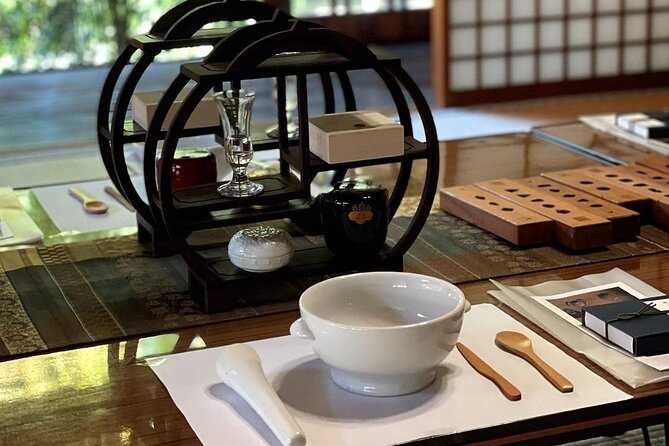
This workshop is a great match if you want:
- A hands-on activity that isn’t physically demanding
- A Kyoto-compatible souvenir that’s genuinely useful at home
- A calm, scenic setting with temple gardens and river views
It also fits families. Age information says rates apply from age 15 and up, and children under 14 can join with adults. That makes it a solid “do something together” option on a Uji day.
You might consider another activity if:
- You need full English instruction the entire time. You can select English, but an interpreter costs ¥8,800 per group on the day.
- You dislike situations with prompt start times. This one begins exactly on schedule.
Making this part of your Uji day (without overthinking it)
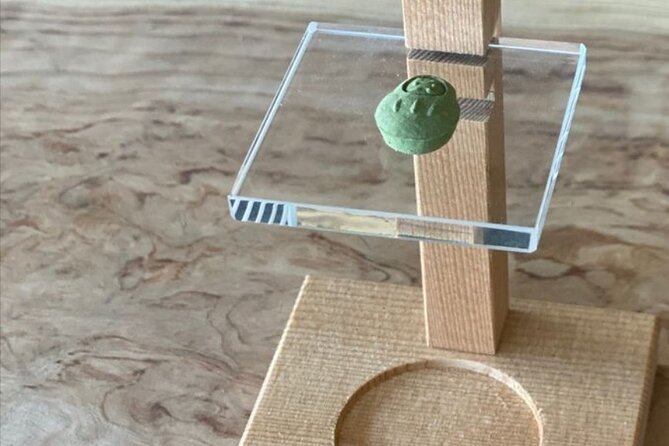
Because the workshop is about 1 hour and is near Uji Bridge, you can treat it like an anchor in your Uji plan. Start here if you want a slower moment in the middle of sightseeing, or schedule it after you’ve already explored the river area so you have time to stroll in the garden and soak up the view.
Use the included discount tickets as a simple planning tool. If the Uji Municipal Tea House and the Tale of Genji Museum interest you, you’ll likely be able to stack them neatly on the same day.
And don’t forget the view across the river. Even a short pause at the right moment can turn your workshop visit into a memorable “pause in Uji,” not just a class.
Should you book the matcha incense workshop?
Yes, if you want something different from the usual tea tasting circuit and you like the idea of taking home a scent object you can keep using. The combination of matcha-only ingredients, the wooden mould method, and the smoke-free warming style makes it feel both thoughtful and practical.
I’d especially recommend it if you’ll be in Uji anyway and you value added perks like the museum and tea house discounts, plus the extra gift box of incense. The only reason to hesitate is language. If Japanese instructions are a barrier for you, make sure you plan for the interpreter fee.
FAQ
Where does the workshop take place?
It takes place at Eshin-in Temple (Eishin-in), located a 5-minute walk from Uji Bridge in Uji, Kyoto. The start point address is Yamada-67 Uji, Kyoto 611-0021, Japan.
How long does the matcha incense workshop take?
The session is about 1 hour total.
How many matcha incense pieces will I make?
You’ll make 6–7 matcha incense pieces, and you take them home.
Is the incense made with anything besides matcha?
No. The workshop uses matcha as the only ingredient.
Is there smoke involved?
The incense is designed to be warmed so it releases aroma, and you don’t have to worry about the health hazards of smoke.
Can I get an English interpreter?
You can choose English when reserving, and an interpreter can be arranged. There is an additional fee of ¥8,800 per group paid on-site.
What discounts are included?
You receive discount tickets for the Uji Municipal Tea House and the Tale of Genji Museum.
Is parking available?
Yes. The experience includes one free parking space for one car. If the lot is full, you’ll need to use nearby paid parking.
What is the cancellation rule for a full refund?
Free cancellation is available up to 24 hours in advance for a full refund. If you cancel less than 24 hours before the start time, it is not refunded.
More of Uji and Its Matcha

One More Bowl of Matcha
Just added: more Uji tours to browse
Kyoto Tea Ceremonies, compared.
 ★ 4.9Tea Ceremony in a Traditional Tea House in KiyomizuFrom $493,519 reviews
 ★ 4.9Tea Ceremony Ju-An at Jotokuji TempleFrom $293,207 reviews
 ★ 4.345-Minute Tea Ceremony Lesson ExperienceFrom $222,378 reviews
 ★ 4.9Table-Style Tea Ceremony at a Kyo-MachiyaFrom $451,211 reviews
 ★ 5.0Kimono Tea Ceremony at Kyoto Maikoya, NISHIKIFrom $65911 reviews
 ★ 5.0Arashiyama Bamboo Forest, Monkeys, Matcha & Temple TourFrom $53759 reviews
 ★ 4.9Tea Museum Tickets and Matcha Grinding ExperienceFrom $23739 reviews
 ★ 4.9Kimono Tea Ceremony at Orizuruya GionFrom $49618 reviews
Browse the lists this tour appears in