
Reviewed · KYOTO TEA CEREMONIES
Slow Cycling Tour at Uji’s Matcha Green Tea Fields and Heritage
Bikes and matcha are a great combo. This slow cycling tour in Uji takes you through tea culture and long-running temple and shrine sites at an easy pace, guided by a local navigator on a stylish Brompton bicycle.
I especially like the small group size (up to 6), which keeps the ride relaxed and the stops unhurried. I also like that you get an English guide who connects the dots between tea production and the sacred places you pass.
One thing to consider: key entry tickets are optional add-ons—Chazuna and Byodo-in Phoenix Hall aren’t included—so you’ll want some extra yen ready, and the tour depends on good weather.
In This Review
- Key highlights you’ll feel right away
- Uji by Brompton: Why this slow ride works so well
- Price and what you actually get for $130.46
- Start point and timing: the 10:00 am rhythm
- Stop-by-stop: Chazuna, shrines, a Zen temple, and river calm
- Chazuna (Tea and Uji Town Exchange Centre): set the tea stage
- Uji Shrine: a long-running spiritual connection
- Ujigami Shrine: Kirihara Water and paired context
- Asagiri Bridge: photo time over the Uji River
- Koshoji Temple: Zen calm and a beautiful stone slope
- Amagase Dam: the quiet part of the ride
- Byodo-in Omotesando and Phoenix Hall: the big ending choice
- The navigator factor: why local guidance changes the whole day
- How to think about the ride: effort level and comfort
- What to bring, and what you can leave at home
- Should you book the Uji Matcha Slow Cycling Tour?
- FAQ
- How long is the slow cycling tour in Uji?
- Where does the tour start, and when does it run?
- What’s included in the price?
- Are Chazuna and Byodoin Phoenix Hall tickets included?
- Do I need to bring my own bike helmet or cycling gear?
- Is lunch included?
- How big is the group?
- What happens if the weather is bad?
- Is optional travel insurance available?
Key highlights you’ll feel right away
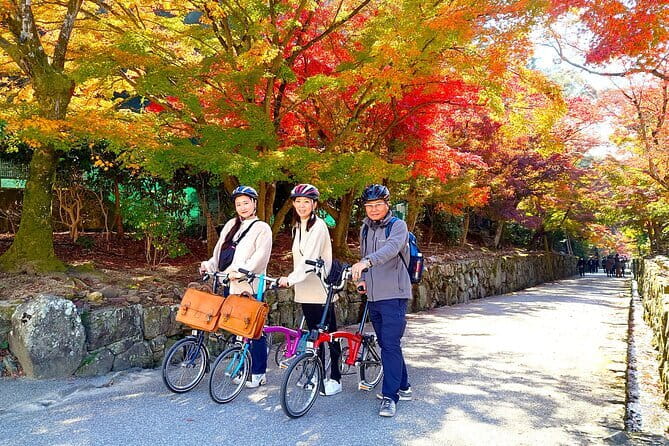
- BROMPTON bicycle + slow pace: comfy for people who want sightseeing without sprinting
- Up to 6 people: quick questions, more flexibility, less crowd pressure
- Tea culture first: Chazuna sets the context before the shrines and temples
- Scenic river routing: Asagiri Bridge photo time and a calm nature trail near Amagase
- Real-world guidance: a navigator helps you move through Uji efficiently and comfortably
- Optional big-ticket stops: Byodo-in Phoenix Hall and extra tea-shop time if you want it
Uji by Brompton: Why this slow ride works so well
Uji sits south of Kyoto, and it plays in two worlds at once: matcha tea production and heritage sites that have been meaningful for centuries. The trick with Uji is that the best parts don’t always line up neatly on foot, and they don’t always fit the pace of a typical sightseeing rush. This tour solves that with slow cycling—meaning you get motion, but not strain.
I like the way this ride keeps things calm. You’re not conquering steep climbs or doing long distances. You’re moving at a speed where you can actually hear explanations, look around, and stop for photos without feeling like you’re falling behind.
Also, the Brompton style matters more than it sounds. The bike is easy to handle, and it makes the whole day feel like an experience instead of a checklist. Several people on the tour finish the day talking about the bike itself and the photos they got along the way. That’s not fluff; it changes how the day feels.
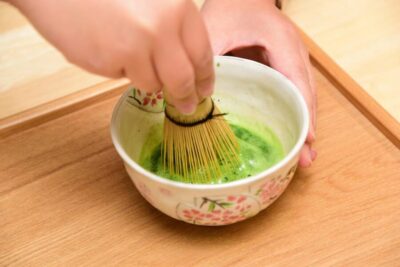
Sit for another bowl of matcha in a Uji tea house
Price and what you actually get for $130.46
At $130.46 per person, this is a fairly straightforward “guided bike day” price. What helps the value is what’s included: the bicycle rental, an English guide/navigator fee, and riding equipment like helmets plus bags for wheeled transport. In other words, you don’t have to hunt for bike gear or deal with logistics once you meet up.
What’s not included matters too, and you should plan for it. The tour lists optional insurance (500 yen) and optional ticket fees for Chazuna (600 yen) and Byodo-in Phoenix Hall (700 yen). There are also snacks not included, but your navigator suggests places to eat based on what you want.
So the real value question becomes this: do you want a guided route with ride equipment and English explanations, rather than piecing it together on your own? If you want the “less thinking, more seeing” version of Uji, this price usually makes sense.
Start point and timing: the 10:00 am rhythm
You meet at Chatsubo Postbox in Uji, at Uji Station (the address shown is Umonji 1716, Uji). The tour starts at 10:00 am, and you finish back at the same meeting point.
A morning start is smart here. Shrines and temples tend to feel more peaceful earlier in the day, and you’ll also avoid some of the heat if you’re traveling in warmer months. Plan to arrive a bit early so you can get comfortable with the bike and meet your navigator without feeling rushed.
The tour runs about 4 hours 30 minutes. That’s long enough to cover multiple sites and still have breathing room at each stop. It’s also short enough that you won’t feel like the day disappeared into transportation.
Stop-by-stop: Chazuna, shrines, a Zen temple, and river calm
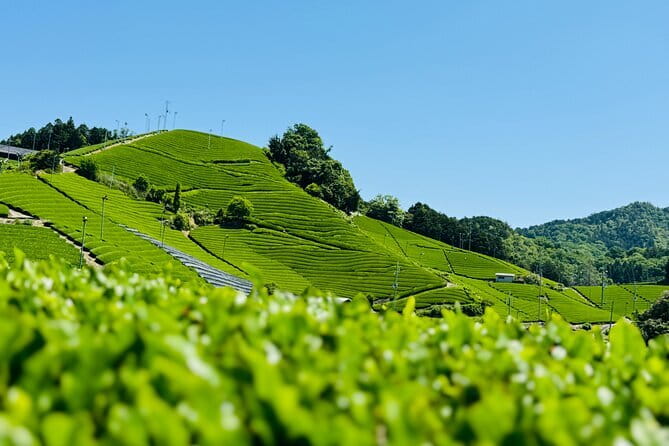
This is the part you’ll remember: a sequence that mixes tea context, spiritual sites, and a scenic river feel. The tour is designed so you’re not constantly cycling hard—most of your time is shared between riding segments and short, clear stop visits.
Chazuna (Tea and Uji Town Exchange Centre): set the tea stage
Your first stop is Chazuna, the Tea and Uji Community Center. This is where you learn about Kyoto-area tea culture and history. The entry ticket is optional (listed as 600 yen).
Why it’s a good first move: if you hit the tea topic after you’ve already seen shrines and bridges, you might enjoy the sites but miss some of the meaning tied to tea. Starting with Chazuna helps you understand what matcha represents locally—so later, when you see Uji’s heritage places, the day has a theme you can actually follow.
Time on site: about 45 minutes.

Uji Shrine: a long-running spiritual connection
Next up is Uji Shrine. It’s described as having a history of over 1,700 years, and it’s believed to be beneficial for academic success and childbirth.
Entry is free, and you’ll spend about 30 minutes here.
This isn’t the kind of stop where you just stand around taking photos. The real value comes from having an English navigator frame the site so you know what to notice. Even if you’ve visited other shrines in Japan, Uji Shrine has its own identity—especially when your day is already centered on place and tradition.
Ujigami Shrine: Kirihara Water and paired context
You then visit Ujigami Shrine, paired with Uji Shrine. The grounds include a spring called Kirihara Water, one of the seven famous waters of Uji.
Time: about 30 minutes, also free.
This stop works well after Uji Shrine because you can compare how the two spaces relate. The “paired shrines + famous spring” detail gives you an easy way to understand why Uji is more than just a tea town—it’s also a place defined by specific water and sacred tradition.
Asagiri Bridge: photo time over the Uji River
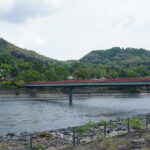
Then you hit Asagiri Bridge. It’s a short stop (about 15 minutes) and free, and it’s mainly a good photo break over the Uji River.
The point here isn’t a long explanation. It’s that you’re cycling through Uji and then suddenly you get that open river view. If you care about images, this is one of your easiest “get the shot, move on” moments.
Koshoji Temple: Zen calm and a beautiful stone slope
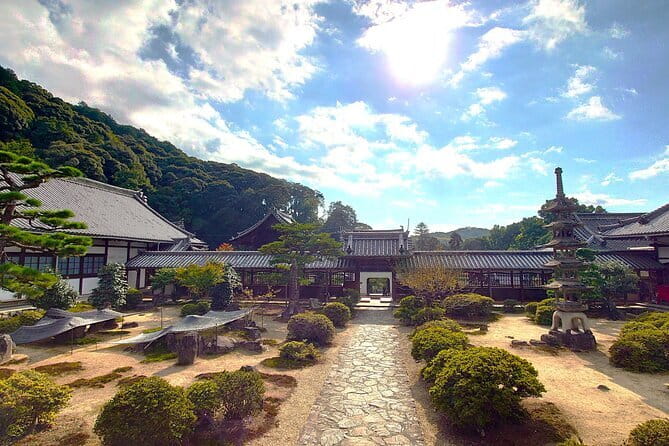
Next is Koshoji Temple (also spelled Koushoji on the listing), a Zen temple with about 800 years of history. You’ll also see the Kotosaka slope on the path from the stone gate to the temple grounds, described as a beautiful stone-walled path.
Time: about 30 minutes, free.
The drawback? Temple visits always depend on what’s accessible and how you feel about short walks and paths. The slope detail suggests there is some structured path movement, so wear comfortable footwear even if the overall day is “slow cycling.”
Amagase Dam: the quiet part of the ride
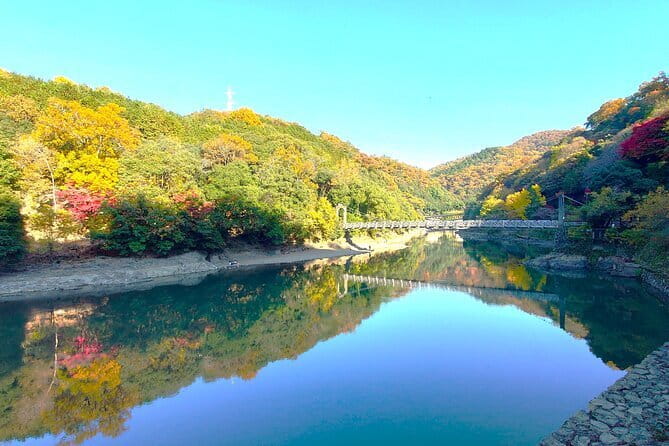
You’ll spend about 1 hour at Amagase Dam, plus a nature trail along the Uji River. The highlight is an Amagase Bridge viewpoint, where the valley view is described as so tranquil that you can forget the bustle of Kyoto.
Free entry.
This is the stop that often turns a “nice sightseeing day” into a genuinely relaxing one. After several heritage sites, the river trail gives your mind a reset. In warmer weather, routes like this can feel like a small mercy—shaded bits and a calmer pace—so it’s the kind of place that benefits from taking your time rather than rushing through.
Byodo-in Omotesando and Phoenix Hall: the big ending choice
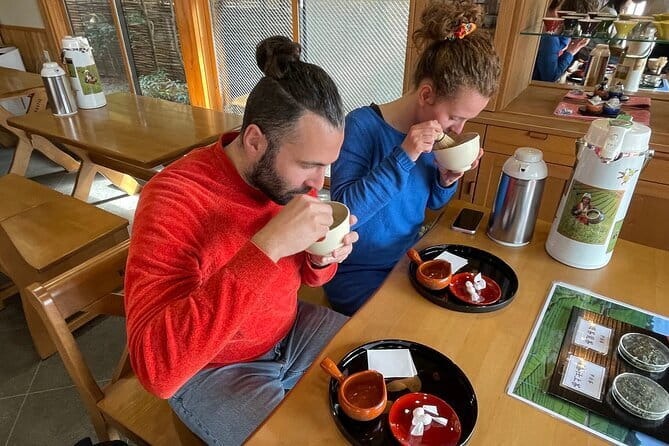
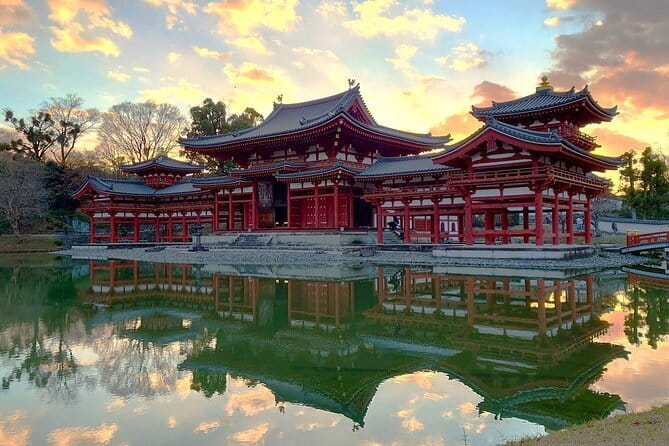
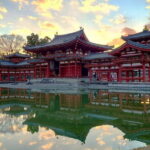
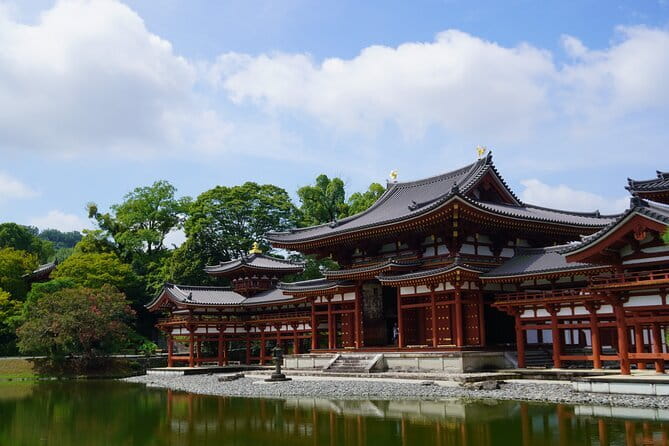
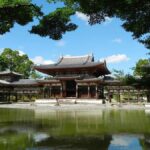
On the return portion, you have Byodo-in Omotesando time. The tour may include visiting Byodoin Phoenix Hall, a UNESCO World Heritage Site, or grabbing a cup of tea in one of Uji’s tea shops.
Byodo-in Phoenix Hall entrance fees are optional (listed as 700 yen). The listing also flags that tea-shop stops can be part of the end of the tour.
I like this arrangement because it gives you control. If you want the famous Phoenix Hall, you can lean into the heritage. If you’d rather prioritize eating and matcha, you can do that too. Some people also talk about finishing with a matcha drink—so if that’s your main goal, this is the part of the day to pay attention to.
Time: about 1 hour in this final area.
The navigator factor: why local guidance changes the whole day
This is not just bike rental. It’s a navigator-led route, and that’s where Uji gets easier. With a local guide, you spend less time figuring out how to link sites and more time understanding what you’re looking at.
From past riders’ comments, the guides—like Takashi in multiple write-ups—tend to be friendly, explain tea culture and history clearly, and help you find scenic spots rather than sticking only to obvious locations. That matters because Uji is charming, but it’s not built like a single straight tourist avenue.
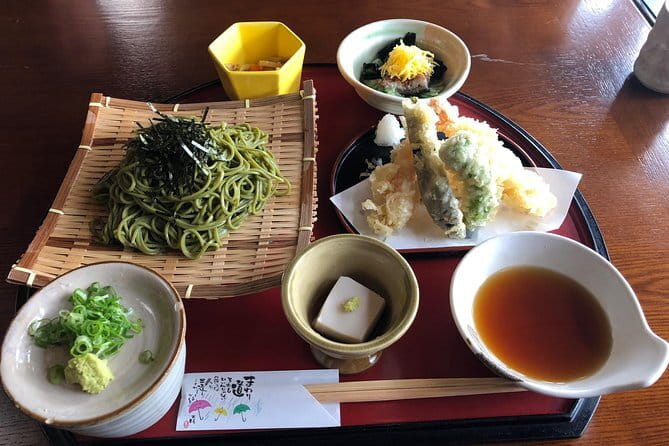
One more practical benefit: your navigator can suggest where to eat. Lunch isn’t included, but the guide can steer you toward places that match what you want. One rider specifically highlighted a lunch spot that worked for vegan and gluten-free needs, which tells you the guide is thinking about real constraints, not just geography.
How to think about the ride: effort level and comfort
This tour is designed for slow cycling, and the information says most people can participate. That doesn’t mean it’s a stroller walk. You’ll still be pedaling and handling the bike between stops.
What makes it work for more people:
- Short stops with breaks built in
- Helmets and bike equipment provided
- A route shaped for a relaxed pace rather than speed
If you’re the type who gets tired on bike rides, you’ll still want basic bike comfort: water, sun protection, and shoes you don’t mind walking in for temple paths. If you’re traveling in hotter months, prioritize hydration and plan to use the shaded stops and bridge pauses as your rhythm.
What to bring, and what you can leave at home
Because the tour provides helmets and bike equipment (including bags for wheeled transport), you don’t need to show up with cycling gear. That’s one less hassle on a trip.
Still, bring:
- Comfortable footwear for temple paths
- A light layer if you get cool from morning air or river breezes
- A small amount of cash/yen for optional entries (Chazuna and Byodo-in Phoenix Hall)
- Sunscreen and water if it’s warm
If you’re sensitive to crowds, note that the route avoids the kind of packed feeling you might get elsewhere in Kyoto. The tour is built around multiple short stops rather than funneling you into one massive attraction at peak time.
Should you book the Uji Matcha Slow Cycling Tour?
Book it if you want:
- A guided, English-led way to see Uji’s tea culture and heritage without stressful logistics
- A relaxed pace that still gets you moving between sights
- A day that includes scenic river views and a tea-themed ending
Skip it (or rethink) if:
- You only want major ticket attractions with no optional add-ons
- You strongly prefer self-guided travel with zero structure
- You’d rather spend a full day in one place instead of doing multiple stops
For most people, this tour hits a sweet spot: matcha context at the start, calm spiritual and scenic stops in the middle, and a flexible finish near Byodo-in. If Uji is on your Kyoto area plan, it’s a smart way to experience it at a human pace—on a bike that’s fun even when you’re not trying to be a cyclist.
FAQ
How long is the slow cycling tour in Uji?
The tour lasts about 4 hours 30 minutes.
Where does the tour start, and when does it run?
It starts at Chatsubo Postbox near Uji Station (Umonji 1716) and begins at 10:00 am. The tour ends back at the meeting point.
What’s included in the price?
The price includes bicycle rental, an exclusive navigator fee, riding equipment like helmets and bags for wheeled transport, and an English guide.
Are Chazuna and Byodoin Phoenix Hall tickets included?
No. Chazuna entrance is listed as an optional ticket (600 yen), and Byodoin Phoenix Hall entrance is listed as an optional ticket (700 yen).
Do I need to bring my own bike helmet or cycling gear?
No. Helmets and other riding equipment are provided.
Is lunch included?
Lunch isn’t listed as included. The navigator can suggest restaurants during the tour based on your preferences.
How big is the group?
The tour has a maximum of 6 travelers.
What happens if the weather is bad?
The experience requires good weather. If it’s canceled due to poor weather, you’ll be offered a different date or a full refund.
Is optional travel insurance available?
Yes. An optional insurance fee is listed as 500 yen.
More of Uji and Its Matcha
One More Bowl of Matcha
Just added: more Uji tours to browse

Kyoto Tea Ceremonies, compared.
 ★ 4.9Tea Ceremony in a Traditional Tea House in KiyomizuFrom $493,519 reviews
 ★ 4.9Tea Ceremony Ju-An at Jotokuji TempleFrom $293,207 reviews
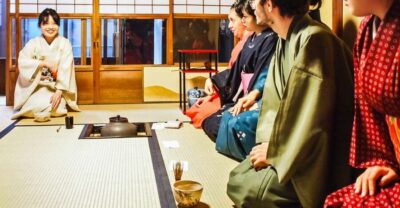 ★ 4.345-Minute Tea Ceremony Lesson ExperienceFrom $222,378 reviews
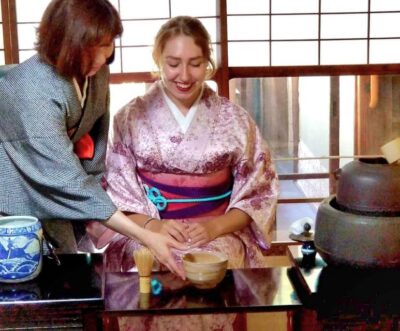 ★ 4.9Table-Style Tea Ceremony at a Kyo-MachiyaFrom $451,211 reviews
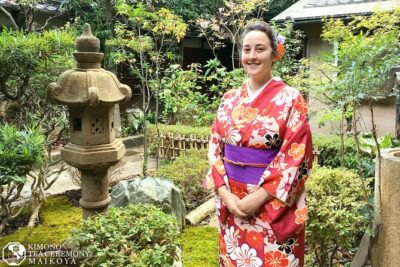 ★ 5.0Kimono Tea Ceremony at Kyoto Maikoya, NISHIKIFrom $65911 reviews
 ★ 5.0Arashiyama Bamboo Forest, Monkeys, Matcha & Temple TourFrom $53759 reviews
 ★ 4.9Tea Museum Tickets and Matcha Grinding ExperienceFrom $23739 reviews
 ★ 4.9Kimono Tea Ceremony at Orizuruya GionFrom $49618 reviews
Browse the lists this tour appears in