
Reviewed · UJI & MATCHA DAY TRIPS
Uji: Private immersion into Kyoto’s tea and reglious culture
Tea and temples, in one calm morning. In Uji, a short ride from Kyoto, I love that you get hands-on gyokuro tasting and a guide who connects tea habits to Japanese spirituality at major stops like Byodo-in. It’s the kind of day where the details make sense fast, from how tea is prepared to why temples and shrines talk about the same ideas.
One thing to know: the route includes many stairs, so wear good shoes and let the operator know if you need modifications.
In This Review
- Key moments that make this Uji tour worth your time
- Uji feels calmer than central Kyoto, and that matters
- Takumi-no Yakata: the gyokuro tasting that actually teaches the process
- Ujigami Shrine: why tea-town spirituality starts with water
- Koshoji Temple: Zen in Kyoto and the tea ceremony’s roots
- Byodo-in Temple and museum: UNESCO views plus context you’ll appreciate
- Byodo-in Omotesando and Uji Park: tea shop street + river life
- Price and what you’re really paying for
- Timing, meeting point, and how to prepare
- Who should book this Uji tea-and-Buddhism tour
- Should you book this Uji tea and Buddhism tour?
- FAQ
- How long is the Uji private tea and religious culture tour?
- Where does the tour start?
- What’s included in the ticket price?
- Is food included during the tour?
- How many people are in the group?
- Is the tour difficult to walk?
Key moments that make this Uji tour worth your time
- Takumi-no Yakata gyokuro lesson: you slow-steep the highest-grade green tea while learning the steps, not just watching
- Ujigami Shrine’s sacred water: a UNESCO shrine tied to underground spring water that bubbles up naturally
- Koshoji Temple and Zen’s tea connection: an oldest Soto Zen temple in Kyoto context for the tea ceremony’s roots
- Byodo-in Temple Hall on a man-made lake: plus museum time to add meaning beyond the postcard view
- Byodo-in Omotesando tea street + Uji Park: tea shop atmosphere and river traditions, including cormorant fishing
Uji feels calmer than central Kyoto, and that matters
Uji is the tea town you picture when you want Kyoto without the crush. This tour is built around a gentle flow between spiritual sites and tea culture, so you’re not just checking boxes—you’re learning how the same place can hold both quiet ritual and everyday craft.
I like that the day is private (small group, up to 8), which usually means you can ask follow-up questions when something clicks. And with a 9:00 am start and a 4-hour window, you’re positioned to see key areas before they get crowded.
If you’re coming from Kyoto, this is also an easy change of pace: Uji lets you swap city intensity for river air, older architecture, and the smell of tea drifting out of shopfronts.
More matcha and riverbank temples out in Uji

Takumi-no Yakata: the gyokuro tasting that actually teaches the process
Your first real tea moment is Takumi-no Yakata, where you’ll do a one-of-a-kind gyokuro experience. Gyokuro is described as the highest grade of Japanese green tea, and the big focus here is technique.
Instead of a simple tea pour, you slow steam the leaves in increasingly warm water. That step-by-step method matters because it shows why gyokuro tastes the way it does—so you don’t just get a sample, you get a framework you can remember later.
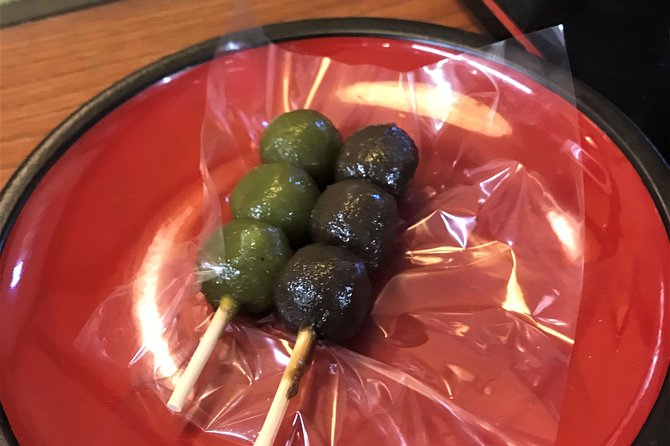
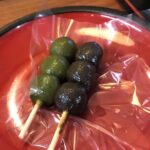
You also get a sweet alongside the tasting. I find this pairing helpful. It keeps the experience grounded in daily Japanese tea culture rather than turning it into a lecture-only event.
Practical note: food and drink outside the tea experience isn’t included, so don’t build the day expecting a full meal to be covered.
Ujigami Shrine: why tea-town spirituality starts with water
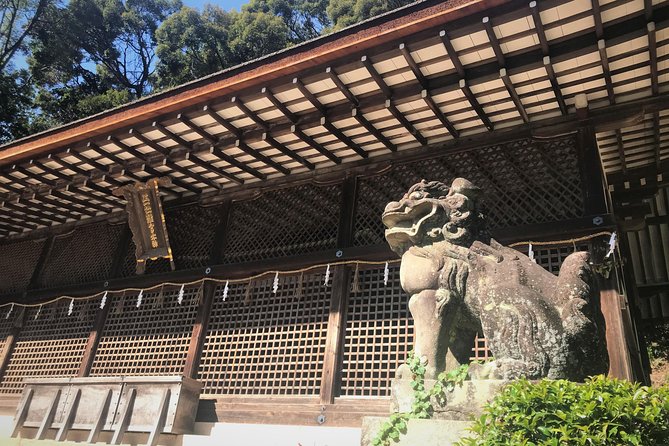
Next is Ujigami Shrine, a UNESCO site and described as the oldest original shrine in Japan. If you’re the kind of person who notices small physical details, this stop will reward you.
The shrine also has the last of Uji’s underground spring water that bubbles up to the surface. That connection—water coming from the earth, then flowing into a culture that celebrates tea—gives the day a strong backbone.
It’s not just pretty shrine scenery. The guide’s job is to help you see why places like this would become linked with rituals that feel everyday and sacred at the same time. Tea culture in Japan often treats preparation, timing, and attention as almost moral actions, and Ujigami Shrine is a good place to feel that theme.
Plan for about 30 minutes here. Take your time looking around, but don’t rush—this is one of the slower, more contemplative stops.
Koshoji Temple: Zen in Kyoto and the tea ceremony’s roots
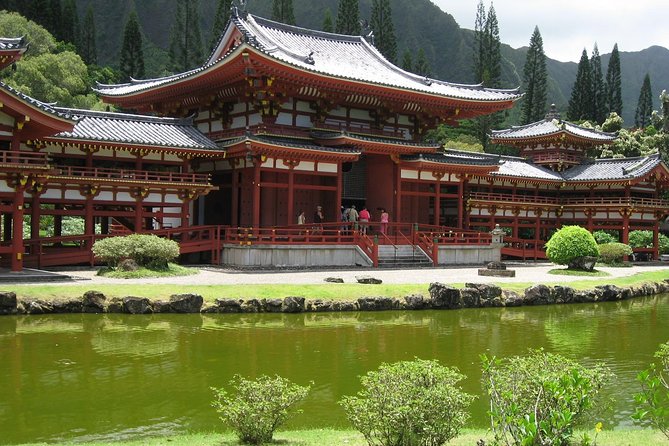
Koshoji Temple is your end-point for the religion-and-tea thread before you move into the Byodo-in area. This is the oldest Soto Zen temple in Kyoto, and that title sets expectations: you’re not just touring a building, you’re walking into a tradition.
Zen Buddhism originally came in from China and helped pioneer the tea ceremony in Japan. That’s the key idea you’ll connect to as you move through the space and hear how the tea ritual fits into a wider spiritual practice.
I like stops like this because they answer a common question you might have: why does tea feel like more than a drink in Japan? When you link Zen discipline with tea preparation, you start to understand why the ceremony can feel both calm and serious.
Another 30 minutes works well here. It gives you time to absorb the setting without turning the day into a marathon of temples.
Byodo-in Temple and museum: UNESCO views plus context you’ll appreciate
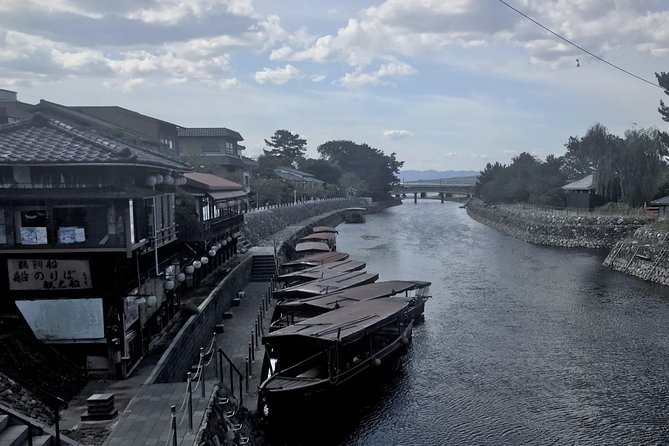
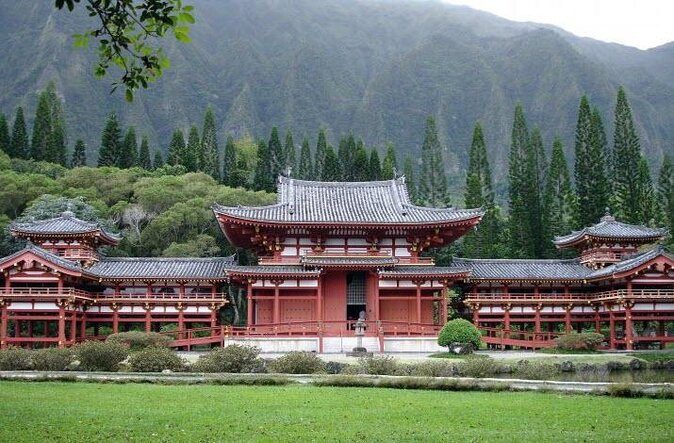
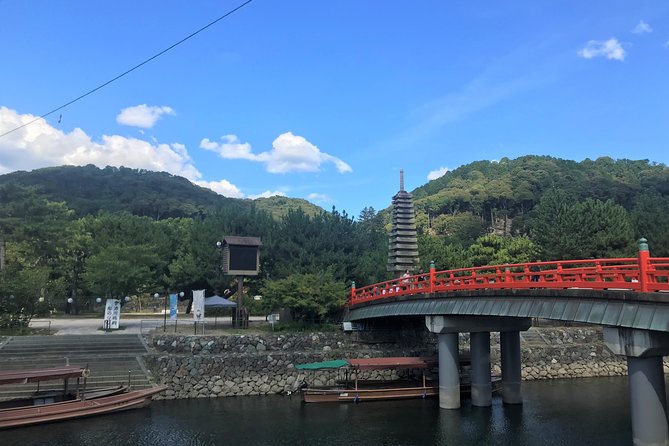
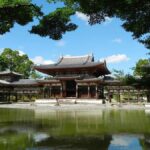
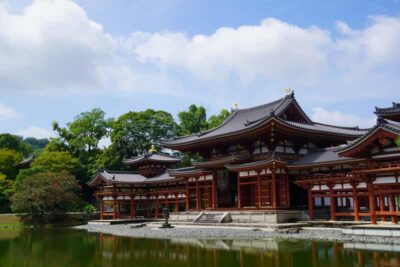
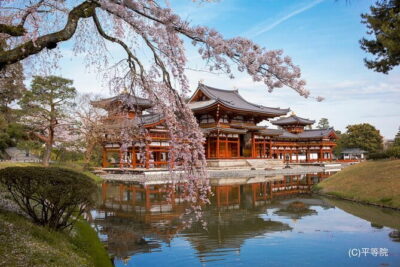
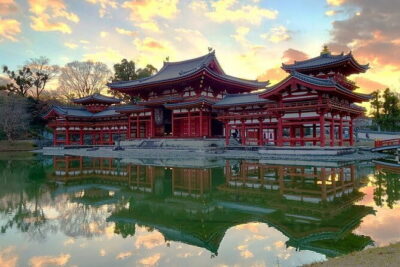
Byodo-in Temple is the highlight for many people for good reason. Dating back to the Heian period, it includes the magnificent temple hall sitting on a man-made lake. It’s the kind of scene that looks like it belongs on paper screens and postcards, but you’ll get more out of it if you’re guided through what you’re seeing.
You’ll also visit the museum, and that part is important. Without museum time, big temple stops can feel like you’re only collecting photos. With the museum included, the site becomes easier to interpret—why certain elements matter, and how the story connects to tea culture and religious life.
A practical detail that’s worth knowing: Byodo-in is also the same temple featured on the 10 yen coin. Even if you’ve seen the coin before, seeing the temple area in person gives you a better sense of scale and atmosphere.
Expect about 45 minutes for this temple block. If the weather is good, the area around the lake will be a highlight. If it’s raining, the museum becomes even more useful.
Other Uji tours and experiences to compare
Byodo-in Omotesando and Uji Park: tea shop street + river life

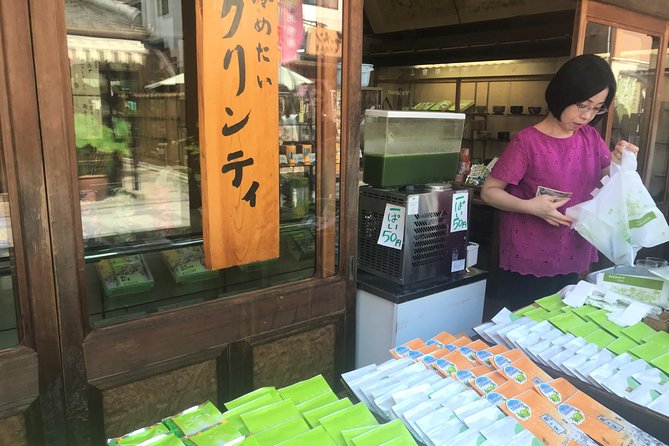
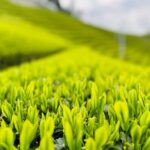
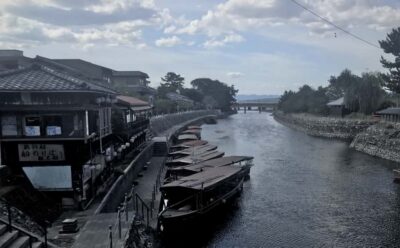
After Byodo-in, the tour follows the pilgrimage street leading to the temple: Byodo-in Omotesando. This stretch is lined with tea shops, including places that date back to medieval times. That means you get more than sightseeing—you get a sense of how long tea trade and tea branding have shaped the neighborhood.
The guide helps you notice the range of tea produced in the region. Even if you’re not buying anything, you’ll start recognizing how tea styles and flavors are discussed in Japan: this is where your tasting experience becomes useful.
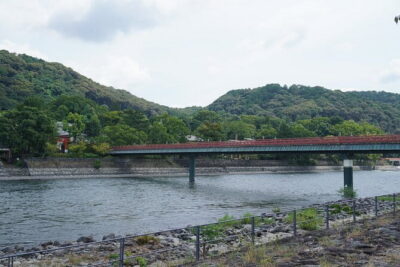
Next is Prefectural Uji Park, an island in the middle of the river. It’s a pleasant change from shrine-and-temple density. You’ll also learn about the ancient tradition of cormorant fishing, tied to the river’s history.
This pair of stops (Omotesando + park) is a nice “breathing moment.” It keeps the day from feeling all ritual and no real-world rhythm. You end with an image of Uji as a living tea-and-water town, not just a museum set.
Price and what you’re really paying for
At $162.41 per person for a 4-hour private tour, it’s not a bargain-bin price. But it’s also not just paying for someone to walk beside you.
What’s included is meaningful:
- admissions to the temples and the museum at Byodo-in
- a gyokuro tea house experience with a Japanese sweet
Once you factor in those admissions plus the guided tea preparation, the cost feels more like a guided cultural service than a basic walking tour. You’re also paying for a small group size (up to 8) and a private-format experience.
A useful planning tip: the tour is booked about 38 days in advance on average. If you want a specific day, try not to wait until the last week.
Timing, meeting point, and how to prepare
This tour starts at 9:00 am and meets at the Keihan Uji Station Information Centre (Otsukata, Uji), near public transportation. It ends back at the meeting point, so you don’t have to map your own return.
Because the itinerary includes many stairs, wear comfortable shoes. If stairs are an issue for you, tell the operator ahead of time so they can make suitable modifications.
Also bring a practical mindset for the tea street area. The tour doesn’t include food outside the tea experience, and the shops on Byodo-in Omotesando are the kind of place where you may want to buy something small. One simple habit I recommend: keep some cash on hand for shop purchases, just in case a vendor’s payment options don’t match your expectations.
If you like learning with your hands, you’ll also appreciate the tea segment. Gyokuro is not a quick tasting pour; it’s a method.
Who should book this Uji tea-and-Buddhism tour
This is a great fit if you:
- want a calmer break from Kyoto crowds while still seeing major UNESCO sites
- care about understanding tea culture, not just drinking it
- enjoy pairing spirituality with everyday practices (tea preparation, sacred water, Zen context)
- like small-group or private pacing so questions don’t get rushed
It may be less ideal if:
- you need a very flat, low-step walking route (the day includes many stairs)
- you’re expecting food to be included beyond the tea house portion
- you only want surface-level temple photos and don’t want explanations
Should you book this Uji tea and Buddhism tour?
Yes—if your goal is a guided, tea-focused day in Uji that links gyokuro to religion and ritual in a way that feels logical. The included admissions and tea experience make the price easier to justify, and the stops are well matched: shrine water, Zen temple roots, Byodo-in’s UNESCO presence, and then the tea street and river life that show the town as a working cultural place.
If you book, do two things for the best day: wear shoes made for stairs, and plan your meal on your own after the tour since food outside the tea tasting isn’t included.
If you want, tell me your travel month and whether stairs are an issue for you, and I’ll suggest a simple plan for timing the rest of your day in Kyoto after you return to the meeting point.
FAQ
How long is the Uji private tea and religious culture tour?
It runs about 4 hours.
Where does the tour start?
The meeting point is the Keihan Uji Station Information Centre (Otsukata, Uji), and the tour ends back at the meeting point.
What’s included in the ticket price?
You get admission to all temples and the museum at Byodoin, plus a gyokuro tea house experience with a Japanese sweet.
Is food included during the tour?
Food and drink outside of the tea experience are not included.
How many people are in the group?
The maximum group size is 8 travelers.
Is the tour difficult to walk?
It includes many stairs, so you should have a moderate physical fitness level. If stairs are a problem, you should let the operator know so they can make suitable modifications.
More Private in Uji
More Tour Reviews in Uji
More of Uji and Its Matcha
Just added: more Uji tours to browse

Uji & Matcha Day Trips, compared.
 ★ 4.8Uji: Green Tea Tour with Byodoin and Koshoji Temple VisitsFrom $11172 reviews
 ★ 4.6Uji: UNESCO Heritage & Tea Ceremony Walking TourFrom $6654 reviews
 ★ 5.0Matcha Grinding Experience and Walking Tour in Uji KyotoFrom $13026 reviews
 ★ 5.0Slow Cycling Tour at Uji’s Matcha Green Tea Fields and HeritageFrom $13025 reviews
 ★ 5.0Kyoto & Uji: Full Day Sightseeing Tour from Osaka or KyotoFrom $5725 reviews
 ★ 5.0Uji and Wazuka Matcha Farm Half Day Private Guided TourFrom $36021 reviews
 ★ 5.0Uji Tea Ceremony and UNESCO Heritage Walking TourFrom $7020 reviews
 ★ 5.0Kyoto Early Bird Tour in Uji and Fushimi InariFrom $5518 reviews
Browse the lists this tour appears in