
Reviewed · KYOTO TEA CEREMONIES
Kyoto tea town for matcha lovers
Matcha gets serious in Uji. This Kyoto Tea Town walking tour for matcha lovers guides you through the tea side of town, from shrine viewpoints to tea houses, with tastings, a meal, and an authentic tea ceremony. You’ll learn why Uji matters for matcha and see how tea culture fits into daily life.
I love the small group format (max 7), because it keeps the pace human and makes questions easy. I also like the hands-on focus, including matcha grinding and plenty of matcha treats along the way.
The trade-off is simple: it’s a walking day with a moderate fitness level, and it can be hot. The experience also depends on good weather, so you’ll want to plan with the forecast in mind.
In This Review
- Key things that make this tour a strong matcha day
- Uji in 5 hours: what you’re really buying
- Meeting at Uji Station and how the timing works
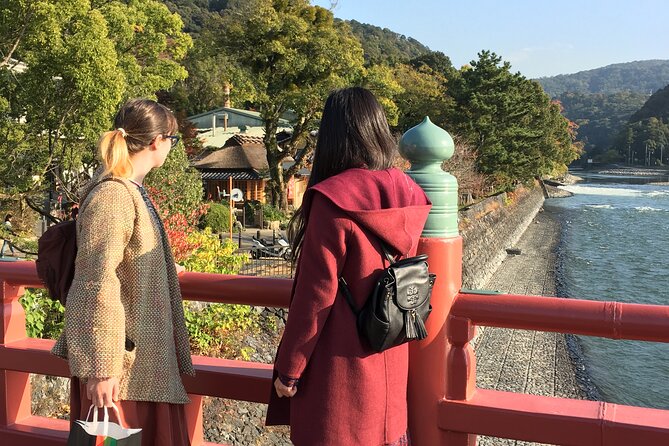
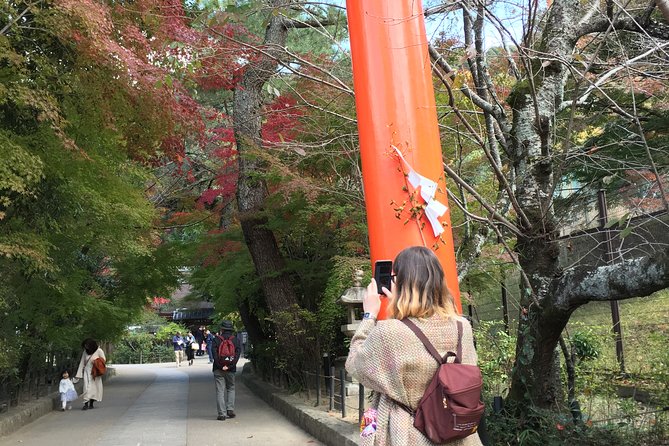
- Uji Shrine: the tea town begins with water and place
- Tsuen Main Branch: the matcha snack from an 850-year story
- Tea houses, tea fields, and the real meaning of Uji matcha
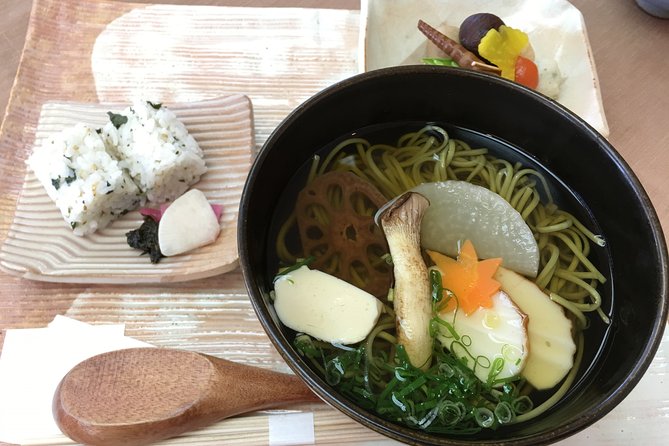
- Lunch at a tea house: tea dishes that keep you in the story
- Matcha making: grinding your own powder in the mill
- The traditional tea ceremony after lunch: slow down and watch
- Price and value: does $157.65 feel fair?
- Weather and walking comfort: plan for heat and good conditions
- Who this tour is best for
- Should you book this Kyoto Tea Town matcha tour in Uji?
- FAQ
- How long is the Kyoto Tea Town walking tour?
- Where does the tour start?
- What are the main stops during the tour?
- Is matcha making included?
- What’s the group size?
- Can I get a refund if plans change or weather is bad?
Key things that make this tour a strong matcha day
- Max 7 people, guided closely: You won’t feel lost in a crowd.
- Shrine + tea shop stops: Uji Shrine first (20 minutes) and an over-850-year-old tea shop later.
- Actual matcha making: You’ll get to grind your own matcha with a matcha mill.
- Tea-house lunch with tea dishes: You eat in the middle of the tea story, not after it.
- Traditional tea ceremony: After lunch, you experience a real ceremony in a traditional tea house.
Uji in 5 hours: what you’re really buying
Uji is where tea stops being an abstract idea and turns into something you can taste, smell, and understand. This tour is built around that. You’re not just sightseeing. You’re connecting the dots between tea origins, the local shops, and the way the ceremony frames a cup of matcha.
The time window is tight—about 5 to 5.5 hours—so you’ll spend most of the day moving through the town and doing things, not standing around. The pacing matters here. The day is short enough to stay focused, but long enough to include tastings, lunch, and the ceremony.
At $157.65 per person, it’s not a bargain compared to a plain walk. But the value comes from what’s included: multiple matcha-focused stops, a tea-house lunch with tea dishes, and an authentic tea ceremony experience. The small group size also helps justify the cost—you’re paying for guided attention more than for transportation.
Sit for another bowl of matcha in a Uji tea house
Meeting at Uji Station and how the timing works
You start at 9:30 am at Uji Station (address: 611-0021 京都府宇治市宇治市宇治宇文字1716). The tour ends back at the meeting point, so you don’t have to figure out an awkward end-of-day commute.
That morning start is a plus. Even if you go in warmer months, you’ll catch more comfortable walking time early and then settle in for lunch and tea activities later. Also, since the group is limited to 7 travelers, it tends to feel more like a guided day out than a factory-style tour.
One practical note: the tour is described for people with moderate physical fitness, so plan for steady walking on uneven or sloped streets. Comfortable shoes are not optional.
Uji Shrine: the tea town begins with water and place
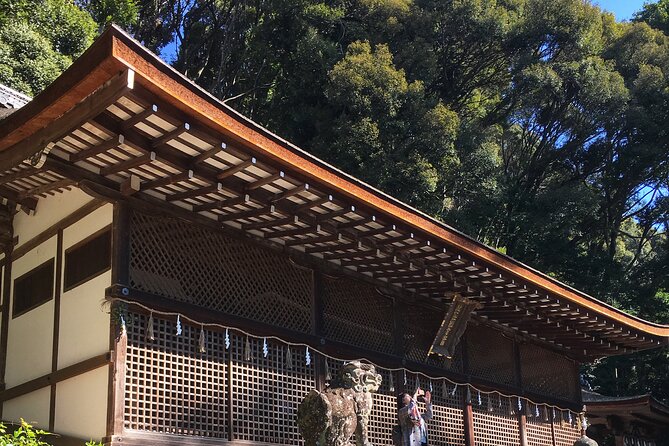
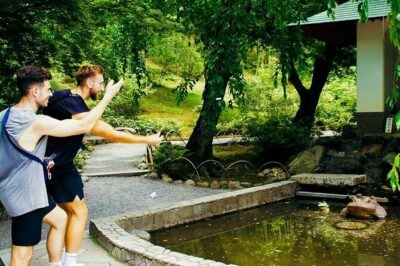
The tour kicks off at Uji Shrine, with about 20 minutes on site. Admission is listed as free, which is a nice relief early in the day.
Why begin here? Uji is famous for its tea, but tea doesn’t exist in a vacuum. This stop gives you context—Uji is even referenced as being connected to one of the 7 best waters in Uji. That kind of detail isn’t trivia for its own sake. It helps explain why locals treat the environment as part of the cup.
What to expect:
- A short, focused shrine visit rather than a long, slow temple marathon
- Scenic, grounded context for the rest of your tea day
Possible drawback: because it’s early and short, you’ll want to show up on time and ready to walk. If you’re the type who likes lingering for long photos and long pauses, you may want to add extra time in Uji on your own.
Tsuen Main Branch: the matcha snack from an 850-year story
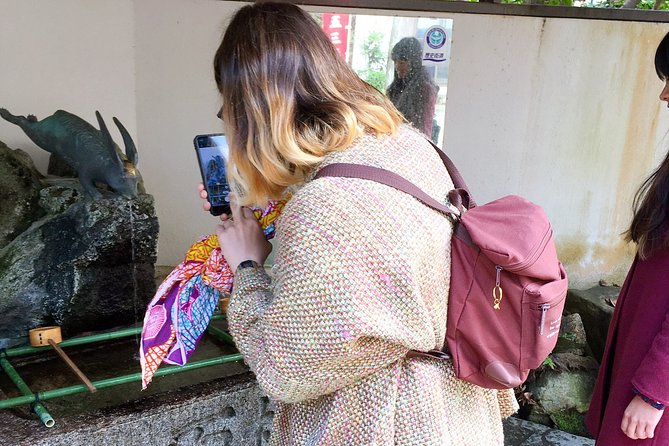
Next up is Tsuen Main Branch, described as one of Uji’s oldest tea shops, over 850 years old. This stop is about 10 minutes, with admission listed as free.
This is where your matcha cravings get fed fast. You get a chance to taste matcha rice cake skewers made using pure matcha powder. That “small bite, big flavor” format works well on a walking tour. You taste something specific, you learn why it’s made that way, and then you move on—no long wait in the middle.
What I like about this stop as a traveler:
- It’s short, so you aren’t stuck watching other people eat
- It’s a real local shop with age behind it, not a generic souvenir stop
- The snack theme keeps the tour’s focus on food and tea culture
Small consideration: since the time is limited, don’t count on browsing a lot. If you want to shop, save deeper shopping for later when you have breathing room.
Tea houses, tea fields, and the real meaning of Uji matcha

After the shrine and tea shop, the day widens into the Uji tea world: tea houses, tea fields, and older shrines around town. The goal isn’t just visuals. It’s learning the story of tea—how it began, how the tea ceremony fits the culture, and what makes Uji distinct.
This is the part that’s easiest to underestimate if you only care about eating sweets. But the best matcha experiences make the flavors make sense. When you understand how tea is grown, processed, and served, you stop treating matcha as one uniform taste. You start noticing differences—especially in bitterness, smoothness, and aroma.
From the reviews you can also infer that the guide puts real effort into answering questions and adjusting to the group’s pace. The tour is capped at 7, which makes that flexibility more realistic.
A practical tip for this stretch: bring water and something for sun protection. One of the common real-world notes from people who did it in summer is that walking in heat is no joke.


Lunch at a tea house: tea dishes that keep you in the story
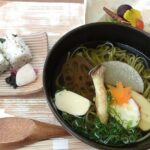
For lunch, the tour stops at a famous tea house for tea dishes. This is a key part of the day because it’s not just food—it’s tea culture in meal form.
You’re eating during the middle of the tour, which is smart. Tea tasting is easier when you’re not hungry and when your palate has a real reset. It also means you can keep learning without the day turning into a scramble.
What you should expect:
- A sit-down break
- Dishes described as tea themed (tea dishes)
- Time that slows the day down before the ceremony
Possible drawback: if you’re picky about food or spice levels, you’ll want to ask questions during the meal if anything is unclear. The data here confirms tea dishes, but it doesn’t list exact menu items.
Matcha making: grinding your own powder in the mill
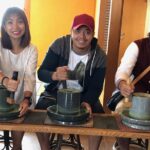
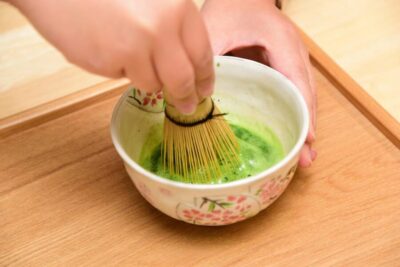
One of the most memorable moments in this kind of tour is the hands-on matcha. Here, you get a matcha-making workshop where you can grind your own matcha powder, including using a stone mill (a common matcha-milling setup mentioned in feedback).
This is worth it even if you already know a lot about tea. Grinding isn’t “for fun” only. When you do it, you get a sensory understanding of what matcha is—its texture, its scent, and how fine grinding affects how the powder behaves in a bowl.
Why this part matters:
- You stop being a spectator
- You get a skill you can talk about later
- You come to the ceremony with more context, so it’s easier to pay attention
If you’re sensitive to heat or you prefer indoor activities, the workshop is usually a short, controlled moment compared to hours of walking. Still, plan to be ready to participate.
The traditional tea ceremony after lunch: slow down and watch
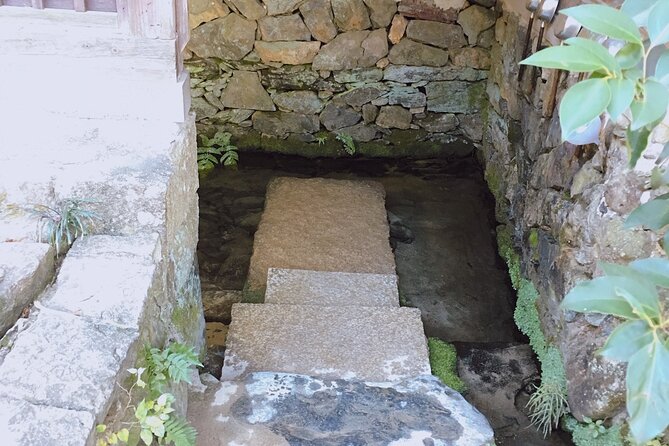
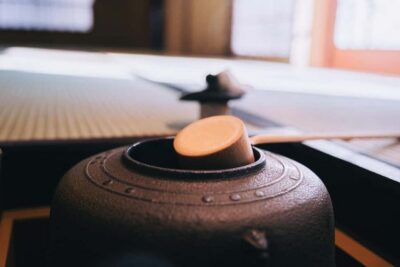
After lunch, you experience an authentic Japanese tea ceremony at a traditional tea house. This is the heart of the “matcha town” idea: the same product you tasted earlier becomes something ritualized and measured.
The ceremony experience is valuable because it changes how you drink. Matcha in a café can be quick and casual. In a ceremony setting, the pace is part of the education. You’ll learn how tea is prepared and served as a cultural practice, not just a drink.
What to look for during the ceremony:
- How careful movements and timing shape the experience
- The importance of presentation
- The way the ceremony helps you notice taste details
From people’s feedback, the ceremony doesn’t feel rushed. The guide is described as patient with small groups, and they even help with questions and curiosities along the way. That kind of attention is what turns a tea ceremony from “watching” into understanding.
Price and value: does $157.65 feel fair?
Let’s talk money honestly. $157.65 per person is a lot for a walking tour, so you should ask what you’re really paying for.
Here’s what the tour data strongly suggests is included or built into the experience:
- Multiple matcha-focused tastings (including matcha rice cake skewers)
- A matcha-making moment with grinding in a mill
- Lunch at a tea house with tea dishes
- An authentic tea ceremony experience
- Guide time through Uji’s tea streets and key sights
Also, two of the listed major stops have free admission tickets (Uji Shrine and Tsuen Main Branch). That doesn’t mean the tour is cheap. It just means you’re not paying extra entry fees on top. The main cost is for the guided, included experiences: the tastings, the meal, and the ceremony.
When the group is limited to 7, you’re not paying for a big-vehicle logistics operation. You’re paying for a concentrated day with guided context and hands-on moments. If you’re coming to Uji mainly for matcha and you want more than random sampling, this is the kind of price that can make sense.
If you’re the type who prefers self-guided tea shopping and doesn’t care about ceremony or workshops, you might find it pricey. But if you want the full tea culture sequence, it’s easier to justify.
Weather and walking comfort: plan for heat and good conditions
This is a weather-dependent tour. It requires good weather, and if it’s canceled due to poor weather you’re offered either a different date or a full refund.
So when should you go? Any season can work, but plan for walking comfort. One review note highlighted that June was hot for walking around. That lines up with what you’ll likely feel in Uji’s streets and outdoor tea areas.
Simple prep moves:
- Wear breathable layers and comfortable shoes
- Bring water
- Have sun protection ready
- If you’re traveling with glasses or hats, keep them secure while walking
Who this tour is best for
This tour is made for you if:
- You love matcha and want more than dessert sampling
- You want to understand the tea story in Uji, not just take photos
- You’re interested in the tea ceremony as a cultural practice
- You like small groups and questions you can actually ask
It’s also a good fit if you’re traveling with family, since the tour is described as enjoyable for a whole family group and includes hands-on activities like grinding matcha.
You might consider skipping or adjusting your expectations if:
- You hate walking in heat
- You dislike structured time with scheduled tastings and a set lunch stop
- You want a long shopping spree rather than a guided experience with specific stops
Should you book this Kyoto Tea Town matcha tour in Uji?
If your goal is a true matcha-focused day in Uji—tastings, hands-on grinding, a tea-house lunch, and a traditional tea ceremony—then yes, I think it’s worth booking. The small group size (max 7) and the mix of sights plus food plus ceremony makes it feel like a complete tea day rather than a hit-or-miss snack crawl.
Book early if you can. It’s typically booked about 61 days in advance, which is a sign people plan their Kyoto-area food time seriously.
If you’re flexible with weather and you show up ready to walk, you’ll get a lot more than green powder on a spoon. You’ll leave with a clearer sense of how tea culture works in Uji—right down to the grinding.
FAQ
How long is the Kyoto Tea Town walking tour?
It runs about 5 hours to 5 hours 30 minutes.
Where does the tour start?
The tour starts at Uji Station in Uji, Japan (611-0021 京都府宇治市宇治宇文字1716). It ends back at the meeting point.
What are the main stops during the tour?
You’ll visit Uji Shrine and Tsuen Main Branch, and you’ll also spend time around tea houses, tea fields, and older shrines. Lunch is at a tea house with tea dishes, and afterward you experience a traditional Japanese tea ceremony.
Is matcha making included?
Yes. The experience includes a matcha-making moment where you can grind your own matcha using a matcha mill.
What’s the group size?
The tour has a maximum of 7 travelers.
Can I get a refund if plans change or weather is bad?
Yes. You can cancel for a full refund up to 24 hours before the experience starts. The experience requires good weather; if it’s canceled due to poor weather, you’ll be offered a different date or a full refund.
More Tour Reviews in Uji

One More Bowl of Matcha
Just added: more Uji tours to browse

Kyoto Tea Ceremonies, compared.
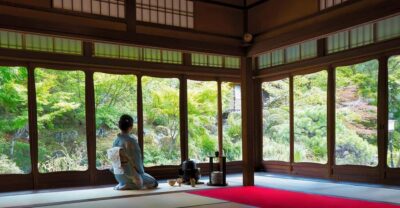 ★ 4.9Tea Ceremony in a Traditional Tea House in KiyomizuFrom $493,519 reviews
 ★ 4.9Tea Ceremony Ju-An at Jotokuji TempleFrom $293,207 reviews
 ★ 4.345-Minute Tea Ceremony Lesson ExperienceFrom $222,378 reviews
 ★ 4.9Table-Style Tea Ceremony at a Kyo-MachiyaFrom $451,211 reviews
 ★ 5.0Kimono Tea Ceremony at Kyoto Maikoya, NISHIKIFrom $65911 reviews
 ★ 5.0Arashiyama Bamboo Forest, Monkeys, Matcha & Temple TourFrom $53759 reviews
 ★ 4.9Tea Museum Tickets and Matcha Grinding ExperienceFrom $23739 reviews
 ★ 4.9Kimono Tea Ceremony at Orizuruya GionFrom $49618 reviews
Browse the lists this tour appears in