
Reviewed · KYOTO COOKING CLASSES
Experience Authentic Japanese Home Cooking in Kyoto
Kyoto cooking can be simple.
This hands-on class teaches you how real dashi is made, then uses it to build classic home dishes in a traditional, century-old townhouse setting. I particularly like starting with honest ingredients—katsuobushi and kombu instead of shortcut flavor—and then learning how to carry that taste into everyday meals. One thing to consider: this specific home location can’t accommodate men only bookings.
What really sells the experience is the practical instruction: you’ll practice with delicate Japanese knives, cook step by step, and leave with techniques you can repeat at home. I also like how the instructor focuses on clean, everyday flavors inspired by Katsuo Doi’s home-cooking philosophy, not restaurant showmanship. The main drawback is simple—if you need a mixed-gender group at this address, you may have to explore a separate arrangement.
Key things I’d mark on your mental map
- Real dashi foundation with bonito flakes and kelp, made from scratch
- Knife technique practice using delicate Japanese knives (guided, not rushed)
- A full menu you’ll cook, from dashi-maki tamago to chicken teriyaki
- Seasonal Japanese home cooking that changes with the year
- A traditional townhouse over 100 years old, not a generic classroom
- English instruction with support, helpful for first-timers
In This Review
- A Kyoto Townhouse Kitchen Near Sanjo Station
- Dashi Starts the Lesson (And Your Future Cooking)
- The Menu You’ll Cook: Dashi-maki Tamago, Chicken Teriyaki, and More
- Dashi-maki egg (rolled omelet)
- Simmered vegetables with seasonal ingredients
- Chicken teriyaki with traditional flavors
- Miso soup
- Plate-setting and serving
- Japanese Knife Skills That Don’t Feel Scary
- Cooking Like a Local: Seasonality, Health, and the Home Table
- Price and What You Actually Get for $122
- Logistics That Make or Break the Day
- Who Should Book This Kyoto Home Cooking Class
- Should You Book Authentic Japanese Home Cooking in Kyoto?
- FAQ
- Is the cooking instructor English-speaking?
- How long is the experience?
- Where do we meet, and how do we get there?
- What dishes are included in the menu?
- Is the class suitable for children?
- Are there any restrictions on who can join?
- What’s included in the price?
A Kyoto Townhouse Kitchen Near Sanjo Station
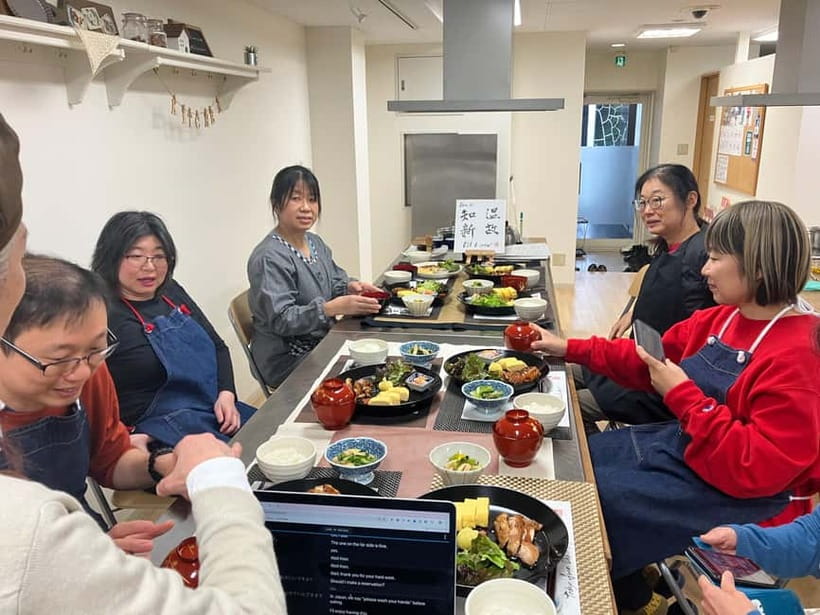
This experience happens in a private home setting, in a traditional Japanese townhouse that’s said to be over 100 years old. That matters more than it sounds. You’re not just cooking food—you’re stepping into a daily rhythm: ingredients prepped thoughtfully, tools placed where you’d expect to find them, and a table that’s treated like part of the meal.
The meeting point is Subway Shijo Station. From there, you walk about 10 minutes. Once your reservation is confirmed, the host will come to the station to pick you up, which helps a lot if you’re planning to arrive right before your class start. It’s also a convenient base for a Kyoto day: you’re within about 15–20 minutes on foot of places like Heian Shrine, Gion, Yasaka Shrine, and the Kyoto Imperial Palace. In other words, you can combine this with temple-and-street sightseeing without feeling like your day is chopped into pieces.
Because it’s a private group format, you can expect a more teacher-led pace than a large group cooking factory. If you’re nervous about language or basic cooking skills, that smaller, guided feel is a real advantage.
Dashi Starts the Lesson (And Your Future Cooking)
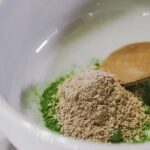
Dashi is the backbone of Japanese home cooking, and this class starts there on purpose. You’ll learn how to make dashi using katsuobushi (bonito flakes) and kombu (kelp). The process is taught as a foundation, not a one-off step. Once you understand the broth, the rest of the menu makes more sense because you’ll see how it carries flavor into eggs, simmered vegetables, and soup.
The class follows a home-cooking philosophy associated with Katsuo Doi, focusing on deliciousness paired with health. You’ll also hear the reasoning behind the approach: Japanese families cook to support everyday life, not to chase restaurant trends. That mindset shows up in ingredient choice too. The seasoning approach is described as additive-free, so the flavor you taste comes from the ingredients themselves rather than heavy shortcuts.
As the broth simmers, you’ll learn the feel of it—aroma, timing, and attention to how the ingredients behave. Even if you never become a full-time cook, this is the kind of lesson you can use for real. Dashi isn’t just a flavor; it’s a technique.
Still mapping out your days? A few more Uji tours worth a look.
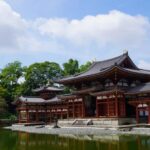

The Menu You’ll Cook: Dashi-maki Tamago, Chicken Teriyaki, and More
The class menu is built around familiar comfort dishes that Japanese households actually make. The total time is about 2 hours 30 minutes, with hands-on activities guiding you through each dish.
Here’s what you’ll make and why it’s worth your time:
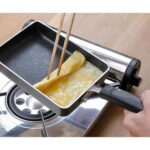
Dashi-maki egg (rolled omelet)
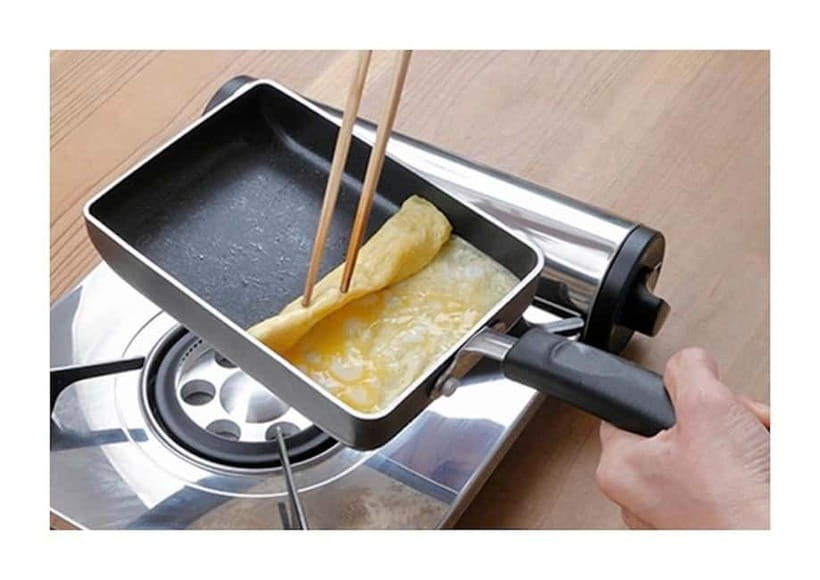
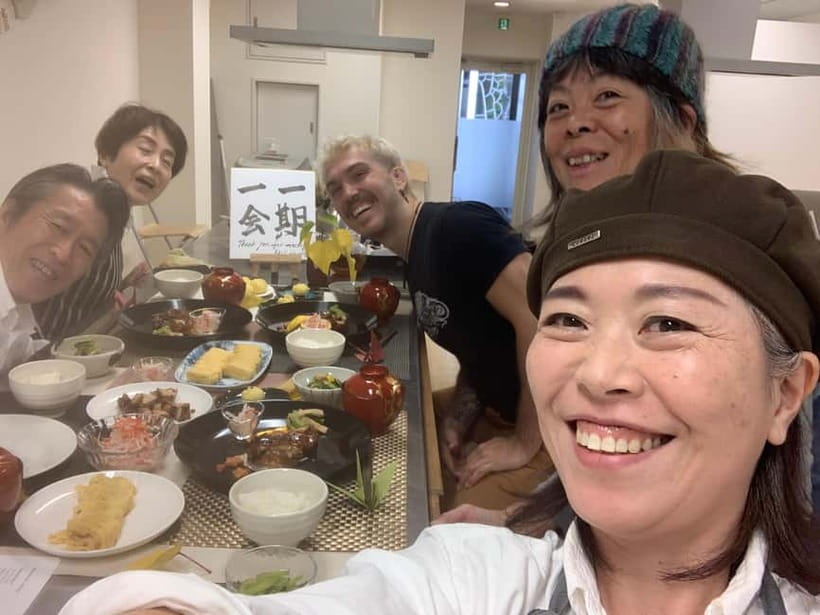
You’ll cook dashi-maki tamago using freshly made dashi. Rolled omelet is one of those Japanese dishes that looks fancy but becomes doable when you understand the base and the method. You’ll learn how to turn dashi into a clean, egg-friendly flavor—soft, fragrant, and comforting rather than heavy.
Simmered vegetables with seasonal ingredients
You’ll prepare simmered vegetables using ingredients described as seasonal. This part is valuable because Japanese simmering teaches patience and balance. Instead of chasing “loud” flavors, you learn how heat and time coax depth from vegetables.
Chicken teriyaki with traditional flavors
Then comes chicken teriyaki, cooked with traditional flavors. Teriyaki can be as simple as sauce + heat, but the class approach focuses on technique and proportion so you get a version you can recreate without guessing.
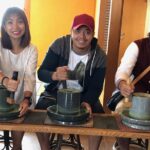


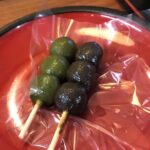
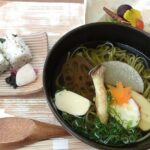
Miso soup
You’ll also make miso soup, which is a great way to round out the meal. Soup is often where people feel confident they can copy a recipe later—then realize the details matter. Learning the dashi and then seeing how miso fits into the final taste is a practical win.
Plate-setting and serving
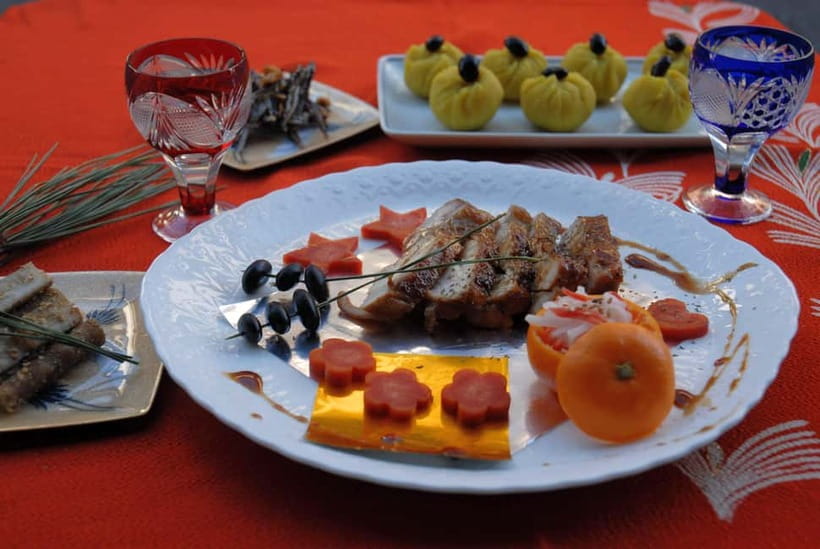
You’ll plate the dishes beautifully and set the table. It sounds small, but it’s part of why the experience feels different from “cook and leave.” This helps you understand that Japanese home meals are meant to be enjoyed with care, not just consumed quickly.
And because the class is hands-on, you’re not only watching—you’re doing. That’s what makes it worth paying for when you could find a casual cooking demo almost anywhere.
Japanese Knife Skills That Don’t Feel Scary
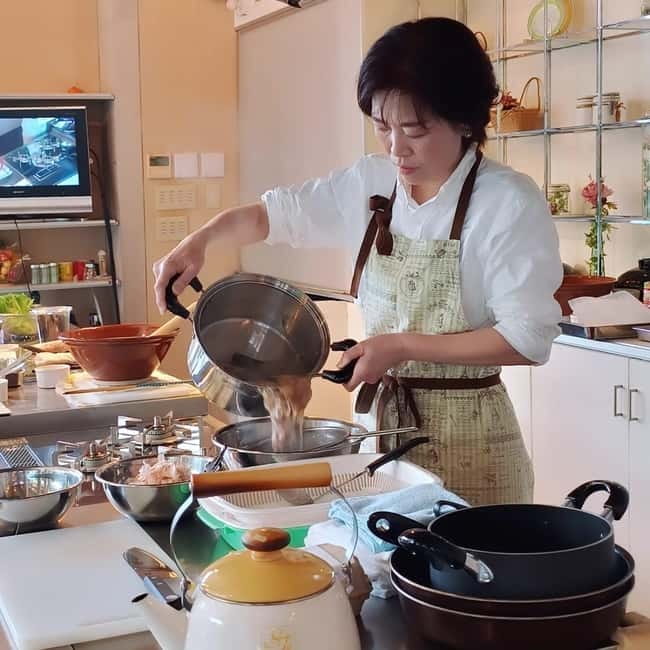
One of the highlights is learning how to use delicate Japanese knives. If you’ve only used Western chef’s knives at home, the shape and balance can feel different—lighter, sharper, and more sensitive to technique.
In this class, you’ll practice cutting methods alongside the ingredients for the day’s dishes. You’ll learn how each ingredient has its own prep needs and cutting technique. That’s important because the knife lesson doesn’t become “random blade talk.” It stays connected to real cooking tasks: the vegetables you simmer, the ingredients you portion for teriyaki, and the steps that require precision.
If you’re brand new to Japanese knives, the step-by-step guidance is the key. You’re not expected to be “good at knives” on arrival. The goal is to leave with a baseline you can repeat safely.
Cooking Like a Local: Seasonality, Health, and the Home Table
Japanese home cooking is tied to the four seasons, and this class makes that idea practical. You’ll notice that ingredients change with the year, and the flavors shift with them. That’s one reason the dishes don’t feel repetitive: even if the menu format is similar, the vegetables and seasonal components adjust.
The class also emphasizes warmth and nourishment—meals designed for real life. That’s why the style is described as everyday, not restaurant-style. In practice, this means you’ll focus on approachable flavors that work together as a set: dashi-rich egg, simmered vegetables, teriyaki chicken, miso soup, and a shared meal at the table.
A detail that stood out from the way the class is taught: the instructor has a reputation for being kind and fun to talk with, and language doesn’t need to stop the lesson. The class is English-instructor led, and there can be translation support set up as needed. If you know only a few words of Japanese, you’ll still be able to follow the steps and ask questions.
Price and What You Actually Get for $122
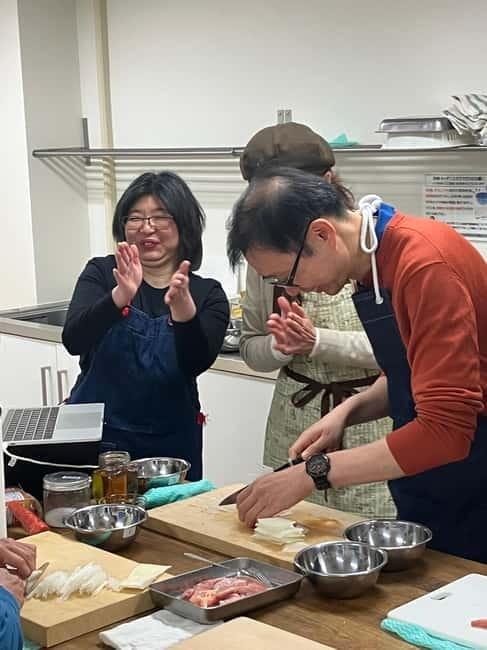
At $122 per person for a 1-day activity (with a 2 hours 30 minutes cooking time), the value comes from what’s included and what you learn.
Included:
- The cooking experience itself
- Rental of aprons and cloths
- All menus and materials used in the class
- The meal you cook and share
Not included:
- Merchandise
- A dashi soup set (if you want one, you’d need to arrange that separately)
So you’re not paying just for “food taste.” You’re paying for the full workflow: ingredient handling, dashi foundation, dish execution, knife technique, and table etiquette. That’s also why it can beat the value of a pure sightseeing day meal—this teaches you the why, not only the taste.
One more practical note: this is held at a home location, so it follows the house rules. The key rule you should check before you book is that men can’t participate at this location. If you’re a man and still want the lesson, the provider indicates it may be possible to arrange it at a different rental kitchen, but you’d need to message to ask.
Logistics That Make or Break the Day
This class is set up to fit into a Kyoto itinerary. You meet at Subway Shijo Station, then you’re guided to the townhouse. Because it’s near major sights (within walking distance of several big names), it can slot into your schedule between shrine walks and neighborhood browsing.
Timing is another win: the experience is about 2 hours 30 minutes, which is long enough for real cooking but short enough that you won’t feel stuck for the entire day.
A couple of boundaries to plan for:
- Not suitable for children under 6
- The class is English-instructed
- It’s a private group format
If you’re hoping for a family-friendly activity with young kids, this one may not work. If you want a relaxed, guided food lesson with local technique, it’s a strong match.
Who Should Book This Kyoto Home Cooking Class
You’ll probably love this if:
- You want hands-on cooking instead of a quick demo
- You care about learning fundamentals like dashi
- You want to cook familiar dishes you can re-create at home
- You enjoy the idea of seasonal Japanese flavors
It may not be ideal if:
- You’re booking as a man for this specific home location
- You need a highly “flexible” class that can adjust menu or timing on the fly (the format is built around a set menu and sequence)
- Your schedule is too packed to handle a focused 2.5-hour block plus transit
Should You Book Authentic Japanese Home Cooking in Kyoto?
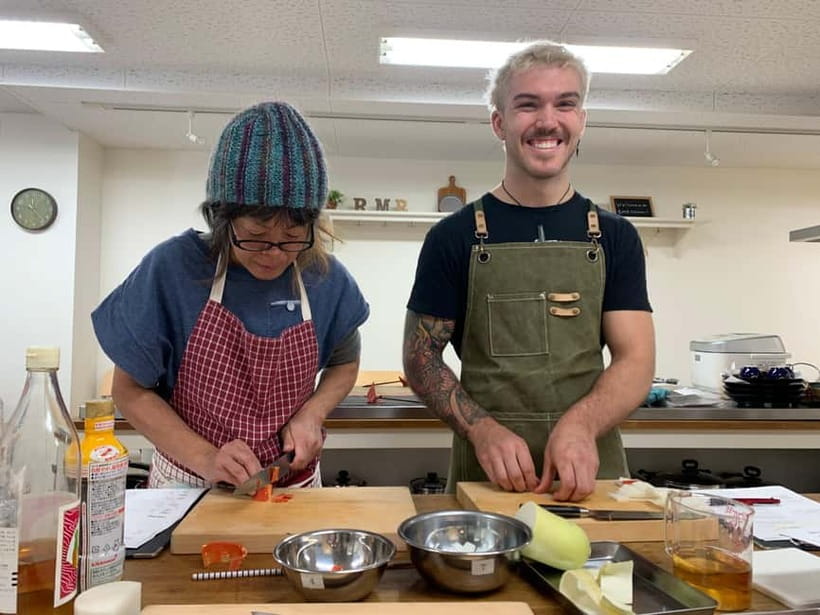
I’d book it if your Kyoto day has room for learning, not just eating. The combination of scratch dashi, guided knife work, and a complete menu you cook yourself creates real carry-home value. Also, the townhouse setting adds a sense of place you won’t get in a generic kitchen.
The decision hinge is the location rule. If your group doesn’t fit the entry requirements for this specific home address, contact the provider early to see whether a different rental kitchen arrangement can work.
If you want a practical Kyoto food experience that teaches you how to reproduce the flavors later, this is one of the better uses of a half-day. Just check the participant rules first, then plan your walking route around nearby sights before or after.
FAQ
Is the cooking instructor English-speaking?
Yes. The class is led by an instructor who teaches in English.
How long is the experience?
The cooking experience takes about 2 hours 30 minutes.
Where do we meet, and how do we get there?
You meet at Subway Shijo Station. You then walk about 10 minutes. After your reservation is confirmed, the host comes to the station to pick you up.
What dishes are included in the menu?
You’ll cook dashi, dashi-maki egg (rolled omelet), chicken teriyaki, simmered vegetables, and miso soup. You’ll also plate the dishes and set the table.
Is the class suitable for children?
The class is not suitable for children under 6.
Are there any restrictions on who can join?
Men only cannot participate at this home location. If you’re interested in a men-only format, you’ll need to contact the provider to ask about a separate rental kitchen arrangement.
What’s included in the price?
The price includes the cooking experience, rental of aprons and cloths, all menu items and materials, and the meal. A dashi soup set is not included.
More Tour Reviews in Uji

Just added: more Uji tours to browse
Kyoto Cooking Classes, compared.
 ★ 5.0Ramen Cooking Class at Ramen Factory in KyotoFrom $1311,937 reviews
 ★ 5.0Sushi Making in Kyoto! Same-day bookings welcome!From $53713 reviews
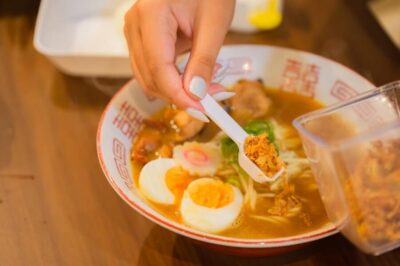 ★ 4.9Ramen Cooking Class at a Ramen Factory with SouvenirFrom $127532 reviews
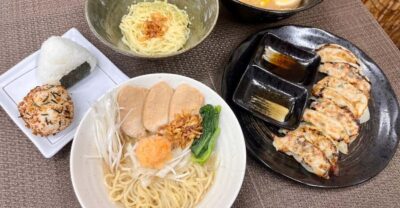 ★ 5.0Ramen, Gyoza, and Onigiri Cooking ClassFrom $90445 reviews
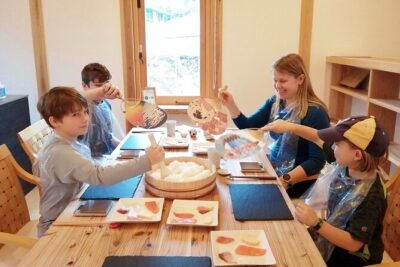 ★ 5.0The Original Small-Group Sushi Making Class in KyotoFrom $69436 reviews
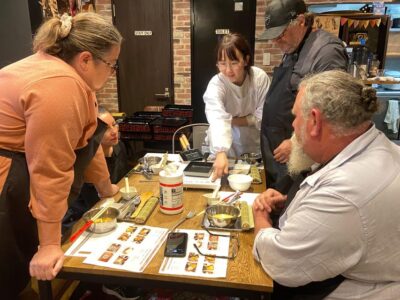 ★ 5.0Japanese Washoku Bento Small Group Cooking ClassFrom $58380 reviews
 ★ 5.0Kyoto Ramen and Gyoza Cooking Class with Professional ChefsFrom $86282 reviews
 ★ 4.9Afternoon Japanese Izakaya Cooking ClassFrom $67241 reviews
Browse the lists this tour appears in