
Reviewed · KYOTO TEMPLE & SHRINE TOURS
Uji: Green Tea Tour with Byodoin and Koshoji Temple Visits
Tea tastes different in Uji. This 4-hour green tea tour turns Kyoto’s most famous tea region into a story you can taste, with gyokuro sampling and temple stops at Byodo-in and Koshoji. I like how it gives you both the flavor science and the human backstory—samurai, religion, and everyday craft.
My second favorite part is the temple mix. You start with the long-running tradition of an old tea house, then move through Ujigami Shrine and the UNESCO setting of Byodo-in’s Phoenix Hall, where faith and politics shake hands.
One thing to consider: expect stairs and uneven walking. The tour isn’t recommended if you have limited mobility or back/heart issues, and it runs rain or shine.
In This Review
- Key Highlights You’ll Actually Care About
- Getting to Uji From Kyoto: Easy Train, Big Payoff
- 1160 Teahouse Start: Why the Tour Opens With Tea First
- Uji River Walk + Samurai and Tea Culture: The Story Behind the Cup
- Gyokuro Green Tea Experience: Taste the Differences, Not Just the Flavor
- Ujigami Shrine Purification: Shinto Basics That Actually Help
- Byodo-in Temple and the Phoenix Hall: UNESCO With Real Meaning
- Koshoji Temple: Mountain Calm After the Big Icon
- Price and Value: What $111 Covers (and Why It Adds Up)
- Pacing, Comfort, and Who This Tour Fits Best
- What I’d Watch for Before You Book
- Should You Book This Uji Green Tea Tour?
- FAQ
- How long is the Uji green tea tour?
- What’s included in the price?
- Do I need to pay for temple entry separately?
- Is the tour canceled for bad weather?
- What language is the guide?
- What should I bring and wear?
Key Highlights You’ll Actually Care About
- Gyokuro tasting with flavor coaching: You’re not just handed tea; you learn why the cup changes.
- Start at a teahouse running since 1160: Early tea lineage makes the rest of Uji click fast.
- Two UNESCO sites close together: Ujigami Shrine and Byodo-in are within a short walk of each other.
- A hands-on food moment: You mix leftover tea leaves with ponzu and eat them.
- Temple settings with different moods: Byodo-in brings grand art; Koshoji slows you down on the mountainside.
- Guides who explain rituals in plain language: Names you may meet include Damien, Ferdinand, Brian, David, Kevin, and Lito.
Getting to Uji From Kyoto: Easy Train, Big Payoff
Uji is about a 30-minute local train ride from central Kyoto areas like Gion or Kyoto Station. That makes it a practical day trip when you want something calmer than Kyoto’s busiest streets.
The key practical win is crowd control. Even with plenty of visitors, you usually get a more relaxed feel than you’ll find in central Kyoto. The walking is also spaced out by tea and shrine breaks, so you don’t feel like you’re speed-running sights.
You’ll meet at the only exit at Keihan Uji Station. There’s an escalator that gets you up to ground level—nice if you’re arriving with luggage or just don’t want to hunt around.
Still mapping out your days? A few more Uji tours worth a look.
1160 Teahouse Start: Why the Tour Opens With Tea First
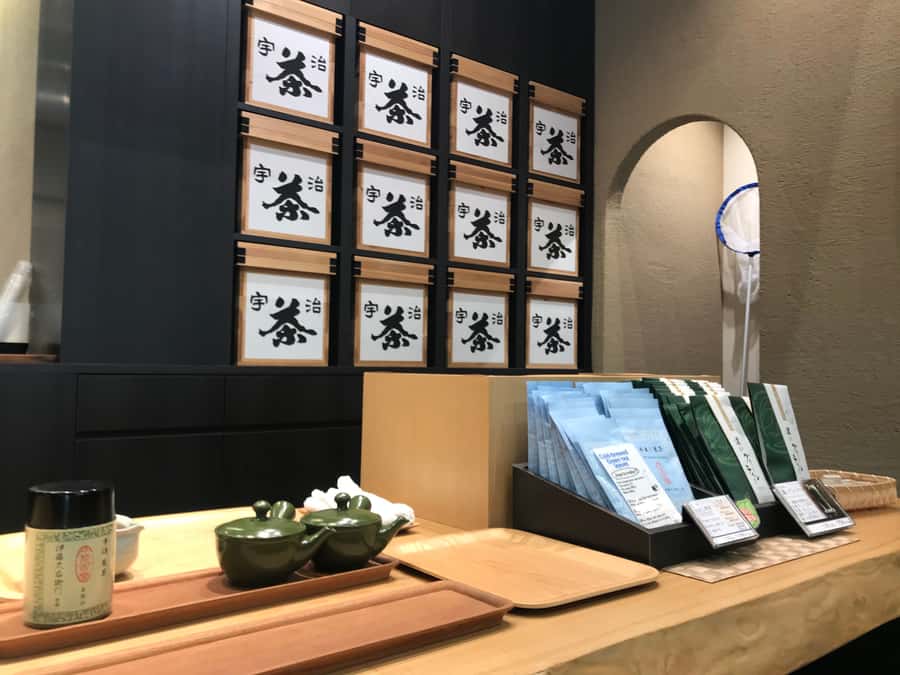
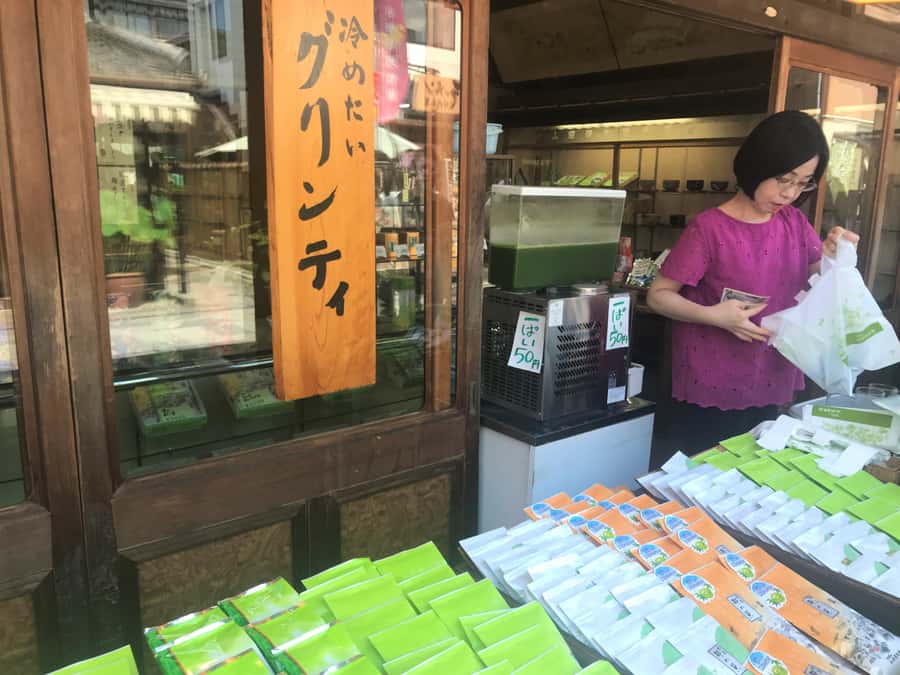
The tour begins at the world’s oldest teahouse still operating, running since 1160 AD. Starting here matters. It frames tea as a living craft, not a museum item.
You’ll hear the kind of story that makes tea culture feel personal: one vassal to a famous samurai warrior became the head of a family that has run the shop for 24 generations. That line—samurai connections, then family continuity—helps explain why Uji tea isn’t just a product. It’s a tradition people kept going.
From this first stop, you’re set up for what follows: the tour doesn’t treat tea as one thing. It treats it as a chain of choices, from growing to brewing to how you drink and even what you do with leftovers.
Uji River Walk + Samurai and Tea Culture: The Story Behind the Cup
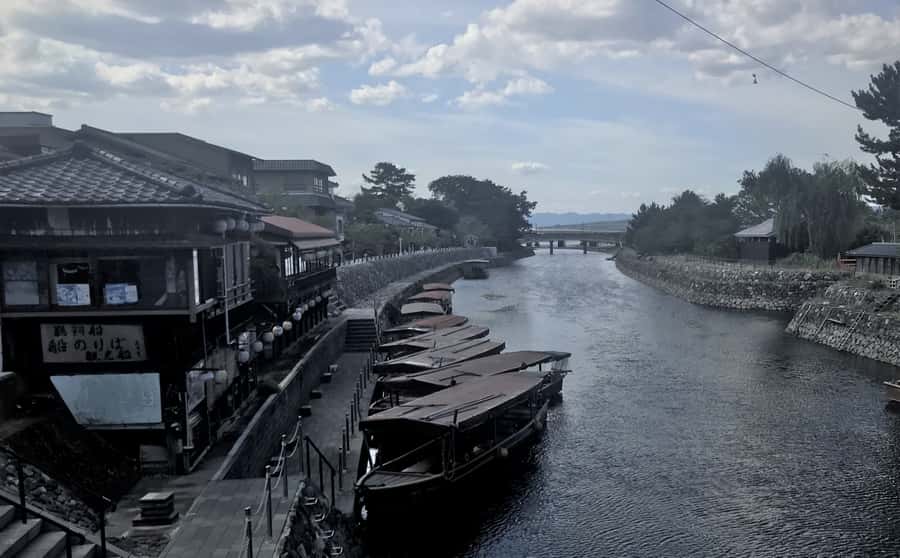
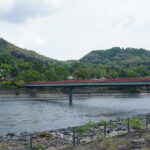
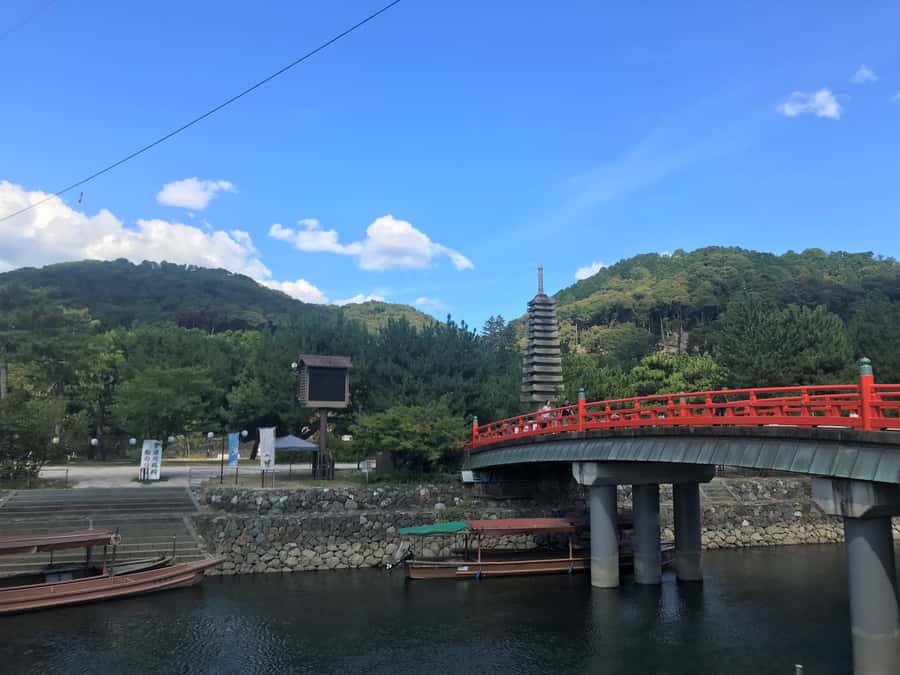
After the teahouse introduction, you’ll stroll the Uji area and get views over the river and the surrounding mountains. It’s the kind of scenery that makes the history feel less abstract.
This is where the tour leans into the connections between samurai and religion. You’ll learn how those forces shaped Uji’s tea culture—how the people who held power and the people who shaped ritual both influenced what tea became, how it was used, and how it spread.
Even if your only goal is green tea, this part helps you understand what you’re tasting later. It turns the lesson into context, not just facts.
Gyokuro Green Tea Experience: Taste the Differences, Not Just the Flavor

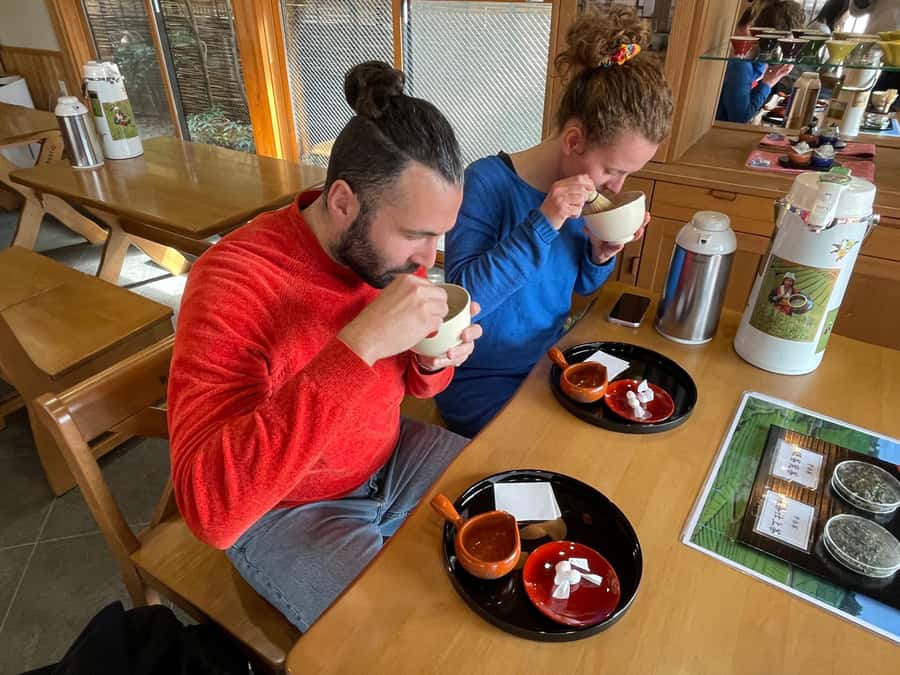
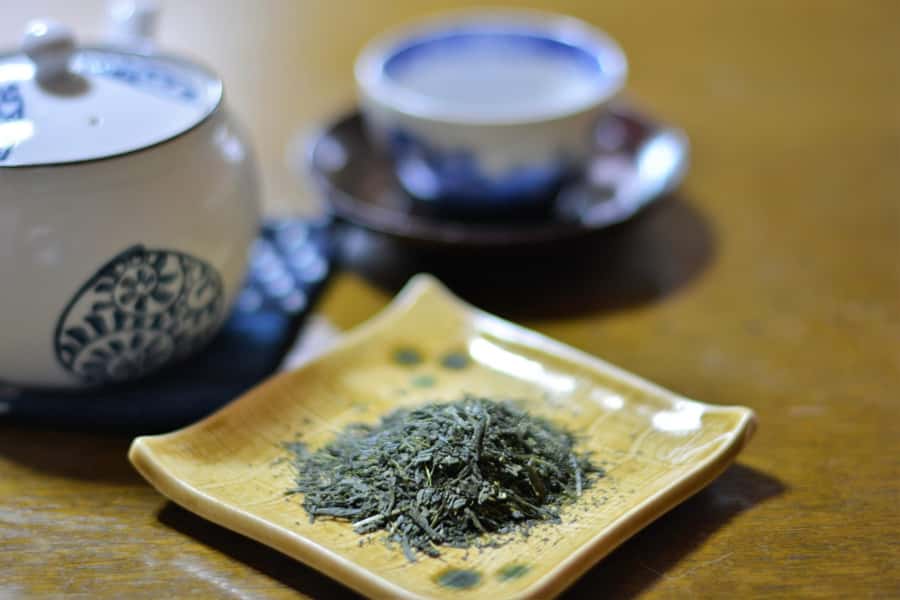
The centerpiece is the Japanese gyokuro tea drinking and tasting. Gyokuro is known for its deep, mellow character, and this experience focuses on the nuances—how grade, brewing, and technique change the cup.
You’ll learn how the tea is grown and what makes it special, then you’ll see how to brew it and how that affects flavor. That’s the practical value: when you later order gyokuro in a shop, you’ll know what to look for besides price tags.
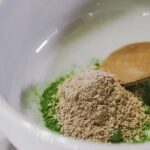
Then comes a clever little twist. After the tasting, you mix the remaining tea leaves with ponzu sauce and eat them as is. It sounds unusual until you’re actually doing it, and then it makes sense as a way to use the leaves fully rather than treating the cup as the only goal.
Heads-up: the tour includes the tea experience, but food beyond that tea moment is not included. So if you’re the type who needs a full meal early, plan to eat before or after the 4-hour window.
Ujigami Shrine Purification: Shinto Basics That Actually Help
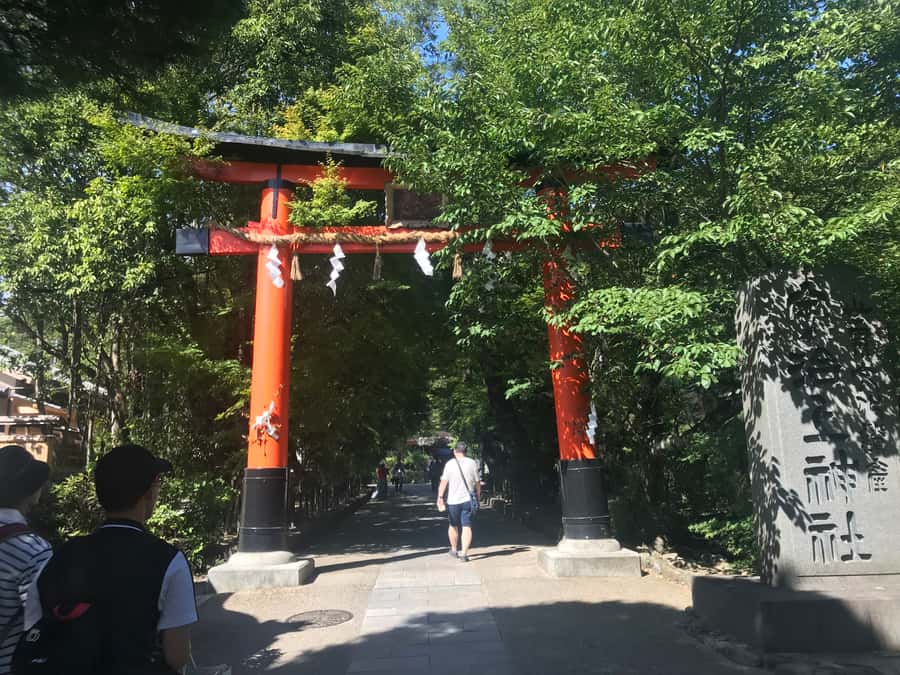
Next you head into the greenery for Koshoji’s partner stop in spirit: Ujigami Shrine. The tour frames it as the oldest original Shinto shrine in Japan and connects it to Uji’s guardian deities.
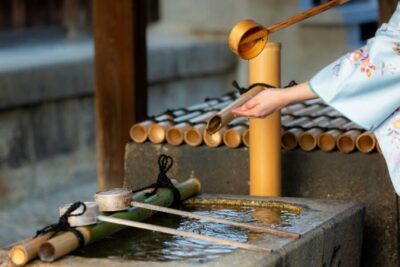
What makes this more than a photo stop is the ritual context. You’ll go to an area with a stone grotto and purify yourself with the spring water there. The tour also explains that this shrine houses the last remaining source of natural spring water that many tea houses still collect to brew their tea.
So suddenly tea is tied to water, place, and ritual. That’s a big deal. It’s also why the shrine visit feels like the tour’s hinge point: after this, Byodo-in isn’t just another temple. It becomes part of a larger story about belief, society, and craft.
And yes, you’ll likely practice a simple blessing routine learned from your guide at shrine or temple settings. I found that kind of guidance useful because you’re not guessing what to do in front of sacred spaces.
More matcha and riverbank temples out in Uji


Byodo-in Temple and the Phoenix Hall: UNESCO With Real Meaning
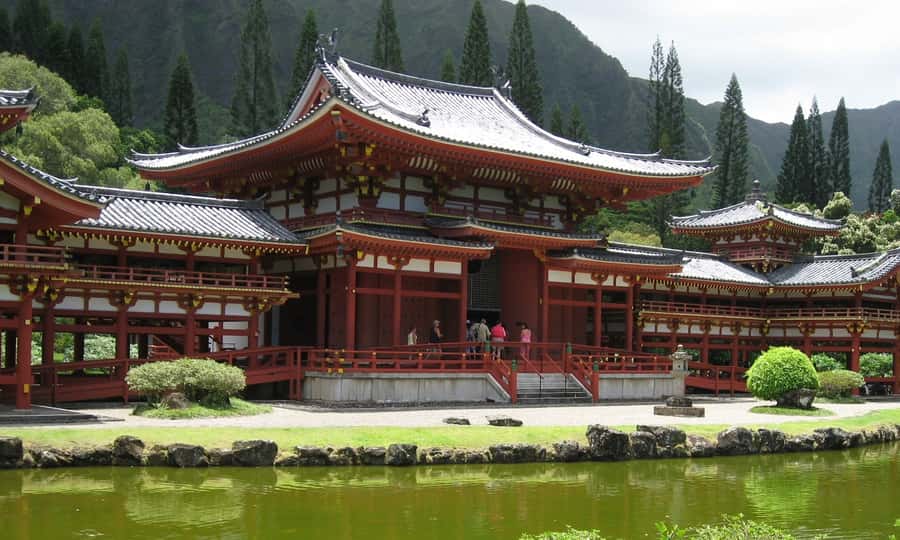
Byodo-in is one of Japan’s most famous temple complexes, and the tour includes admission. You’ll also see a museum with entry included, and it’s positioned to help you understand what you’re looking at—especially the Buddhist spirituality behind the site.
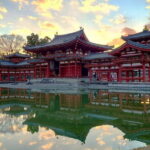
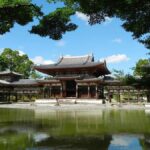
The Phoenix Hall is the star. The experience connects the dots between samurai history, tea shops along the medieval streets, and the religious setting of the temple. You also walk past the street lined with long-running tea commerce, so the experience feels like one continuous environment rather than two separate stops.
This is where architecture and art show their power. The setting, the imagery, and the way the museum frames it help you move beyond surface appreciation. Even if you’re not a Buddhism scholar, you come away with better footing.
One small drawback: the Phoenix Hall area is popular. A guide helps you understand what to look for and when to pause, which makes the time feel more purposeful.
Koshoji Temple: Mountain Calm After the Big Icon
After Byodo-in, you shift gears. Koshoji Temple hugs the mountainside and gives you a calmer, more Zen-leaning mood. If Byodo-in is about visual impact, Koshoji is about pace and atmosphere.
This stop also helps balance your day. You’re not stuck in one style of place. You’ve got tea culture and UNESCO grandness earlier, then you get nature and quiet after.
The walking here still includes stairs, so keep your shoes solid and your plans flexible if it rains.
Price and Value: What $111 Covers (and Why It Adds Up)

At about $111 per person, this tour can feel like a splurge—until you break down what’s included.
You get:
- A live guide in English or Spanish
- Gyokuro green tea experience and tea tasting
- Admission for Byodo-in and Koshoji
Temple fees alone can add up fast in Japan, and guided context usually saves you time when you’d otherwise be reading background notes on your phone. Add in the tasting lesson and the ponzu-leaf tasting moment, and the price starts to look like paying for a structured experience rather than just transportation.
What’s not included is food and drink outside the tea tasting. You’ll want to budget for lunch on your own unless you plan to eat right before and after the tour window.
In my view, the best value here is for people who like learning while they walk. If you’d rather wander without structure, you could DIY Uji. But if you want the tea lesson plus two temple admissions plus ritual explanation, this is a pretty efficient way to spend one half-day.
Pacing, Comfort, and Who This Tour Fits Best
This is designed as a 4-hour tour, rain or shine. That’s a good length for an out-of-Kyoto day trip: long enough to feel like you had a real “Uji moment,” not so long you lose the rest of your day.
The big physical consideration is stairs and general walking on temple grounds. The tour is not recommended if you have limited mobility, back problems, mobility impairments, or heart issues.
Comfort tip: wear shoes you trust on stone steps and uneven paths. Bring nothing fancy—your feet will do the work.
Group size is described as private or small groups available. That usually means you get more question time and a better chance of slowing down when the guide sees you need it.
What I’d Watch for Before You Book
A few practical realities to match expectations:
- You’re doing two temples plus tea plus shrine time in one half-day. It’s full, not rushed, but it is packed.
- The tea tasting is a booked experience at a local shop, so you should show up ready to go when it’s your turn.
- If you’re sensitive to crowded areas, focus on getting your bearings early and follow your guide’s timing.
On the plus side, the guides often adjust when plans shift on the ground. In at least one case, a tea tasting slot ran sold out, and the guide handled the situation by adapting the flow so the tour still worked.
Should You Book This Uji Green Tea Tour?
Book it if you want a Kyoto-area day trip that feels quieter, more local, and more explanatory than typical sightseeing. You’ll get gyokuro tea tasting with a real lesson, plus UNESCO-worthy Byodo-in, and then a mountain-side temple at Koshoji. The shrine stop ties everything together through water, purification, and ritual—exactly the kind of thread that makes Uji feel like a place, not just stops on a list.
Skip it if stairs and longer walking are a problem for you, or if you’re hoping for a very light, no-effort outing. Also skip it if you only care about temples and don’t want a structured tea experience.
If you’re a tea lover, a curious culture person, or you want one meaningful morning outside central Kyoto, this is a solid choice.
FAQ
How long is the Uji green tea tour?
It runs about 4 hours, with starting times that depend on availability.
What’s included in the price?
The tour includes a guide, Japanese gyokuro green tea experience and tea tasting, plus admission fees for Byodo-in and Koshoji Temple.
Do I need to pay for temple entry separately?
No. Entrance fees for Byodo-in and Koshoji are included.
Is the tour canceled for bad weather?
No. It takes place rain or shine.
What language is the guide?
The live guide is available in English and Spanish.
What should I bring and wear?
Wear comfortable shoes. The tour involves stairs and some walking, so dress for stone steps and uneven ground.
If you want, tell me when you’re traveling (month is enough) and whether you’re more into tea, temples, or the stories, and I’ll suggest the best time of day to do Uji.
More Tour Reviews in Uji

More of Uji and Its Matcha
Just added: more Uji tours to browse

Kyoto Temple & Shrine Tours, compared.
 ★ 4.9Tea Ceremony Ju-An at Jotokuji TempleFrom $293,207 reviews
 ★ 4.8Arashiyama Bamboo, Temple, Monkeys, or Secret Sake BreweryFrom $87886 reviews
 ★ 5.0Arashiyama Bamboo Forest, Monkeys, Matcha & Temple TourFrom $53759 reviews
 ★ 4.4Osaka/Kyoto: Arashiyama, Nara & Fushimi Inari Shrine w/LunchFrom $61754 reviews
 ★ 4.7Imperial Palace & Nijo Castle Guided Walking TourFrom $49453 reviews
 ★ 5.0Kyoto Zen Meditation & Garden Tour at a Zen Temple with LunchFrom $110441 reviews
 ★ 5.0Zen Experience in a Hidden TempleFrom $109437 reviews
 ★ 5.0KYOTO Tea Ceremony with kimono near by Imamiya Jinjya ShrineFrom $99343 reviews
Browse the lists this tour appears in