
Reviewed · KYOTO TEA CEREMONIES
Kyoto Matcha Green Tea Tour
There’s something comforting about Kyoto tea culture. In Uji, you’ll get a guided path through local tea shops, plus the hands-on part: watching matcha being made and tasting multiple styles. If you love food tours that teach you while you eat, this one hits the sweet spot.
I really like that the tour handles the hard parts for you: translation help, help finding shops you’d miss on your own, and a set lunch so you don’t have to plan meals mid-tour. I also love the built-in mix of experiences—matcha tasting, matcha-making, and sweet pairings—so you walk away with more than a souvenir cup.
One consideration: it’s not listed as suitable for vegan or gluten-free diets, and since lunch and sweets are included, you’ll want to double-check if that matters for your food needs.
In This Review
- Key Highlights That Make This Uji Matcha Tour Worth Your Time
- Uji is Where Matcha Makes Sense
- Price and Value: What $221 Buys You (and Why It Can Work)
- Meeting at Uji Station: Easy Start, Clear Rhythm
- Uji City Stops: Tea Shops, Shrine Energy, and a River Bridge Walk
- Uji Shrine (Uji Jinja)
- Amagasetsuri Bridge
- Masuda Chaho: The Ending Flavor and the Shopping Payoff
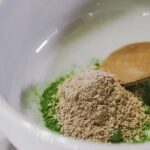
- The Hands-On Matcha Moment: Watching, Making, and Pairing
- Who the “making” part is best for
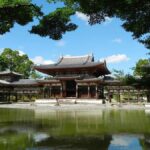
- Byodoin Temple: A UNESCO Stop That Grounds the Tea Story
- Group Size, Pace, and Practical Comfort
- Food Notes: Vegetarian-Friendly, But Not Vegan or Gluten-Free
- Drinking Age Detail
- Who Should Book This Tour (and Who Might Prefer Something Else)
- Should You Book the Kyoto Matcha Green Tea Tour?
- FAQ
- What’s the total duration of the Kyoto Matcha Green Tea Tour?
- Where does the tour start and where does it end?
- What’s included in the tour besides matcha tasting?
- Do I need to bring food with me?
- How big is the group?
- Is the tour suitable for vegetarians?
- Is it recommended for vegans or gluten-free travelers?
- What age rules apply for drinking?
- Is the tour near public transportation?
Key Highlights That Make This Uji Matcha Tour Worth Your Time
- Uji tea-shop circuit plus shopping time, so you can actually buy what you taste
- Matcha making and tasting (not just watching from the sidelines)
- Included lunch + wagashi sweets + matcha ice cream, which makes the price feel more “all-in”
- A quick visit to Byodoin Temple, the UNESCO site that anchors Uji’s cultural side
- Small group size (max 10 travelers), which keeps questions and translation from feeling rushed
Uji is Where Matcha Makes Sense
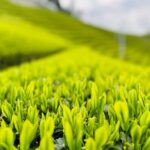
Uji is the name you hear when people talk seriously about Japanese green tea in Kyoto. This tour doesn’t treat matcha like a trend; it treats it like a craft, with stops that connect daily life in tea town to the traditions tourists usually only read about.
What I like about starting in Uji is that it keeps things grounded. You’re not spending the day running between far-flung sights. You’re walking a tea-focused route, popping into local spaces, and getting explanations as you go—exactly the way you want a food-and-tea tour to work.
You’ll also see the practical side of tea culture: how people shop for tea, how tea gets discussed in everyday terms, and how the city’s landmarks tie into the bigger story of the area.
Sit for another bowl of matcha in a Uji tea house
Price and Value: What $221 Buys You (and Why It Can Work)
At $221 per person for about 3 hours 15 minutes, this isn’t a bargain-basement activity. But it also isn’t only a tasting flight with a coupon vibe.
Here’s what you’re effectively paying for:
- Matcha tasting as part of the structured experience
- A lunch set included (so you’re not hunting for food while everyone else is eating)
- A real tea experience that includes matcha making, plus wagashi sweets and matcha ice cream
- Shopping time so you can turn what you learn into an actual purchase
When a tour includes food + a workshop moment, the price usually makes more sense, especially in Japan where guided, structured experiences cost real money. And the small group size matters here too—ten people max is a big difference versus the big bus model.
Meeting at Uji Station: Easy Start, Clear Rhythm
You’ll meet at Uji Station (Otsukata Uji area) at 11:00 am. The tour runs without hotel pickup, so build your day around that. The good news: it’s described as near public transportation, so getting there should be straightforward.
Once you’re together, the flow is simple: walk the Uji area, visit key spots, and then finish with the temple visit and shopping time around Byodoin.
This timing is also friendly. A late-morning start means you won’t feel like you’re dragging yourself out of bed just to drink tea. And because lunch is included, you don’t have to make a risky call on where to eat at the worst possible moment.
Uji City Stops: Tea Shops, Shrine Energy, and a River Bridge Walk
The heart of the day is your Uji segment. The tour focuses on the center of Japanese green tea culture, with a mix of cultural stops and places that sell tea.
Uji Shrine (Uji Jinja)
One of the stops is Uji Shrine, a historic Shinto shrine tied to the area’s long-running spiritual and cultural life. It’s not a long detour. You’re simply adding atmosphere and context—so the tour feels like more than a food-and-sweets sprint.
If you like travel that moves at a human pace, this kind of stop helps. It also gives your brain a break between shops, because tea tastings and walking can stack up fast.
Amagasetsuri Bridge
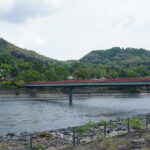
Then there’s Amagasetsuri Bridge, a scenic wooden suspension bridge over the Uji River. It’s a classic “stretch your legs and reset” moment, and it also connects you to the river-town setting that supports all the tea talk.
Even if photos aren’t your main goal, the bridge walk gives you a sense of place. You’ll feel Uji as a riverside tea town, not just a set of shopfronts.
Masuda Chaho: The Ending Flavor and the Shopping Payoff
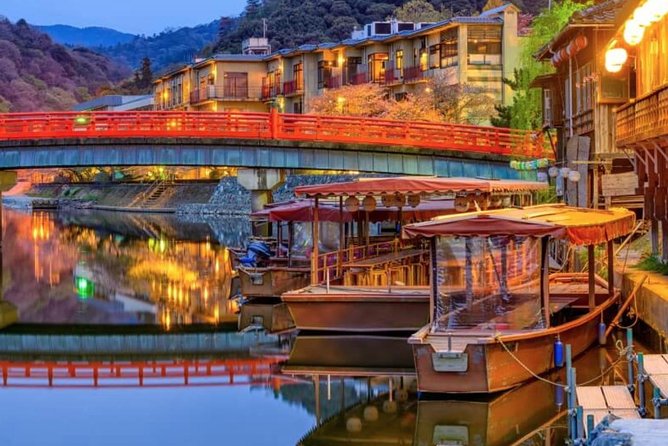
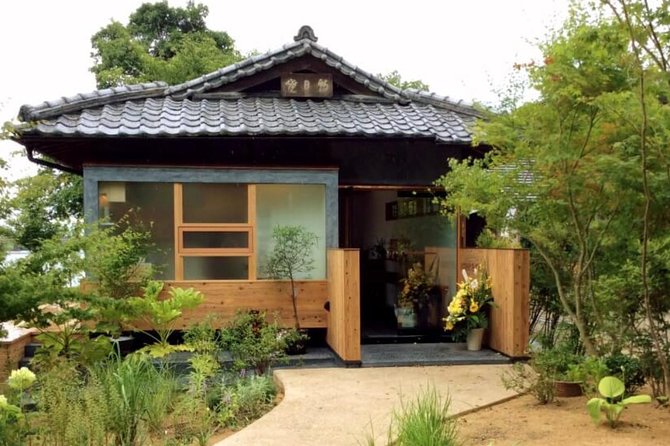
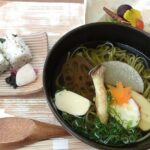
A key part of the Uji route is stopping at Masuda Chaho, described as a well-known tea shop where you can unwind with premium Uji matcha or hojicha.
This is a smart placement in the tour. By the time you reach the shop, you’ve already tasted and talked about different matcha styles. So when you sit down, you’re not tasting blindly—you’re tasting with a framework.
And that matters because Uji tea shops are full of choices. Having time at the end means you can compare what you liked earlier and decide what you actually want to take home.
The Hands-On Matcha Moment: Watching, Making, and Pairing
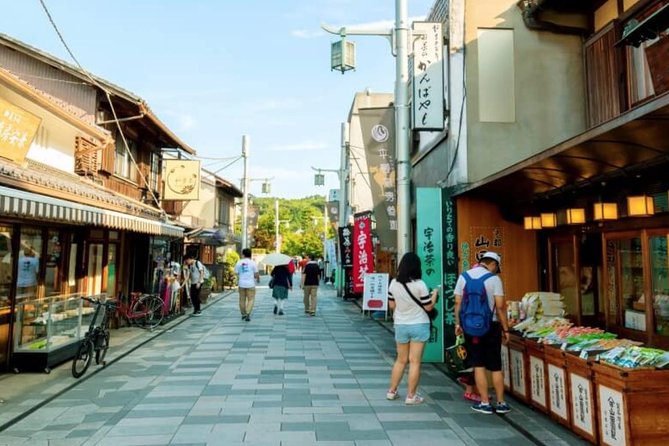
This is the part that turns a normal tasting tour into a skill-builder.
You get:
- Matcha tasting as part of the experience
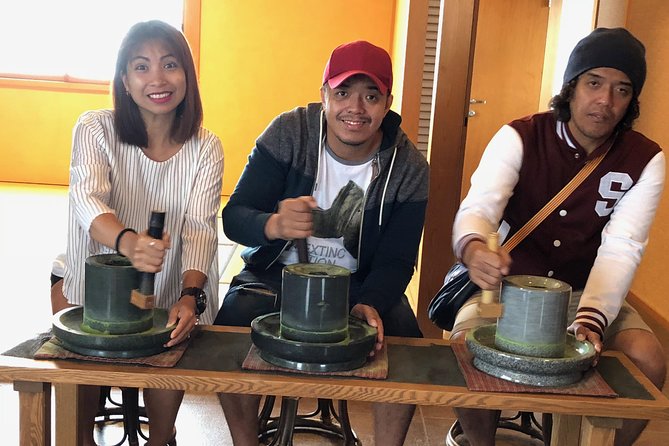
- Matcha making (so you see how it’s crafted)
- Wagashi sweets paired into the session
- Matcha ice cream also featured
Even if you’re not trying to replicate the whole process at home, watching matcha being made teaches you what to pay attention to: how people handle the ingredients, what changes in texture and aroma as the process goes on, and how the tasting experience becomes more precise after you’ve seen the steps.
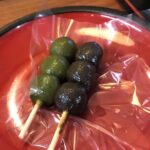
I also like that sweets are included. In Japan, tea and sweets are often meant to balance each other. The wagashi + ice cream pairing helps you understand matcha beyond the bitter-tea stereotype. Instead, you start recognizing why different forms feel different on the tongue.
Who the “making” part is best for
If you’re a matcha fan who buys tins but doesn’t know what makes one bowl taste different from another, this is ideal. If you’re brand-new to matcha, it can also be a gentle intro because you’ll get guidance, not just ingredients handed to you.
Byodoin Temple: A UNESCO Stop That Grounds the Tea Story
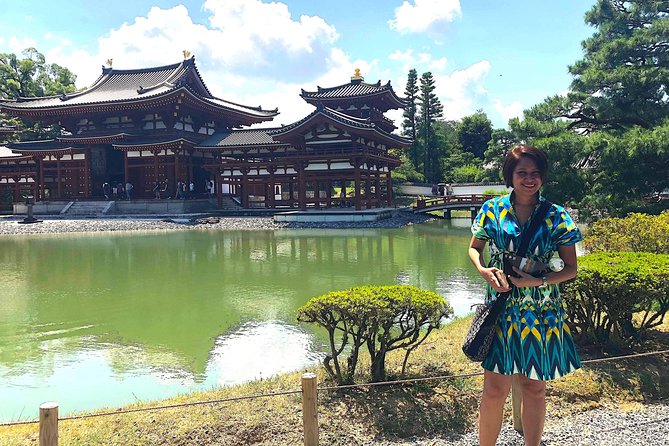
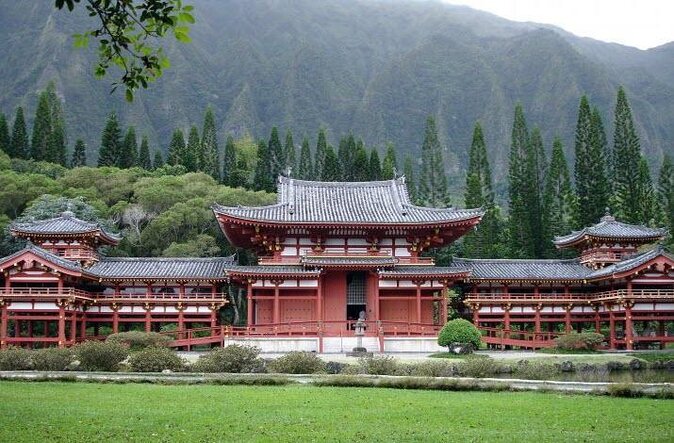
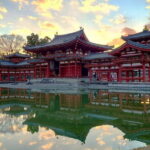
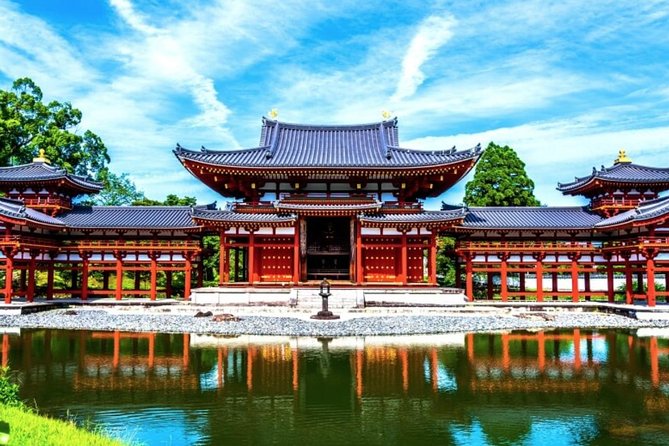
After the Uji walk and tea shop time, you reach Byodoin Temple. It’s described as a UNESCO World Heritage site, and the stop is short—about 5 minutes, with admission noted as free.
That brief timing is both a strength and a limitation. The strength is that you don’t lose the day to a long temple tour when your focus is tea. The limitation is that you’ll likely want more time if you’re a dedicated temple-photo person.
Still, as a stop that frames the tour’s theme, it works well. It gives the day cultural weight, so you leave thinking about Uji as a place where tea, belief, and daily life connect.
From there, the tour ends around the shopping streets in the Byodoin area, which is convenient if you want to keep walking and browsing after your tea session.
Group Size, Pace, and Practical Comfort
This experience caps at 10 travelers, which usually means:
- You can ask questions without shouting
- Translation help has room to be useful instead of rushed
- The workshop part stays orderly
You should also have moderate physical fitness level. It’s not described as a hardcore hike, but you will walk between stops, cross the bridge, and be on your feet for most of the tour.
Family-friendly is stated, and children must be accompanied by an adult. There’s also a note that for kids 10 and above, a passport information copy is required. If you’re traveling with kids, that’s worth handling early so you aren’t scrambling later.
Food Notes: Vegetarian-Friendly, But Not Vegan or Gluten-Free
The tour is marked vegetarian friendly, and it includes lunch plus sweets. That generally means vegetarians should feel comfortable.
But it also says not recommended for vegans and gluten-free. Because lunch and sweets are part of the included experience, you shouldn’t count on substitutions unless the organizer confirms options for your needs.
If your diet restrictions are strict, consider contacting the provider before booking. It’s better to confirm than to show up and realize your meal plan can’t match what’s included.
Drinking Age Detail
The tour lists a minimum drinking age of 21 years. Since the focus is tea and desserts, you might not need to worry if you’re not planning any alcoholic beverages. Still, if you’re bringing young adults or hoping to pair drinks, it’s good to know the rule is there.
Who Should Book This Tour (and Who Might Prefer Something Else)
This is a great fit if:
- you want a Uji matcha experience that blends craft + tasting + food
- you like guided translation and shop navigation
- you plan to buy tea or teaware and want to taste first
- you enjoy small groups and a paced walking route
You might skip it if:
- you’re vegan or gluten-free and need guarantees about meals
- you want a long, detailed temple tour instead of a quick UNESCO stop
- you prefer self-guided sightseeing with lots of solo wandering time
Also, if you like popular Kyoto attractions, this gives you something different. Uji is close enough to feel Kyoto-adjacent, but focused enough to feel like a specialty trip.
Should You Book the Kyoto Matcha Green Tea Tour?
If you’re a matcha lover or you’re curious about the real differences between styles, I think this tour is a smart purchase. The best value comes from the combination: matcha making + tasting + included lunch + sweets, all in a small-group format with a structured route through Uji.
The key reason to book is simple: it saves you from the typical tea-tour problem. You won’t just taste and walk away. You’ll leave with a better sense of what you liked, why it tastes the way it does, and what to look for when you shop.
My only “pause and check” is food needs. If your diet is vegan or gluten-free, don’t assume you can adapt easily since it’s marked not recommended. If that’s you, ask before paying.
FAQ
What’s the total duration of the Kyoto Matcha Green Tea Tour?
The tour runs for about 3 hours 15 minutes (approx.).
Where does the tour start and where does it end?
It starts at Uji Station (Otsukata Uji, Kyoto). It ends at Byodoin Temple (Renge-116 Uji, Kyoto) and includes time around the shopping streets in the Byodoin area.
What’s included in the tour besides matcha tasting?
In addition to matcha tasting, the tour includes lunch, a tea experience featuring matcha making, wagashi sweets, and matcha ice cream, plus shopping time.
Do I need to bring food with me?
No. A tasty set lunch is included, so you don’t need to bring food for the tour.
How big is the group?
The tour has a maximum of 10 travelers.
Is the tour suitable for vegetarians?
Yes, it’s marked vegetarian friendly.
Is it recommended for vegans or gluten-free travelers?
It is marked not recommended for vegans and gluten-free travelers.
What age rules apply for drinking?
The tour lists a minimum drinking age of 21 years.
Is the tour near public transportation?
Yes, it’s described as near public transportation, and it has a public-transit meeting point at Uji Station.
More Tours in Uji

More Tour Reviews in Uji
One More Bowl of Matcha
Just added: more Uji tours to browse

Kyoto Tea Ceremonies, compared.
 ★ 4.9Tea Ceremony in a Traditional Tea House in KiyomizuFrom $493,519 reviews
 ★ 4.9Tea Ceremony Ju-An at Jotokuji TempleFrom $293,207 reviews
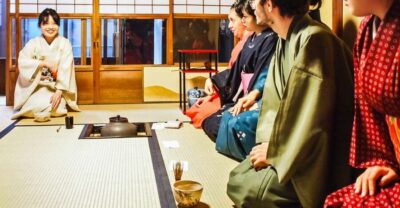 ★ 4.345-Minute Tea Ceremony Lesson ExperienceFrom $222,378 reviews
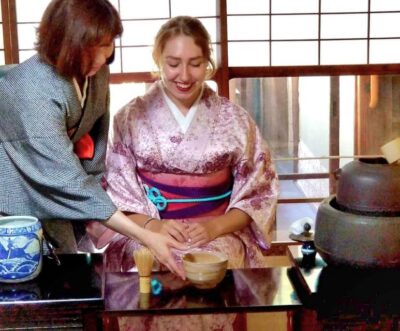 ★ 4.9Table-Style Tea Ceremony at a Kyo-MachiyaFrom $451,211 reviews
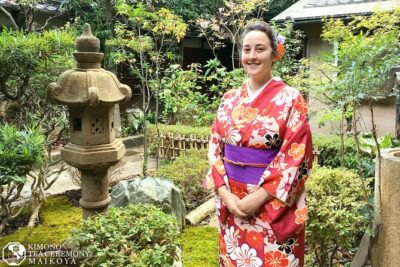 ★ 5.0Kimono Tea Ceremony at Kyoto Maikoya, NISHIKIFrom $65911 reviews
 ★ 5.0Arashiyama Bamboo Forest, Monkeys, Matcha & Temple TourFrom $53759 reviews
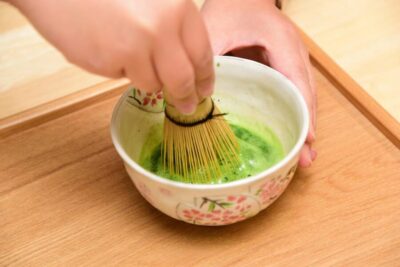 ★ 4.9Tea Museum Tickets and Matcha Grinding ExperienceFrom $23739 reviews
 ★ 4.9Kimono Tea Ceremony at Orizuruya GionFrom $49618 reviews
Browse the lists this tour appears in