
Reviewed · KYOTO TEA CEREMONIES
Uji Tea Ceremony and UNESCO Heritage Walking Tour
Uji can feel like a quiet side street, until you taste the tea. This UNESCO Heritage walking tour strings together Byodoin’s history, Taiwan’s famous tea roots at Taihoan, and easy scenic stops—so you get culture without spending the whole day reading plaques. I especially like the mix of major sights and slower, human-scale moments, and I like how the tea segment isn’t just a show; you learn what you’re doing and why. The one thing to consider: the tour is short and structured, so if you want a long sit-down meal or lots of free time at every stop, this may feel a bit “just the highlights.”
The good news is the pacing works for a lot of people. With a small group (max 9) and an English-speaking guide, you can ask questions as you go—especially at Byodoin Temple, where the story behind the Phoenix Hall makes the place click fast.
In This Review
- Key things you’ll notice on this Uji tour
- Why Uji is a smart choice for a tea-focused day
- Price, timing, and the real value of the $70 format
- Meeting point and how the walking route feels in real life
- Stop 1: Entering Byodoin Temple and Phoenix Hall
- Stop 2: Taihoan tea ceremony where matcha becomes hands-on
- Stops 3 and 4: Asagiri Bridge and two shrine stops for quieter moments
- Stop 5: Uji Bridge and the tea-and-treat finale
- Why the guides really matter in Uji
- Who should book this tour (and who might want a different style)
- What to bring for a comfortable 3-hour walk
- Should you book the Uji Tea Ceremony and UNESCO Heritage Walking Tour?
- FAQ
- How long is the Uji Tea Ceremony and UNESCO Heritage Walking Tour?
- Where does the tour start and end?
- What time does the tour begin?
- How many people are in the group?
- What’s included in the price?
- Are the other stops like the bridges and shrines included too?
- Is the tea ceremony at Taihoan included?
- Is the tour suitable for English speakers?
- What happens if the weather is bad?
- Can I get a refund if I cancel?
Key things you’ll notice on this Uji tour
- Small group (max 9) means less crowd pressure and more back-and-forth with your guide
- Byodoin Temple UNESCO stop includes admission, with a big focus on the Phoenix Hall
- Taihoan tea ceremony connects tea culture to its origin story in Uji
- Scenic bridge photo breaks at Tachibara and Asagiri Suspension Bridges keep the walk enjoyable
- Shrines you can actually slow down at (Uji Shrine and Ujigami Shrine) without rushing
- Ending at Uji Bridge gives you a chance to try Uji green tea and local treats
Why Uji is a smart choice for a tea-focused day

Uji sits just outside Kyoto, but it feels like its own world. It’s known for green tea in a way that’s practical, not just touristy: it shows up in the way locals talk, what you smell around tea shops, and the kind of calm pace you’ll notice on the river paths and temple grounds.
This tour makes Uji easy to understand. Instead of bouncing from one random shop to another, you follow a theme: sacred architecture first, then tea as a lived tradition, then the town’s spiritual and everyday spaces. If you’re a Kyoto visitor who wants one day that feels more local and less overwhelmed, Uji is an excellent pivot—and this tour gives you the thread.
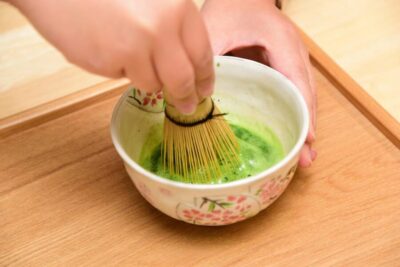
Sit for another bowl of matcha in a Uji tea house

Price, timing, and the real value of the $70 format
At $70 per person for about 3 hours, you’re paying for three things: a timed guided route, included admissions to the big-ticket temple site, and a structured tea experience at Taihoan.
What makes that value work is the balance. The tour isn’t only about one paid stop; it uses included admissions strategically. You get Byodoin Temple entrance included, and you don’t have to figure out the tea ceremony details on your own. On the other hand, some stops are free, like the shrines and bridge areas, so you’re not paying again and again just to move from one photo spot to another.
One timing note: the tea ceremony segment is described as 30 minutes in the included list, but also referenced as up to 40 minutes in the tour details. Either way, plan for a short, focused ceremony window—not a long, drawn-out meal experience.
Meeting point and how the walking route feels in real life
The tour starts at Uji Station (Kyoto address listed), with the start time at 9:45 am. That matters more than people think. If you start at a rail hub, it’s simpler to connect from Kyoto and less stressful if your train schedule shifts.
The route then ends at Uji Bridge (Otsukata Uji, Kyoto 611-0021). Ending near the bridge area is convenient because you can keep wandering or switch to your next plan without backtracking to the station immediately.
Group size also changes the experience. With up to 9 travelers, the guide can adjust the tempo. If you’re traveling with kids, you’ll likely appreciate that the guide can keep an eye on everyone without turning it into a herd.
Stop 1: Entering Byodoin Temple and Phoenix Hall
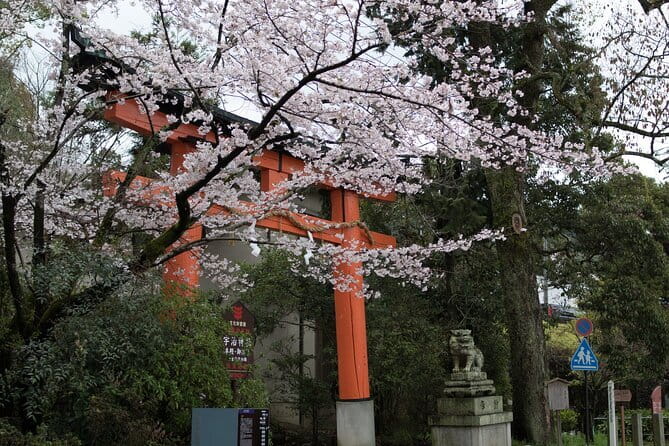
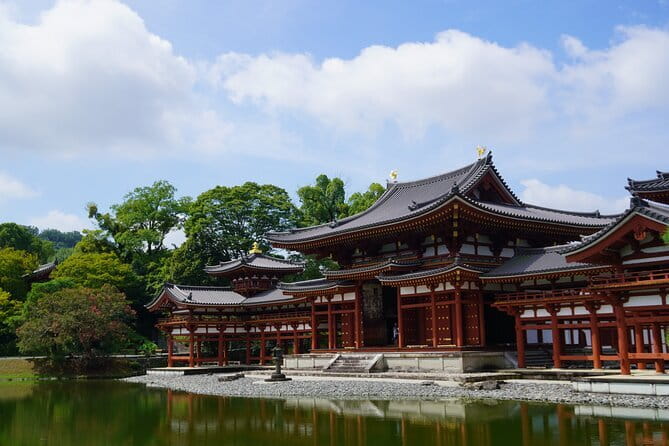
This is the anchor stop. Byodoin Temple is a UNESCO World Heritage site, and the highlight you’ll hear about is the Phoenix Hall—framed as a structure with over a millennium of history.
What the guide helps you do here is see the temple as more than scenery. When you understand what the building represents and why it was designed the way it was, the architecture turns from “nice” into meaningful. This is also where photos tend to work best, because Phoenix Hall is such a recognizable focal point that it gives you a clear subject even if you’re not an architecture expert.
A practical tip: wear footwear you’re comfortable walking in. Temple grounds can involve uneven paths, and you’ll want to move at a relaxed speed. The stop runs about 1 hour with admission included.
Stop 2: Taihoan tea ceremony where matcha becomes hands-on
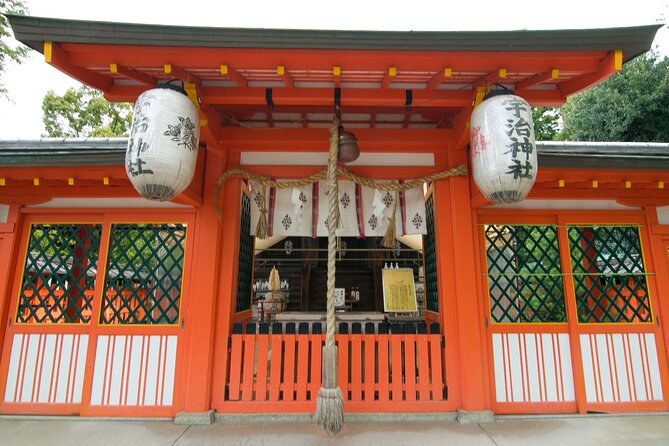
Taihoan is the tea moment that turns the history into something you can actually taste and feel. It’s described as the birthplace of Japan’s green tea, and the ceremony is where you learn the practical steps and the cultural logic behind them.
This part is guided, not DIY. Expect a structured tea ceremony segment around 30–40 minutes. The value here is that you’re not just watching someone pour tea; you’re learning what you’re doing and why it matters. That turns matcha from a beverage you buy into a ritual you understand.
One more thing: this is the stop that can feel short. In the feedback I’ve absorbed, people who wanted a longer sitting at the ceremony sometimes felt it was over quickly. If you’re the type who loves slow, prolonged cultural performances, you might wish for more time here. But if you want a well-paced introduction that still leaves room for the rest of Uji, this format usually fits.
More matcha and riverbank temples out in Uji



Stops 3 and 4: Asagiri Bridge and two shrine stops for quieter moments
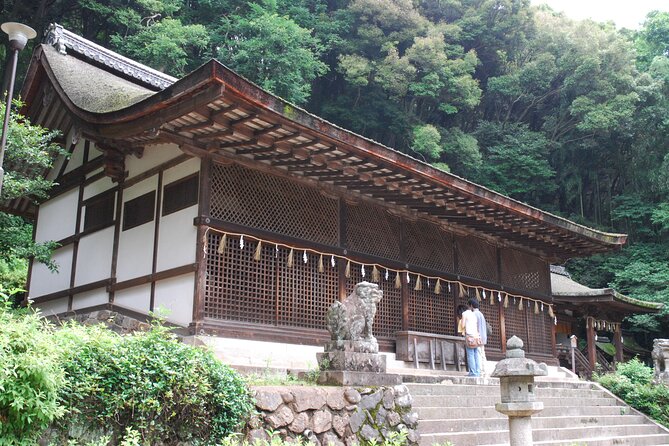
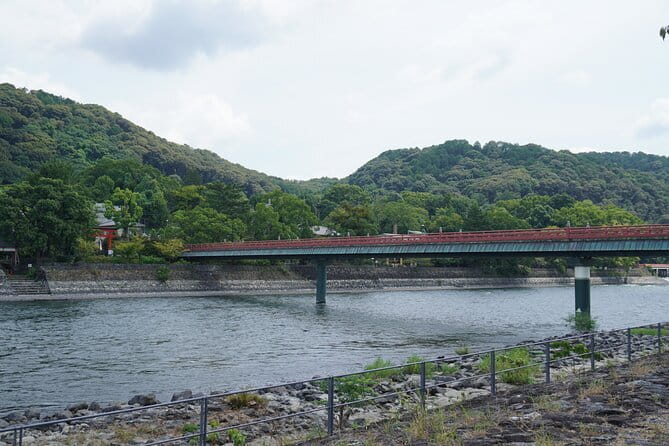
After the big historical hit, you get a change of pace. There’s a scenic bridge break at Tachibara and Asagiri Suspension Bridges, with a short time window of about 15 minutes. The goal isn’t to hike for hours; it’s to give you views and breathing room to reset your eyes before the next sacred stop.
Then you shift into shrine atmosphere at Uji Shrine and Ujigami Shrine (about 20 minutes). Shrines in Uji often feel calmer than the heavy-traffic temple areas in larger cities. That’s part of the charm. You’re not just taking snapshots; you’re getting a sense of how faith and daily life sit side by side here.
Practical expectation: shrine visits can involve small details—gates, stones, and layouts. The guide’s job is to point your attention so you don’t just walk through and forget it 10 minutes later.
Stop 5: Uji Bridge and the tea-and-treat finale
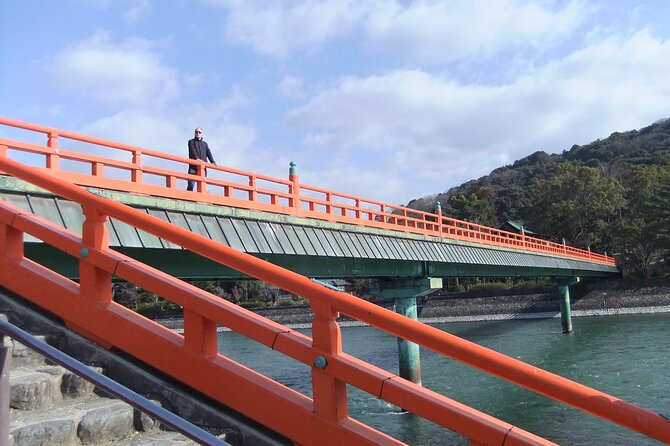
The tour finishes at Uji Bridge with about 45 minutes. This is where the experience becomes more everyday. You’ll be tasting Uji green tea and local culinary treats as part of the conclusion.
This is also where you can start thinking like a local shopper. After you’ve learned tea basics earlier, your senses are more awake: you’ll notice differences in aroma, you’ll understand why certain preparation styles matter, and you’ll be more confident ordering something that matches what you want.
One caution: the tour includes tastes, but it doesn’t include personal expenses. So treat this as a sampling and a springboard, not a guarantee that every bite you want will be covered.
Why the guides really matter in Uji
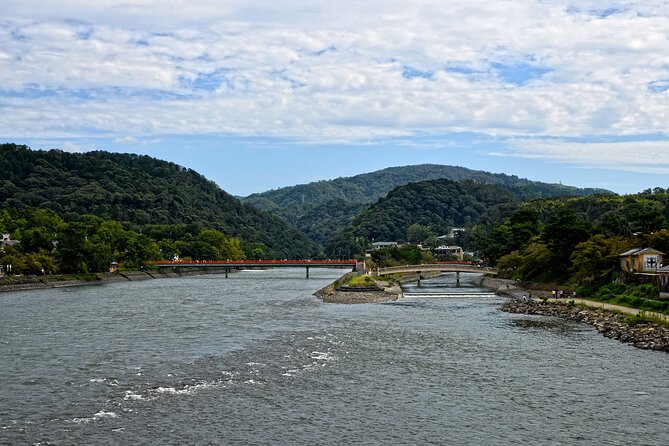
The tour succeeds because the guide brings context. In the feedback tied to different tour leaders, names that came up include Naoki, Nobumasa Myake, Katsuhiko, and Maru—and across those experiences, the consistent theme is clear explanation and a friendly approach.
What that means for you: you’ll spend less time wondering what you’re looking at. At Byodoin, that can mean understanding the significance of the Phoenix Hall. At Taihoan, it can mean knowing what each step of the tea ceremony is trying to communicate.
If you like asking questions, small-group format helps. You’re not stuck listening to a lecture while your feet ache.
Who should book this tour (and who might want a different style)
I think this tour fits best if you:
- want a structured Uji introduction in about half a day
- care about the connection between tea culture and Japanese history
- like walking with scheduled stops rather than wandering with no plan
- enjoy temples and shrines but don’t want to spend the whole day on big-city crowds
You might choose something else if you:
- want a lot of free time at one site (this tour is paced for multiple meaningful stops)
- expect the tea ceremony to be a long, slow sitting
- need a fully flexible schedule where you can linger for an hour at any one place
What to bring for a comfortable 3-hour walk
Since this is a walking tour with multiple exterior stops, keep it simple:
- Comfortable shoes (bridges and temple grounds require stable footing)
- Light layers (morning temps can shift, especially in Kyoto-area weather)
- A small camera or phone for the bridge viewpoints and Phoenix Hall
If you’re visiting in seasons with rain or strong wind, remember the experience requires good weather. If weather gets poor, you’ll be offered an alternative date or a full refund.
Should you book the Uji Tea Ceremony and UNESCO Heritage Walking Tour?
Yes—if you want the best of Uji without the guesswork. For the money, the mix is sensible: a UNESCO temple stop with admission included, a tea ceremony that connects tea to its roots, and scenic bridges plus shrine time that doesn’t feel rushed.
I’d especially recommend it if you’re traveling in the Kyoto region and want one day that feels calmer and more coherent than jumping between multiple districts. The small group size, English guide support, and the way the tea and temple stories tie together make this a strong value at $70 for roughly 3 hours.
If you’re expecting a long tea ceremony or a free-form food crawl, adjust your expectations. This is a guided “highlights with meaning” tour—and when you approach it that way, it delivers.
FAQ
How long is the Uji Tea Ceremony and UNESCO Heritage Walking Tour?
The tour is about 3 hours (approx.).
Where does the tour start and end?
It starts at Uji Station (Kyoto, 611-0021) and ends at Uji Bridge (Otsukata Uji, Kyoto 611-0021).
What time does the tour begin?
The start time is 9:45 am.
How many people are in the group?
The tour has a maximum of 9 travelers.
What’s included in the price?
Included are an English-speaking guide, entrance fees to Byodoin (Byodo-in), and the tea ceremony (listed as 30 minutes; tour details also reference up to 40 minutes).
Are the other stops like the bridges and shrines included too?
Entrance fees are included for Byodoin. The bridge and shrine stops are listed as admission free.
Is the tea ceremony at Taihoan included?
Yes. The tea ceremony at Taihoan is included as part of the experience.
Is the tour suitable for English speakers?
Yes. The guide is English speaking, and the tour notes that it’s near public transportation and most travelers can participate.
What happens if the weather is bad?
The experience requires good weather. If it’s canceled due to poor weather, you’ll be offered a different date or a full refund.
Can I get a refund if I cancel?
Yes. There is free cancellation, and you can cancel up to 24 hours in advance for a full refund.
More Tour Reviews in Uji


More of Uji and Its Matcha
One More Bowl of Matcha

Just added: more Uji tours to browse

Kyoto Tea Ceremonies, compared.
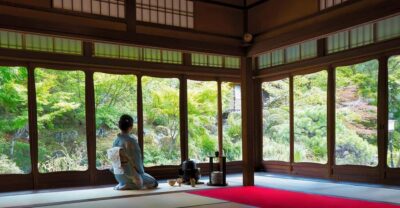 ★ 4.9Tea Ceremony in a Traditional Tea House in KiyomizuFrom $493,519 reviews
 ★ 4.9Tea Ceremony Ju-An at Jotokuji TempleFrom $293,207 reviews
 ★ 4.345-Minute Tea Ceremony Lesson ExperienceFrom $222,378 reviews
 ★ 4.9Table-Style Tea Ceremony at a Kyo-MachiyaFrom $451,211 reviews
 ★ 5.0Kimono Tea Ceremony at Kyoto Maikoya, NISHIKIFrom $65911 reviews
 ★ 5.0Arashiyama Bamboo Forest, Monkeys, Matcha & Temple TourFrom $53759 reviews
 ★ 4.9Tea Museum Tickets and Matcha Grinding ExperienceFrom $23739 reviews
 ★ 4.9Kimono Tea Ceremony at Orizuruya GionFrom $49618 reviews
Browse the lists this tour appears in