
Reviewed · WALKING TOURS
The Way of Tea: Kyoto Crafts, Hidden Temples & Wabi-Sabi Walk
Kyoto can feel like a maze of lanes and ticket lines, but this tour gives you a guided path through Gion’s tea culture and temple time. I like the small group size (up to 7), which makes it easy to ask questions, and I really like that temple admission is included so you don’t have to figure things out on the spot. One thing to consider: if you’re picky about spoken English volume and clarity, you’ll want to be ready to focus closely on your guide’s instructions.
You also get a satisfying mix of shopping stops, a quiet garden visit, and an end-to-end tea ceremony experience in a traditional setting. The pacing is built for a half-day walk: short stops, then a longer tea ceremony finale. If you want maximum free time wandering on your own, this tour is more structured than that.
In This Review
- Key Points That Make This Tour Worth Your Time
- Why This Kyoto Tea-and-Temples Walk Works
- Meeting in Gion: Find the Orange Sign and Get Your Bearings Fast
- Gion First Stop: Matcha Culture Starts Here
- Kennin-ji Temple: A Centuries-Long Kyoto Anchor
- Craft Shops in Kyoto Prefecture: Tea Meaning Shows Up in Objects
- A Hidden Temple and Garden: Slow Down Without Getting Bored
- Raku Teacups: How Ceramics Teach Wabi-Sabi
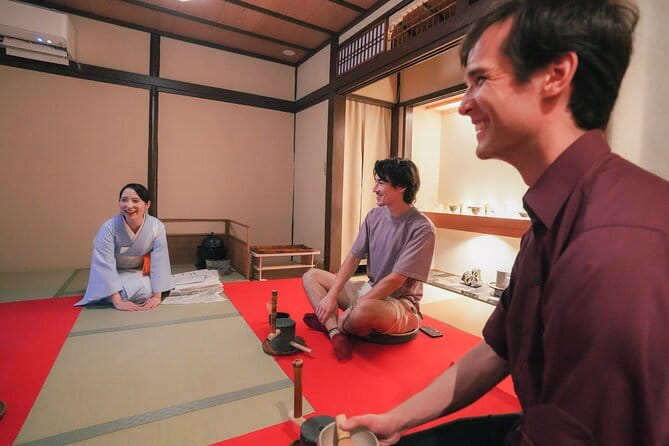
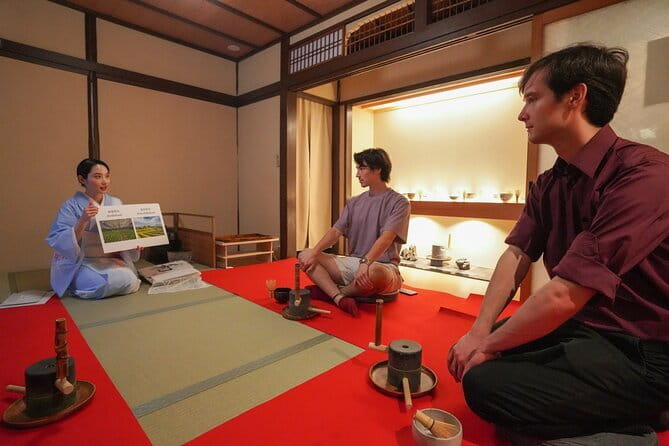
- Tea Ceremony Chayu: Matcha Instruction in a Traditional House
- Photos During the Tour: A Small Inclusion That Adds Up
- Price and Value: What $94.45 Buys You in Kyoto
- Logistics You Should Know Before You Go
- Who This Tour Is Best For
- A Consideration on English Clarity
- Should You Book The Way of Tea Tour?
- FAQ
- How long is the tour?
- Where does the tour start?
- Where does the tour end?
- What is included in the tea ceremony?
- Are temple entrance fees included?
- Do you need to pay for food during the tour?
- Is this tour suitable for children?
- What happens if the weather is bad?
- What is the cancellation policy?
Key Points That Make This Tour Worth Your Time
- Small group of up to 7: fewer people to slow the walk, more guide attention.
- Temple admission included: you’re paying for experiences, not surprise tickets.
- Gion + matcha education: tea isn’t treated like trivia; you learn how it’s made and why it matters.
- Raku and ceramics stop: you’ll see how teacups connect to everyday meaning, not just aesthetics.
- Tea ceremony in a real house: matcha lesson ends the walk with hands-on instruction.
- Photos during the tour: you won’t have to keep switching to camera mode every few minutes.
Why This Kyoto Tea-and-Temples Walk Works
This is one of those Kyoto combos that makes sense: tea culture lives right next to temples in the city’s daily rhythm. Instead of sending you off to “figure it out,” you follow an English-speaking guide who handles the transitions and keeps the group moving at a good pace.
What I like most is the flow. You start in Gion’s atmosphere, move into a major temple like Kennin-ji, then switch gears to crafts and a calmer hidden stop before ending with a tea ceremony. That arc helps you understand tea as culture, not just a drink.
The other quiet win is that you get temple entry included, which matters in Kyoto. It’s one less thing to manage while you’re walking, and it makes the time feel more “spent on experience” rather than logistics.
Other Kyoto tours and experiences to compare


Meeting in Gion: Find the Orange Sign and Get Your Bearings Fast
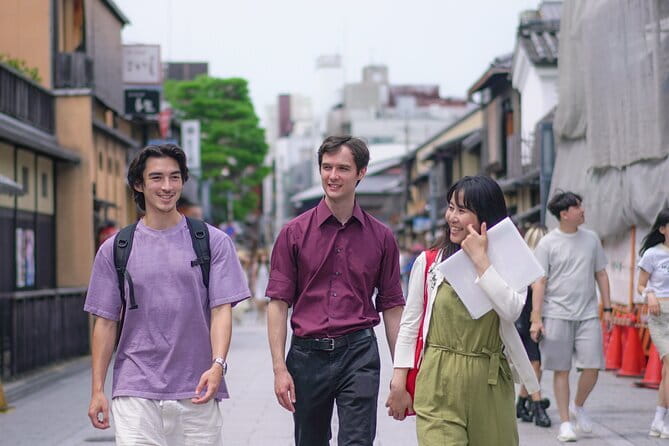
Your start point is in the Higashiyama area: in front of the Statue of Izumo-no-Okuni, right outside Exit 5 of Gion Shijo Station (Keihan Line). When the group gathers, a guide holds an orange signboard reading Magical Trip Tour, which is a simple way to avoid the usual meeting-point confusion.
This matters because Kyoto days can start late or get messy fast—especially in popular lanes around Gion. Having a clear landmark makes your arrival calmer and your first stop easier to enjoy.
One important note: the tour must start on time, and if you’re late and miss the group, you can’t join, get a refund, or reschedule. So plan to arrive early enough to breathe and regroup.
Gion First Stop: Matcha Culture Starts Here
The first stop focuses on tea history and how it’s made, with time to stroll through Gion and visit a well-known matcha shop. This is the moment where tea becomes more than a souvenir flavor—this is where the tour starts building the language you’ll hear again later during the tea ceremony.
You’ll spend about 30 minutes here, and admission to that matcha shop stop is listed as free. Practically, that makes it a good early hit: you’re learning something while the streets are still waking up and you’re not exhausted yet.
If you like hands-on learning, this first segment sets you up well. Tea ceremonies make more sense when you understand the basics first—why matcha works the way it does, and what people are aiming for in taste and texture.
Kennin-ji Temple: A Centuries-Long Kyoto Anchor
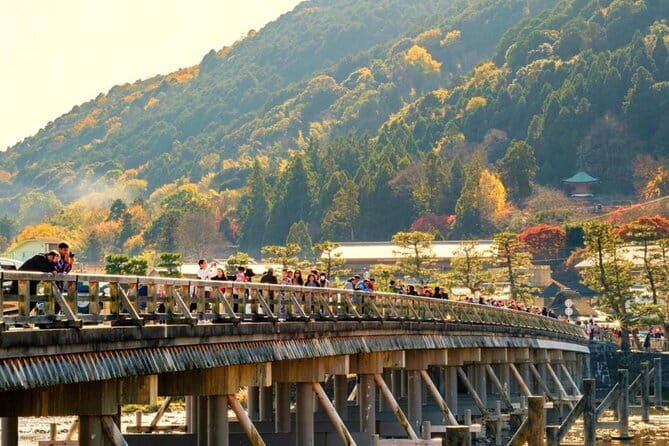
Next comes Kennin-ji Temple, one of Kyoto’s well-known, long-standing sites. You get another 30-minute window, and temple admission is included, with the same free entry listing for the stop.
What makes this stop valuable is perspective. A lot of tourists move through temples as photo stops. Here, the guide helps you look at the place as a living part of Kyoto’s timeline—why it’s still meaningful and how it fits into the city’s traditions.
Time is limited, so you’ll want to keep your eyes open for whatever details your guide points out. Even a short visit can feel worthwhile if you’re given “what to notice” instead of just told to look around.
Craft Shops in Kyoto Prefecture: Tea Meaning Shows Up in Objects
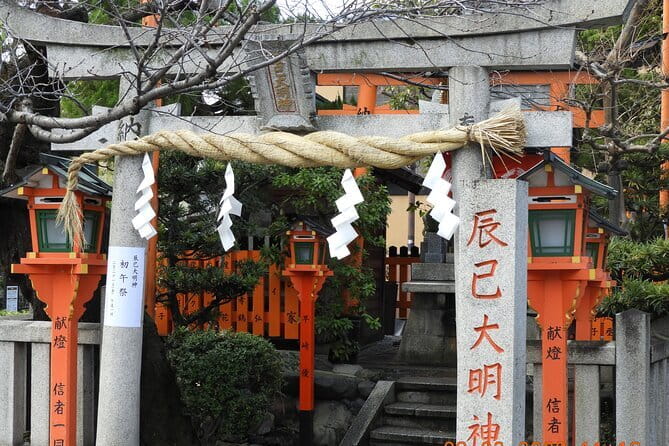
After the temple, the tour switches to crafts, with two stops listed in the Kyoto Prefecture area. Each one is about 30 minutes, and both are described as free admission stops.
This is where the tour starts connecting tea culture to everyday materials—especially ceramics. Tea tools aren’t random. In Japanese tea traditions, objects carry meaning, and the guide’s commentary turns that into something you can actually notice in the shops.
If you’re the kind of traveler who likes to bring home something that feels tied to a place (instead of generic), this portion is one of the best places to pay attention. Even if you don’t buy, you’ll understand why the teaware people choose matters.




A Hidden Temple and Garden: Slow Down Without Getting Bored
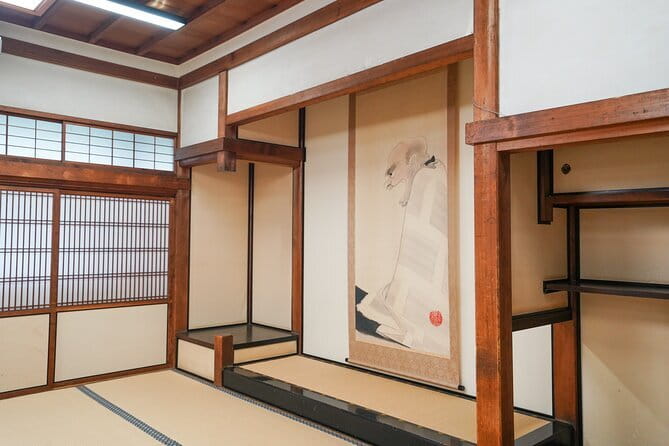
One of the more calming moments comes at the hidden temple and garden stop. You get about 30 minutes here, and it’s framed as a chance to see quieter beauty—less “big landmark rush,” more atmosphere.
Kyoto gardens can feel simple from a distance, then startlingly specific up close. The guide’s job is to steer your attention toward what matters, so you’re not just photographing everything and moving on.
This stop also helps balance the day. After Gion and a major temple, a garden gives you a reset. You can use it to slow your breathing, notice small details, and keep your energy for the longer tea ceremony at the end.
Raku Teacups: How Ceramics Teach Wabi-Sabi
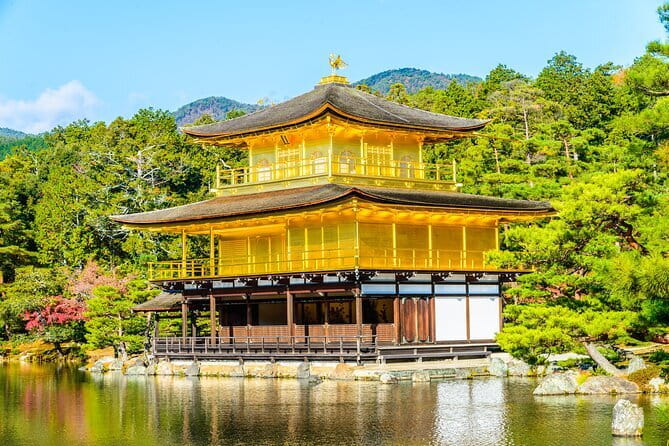
At the ceramics-focused tea bowl shop, the standout detail is raku teacups. You’ll spend around 30 minutes here, and the tour explains how each cup has its own character, history, and meaning.
That’s where the tour’s theme shows up in a very practical way: wabi-sabi isn’t just a word used on postcards. It shows up in the way handmade things wear, change, and develop individuality over time.
If you’ve ever wondered why some Japanese pottery looks intentionally “imperfect,” this is the stop where that idea becomes clearer. You can look at a cup and understand that the point isn’t mass uniformity—it’s personality, touch, and time.
Tea Ceremony Chayu: Matcha Instruction in a Traditional House
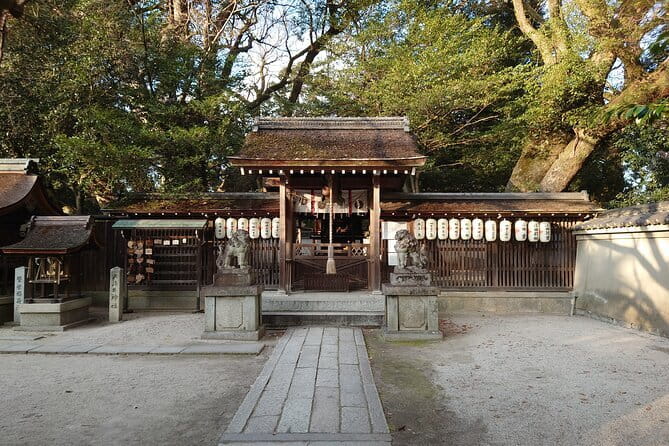
The finale is the tea ceremony experience at Chayu, inside a real tea house setting. This part runs about 1 hour, and admission is included.
You’ll drink matcha (green tea) and learn through a tea master’s instruction. The tour also frames this ceremony through what you learned during the city walk, tying the theme of wabi-sabi back to the experience you’re having in the room.
A few practical notes:
- The matcha portion is included, but additional food and drinks are not.
- This experience can only accommodate participants 6 years old and older. If you bring a child under 6, one adult needs to accompany them outside during the experience.
This is the part of the day that usually becomes the “memory anchor.” It’s one thing to see temples and shops. It’s another to sit, listen, and experience tea as a ritual with pacing and attention built in.
Photos During the Tour: A Small Inclusion That Adds Up
The tour includes photos taken during the tour. That’s a helpful detail because Kyoto streets can be tight, and you don’t always have a perfect angle when you’re trying to get everyone in your group.
If you’re traveling with people who don’t love stopping every few minutes, this inclusion can be a real stress reducer. You can walk without constantly switching between holding bags and playing photographer.
Price and Value: What $94.45 Buys You in Kyoto
At $94.45 per person for about 3 hours 30 minutes, this tour sits in the “worth considering” range if you value guided access and a finished experience at the end. The price isn’t just for walking—it includes temple entrance fees, a matcha tea ceremony, and guide time.
Here’s the value logic:
- You get structure (no navigation worries; the guide leads).
- You get entry covered for temple stops.
- You end with a paid experience (tea ceremony instruction and matcha).
Could you do some of this yourself? Sure. But in Kyoto, saving money often costs time and mental energy—figuring out where to meet, buying tickets, and coordinating multiple stops. This tour packages those friction points for you.
Also, the mobile ticket is a small convenience that helps on a day when you’re already moving from station to station.
Logistics You Should Know Before You Go
The tour runs a little over half a half-day. It’s listed as approx. 3 hours 30 minutes, and the schedule is built from several short segments plus the longer tea ceremony.
Group size is capped at 7 travelers, so it’s not a huge bus situation. Still, you might find other participants, since it’s a shared small-group format.
Weather can matter. The tour might be canceled due to unsuitable weather for safety reasons, which is a reasonable safeguard in Kyoto’s more extreme seasons. If it’s very hot (summer highs can reach 40°C / 110°F) or very cold (winter lows around -5°C / 20°F), bring the right layers and hydration.
Who This Tour Is Best For
This fits best if you want:
- Guided tea and temple context instead of random sightseeing
- A compact walk through classic Kyoto zones
- A meaningful ending with a tea ceremony in a traditional house
If you’re a solo traveler who likes conversation, a small group tour can work well. If you hate being stuck to a schedule, you may prefer a more flexible plan—this one is structured, with set stops and set durations.
It also helps if you care about craft and objects. The ceramics and raku focus gives this day more substance than a simple temple-photo-and-go itinerary.
A Consideration on English Clarity
The overall rating is very high, but there is at least one real-world caution to keep in mind: if your comfort depends heavily on hearing a guide clearly, you should be prepared for the possibility of softer voice delivery. In that situation, the message can be harder to catch even if the guide is trying their best.
In practice, you can reduce this risk by picking a place in the group where you can hear well, and by using questions when you get a moment. With a group this size, you’ll often get that chance.
Should You Book The Way of Tea Tour?
I think you should book if you want a smooth, high-context Kyoto afternoon: Gion matcha learning, a real temple visit with admission handled, a ceramics + wabi-sabi angle, and a tea ceremony that ends the day with calm focus.
Don’t book if your top priority is total freedom to wander at your own pace. This tour is designed to move efficiently and teach along the way. It trades some independence for guidance—and if that trade feels good to you, it’s a strong choice.
Finally, if you’re traveling with kids, remember the tea ceremony age rule (6+) and plan accordingly so the day stays easy rather than stressful.
FAQ
How long is the tour?
The tour is listed at approximately 3 hours 30 minutes.
Where does the tour start?
It starts in front of the Statue of Izumo-no-Okuni, right outside Exit 5 of Gion Shijo Station (Keihan Line). The guide will hold an orange signboard that says Magical Trip Tour.
Where does the tour end?
It ends at the tea experience places after the tea ceremony.
What is included in the tea ceremony?
The tour includes the tea ceremony experience, including drinking matcha (green tea) with tea master instruction.
Are temple entrance fees included?
Yes. Entrance fees of 2 temples are included.
Do you need to pay for food during the tour?
Additional food and drinks are not included.
Is this tour suitable for children?
Tea ceremony participation is only for travelers who are 6 years old or older. You can bring younger children if one adult accompanies them outside during the experience.
What happens if the weather is bad?
The tour might be canceled in case of unsuitable weather for safety reasons.
What is the cancellation policy?
You can cancel for a full refund up to 24 hours before the experience’s start time.
More Walking Tours in Kyoto


More Tour Reviews in Kyoto
Just added: more Kyoto tours to browse








Walking Tours, compared.
 ★ 4.7Kyoto Geisha Walking Tour: Gion District & Hidden GemsFrom $253,273 reviews
 ★ 4.9Gion Magical Night Walking Tour with Geisha TriviaFrom $242,393 reviews
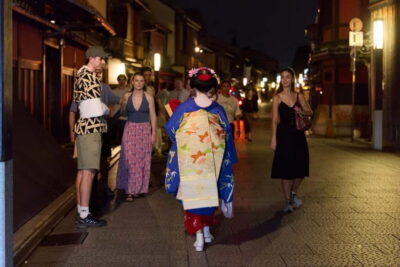 ★ 4.7Gion Geisha District Walking Tour – Stories of GeishaFrom $202,187 reviews
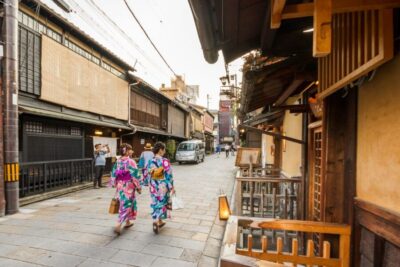 ★ 4.5Night Walk in Gion: Kyoto’s Geisha DistrictFrom $212,003 reviews
 ★ 5.0Kyoto Gion Geisha District Walking Tour – The Stories of GeishaFrom $251,441 reviews
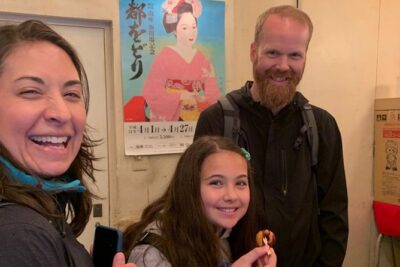 ★ 5.0Nishiki Market Brunch Walking Tour (7 Tastings + Brunch)From $681,355 reviews
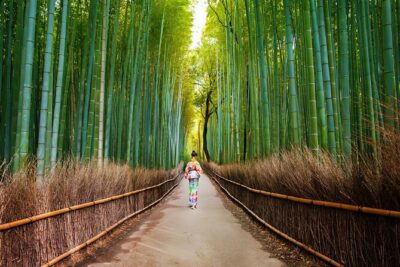 ★ 5.0Kyoto Arashiyama Walking Tour: Bamboo, Monkeys, Gardens & SecretsFrom $651,216 reviews
 ★ 5.0Kyoto Gion: 2-Hour Geisha Culture & History Walking TourFrom $231,186 reviews
Browse the lists this tour appears in