
Reviewed · KYOTO TEMPLE & SHRINE TOURS
Sacred Pathways: Discover the Philosopher’s Path of Kyoto
Kyoto’s Zen walk feels like a reset button. This 4-hour small-group tour pairs the calm Philosopher’s Path with two standout temple stops—Ginkakuji and Nanzenji—plus context so the sights make sense fast.
What I like most is the chill pace (about 5 km total walking) and the fact that entrance fees are handled for you, so you can focus on the scenery instead of your wallet. The main drawback to consider is simple: it’s not for tiny legs or limited mobility, and you’ll want a moderate fitness level.
You get more than pretty grounds—you get the “why” behind the Zen influence on art and culture, explained in a way that stays fun and understandable. You’ll also appreciate the small group size (up to eight people) and the guide-led route that avoids the feel of a big bus day. Still, if you prefer totally free-form wandering with no structure at all, a guided itinerary may feel a bit limiting.
In This Review
- Key things that make Sacred Pathways: Philosopher’s Path special
- Philosopher’s Path as a walking gallery of calm
- Small group rules that change the whole day
- Your guide: stories that actually connect the dots
- Stop 1: Settling into the Philosopher’s Path rhythm
- Stop 2: Ginkakuji’s garden and Zen details
- Stop 3: Nanzenji temple architecture and the aqueduct
- The cafe-and-shop reality of Kyoto (and how this tour handles it)
- Price and value: $64 for a small-group Zen day
- Who this tour suits best (and who should skip it)
- The practical stuff that makes the day easier
- Should you book Sacred Pathways: Discover the Philosopher’s Path of Kyoto?
- FAQ
- How long is the Sacred Pathways tour?
- What’s the total walking distance?
- Is the tour good for families with kids?
- Are entrance fees included?
- What’s included in the price?
- Are food and drinks included?
- How large are the groups?
- Do you allow drones?
Key things that make Sacred Pathways: Philosopher’s Path special
- A quiet, under-10-person experience that avoids flags, mics, and big-bus crowd energy
- Entrance fees included, so you’re not stopping to pay while your day’s rhythm gets interrupted
- Ginkakuji’s Zen garden time, focused on the details that usually fly past
- Nanzenji’s architecture plus aqueduct, a temple stop with real visual punch
- Philosopher’s Path at a relaxed walking pace, with cafes and shops along the way
- Bilingual, long-term Kyoto resident guides, with stories that connect culture to what you’re seeing
Philosopher’s Path as a walking gallery of calm
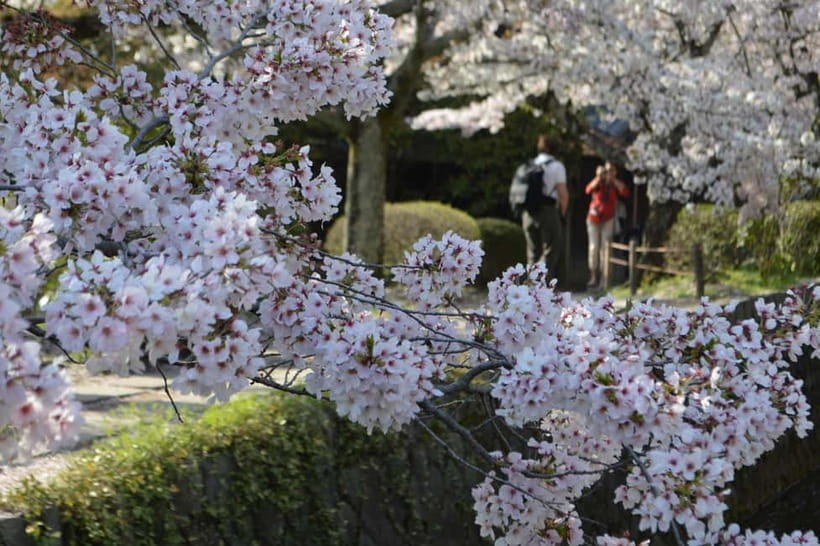
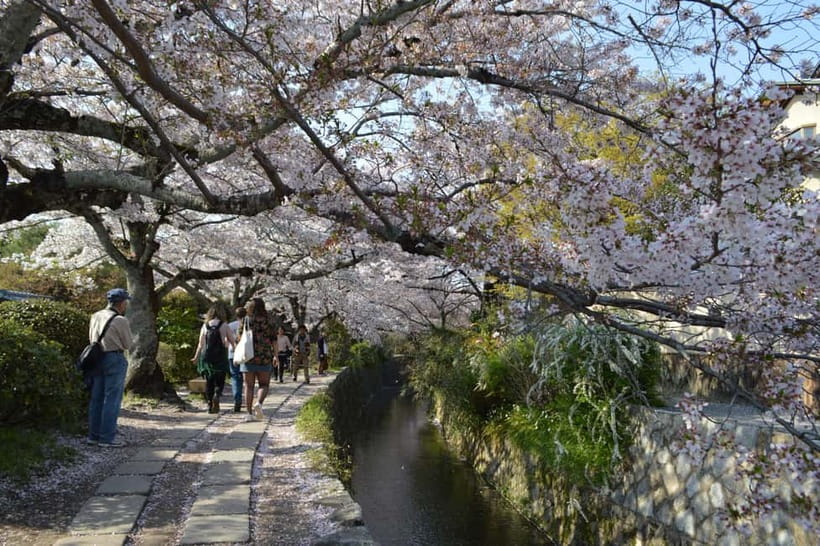
The Philosopher’s Path is one of those Kyoto routes that works on multiple levels. Yes, it’s pretty—tree-lined, with a canal and a gentle stream sound. But what makes it special is that it’s also a place to look closely. The path runs along the foot of Kyoto’s eastern mountains, so your views shift naturally from step to step: greenery, mossy details, and those careful garden textures you only notice when you’re moving slowly.
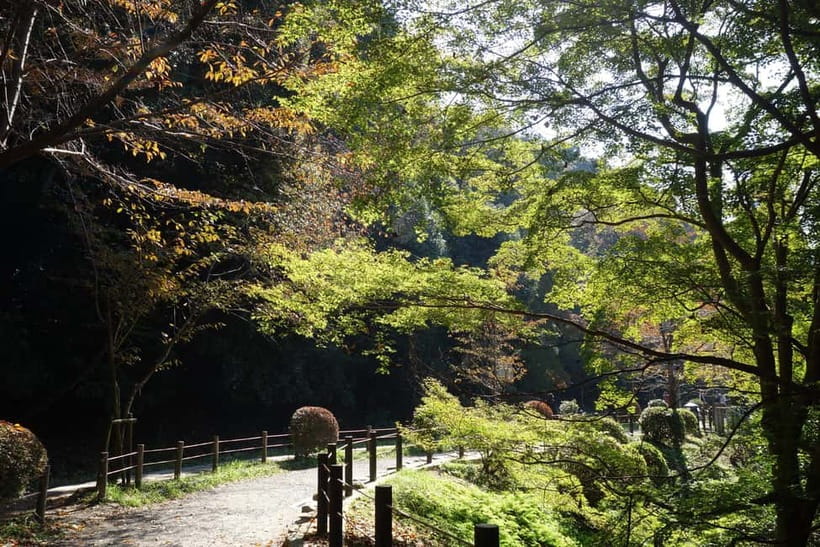
This tour leans into that slow looking. Instead of racing between photo stops, you’re guided at a pace that makes it easier to stop when something catches your eye—like the way gravel and stones form patterns in Zen spaces, or how moss holds onto the morning feel. If you’re someone who gets annoyed by “walk faster” tours, you’ll probably breathe easier here.
And because it’s Kyoto, you’ll also pass everyday neighborhood life: small cafes and shops that make the walk feel like part sightseeing and part local stroll. You’ll have time for breaks—so you’re not forced into a single rushed shopping stop.
More temples and shrines to slow down in across Kyoto
Small group rules that change the whole day
A big reason this tour rates so well is that it doesn’t feel like a mass production. The group stays small—never more than eight people. There’s also no need for flags, mics, or busses, which keeps things quieter and less conspicuous. Locals tend to notice crowds, and this format keeps you from feeling like you’re invading a calm walkway.
I also like the practical side of this: no long bathroom breaks and no awkward pauses that stretch the day into a slog. The goal is smooth movement from stop to stop, with time carved out for looking, photos, and short rests.
What you should know: you still need to be comfortable walking. The tour covers about 5 km (3 miles) total, so you’ll want at least a moderate fitness level. This is not a “hop on and off” day.
Your guide: stories that actually connect the dots
The tour’s biggest “value multiplier” is the guide. You get a bilingual guide (English and French), and these guides are long-term Kyoto residents who know the city beyond the standard brochure facts. In past runs, hosts like Kevin and Craig have stood out for being personable, easy to ask questions, and sharp on both history and culture.
Here’s the key: Zen in Kyoto isn’t just about visiting temples. It’s about how ideas shape art, architecture, and even how people experience space. A good guide helps you notice things you’d otherwise miss—like why certain garden designs are meant to encourage stillness, or how the temples connect to broader cultural patterns.
You’ll also get practical recommendations during the day (like what to look for and where to pause). That matters because Kyoto can be confusing when you’re moving quickly. Context helps you feel oriented, and orientation makes the same streets feel twice as interesting.
Stop 1: Settling into the Philosopher’s Path rhythm
You start by strolling along the Philosopher’s Path, which hugs the foot of the eastern mountains. The atmosphere here is the point. You’ve got a canal-lined walkway, lots of trees, and a constant soft soundtrack from the water nearby. The day feels calmer the longer you keep walking.
Along the route, you’ll notice how Kyoto blends sacred and everyday life. There are small cafes and shops close enough to tempt you, and that’s where you can take a breather without turning the walk into a chore. If you want to taste local rhythm—tea pauses, quick snack stops, or browsing handcrafted items—this is the kind of route that supports it.
One more practical detail: since the pace is intentionally chill, you’ll spend less time “catching up” and more time actually seeing. That’s the difference between collecting a few photos and coming away with a sense of place.
Stop 2: Ginkakuji’s garden and Zen details
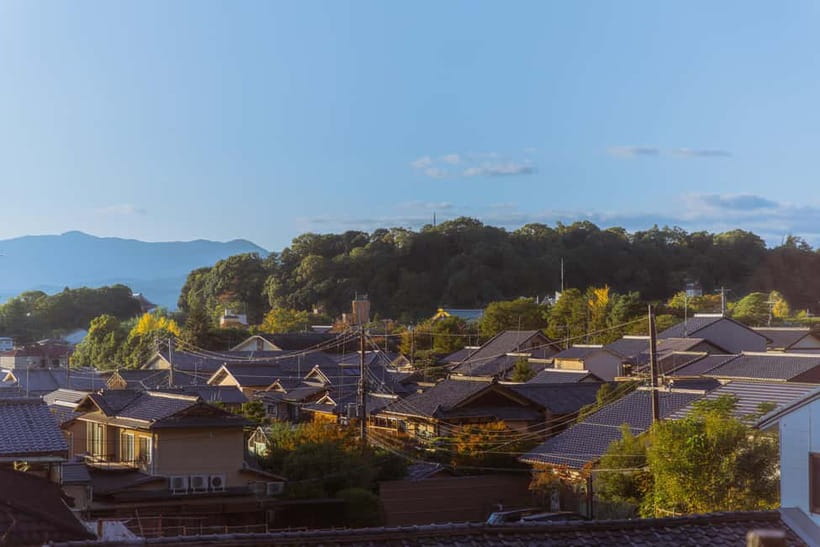
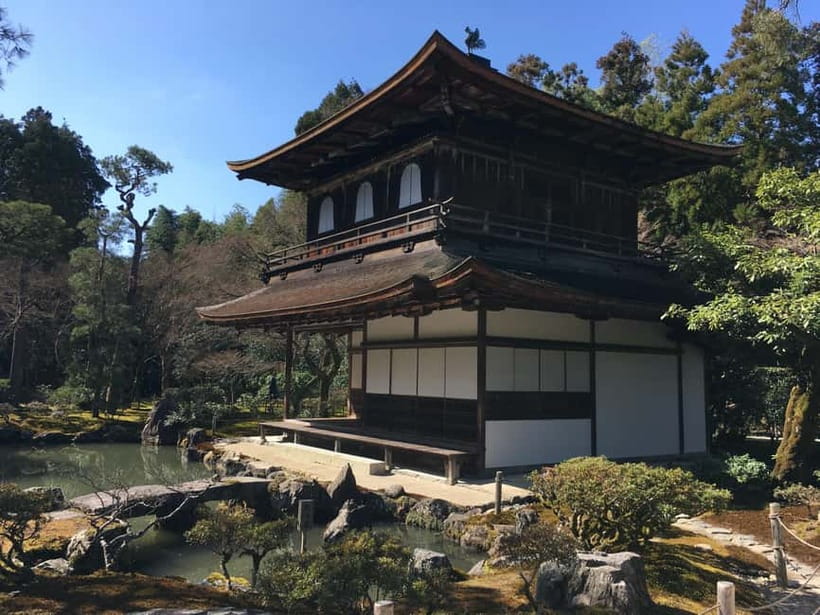
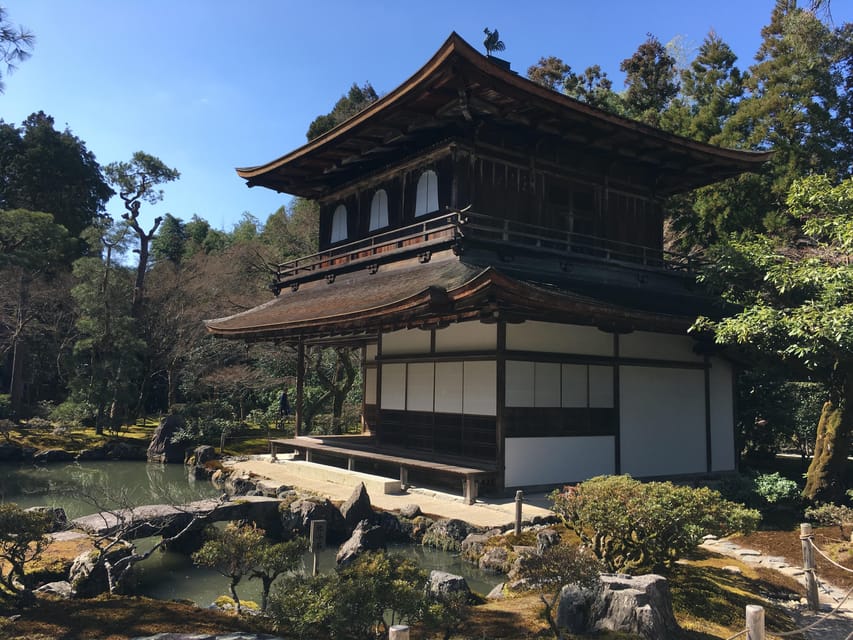
Then you head to Ginkakuji Temple, often known as the Silver Pavilion. The garden here is the main event, and it’s the kind of place where details matter. The design focuses on the look and feel of stillness—meticulously arranged elements, including carefully raked gravel and thoughtfully placed stones that create a quiet visual structure.
This is one of the stops where a guide adds real value. Without context, Zen gardens can feel like “pretty rocks and sand.” With a guide, you start to see how the layout encourages contemplation—how the composition guides your attention and creates calm through balance and restraint.
You should also expect the garden experience to be a slow one. That’s part of why this tour format works. You’re not being rushed out to make room for the next group. You’ll have time to notice textures—like how moss can look especially alive in softer light—and to sit for a moment when it feels right.

Stop 3: Nanzenji temple architecture and the aqueduct
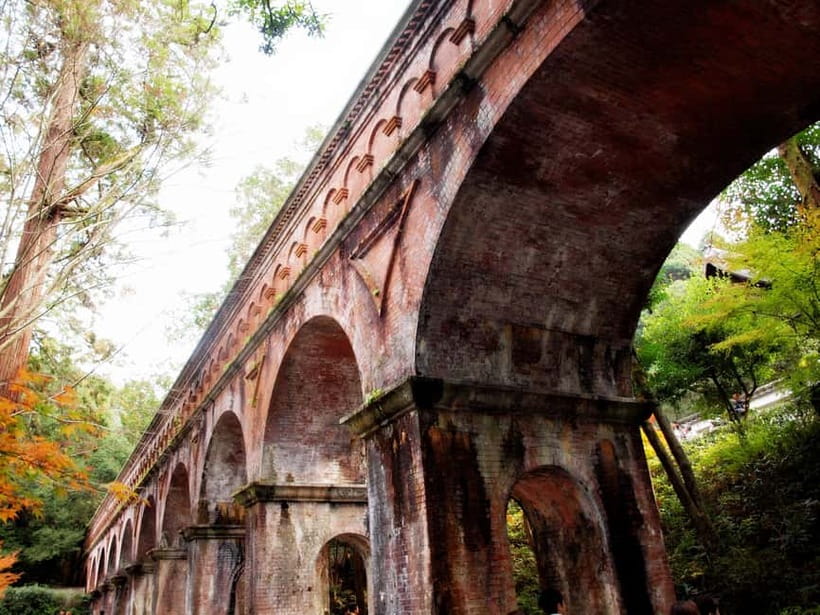
Next is Nanzenji, one of Kyoto’s most prominent Zen temples. This stop shifts the tone from garden focus to architectural impact. The buildings have weight and presence, and the highlight is the impressive aqueduct that you can see in a dramatic way against the temple complex.
Even if you’re not a hardcore architecture person, the aqueduct helps you understand how temple spaces aren’t only about spiritual quiet. They also connect to land, water, and how people built and managed resources over time. That’s why this stop often hits differently than the more postcard-perfect gardens.
Again, context helps. A guide can point out what you’re looking at and why it matters, so you’re not simply walking through a beautiful area while everything stays superficial.
The cafe-and-shop reality of Kyoto (and how this tour handles it)
A lot of tours treat food as an afterthought. Here, food and drinks are not included, but the pacing makes it easier to plan your own break. As you walk the Philosopher’s Path, you’ll naturally pass cafes and shops, so you can choose what fits you instead of being stuck with a preselected stop.
This is a good setup if you like options. You can grab tea if you want, browse if you want, and keep moving without feeling like the tour is punishing you for pausing. Just be aware you’ll pay for your own meals and drinks.
Price and value: $64 for a small-group Zen day
At $64 per person for about 4 hours, this tour is priced like a serious “guided experience,” not a cheap city walk. The key value is what’s included: all entrance fees plus a bilingual guide and a digital city guide.
That entrance-fee piece matters more than it sounds. Kyoto temple pricing can add up, and constant stopping to pay breaks the flow of the day. When entrance fees are already handled, you keep the rhythm of the walk—and you’re not forced into last-minute budgeting mid-stroll.
You’re also paying for the guide’s interpretive work. The Philosopher’s Path, Ginkakuji garden, and Nanzenji are all famous enough to find on your own. What you’re buying here is the ability to understand what you’re seeing while you’re there—especially around Zen concepts and how they influence arts and culture.
In other words: this isn’t just transport between points. It’s a “make the sights click” tour.
Who this tour suits best (and who should skip it)
This experience is a strong match if you want:
- A small-group day in Kyoto rather than a crowded march
- A guided route that keeps you on track without feeling rushed
- Zen and temple context that connects history to what you see
- A relaxing walking pace along a famous scenic walkway
It may not fit if you:
- Need an itinerary designed for very young children (it’s not suitable for children under 10)
- Prefer minimal walking (the tour’s about 5 km)
- Have mobility challenges that would make steady walking uncomfortable
- Are extremely advanced in age (it notes it’s not suitable for people over 95)
The practical stuff that makes the day easier
You won’t need to bring cash for entry because entrance fees are included. That’s a real convenience in Kyoto, where it’s easy to get pulled into small transactions all day long.
You also get a digital city guide. That’s helpful for continuing the day and for making sense of what you just learned after you’ve left the temple grounds. And since the guide is bilingual (English and French), you’re not stuck with translation gaps if you’re traveling with a mixed-language group.
One more rule: drones aren’t allowed. If you’re thinking of filming overhead, plan on normal photos and handheld video only.
Should you book Sacred Pathways: Discover the Philosopher’s Path of Kyoto?
If you want a Kyoto day that feels calm, well-paced, and meaningful, I’d book this. The combination of Philosopher’s Path walking, the Ginkakuji garden, and Nanzenji’s aqueduct hits multiple sides of Kyoto—nature, Zen art, and temple architecture—without turning your afternoon into a sprint.
Choose it if you value context. The guide work is the difference-maker here, turning famous stops into places you understand. And if you like small groups, this one’s built for that: fewer people, less crowd energy, and more time to actually look.
Skip it if you’re not up for about 5 km of walking or if you need a format that’s better suited for young kids or very limited mobility.
FAQ
How long is the Sacred Pathways tour?
It lasts about 4 hours.
What’s the total walking distance?
The tour involves around 5 km (3 miles) of walking, so you’ll want a moderate fitness level.
Is the tour good for families with kids?
It’s not suitable for children under 10. If you want to bring kids under ten, you’re asked to enquire about a private tour.
Are entrance fees included?
Yes. All entrance fees are included, and the tour notes you won’t need cash for those fees.
What’s included in the price?
Included are all entrance fees, a bilingual guide (English and French), and a digital city guide.
Are food and drinks included?
No. Food and drinks are not included.
How large are the groups?
The tour is offered as private or small groups, and it states the group stays at no more than eight people.
Do you allow drones?
No. Drones are not allowed.
If you tell me your travel month and what your day in Kyoto usually looks like (early start or late, temple-heavy or food-heavy), I can suggest how to pair this with nearby sights.
More Tour Reviews in Kyoto
More Kyoto Temples and Shrines

Just added: more Kyoto tours to browse





Kyoto Temple & Shrine Tours, compared.
 ★ 4.9Tea Ceremony Ju-An at Jotokuji TempleFrom $293,207 reviews
 ★ 4.8Arashiyama Bamboo, Temple, Monkeys, or Secret Sake BreweryFrom $87886 reviews
 ★ 5.0Arashiyama Bamboo Forest, Monkeys, Matcha & Temple TourFrom $53759 reviews
 ★ 4.4Osaka/Kyoto: Arashiyama, Nara & Fushimi Inari Shrine w/LunchFrom $61754 reviews
 ★ 4.7Imperial Palace & Nijo Castle Guided Walking TourFrom $49453 reviews
 ★ 5.0Kyoto Zen Meditation & Garden Tour at a Zen Temple with LunchFrom $110441 reviews
 ★ 5.0Zen Experience in a Hidden TempleFrom $109437 reviews
 ★ 5.0KYOTO Tea Ceremony with kimono near by Imamiya Jinjya ShrineFrom $99343 reviews
Browse the lists this tour appears in