
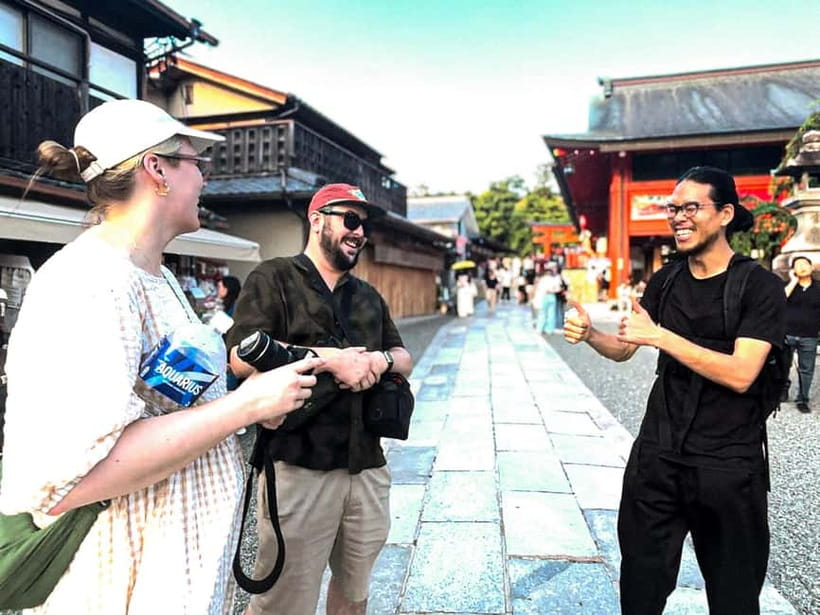
Reviewed · FUSHIMI INARI SHRINE TOURS
Kyoto: Fushimi Inari Night Walking Tour with Guide
Fushimi Inari at night has a special pull. This small-group tour brings you into the Senbon Torii world after sunset, when lantern light makes the gates feel softer and far less chaotic. I like the uncrowded evening atmosphere and the way the guide turns the walk into something you understand, not just something you pass through.
Two things I really valued: the guide-led explanations (with time for your questions), and the photo-friendly moments scattered through the quieter route. Goku, for example, didn’t just show the shrine—Kat from Germany said he was especially great at conversation beyond the site. One possible drawback: this tour focuses on the lower and middle sections, not the full climb up the mountain.
In This Review
- Key Things That Make This Tour Worth Your Time
- Fushimi Inari by Night: The Part Kyoto Doesn’t Always Do Well
- Meeting at JR Inari Station: Simple Start, No Guesswork
- The Guided Walk: Lower and Middle Senbon Torii in 2 Hours
- Understanding the Torii: Shinto Meaning Without the Headache
- Photo Opportunities That Feel Real (Not Like a Race)
- Timing, Terrain, and What to Bring
- Price and Value: Does $38 Make Sense?
- Who Should Book This Tour (and Who Might Not)
- What It’s Like With Different Guides: Goku and Kate as Examples
- Should You Book the Kyoto Fushimi Inari Night Walking Tour?
- FAQ
- Where do I meet the guide?
- How long is the tour, and how much time is guided?
- Which parts of Fushimi Inari does the tour cover?
- What language is the tour in?
- What should I bring for the night walking tour?
- Is there a daytime option?
Key Things That Make This Tour Worth Your Time
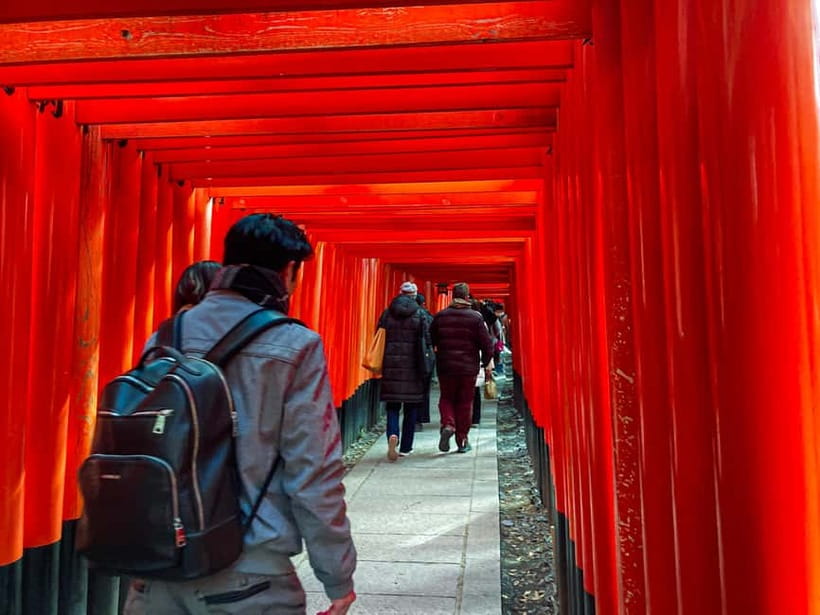
- Night lantern light changes how the torii gates look and feel, especially once the crowds thin out
- Small-group size (up to 10) makes it easier to ask questions and move at a comfortable pace
- Local English-speaking guides (and French/Spanish/Russian/Portuguese options when available) help you connect fast
- Route planning away from the biggest crowds, plus free time for quiet reflection and photos
- Symbol and ritual explanations give you context for Shinto practices and torii gate meaning
Fushimi Inari by Night: The Part Kyoto Doesn’t Always Do Well
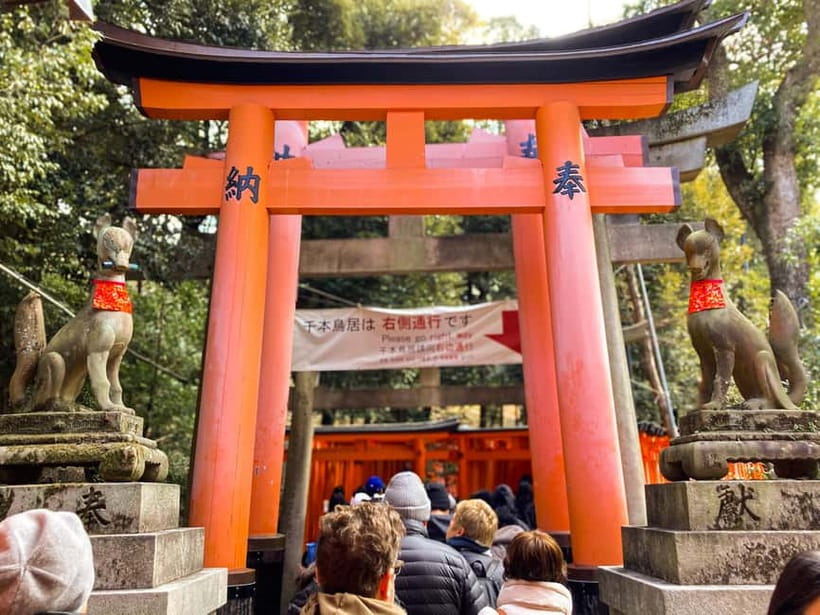
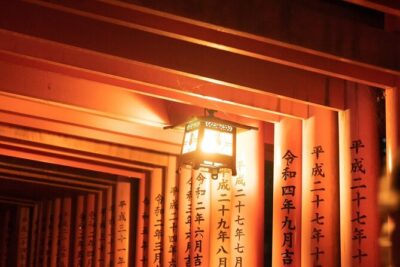
Fushimi Inari is famous for a reason, but daytime can feel like a steady stream of people. At night, the shrine takes on a different rhythm. The torii gates and shrine buildings glow under the evening light, and the air feels calmer—exactly the kind of setting where you can actually notice details.
Timing matters here. The tour works around twilight, with sunset during the season around 6:00 PM, so you’re not trudging through a bright afternoon. This is also why Giovanna loved doing it in the evening in summer: the heat and humidity are often easier on you when you shift the plan after the hottest hours.
More walks up through the vermilion torii of Fushimi Inari



Meeting at JR Inari Station: Simple Start, No Guesswork
You meet your guide right at JR Inari Station, at the ticket gate. The good news: there’s only one ticket gate at the station, so it’s not one of those frustrating meet-up games.
Guides are local professionals with formal tourism and Japanese-culture training, with special expertise in religious traditions like Shinto shrines and historical customs. Tours run in English by default, with other languages depending on availability. If you’re planning on French, Spanish, Russian, or Portuguese, it’s smart to confirm your preferred language in advance.
One practical tip: the operator asks you to have WhatsApp or SMS available so your guide can contact you ahead of time. Night plans go smoother when you can respond fast.
The Guided Walk: Lower and Middle Senbon Torii in 2 Hours
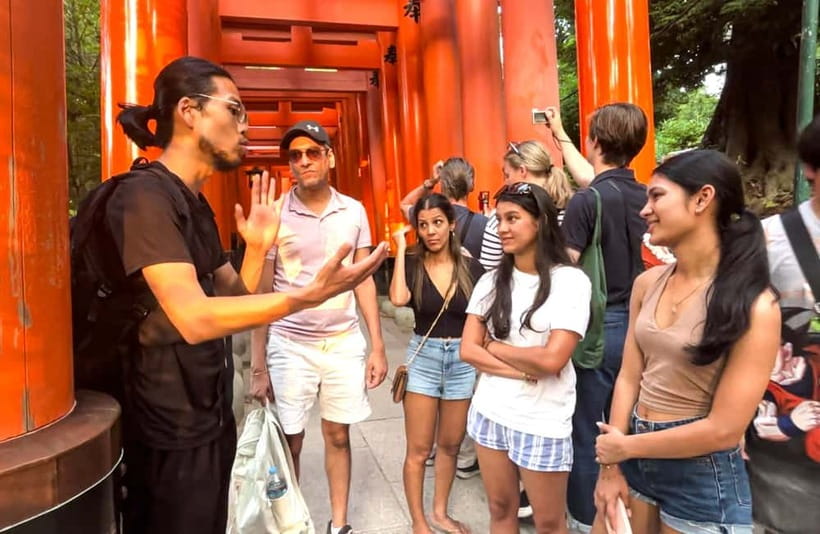
The core of the experience is a guided walk through the lower and middle sections of Fushimi Inari, including part of the Senbon Torii (the famous thousand torii gates). Expect about 1.5 hours of guided time at the shrine area, then you return to Inari Station.
What you’ll do on the ground is pretty straightforward but satisfying. You’ll follow the gates, stop at meaningful points, and get time to watch how the space changes as lanterns flicker in the evening air. Since the tour keeps to the lower/middle stretch, you get the iconic look of Fushimi Inari without needing a full-on hike up the mountain.
There’s also built-in breathing room. You’ll get free time at key spots for quiet reflection or photography. I like that the plan doesn’t rush every second—especially at night, when the best moments often happen when you slow down for a minute.
Understanding the Torii: Shinto Meaning Without the Headache
The biggest value of having a guide here isn’t the shortcuts. It’s the context. The tour includes in-depth cultural explanations about Shintoism, shrine rituals, and Japanese spirituality, plus interpretation of the symbolic architecture and torii gate meanings.
This is where the tour can feel less like a photo-op checklist and more like learning a visual language. A torii gate isn’t just a red frame in a crowd—it ties into beliefs, traditions, and the way shrines work. Your guide will explain what you’re seeing in a clear, question-friendly way.
You’ll also get a Q&A session tailored to what you care about. Kat specifically praised how Goku helped with wider conversations, not just facts. That kind of back-and-forth matters because it turns the experience into something personal—you can ask why things are done a certain way, or how Japanese religious life fits into daily behavior.
Photo Opportunities That Feel Real (Not Like a Race)
If you’re hoping for great evening photos, this is a good match. Lantern-lit torii gates can look dreamy without you needing special gear. And since the tour aims for quieter routes, you’re less likely to fight for angles.
Just keep expectations grounded. This is a night walk with stops, not a studio session. You’ll want a charged smartphone, and you’ll get a few spots where you can slow down and frame shots calmly. The tour also encourages the quieter, scenic approach away from heavy crowds, which usually means better photos with less stress.
See how Kyoto shifts after dark






Timing, Terrain, and What to Bring
Let’s keep this practical. The tour is 2 hours total, with the guided portion at the shrine and then the walk back. The terrain involves walking through the shrine complex and along the torii pathway. It’s manageable for most people, but you will be on your feet.
Here’s what to bring based on what the tour requests:
- Comfortable shoes (seriously)
- A charged smartphone for photos and navigation
Also note the scope: it’s focused on the lower and middle sections, not the entire mountain. If your dream is a full summit-level hike, this probably won’t give you that. But if your goal is to see the iconic gates, feel the atmosphere, and learn as you go, it’s a strong plan.
Seasonal timing helps too. During winter months, the provider mentions a daytime option is available—useful if night walking isn’t your thing during colder periods.
Price and Value: Does $38 Make Sense?
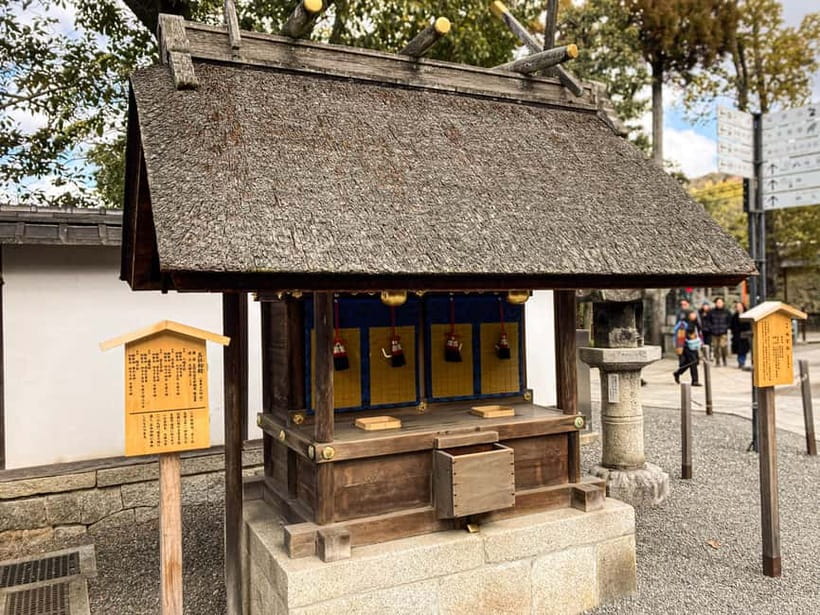
At $38 per person for a 2-hour small-group guided walk, the value depends on what you want out of Kyoto.
If you’re thinking, I’ll just wander there on my own and save money, you could. But you’d miss the guide-led explanations about Shinto rituals, torii symbolism, and the meaning behind what you’re seeing. You’d also miss the advantage of walking a quieter route and getting help with timing and photo stops.
If you care about understanding the place, this price feels fair because you get:
- A professional guide with culture-and-tour training
- English by default, with other languages available
- A small group limited to 10 participants
- Time built in for Q&A and for photography/reflection
- Guidance to areas described as quieter and scenic
And there’s another angle: night timing can make the experience more comfortable. Giovanna’s experience pointed out that evening scheduling helps in hot, humid conditions. That comfort can be part of the value, not just the scenery.
Who Should Book This Tour (and Who Might Not)
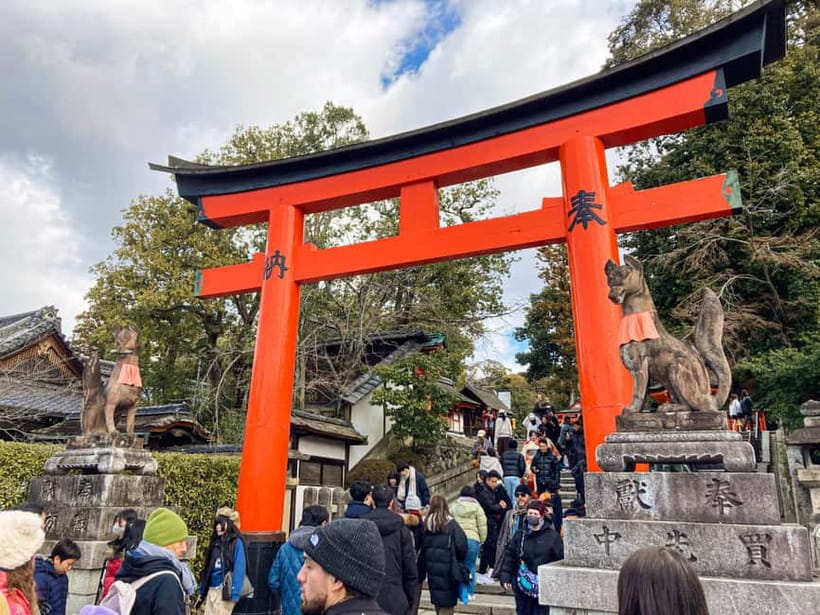
This tour is a great fit if:
- You want the famous Fushimi Inari torii experience in a calmer setting
- You like learning what you’re looking at (Shinto and shrine customs)
- You want manageable walking without committing to the full mountain climb
- You enjoy small-group attention, not a big crowd shuffle
It might not be the best fit if:
- You specifically want the entire mountain route and all the way up
- You strongly prefer silent self-guided sightseeing with no explanations
- Night walking makes you uneasy, even with a local guide leading the way
On the other hand, if you’re traveling with curiosity and you want Kyoto that feels more human—less mass-tour energy—this style of tour makes a lot of sense.
What It’s Like With Different Guides: Goku and Kate as Examples
Small details can matter, and the guide personalities show up in real ways. Kat’s review described Goku as excellent: very knowledgeable about the shrine and traditions, but also genuinely engaged in conversation beyond the site. She also noted that she was the only person signed up for that day/time, and Goku still ran the tour and made the effort just for her. That’s the kind of professionalism that makes a guide feel like a person, not a function.
Giovanna’s experience with Kate highlighted another strength: choosing to do this in the evening worked especially well for summer conditions, and Kate handled the explanations in a way that made the whole visit feel detailed and rewarding.
In other words, the tour isn’t just about seeing torii gates. It’s about having someone help you read them.
Should You Book the Kyoto Fushimi Inari Night Walking Tour?
I’d book this if you want the iconic Fushimi Inari look without the pressure of peak crowds, and you want real context for what you’re seeing. The combination of night timing, small-group size, and Shinto-focused explanations is what makes it feel worth the money.
Before you decide, do a quick self-check:
- Are you happy with the lower/middle portion (not the full mountain)?
- Can you walk for about 2 hours comfortably?
- Do you want a guide to answer your questions, not just a self-paced stroll?
If you said yes to those, this tour is one of the smoother ways to experience Kyoto’s most recognizable shrine setting after dark.
FAQ
Where do I meet the guide?
Meet your guide at the ticket gate at JR Inari Station. The station has only one ticket gate, so it should be easy to locate.
How long is the tour, and how much time is guided?
The tour lasts about 2 hours total, with roughly 1.5 hours spent on the guided visit at Fushimi Inari.
Which parts of Fushimi Inari does the tour cover?
The tour focuses on the lower and middle sections of Fushimi Inari, including part of the Senbon Torii. It does not cover the entire mountain route.
What language is the tour in?
English is the default. Depending on availability, you can also request French, Spanish, Russian, or Portuguese.
What should I bring for the night walking tour?
Wear comfortable shoes and bring a charged smartphone for photos.
Is there a daytime option?
The information provided notes that during winter months, a daytime option is available.
If you tell me your travel month and whether you’re more into photos or explanations, I can suggest the best timing and what to prioritize during the walk.
More Tour Reviews in Kyoto





More of Kyoto After Dark
Fushimi Inari, a Few More Ways
Just added: more Kyoto tours to browse








Fushimi Inari Shrine Tours, compared.
 ★ 4.8Fushimi Inari, Kinkakuji, Bamboo Grove 1 Day Bus TourFrom $1224,316 reviews
 ★ 5.0Fushimi Inari Hidden Hiking Tour (Private Option Available)From $631,750 reviews
 ★ 4.7Kyoto/Osaka: Nara, Fushimi Inari Taisha, Arashiyama Bus TourFrom $521,275 reviews
 ★ 4.4Osaka/Kyoto: Arashiyama, Nara & Fushimi Inari Shrine w/LunchFrom $61754 reviews
 ★ 4.7Nijo Castle, Kiyomizu & Fushimi Inari Guided TourFrom $54700 reviews
 ★ 5.0Nijo, Kinkaku-ji, Arashiyama, Kiyomizu & Fushimi InariFrom $51699 reviews
 ★ 5.0Kyoto Fushimi-Inari Night Walking TourFrom $43320 reviews
 ★ 4.93-Hour Fushimi Inari Shrine Hidden Hiking TourFrom $72270 reviews
Browse the lists this tour appears in