
Reviewed · FOOD & DRINK
Kyoto Fushimi District Food and History Tour
Fushimi tells stories beyond the gates. This 5-hour Kyoto tour uses the Fushimi district as a real lesson in Japanese history—then tops it off with sake tastings and sweets in places that feel far from the usual tourist crush. I like that it combines major cultural stops (Inari and a sake museum) with quieter, more local-feeling streets, and that the pacing leaves room to actually notice what you’re seeing, not just check boxes. One heads-up: it’s a shared format, so guide language can vary—French is possible, but English has priority if multiple nationalities join.
If you want Fushimi Inari without the long-gate frenzy, this is the better angle. It also keeps the group small (up to 10), which helps your guide manage the walk and answer questions on the spot. Still, because it covers multiple historical sites and shopping areas, you’ll want comfortable shoes and a willingness to move at a steady pace for about five hours.
In This Review
- Key highlights worth circling
- Where this Kyoto Fushimi tour fits (and why it feels different)
- Meeting point and start time: get your bearings fast
- Stop 1: Fushimi Inari-Taisha, but with the “why” behind the spirit
- Stop 2: Gekkeikan Ōkura Sake Museum for sake history you can feel
- Stop 3: 伏見運河 walk—Kyoto outdoors, without the checklist
- Stop 4: Battle of Fushimiguchi Battlefield Trace—Meiji origins in a small footprint
- Stop 5: Teradaya Historic Site and Sakamoto Ryōma’s narrow escape
- Stop 6: Ryōma shopping street for food, drink, and real wandering
- Stop 7: 伏水菓蔵 本店 sweets and a chance to grab coffee
- Guide quality matters here: thoughtful, practical, and helpful
- Price and value: what you’re really paying for
- Who should book this Kyoto Fushimi tour (and who might prefer something else)
- Practical tips to make the day smoother
- Should you book? My honest take
- FAQ
- What is the duration of the Kyoto Fushimi District Food and History Tour?
- How much does the tour cost?
- What time does the tour start, and where do I meet?
- Is lunch included in the price?
- What’s included for food and sweets?
- Is the sake museum admission included?
- Are entrance fees included for the Teradaya Historic Site?
- Is coffee or tea included?
- Will the guide speak French?
- How big is the group?
- What if there aren’t enough people booking?
Key highlights worth circling
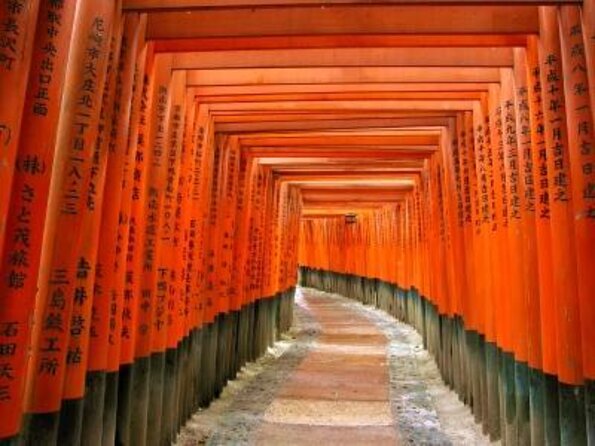
- Fushimi Inari, with lesser-known spots that explain the spirit of Inari without only repeating the postcard view
- Gekkeikan Ōkura Sake Museum tied to the story of Japanese alcohol’s early export history
- Teradaya Historic Site + Sakamoto Ryōma with the Shinsengumi episode that leads to his escape
- 伏水菓蔵 本店 sweets stop timed as a breather after the sake museum and before the final push
- Ryōma shopping street experience that feels more authentic than the bigger, more famous food streets
Where this Kyoto Fushimi tour fits (and why it feels different)
Kyoto’s Fushimi area has a reputation for one huge landmark. The trick with this tour is that it treats Fushimi as a whole story, not just a photo stop. You start at the Fushimi Inari-Taisha Shrine complex, but the route is built to move you beyond the most obvious crowds and toward the district’s character—canals, local streets, and historical landmarks that connect to major moments in Japan’s modern era.
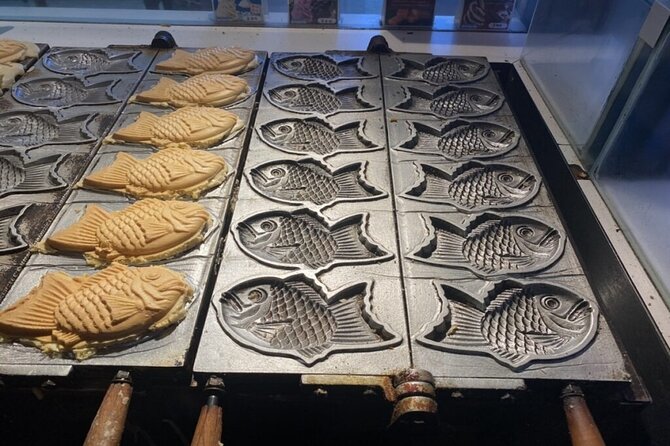
Value-wise, the price sits in a zone that feels fair when you look at what’s actually included. You’re not just paying for a walk and a guide’s opinions. You get museum and historic-site admissions, plus a taiyaki, and multiple sweet snacks during the day. And the guide’s help with shopping and translations matters here, because food streets can be confusing if you don’t read the signs easily.
The group size cap (maximum 10) also changes the experience. On a smaller group tour, it’s easier to ask questions, stop when something is worth a closer look, and keep the day from turning into a fast stamp-collection exercise.
Other Kyoto tours and experiences to compare
Meeting point and start time: get your bearings fast
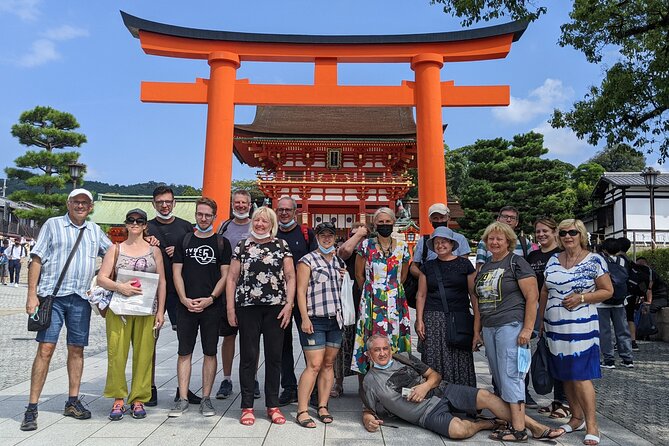
You begin at the fox statue at the entrance to Fushimi Inari Taisha Shrine in the Fukakusa Inarionmaechō area (near Inari Station). The start time is 9:30 am, and the tour ends back at the same meeting point.
Practical tip: arrive a little early and take a quick look around the entrance area so you don’t waste your morning threading through shrine visitors. Once the group gathers, you’ll have a clear start and the day moves with purpose.
Also, you’ll have a mobile ticket, so keep your phone charged and ready. This is a small thing, but it saves stress.
Stop 1: Fushimi Inari-Taisha, but with the “why” behind the spirit
Yes, you’ll see Fushimi Inari-Taisha Shrine. This is the #1 landmark people come for, and it’s still worth it even if you’ve seen photos before. What makes the visit more satisfying on this specific route is that the guide focuses on the origin and meaning of Inari—not just how many torii gates you can count.
You’ll also be shown a few hidden or less-frequented spots in the area. That’s a big deal in Fushimi Inari because the main pathways can feel like a conveyor belt. When your guide guides you toward quieter pockets, you get a better sense of the shrine as a living religious place, not a theme park.
Time on this stop is about 1 hour, and because the tour has a full day schedule, it’s long enough to learn what you’re looking at without running late for the next part.
Stop 2: Gekkeikan Ōkura Sake Museum for sake history you can feel
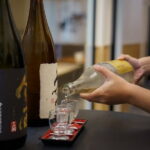
After the shrine, the day pivots into something very Kyoto: sake. The Gekkeikan Ōkura Sake Museum is the kind of stop that turns a drink into a story. The museum connects you to the old distillery and the broader culture of Japanese sake—especially the note that it was among the very first to export Japanese alcohol overseas.
That context matters. If you’ve ever wondered why sake traditions feel so specific and formal, this is where the pieces click: brewing isn’t only about alcohol; it’s linked to local craft, community habits, and regional identity.
This stop includes admission, and the timing is about 1 hour—enough time to understand the basics and still keep the day moving. If you’re a sake lover, this is one of the most meaningful segments because it gives you a real historical angle, not just a tasting vibe.
Stop 3: 伏見運河 walk—Kyoto outdoors, without the checklist
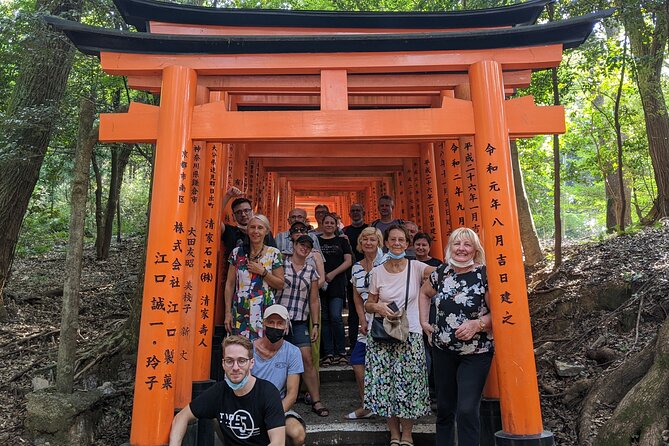
Next you take a breather with the Fushimi Canal (伏見運河). This is a short 30-minute outdoors walk, and it’s more than scenic filler. You’re switching environments from shrine stones and museum rooms to open air and waterways, which helps your brain reset before the heavier historical stops.
Depending on the season, you may notice the canal as a cherry blossom-friendly area. Even if it’s not bloom time, it still offers that “Kyoto rhythm” you don’t get when you’re only moving between famous buildings.
This is where you’ll feel the tour’s design: it doesn’t cram only indoors content. It gives you moments to stand still, look around, and notice the traditional district vibe.
Other Kyoto tours and experiences to compare


Stop 4: Battle of Fushimiguchi Battlefield Trace—Meiji origins in a small footprint
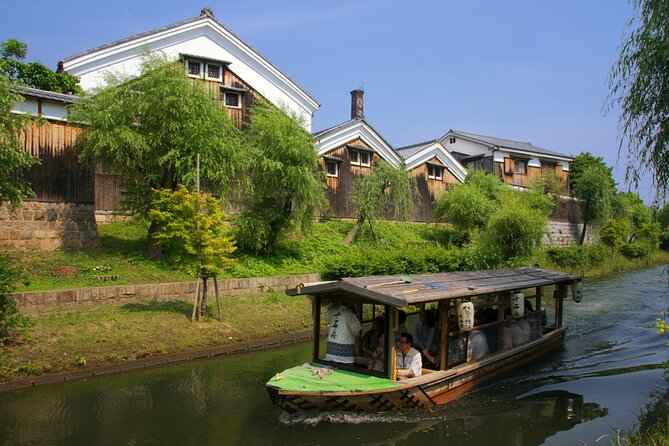
Now the itinerary turns sharply into history. The Battle of Fushimiguchi Battlefield Trace is a short 15-minute stop, but short doesn’t mean shallow here. Your guide explains the story of a battle that helped lead toward the beginning of the Meiji restoration.
What I like about this kind of stop is that it makes history tangible. You’re standing in a place tied to a political turning point, and your guide helps connect the big national timeline to the geography of Kyoto.
Because this is only 15 minutes, it won’t eat your day. It’s more like a focused historical note that adds weight to what you’ll experience at the next site.
Stop 5: Teradaya Historic Site and Sakamoto Ryōma’s narrow escape
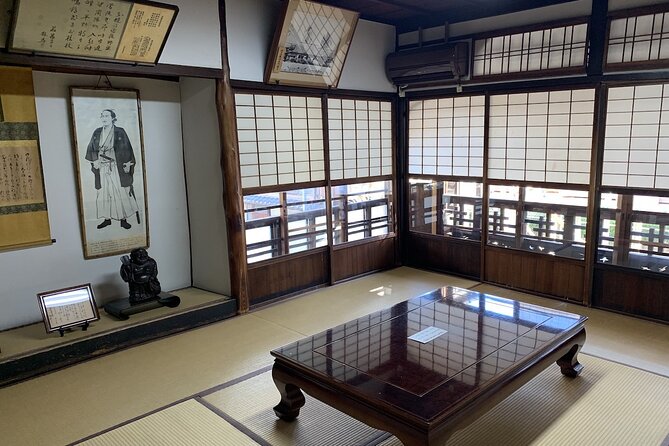
From battle history, you move into personal history at the Teradaya Historic Site. This stop includes admission and lasts about 30 minutes.
Here’s the heart of it: the story of Sakamoto Ryōma, one of the major historical figures tied to the era’s unrest and change. The narrative centers on the incident where he nearly got assassinated in his room by the Shinsengumi, and how he managed to escape.
This is the kind of story that makes the tour feel alive. Even if you don’t know the names going in, the guide’s explanation gives you enough context to follow the drama. And because it’s paired with food and shopping later, the emotional arc doesn’t stay stuck in the past—it moves you forward into the district’s daily life.
Stop 6: Ryōma shopping street for food, drink, and real wandering
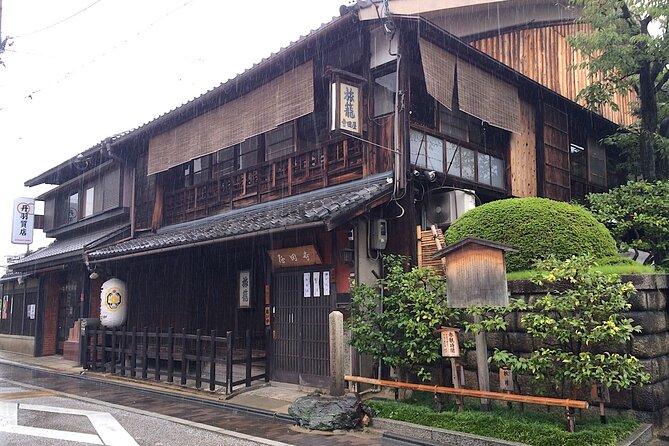
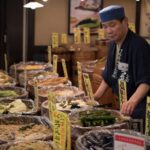
After history, you get to be human. The Ryōma Shopping Street (竜馬通り商店街) is positioned as a food-and-shopping experience that works like a smaller, more authentic cousin to well-known markets—without losing local character.
This is one of those parts of a tour where your guide’s help is genuinely useful. The itinerary includes time for lunch at the shopping street with your guide’s assistance, but lunch itself is not included in the tour price. Translation and on-the-ground recommendations make the difference between a frustrating hunt for a menu you can read and a straightforward, satisfying meal.
Time here is 1 hour 10 minutes, so you can sample, browse, and still keep momentum. If you like food streets that feel lived-in rather than staged for tourists, this is the section to slow down a bit and let the day breathe.
Stop 7: 伏水菓蔵 本店 sweets and a chance to grab coffee
You end the scheduled walking with a sweet stop at 伏水菓蔵 本店. This is included in the experience, and you’ll get traditional Japanese sweets after the distillery visit—basically a calm reset before the final stretch back toward the train.
You’re given time to relax, and it’s noted that this can also be a good moment to get coffee if you want it. Coffee isn’t included, so plan on paying separately if that’s your style.
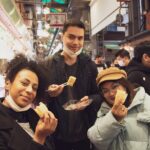
One more included detail that helps this stop feel substantial: you receive snacks up to 2 sweets per guest at the cafe (plus 1 taiyaki for each guest during the tour). Taken together, that’s more food than you might expect for the price, and it shifts the tour from history-only into true food-and-culture territory.
Guide quality matters here: thoughtful, practical, and helpful
One of the strongest signals from this tour is the way guides work. A standout example: Remi. The guide experience is described as thoughtful and informative, with a calm way of explaining both history and local context. Remi also helped with rail plans and navigation, going beyond just “pointing and talking.”
That kind of support is more valuable than it sounds. Kyoto can be confusing if you’re juggling transfers, station exits, and timing. When your guide helps you get your bearings, you’ll spend less energy on logistics and more on enjoying the sights.
For language: the tour shared format means French can’t be guaranteed. Priority goes to English if multiple nationalities join. Guides speak at least English and Japanese, and the guide may switch between English and French if a French-speaking guide is available. If French is important to you, it’s smart to contact ahead so the provider can confirm availability for your specific date.
Price and value: what you’re really paying for
At $78.04 per person for about 5 hours, the price is easiest to judge by what you receive rather than the sticker number.
You get:
- Full guiding for the duration
- Sake distillery museum admission
- Teradaya historic site admission
- A taiyaki
- Sweet snacks up to two sweets per guest at the cafe
- Assistance with shopping/translation
- Multiple scheduled stops that include free entries, plus guided context that makes them meaningful
What’s not included:
- Lunch (your guide helps you eat at the shopping street)
- Coffee/tea drinks
So, you’re paying for a guided day that includes more than sightseeing: it includes cultural explanation plus actual included treats. If you were to do museum entries on your own, plus pay for a guide for several hours, the total would usually climb. This is one of the reasons the tour feels like good value—especially for people who want history with food built in.
Who should book this Kyoto Fushimi tour (and who might prefer something else)
This tour suits you best if:
- You want history tied to places, not just a lecture
- You like sake culture and want a museum stop that gives context
- You enjoy walking through districts that still feel locally run
- You want food street time with a guide to translate and recommend
- You’re okay paying for lunch separately while the guide handles the plan
You might skip it if:
- You’re looking for an easy, minimal-walking morning and want only one or two attractions
- You only care about the most famous Fushimi Inari torii gate photo moments
- You require guaranteed French in a shared group and cannot risk English priority
Practical tips to make the day smoother
Bring comfortable shoes. You’re touring shrine areas, a canal walk, battlefield traces, and shopping streets in one go.
Set expectations for food. You’ll have included sweets and a taiyaki, plus time to eat lunch. But you should plan to pay for your meal and any drinks you want.
If you love sake, keep your curiosity hat on. This tour doesn’t position sake as just a souvenir purchase. It gives the story background, so you’ll get more meaning out of what you’re learning.
If Remi (or another helpful guide) is assigned to your group, lean into the Q&A. The day is structured around guide explanations and translation assistance, so asking questions is part of the value you’re buying.
Should you book? My honest take
If your Kyoto plan includes Fushimi but you don’t want the usual “just torii gates” version, I’d strongly consider booking this. The mix of shrine meaning, Gekkeikan sake museum context, major historical storytelling around Sakamoto Ryōma, and a real walk through the Ryōma shopping street makes the day feel like Kyoto at district level, not attraction level.
Do it if you want a guided food-and-history route that still keeps a local feel. If you need strict French language support, or if you’d rather spend more time at fewer places, look for an alternative format. Otherwise, this is a solid way to see Fushimi with both a story and something sweet in your hand.
FAQ
What is the duration of the Kyoto Fushimi District Food and History Tour?
The tour lasts about 5 hours.
How much does the tour cost?
The price is $78.04 per person.
What time does the tour start, and where do I meet?
It starts at 9:30 am. You meet at the fox statue at the entrance to Fushimi Inari Taisha Shrine (Fukakusa Inarionmaechō, near Inari Station).
Is lunch included in the price?
No. Lunch is not included, but the guide can help you enjoy lunch at the Ryōma shopping street.
What’s included for food and sweets?
You receive 1 taiyaki per guest, plus snacks of up to 2 sweets per guest at the cafe. Traditional Japanese sweets are also part of the schedule.
Is the sake museum admission included?
Yes. Admission to the Gekkeikan Ōkura Sake Museum is included.
Are entrance fees included for the Teradaya Historic Site?
Yes. Entrance to Teradaya Inn (the historic site) is included.
Is coffee or tea included?
Coffee and/or tea drinks are not included.
Will the guide speak French?
French language support isn’t guaranteed for shared tours. English is prioritized if multiple nationalities join, and French may be added if possible. For a French-speaking guide on your date, you’re advised to contact in advance.
How big is the group?
The tour has a maximum of 10 travelers.
What if there aren’t enough people booking?
There is a minimum number of travelers requirement. If the session is canceled due to not meeting the minimum (including cases like a single guest), you’ll be offered a different date/experience or a full refund.
More Food & Drink in Kyoto
More Tours in Kyoto
More Tour Reviews in Kyoto
Just added: more Kyoto tours to browse




Food & Drink, compared.
 ★ 5.0Kyoto Night Foodie Tour in Gion (9+ dishes + 6 Sake tastings)From $1631,762 reviews
 ★ 5.03-Hour Kyoto Insider Sake Brewery Tour with Tastings & PairingsFrom $84917 reviews
 ★ 4.8Arashiyama Bamboo, Temple, Monkeys, or Secret Sake BreweryFrom $87886 reviews
 ★ 5.0Insider Sake Brewery Tour with Sake and Food PairingFrom $87704 reviews
 ★ 5.0Kyoto Sake Brewery & Tasting Walking TourFrom $98623 reviews
 ★ 5.0Kyoto Nishiki Market Food and Culture Walking TourFrom $80412 reviews
 ★ 5.0Gion Food Tour 13 Dishes at 4 EateriesFrom $72408 reviews
 ★ 5.01.5-Hour Kyoto Insider Sake Experience with 7 Tastings & PairingsFrom $68297 reviews
Browse the lists this tour appears in