
Reviewed · KYOTO TEMPLE & SHRINE TOURS
Kyoto: Discover Every Bit of Kyoto Imperial Palace
Emperors ruled from these quiet halls. On this guided walk through the Kyoto Imperial Palace grounds in Gyoen National Garden, you connect traditional buildings, ceremonial spaces, and scenic greenery into one easy-to-follow story. I particularly liked the imperial-family insights—how the guide ties Japan’s royal traditions to real locations you’re standing in—and the chance to slow down in carefully tended gardens.
One thing to consider: this is a short tour, so the experience can rise or fall with the guide’s explanations. Some guides clearly bring energy and strong history, while other encounters reported less helpful commentary—so you’ll get the best value when your guide actually teaches, not just escorts.
In This Review
- Key Highlights You’ll Notice Right Away
- Hamaguri Gomon Gate: Your Quick Start in Kyoto’s Royal Grounds
- Gyoen National Garden: Why the Setting Changes How You See the Palace
- Shishinden and the Ceremony Halls: Reading Architecture Like a Story
- Emperor’s Personal Residence: Understanding Court Life Beyond Postcards
- The Gardens Walk: Calm, Order, and a Few Jaw-Dropping Views
- How the Timing Works: 1 Hour vs 1.5 Hours, and Why It Matters
- Price and Value: Is $38 Worth It?
- Group Size and the Private/Small-Group Feel
- What to Watch For: When the Guide Makes or Breaks the Tour
- Who This Tour Suits Best
- Should You Book This Kyoto Imperial Palace Tour?
- FAQ
- Where is the meeting point for the Kyoto Imperial Palace tour?
- How long is the tour?
- Is entry to the Kyoto Imperial Palace included?
- What language is the tour guide?
- Is it a private or small-group experience?
- How much does the tour cost?
- What’s the focus of the tour during the palace visit?
- Where does the tour start and end?
- Do I need to pay right away?
- Is free cancellation available?
- How do I know what time the tour runs?
Key Highlights You’ll Notice Right Away
- Hamaguri Gomon Gate meeting point: easy to find, and your guide is identifiable by a yellow DeepExperience sign.
- Gyoen National Garden setting: the grounds do more than look pretty; they frame how imperial life worked.
- Shishinden and ceremony spaces: you’ll learn what these major halls were used for and why that matters.
- Court daily life, explained: the guide helps you understand how tradition shaped everyday routines at the Emperor’s residence.
- Time-efficient pacing: you cover the core experience without turning the day into a marathon.
Hamaguri Gomon Gate: Your Quick Start in Kyoto’s Royal Grounds
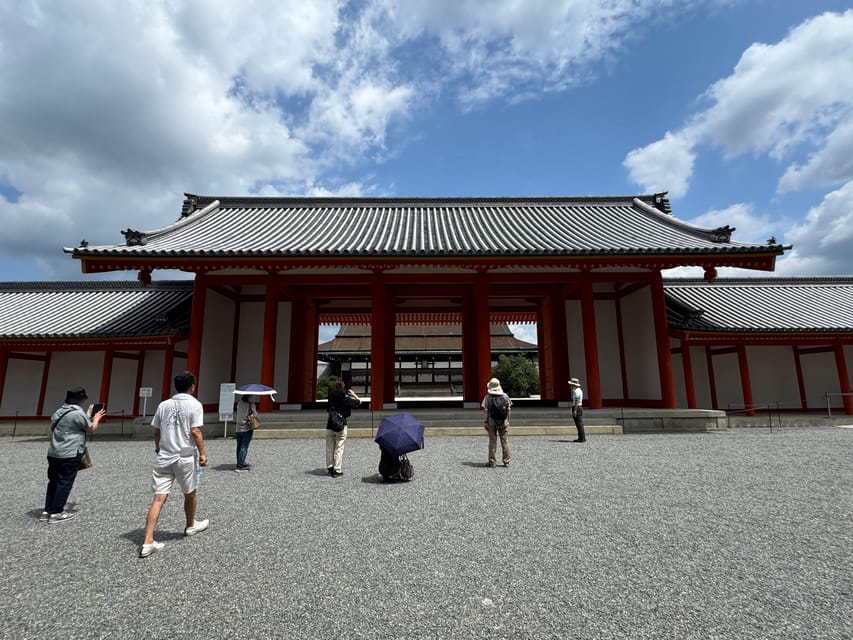
The tour begins right at Hamaguri Gomon Gate, the kind of landmark that helps you orient fast. I like that the meeting point is explicit and central to the palace approach—no “meet me somewhere near a building” guessing game.
Your guide waits at the gate holding a yellow sign that reads DeepExperience. If you’re trying to fit Kyoto in tightly, this matters. A 1-hour-to-1.5-hour experience is only useful if getting started doesn’t waste your time.
More temples and shrines to slow down in across Kyoto

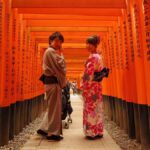
Gyoen National Garden: Why the Setting Changes How You See the Palace
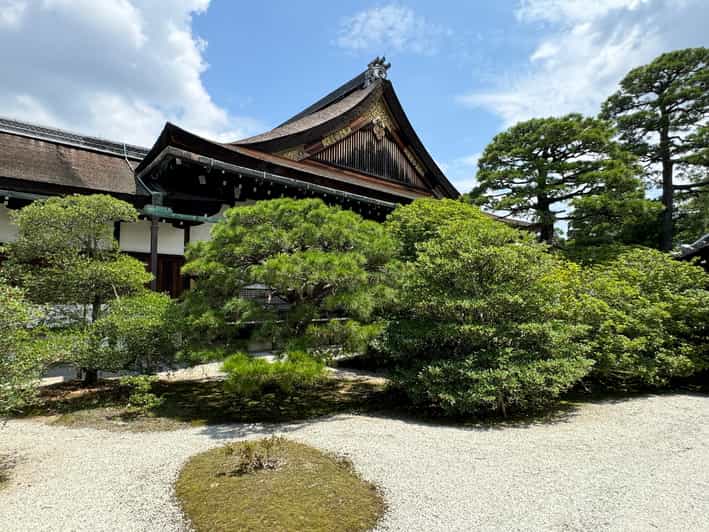
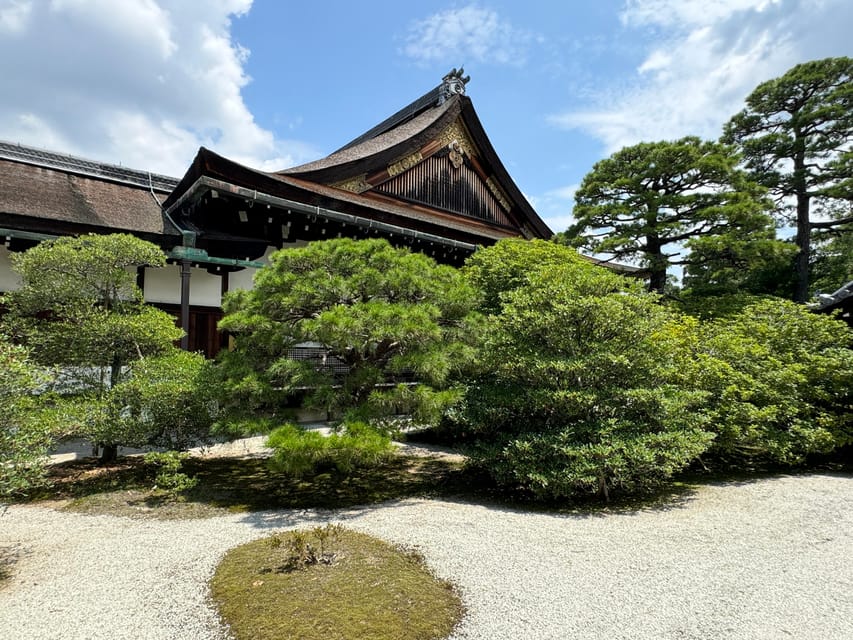
The Kyoto Imperial Palace sits within Gyoen National Garden, which is key to understanding the mood of the place. You’re not just walking past walls and roofs—you’re in a curated environment that supports ceremony, reflection, and formality.
I find gardens in Japan work like a visual language. Here, they help you grasp the imperial complex as something designed for order and rhythm, not random sightseeing. Even when you only have a short window, the garden setting gives you breathing space and helps the history land.
Shishinden and the Ceremony Halls: Reading Architecture Like a Story
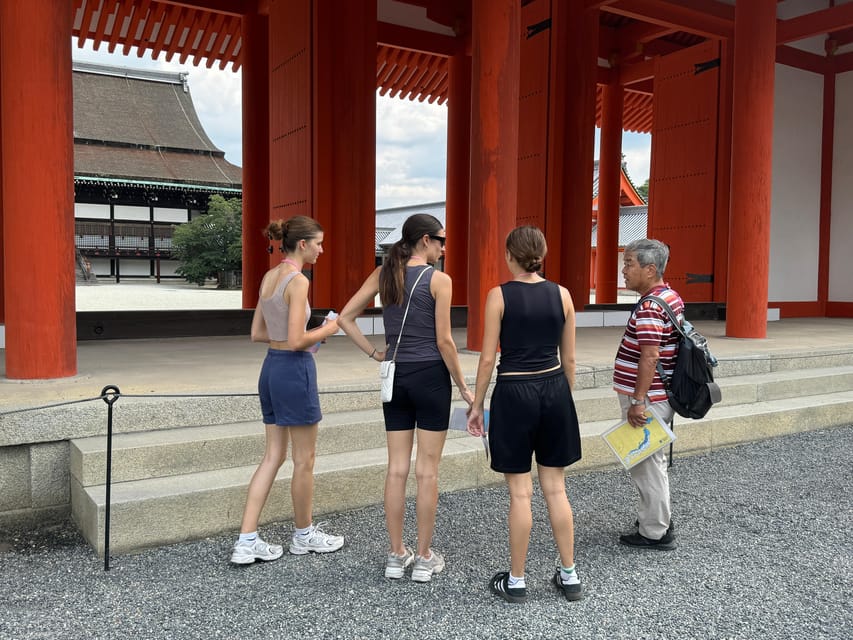
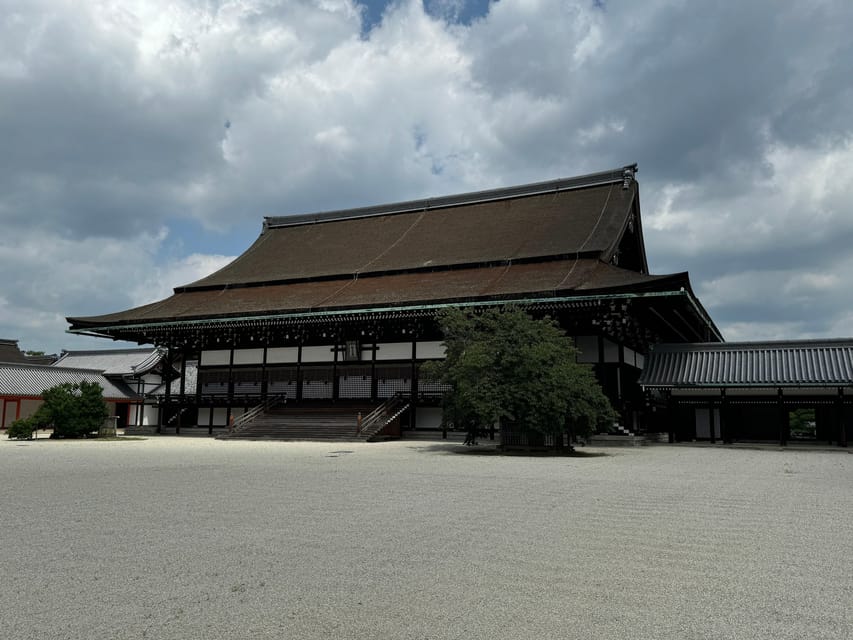
One of the big “where am I?” moments comes when you’re shown the main hall, the Shishinden. This is the sort of building people recognize as important, but the guide’s job is to explain how and why it’s important.
You’ll also focus on halls and spaces tied to grand imperial ceremonies. The value isn’t in memorizing names—it’s in learning how ceremonial use shapes design. In other words, the architecture isn’t just pretty. It signals rank, ritual timing, and official purpose.
If you’ve ever felt like temple explanations go one way and palace explanations go another, this tour tries to connect both. You stand in the rooms and corridors, then you understand the role they played in important state occasions.
Emperor’s Personal Residence: Understanding Court Life Beyond Postcards
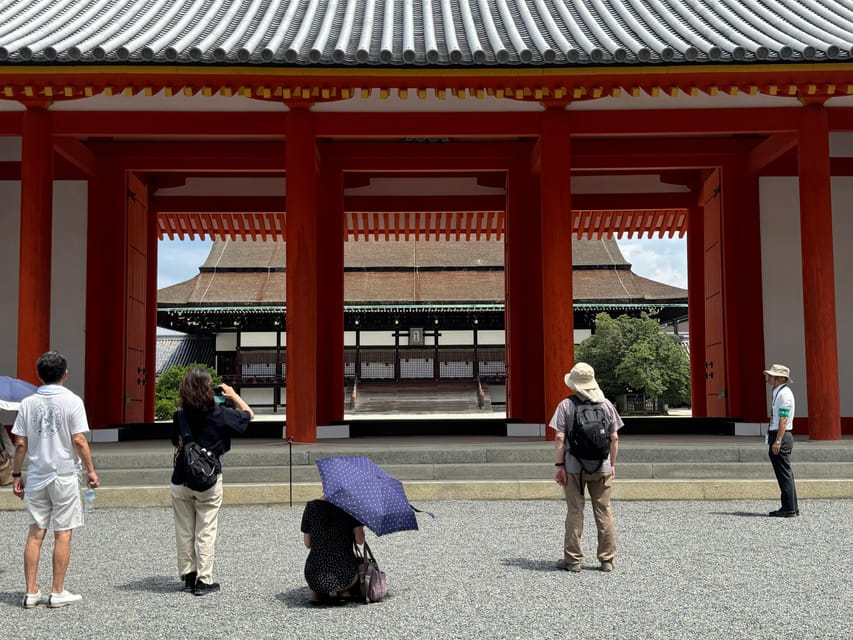
A standout part of the experience is the emphasis on daily life in the imperial court at the Emperor’s personal residence. That’s a different angle than most sightseeing tours, which often stop at “this is where history happened.”
Here, the guide helps translate tradition into something you can picture. You learn how court life functioned through rules, rituals, and roles—so the palace feels less like a museum and more like a working system.
In a short time, you won’t learn everything about Japan’s imperial household. But you should walk away with a more grounded sense of what “imperial residence” means in practice—how tradition shows up in spaces and ceremonies, not just in textbooks.
The Gardens Walk: Calm, Order, and a Few Jaw-Dropping Views
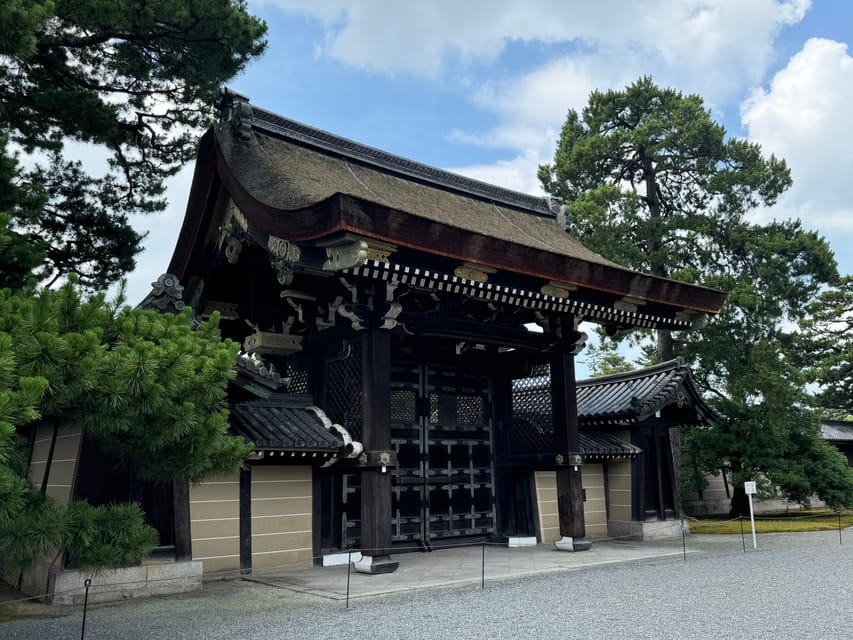
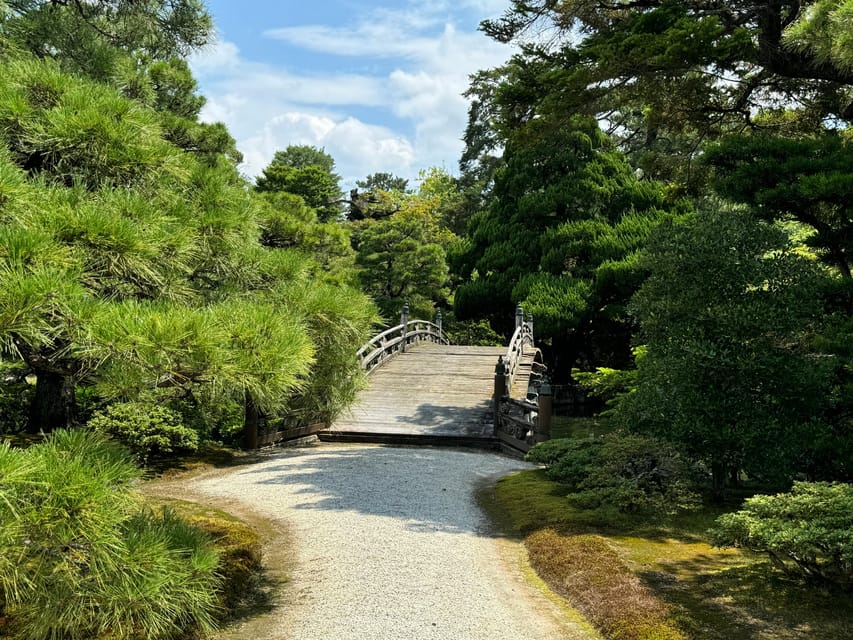
You’ll stroll through beautifully landscaped gardens, and that part is more than a break between buildings. The grounds help you understand how the palace experience was meant to slow people down, shift attention, and create the right atmosphere for formality.
I like that the garden time isn’t treated as a random add-on. It’s integrated into the flow of learning, so you can see how nature and built form work together in traditional design.
One review mentioned the interior garden in especially strong terms, calling it jaw-droppingly beautiful. Even if your experience is more modest than that, you can still count on the gardens giving you a quieter, more personal moment inside a very structured historical setting.





How the Timing Works: 1 Hour vs 1.5 Hours, and Why It Matters
The tour is priced and described as lasting about 1 hour, but the actual visit block on the itinerary is listed as around 1.5 hours. In plain terms: expect a short guided window that’s designed to cover the core palace grounds without dragging.
That timing is good for people who:
- want the biggest “royal palace” ideas fast,
- are pairing Kyoto landmarks back-to-back,
- don’t want a long, drawn-out museum-style session.
It’s not ideal if you prefer fully self-paced wandering with zero structure. If you love to linger for hours and take lots of detours, you may feel constrained by the guided format.
Price and Value: Is $38 Worth It?
At $38 per person, you’re paying for two things: a guide and the privilege of having historical context stitched directly to the sites you visit. The entry to the Kyoto Imperial Palace is free as part of the tour, so you’re not paying an extra gate fee on top.
Where the value really shows is when the guide communicates well. One review highlighted Yoshi as awesome and specifically praised his knowledge of Japanese history and his ability to point out interesting details within the palace grounds. Another review called the guide dynamic and cultivated, with answers that created an enjoyable, respectful exchange.
But value depends on the guide. One review criticized the experience as something that could be done without a guide and implied the booking wasn’t worth it for them. Another reported a guide who didn’t provide meaningful history and mainly walked along and took photos.
My practical take: if you care about learning and want the “why” behind what you see, $38 makes sense—especially since the tour is short enough to fit into a busy Kyoto day. If you’re happy reading on your own and just want to look around, the cost may feel unnecessary.
Group Size and the Private/Small-Group Feel
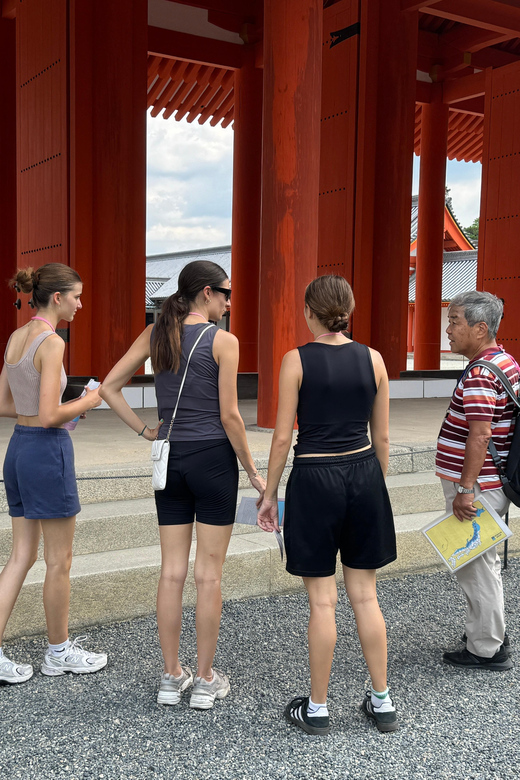
This experience offers private or small groups. That’s important because palace grounds can feel strict and formal, and a small group keeps the pace calmer. If you get questions answered in real time, you’ll enjoy it more than if you’re stuck listening from far away.
Also, small-group formats usually make it easier to hear the guide and keep track of where you should be. For a site where you’re moving between key structures and garden areas, that clarity helps.
What to Watch For: When the Guide Makes or Breaks the Tour
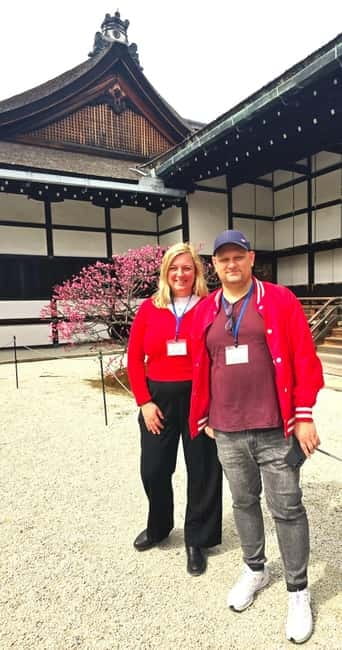
I’ll be blunt: this type of guided palace tour lives and dies on explanation quality. One review experience praised the guide’s knowledge and specific, interesting details. Another suggested the guide wasn’t knowledgeable and didn’t really provide information about the palace or its history.
So I recommend you decide what you want before you book:
- If your goal is history + context tied to buildings, prioritize a guided option and show up ready to listen.
- If your goal is pure looking and casual strolling, you might prefer exploring on your own so you control the pace.
A short guided tour can still be deep if the guide is strong. But it can also feel thin if the guide is light on teaching.
Who This Tour Suits Best
This is a good fit if you want a structured introduction to Kyoto Imperial Palace that emphasizes meaning, not just sightlines. I’d especially recommend it to:
- first-time Kyoto visitors who want the imperial story in a single sitting,
- people interested in Japan’s imperial traditions and ceremonies,
- travelers who enjoy architecture explanations and garden calm,
- anyone who wants an efficient plan that lasts roughly an hour to ninety minutes.
If you’re already a palace-history specialist or you only want photos, you may not get as much value. The tour is built for clarity and guidance, not for deep academic reading.
Should You Book This Kyoto Imperial Palace Tour?
I think you should book this tour if you value a guide who can connect imperial ceremonies, major halls like the Shishinden, and the garden surroundings into a coherent picture. The free entry is a plus, and the short duration makes it easy to slot into a Kyoto itinerary without exhausting your day.
Skip it—or at least approach it carefully—if you’re the type who expects to receive meaningful history no matter what. Guide performance can vary, and the reviews include both excellent teaching and frustratingly thin commentary.
If you’re the “teach me what I’m looking at” type, this is a strong use of time in Kyoto. If you’re more “I’ll figure it out myself,” you may feel the cost more than the benefit.
FAQ
Where is the meeting point for the Kyoto Imperial Palace tour?
You meet in front of the Hamaguri Gate (Hamagurigomon) of the Kyoto Imperial Palace. The guide will be waiting with a yellow sign that says DeepExperience.
How long is the tour?
It’s listed as 1 hour, and the palace visit portion is described as a guided tour of about 1.5 hours.
Is entry to the Kyoto Imperial Palace included?
Yes. Entry to the Kyoto Imperial Palace is included and listed as free as part of the tour.
What language is the tour guide?
The live tour guide is English.
Is it a private or small-group experience?
Yes, it offers private or small groups.
How much does the tour cost?
The price is listed as $38 per person.
What’s the focus of the tour during the palace visit?
You’ll learn about traditions and history of Japan’s imperial family, the historical significance of halls used for ceremonies, daily life in the imperial court at the Emperor’s residence, and you’ll also stroll through landscaped gardens.
Where does the tour start and end?
It starts at Hamaguri Gomon Gate and returns back to Hamaguri Gomon Gate.
Do I need to pay right away?
You can reserve now and pay later, keeping travel plans flexible.
Is free cancellation available?
Yes. Free cancellation is available up to 24 hours in advance for a full refund.
How do I know what time the tour runs?
The tour duration says check availability to see starting times.
More Tour Reviews in Kyoto
More Kyoto Temples and Shrines

Just added: more Kyoto tours to browse








Kyoto Temple & Shrine Tours, compared.
 ★ 4.9Tea Ceremony Ju-An at Jotokuji TempleFrom $293,207 reviews
 ★ 4.8Arashiyama Bamboo, Temple, Monkeys, or Secret Sake BreweryFrom $87886 reviews
 ★ 5.0Arashiyama Bamboo Forest, Monkeys, Matcha & Temple TourFrom $53759 reviews
 ★ 4.4Osaka/Kyoto: Arashiyama, Nara & Fushimi Inari Shrine w/LunchFrom $61754 reviews
 ★ 4.7Imperial Palace & Nijo Castle Guided Walking TourFrom $49453 reviews
 ★ 5.0Kyoto Zen Meditation & Garden Tour at a Zen Temple with LunchFrom $110441 reviews
 ★ 5.0Zen Experience in a Hidden TempleFrom $109437 reviews
 ★ 5.0KYOTO Tea Ceremony with kimono near by Imamiya Jinjya ShrineFrom $99343 reviews
Browse the lists this tour appears in