
Reviewed · TICKETS
Kyoto Aquarium Admission Ticket
Dolphins and salamanders share one roof. Kyoto Aquarium is tucked into calm Umekoji Park on Honshu, and it turns a simple ticket into a surprisingly restorative animal day. I especially liked the chance to watch dolphins at close range, where their speed looks almost too smart to be accidental.
I also loved how Kyoto Aquarium treats its most unusual residents like stars: the giant salamanders are ancient-feeling, slow-moving, and oddly gripping to watch for long stretches. If you like details, you can also ask the breeding staff questions, since they’re clearly invested in the animals and can explain what makes each group tick.
One thing to consider: re-entry isn’t allowed, so you’ll want to time breaks and snacks inside the site. If you pop out, plan to stay out, because the ticket is for that one continuous visit.
In This Review
- Key things I’d circle before you go
- Kyoto Aquarium at Umekoji Park: a calm setting for a full animal day
- Start smart: how to plan your route with one-ticket entry
- Dolphin show: why this performance feels like more than entertainment
- Penguins up close: watch the habits, not just the poses
- Giant salamanders: a quiet exhibit that steals the show
- Satoyama rural scenery: why this recreated setting matters
- Jellyfish and seals: the bonus favorites that add variety
- The Umekoji Park outside-the-tanks pause
- Photos, video, and the no-flash rule that keeps it ethical
- Souvenir shop: plan for the best part of the exit
- Who Kyoto Aquarium is best for (and who should adjust expectations)
- Quick practical notes before you book
- Should you book Kyoto Aquarium admission?
- FAQ
- FAQ
- How long is the Kyoto Aquarium admission ticket valid?
- Is the ticket refundable if I change my plans?
- Where is Kyoto Aquarium located?
- Can I bring pets into the aquarium?
- Can I take photos or record video?
- Can I leave and come back later using the same ticket?
- Is Kyoto Aquarium wheelchair accessible?
Key things I’d circle before you go

- Dolphin performances that highlight agility and intelligence, not just tricks
- Penguins with real personality, plus time to watch how they move and socialize
- Giant salamanders in a dedicated exhibit that feels like a window into deep time
- Satoyama rural scenery recreated inside the aquarium to connect animals and land
- Umekoji Park calm outside the tanks, with lawns and trees that make the day feel lighter
- Jellyfish and seals are also standout favorites, with an excellent souvenir shop for the ride home
Kyoto Aquarium at Umekoji Park: a calm setting for a full animal day
Kyoto Aquarium sits in Umekoji Park, surrounded by green space and open lawns. That matters more than you’d think. When an attraction is quiet and spacious around the edges, your visit doesn’t feel like a sprint through crowds.
Your admission covers one full day, and you’ll likely lose track of time. Some areas reward slow pacing—especially the exhibits where animals don’t do much on a schedule, but everything about their movement is still worth watching. Plan on more than an hour or two, even if you think you’re keeping expectations modest.
Other Kyoto tours and experiences to compare



Start smart: how to plan your route with one-ticket entry
Since re-entry isn’t possible, the best strategy is simple: decide on your day flow before you wander. If you’re the type who likes being near the action early, aim to get your must-see performance times aligned first, then let the rest of the aquarium guide you.
For photos and video, shooting is allowed, but you’ll want to keep it respectful. Inside, avoid flash photography to protect the animals’ well-being. If you’re photographing, use steady lighting and let your camera do the work without blasting light at close range.
Also keep in mind that the ticket is non-refundable. That’s not meant to be scary—it just means you should pick a time you feel good about and don’t treat this as a flexible backup plan.
Dolphin show: why this performance feels like more than entertainment
The dolphin area is the headline for a reason. The performances emphasize agility and intelligence, and you can see the animals respond to timing and cues with a level of coordination that feels beyond simple training.
What I like about this part of the aquarium is the pacing. It’s not only about the biggest splash or the fastest trick. You get repeated moments where dolphins switch direction, adjust speed, and move with purpose—like you’re watching athletes, not props.
If you tend to feel impatient during shows, give this one a little extra time. Even between the most eye-catching moves, you’ll still catch patterns in how they swim and how they use space. It makes the show feel more natural and less mechanical.
Penguins up close: watch the habits, not just the poses
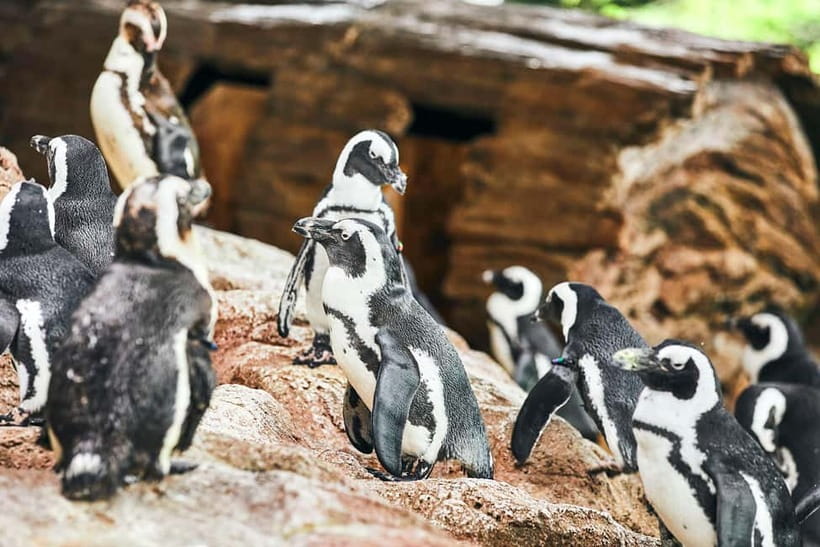
The penguin exhibits are where you’ll likely relax. They’re active, but not frantic, and they show a range of behavior that feels personal. The best moments are the simple ones: the way they waddle, how they pause, and how groups interact.
I’d treat penguin time like a mini-investigation. Spend a few minutes observing rather than scanning. If you look at how they move between resting spots and water, you’ll start to notice routines and social cues.
And if you’re curious about breeding or care, Kyoto Aquarium’s staff are there for conversation. The breeding staff can share helpful, heartfelt information, especially if you ask about what you’re seeing. That turns a general animal viewing into something more meaningful.
Giant salamanders: a quiet exhibit that steals the show
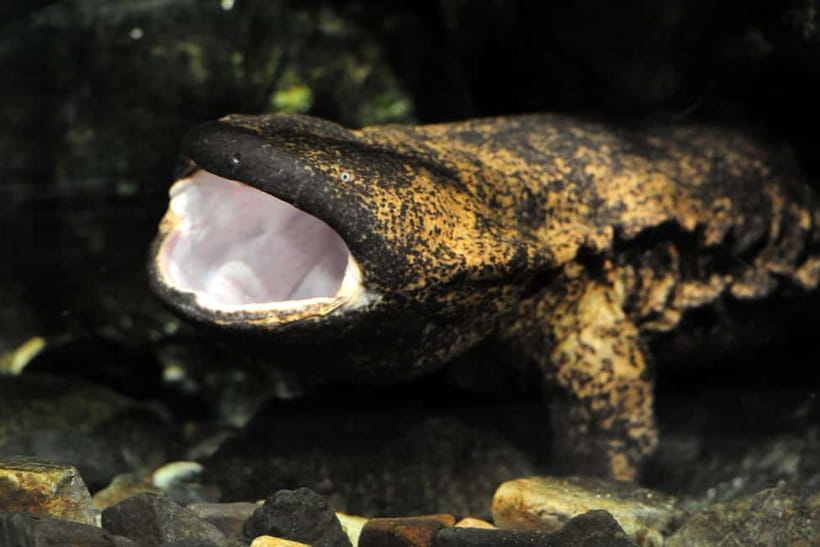
Then there’s the giant salamanders, and they’re a totally different vibe from the dolphin show. This exhibit has a sense of focus—like the aquarium is asking you to slow down and pay attention. They’re ancient, rare-feeling, and fascinating because their energy is subtle.
Here’s the value for your visit: in many aquariums, most animals constantly perform. Salamanders don’t. So you end up watching details—body posture, stillness, and how they respond to their environment. If you love animals that don’t put on a constant act, this is a strong reason to come even if you’re not a lifelong aquarium person.
If you want to make the salamander time count, don’t rush past. Give yourself enough minutes to settle into the slower pace. It’s the kind of viewing that makes the rest of the day feel calmer afterward.




Satoyama rural scenery: why this recreated setting matters
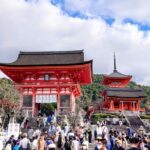
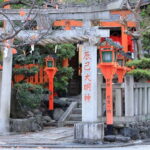
One of Kyoto Aquarium’s most thoughtful themes is coexistence—supported by Kyoto’s abundant water blessings. The satoyama exhibit recreates a traditional Japanese rural setting, and it works as more than decoration.
It helps you connect the animals you’re seeing to the environment they come from. Even if you don’t know a lot about local ecology, you can still “read” the idea: life exists in systems, not isolated tanks. That’s a big part of why the aquarium feels peaceful instead of purely commercial.
A tip: take a moment here to look around before you look at the animals. The recreated scenery sets the mood, and once your brain shifts into that slower frame, the rest of the exhibits land better.
Jellyfish and seals: the bonus favorites that add variety
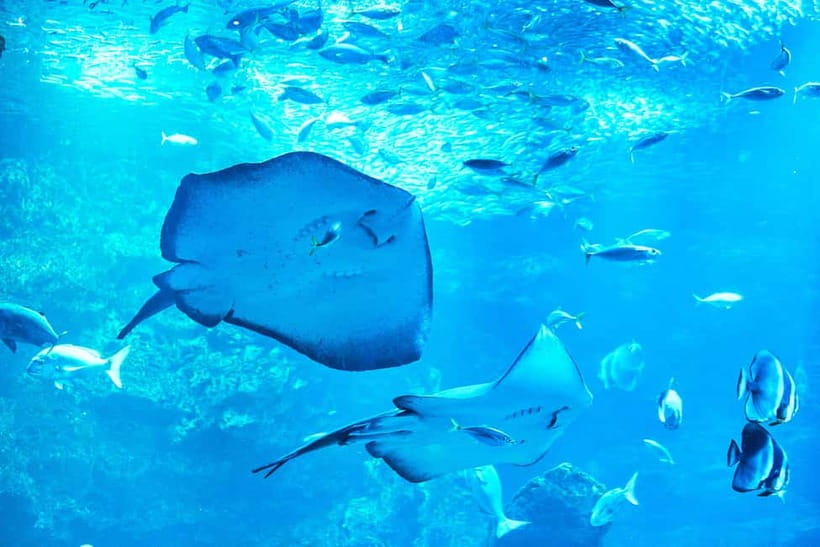
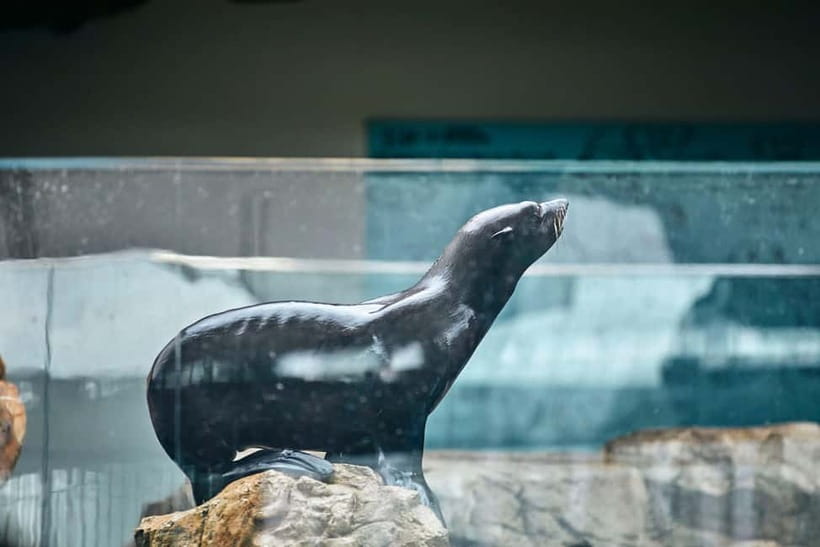
In real life, a great aquarium isn’t only about the big-ticket animals. Kyoto Aquarium also has the kind of scenes that make people linger longer than expected. In particular, jellyfish aquariums are a standout for many visitors, and seals are a close second in popularity.
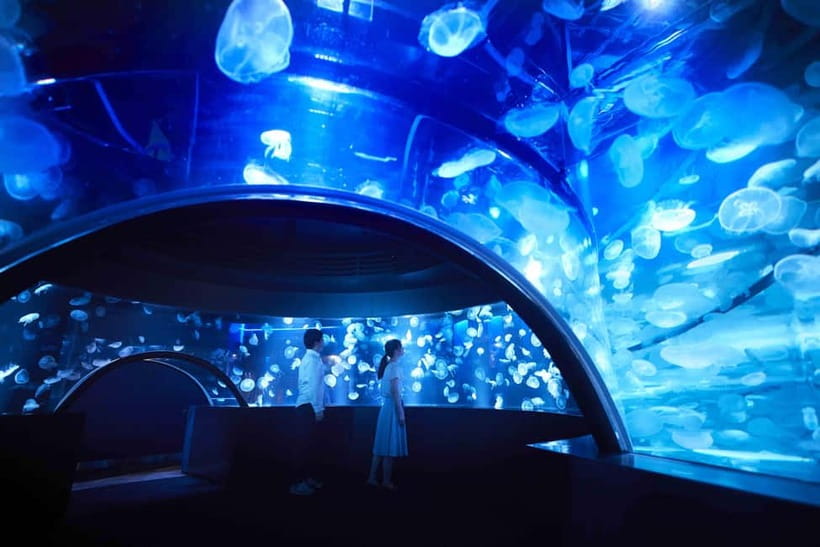
Jellyfish areas are worth it because light and motion do a lot of the storytelling. If you watch for a few minutes, you’ll notice the way different groups drift and change pace, almost like they’re moving to a quiet rhythm.
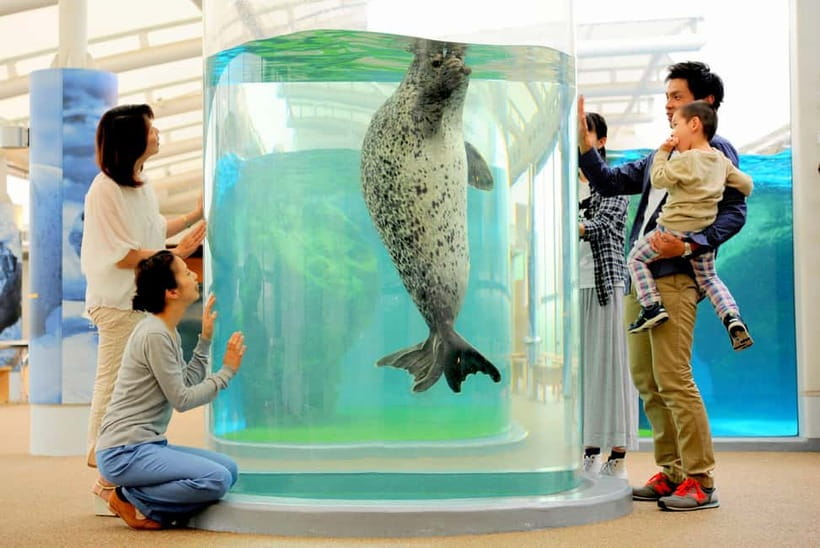
With seals, the appeal is different. You’re watching curiosity and presence—how they shift their gaze, adjust posture, and interact with their space. Even if you’re not totally obsessed with marine animals, this combo keeps your attention moving through the day.
The Umekoji Park outside-the-tanks pause
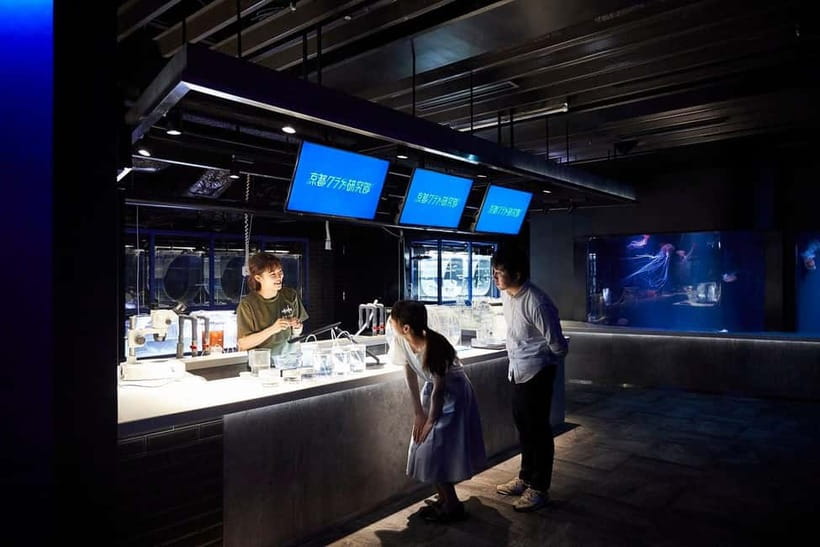
Don’t ignore the setting outside the main aquarium rooms. Since you’re inside Umekoji Park, you get a break from indoor density and noise. Even a short pause on the lawns can reset your day energy.
That’s helpful because a one-day ticket can stretch fast once you’re comfortable. If you’ve got travel legs that need a breather, stepping outdoors for a bit can be the difference between feeling packed and feeling peaceful.
Photos, video, and the no-flash rule that keeps it ethical
You can shoot camera and video at Kyoto Aquarium. Just remember: inside the building, don’t use flash. It’s an easy rule, and it also helps you avoid those annoying, bright interruptions that ruin everyone’s viewing.
If you’re filming, keep your settings in mind so you don’t rely on light bursts. Steady, natural conditions are usually better for both you and the animals anyway.
Souvenir shop: plan for the best part of the exit
A good souvenir shop can either feel like an afterthought or like part of the experience. Here, the shop gets strong praise, and it’s worth budgeting a little time at the end.
If you’re traveling with kids, it’s also where you’ll find the most practical keepsakes—things that don’t feel like clutter five minutes after you buy them. Even as an adult, I like using the shop as a prompt: I recall the animal I cared about most, then pick something that matches that memory.
Who Kyoto Aquarium is best for (and who should adjust expectations)
This aquarium fits well if you like a mix of animals and a slower pace of observation. It’s great for families who want both spectacle and quiet exhibits in one place.
It also works if you’re an animal lover who enjoys the behind-the-scenes angle. The fact that breeding staff are available to talk is a meaningful plus, especially for visitors who want more than surface-level info.
If you’re only in Kyoto for a tight schedule and want maximum efficiency, you’ll still be able to enjoy it—but you may feel pressed by the variety. The exhibits are varied enough that skipping pieces can leave you with a weaker sense of the overall theme.
Quick practical notes before you book
- The ticket is for 1 day (check starting times for entry windows).
- The admission is non-refundable.
- Pets aren’t allowed, but assistance dogs like guide dogs can come.
- Re-entry isn’t possible, so plan meals and breaks inside.
- Wheelchair accessible.
Should you book Kyoto Aquarium admission?
I’d book it if you want a one-day Kyoto stop that balances big attractions with calmer, more thoughtful exhibits. The dolphin performances, the personality-forward penguin areas, and the dedicated giant salamander exhibit give you variety without making you feel like you’re always chasing the next thing.
The best reason to go is the feeling the aquarium creates: you’re watching animals while also being nudged toward coexistence and the link between water and living systems. If you’re the type who enjoys lingering, asking questions, and taking your time, this one rewards you quickly.
If you’re the type who needs strict time control and hates the idea of being stuck inside once you enter, you’ll want to plan carefully because no re-entry changes your flexibility.
FAQ
FAQ
How long is the Kyoto Aquarium admission ticket valid?
Your Kyoto Aquarium admission ticket is valid for 1 day.
Is the ticket refundable if I change my plans?
No. The admission is non-refundable.
Where is Kyoto Aquarium located?
Kyoto Aquarium is located in Honshu, Japan, at Umekoji Park.
Can I bring pets into the aquarium?
No pets are allowed in the building. Assistance dogs such as guide dogs can be accompanied.
Can I take photos or record video?
Yes, you can bring a camera and shoot photos or video. Inside the building, please avoid flash photography for biological protection.
Can I leave and come back later using the same ticket?
No. Re-entry is not possible.
Is Kyoto Aquarium wheelchair accessible?
Yes, the aquarium is wheelchair accessible.
More Tickets in Kyoto

More Tour Reviews in Kyoto
Just added: more Kyoto tours to browse








Tickets, compared.
 ★ 3.9Hop-on Hop-off Sightseeing Bus TicketFrom $272,034 reviews
 ★ 4.9Tea Museum Tickets and Matcha Grinding ExperienceFrom $23739 reviews
 ★ 4.5Skip the lines Basic Ticket at SAMURAI NINJA MUSEUM KYOTOFrom $28632 reviews
 ★ 4.5Nidec Kyoto Tower Observation Deck Admission TicketFrom $5273 reviews
 ★ 4.9Non-Verbal Theatre Show Tickets at GEARFrom $46198 reviews
 ★ 4.5Kyoto Sword Experience – includes Museum Ticket/Ninja ExperienceFrom $83149 reviews
 ★ 5.0Show Tickets at Non-Verbal Theatre GEARFrom $47133 reviews
 ★ 4.5Samurai Performance and Casual Experience: Kyoto TicketFrom $33115 reviews