
Reviewed · KYOTO KIMONO EXPERIENCES
Experience Kimono in Kyoto
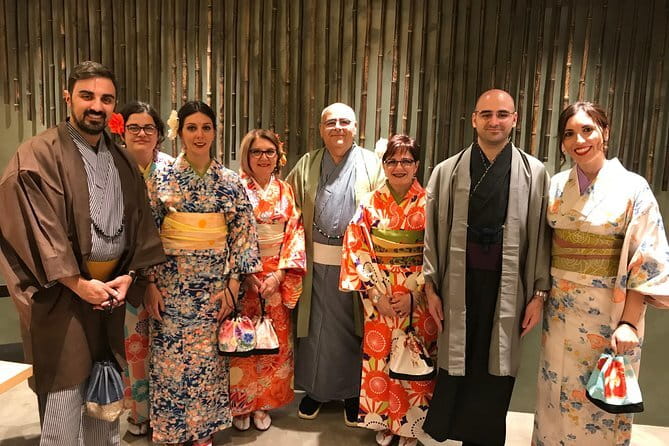
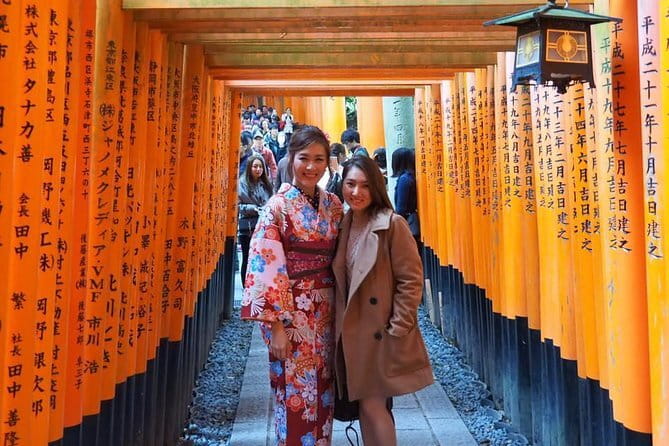
A kimono day in Kyoto can be simple. You get an expert to dress you, set your hair, and help you plan where to take great photos, all for a low $25. I like the deal here because you avoid the two biggest headaches: expensive kimono shopping and figuring out the right way to wear everything. I also like that you leave with styling tips, so you know where to walk right after you get ready. One thing to consider is the time window: you’ll need to return the kimono by 17:00, and your outing is basically built around that.
You also get a private prep room near major transit, which makes it feel less like a production and more like a pleasant morning or afternoon ritual. The outfit process includes your kimono/yukata, obi, shoes, and accessories, plus a hair set and hair accessories. Still, if you’re traveling with very young kids (or you’re not feeling well), this isn’t recommended, so check fit before you book.
In This Review
- Key Things I’d Book This For
- Price and What You Really Get for $25
- Where You Meet and How Easy It Is to Reach
- Choosing Your Kimono: The Fun Part You Don’t Want to Skip
- The Private Room Setup: Hair, Accessories, and Privacy
- Staff Photo Tips: Turning Clothing Into a Plan
- A Practical Kyoto Stroll: Where This Fits Best
- What’s Included vs. What’s Not
- Private Tour Means You Set the Pace
- Things to Watch Out for Before You Book
- Should You Book This Kimono Experience?
- FAQ
- FAQ
- How long is the kimono experience?
- What does the price include?
- Do I get help choosing a kimono and accessories?
- Is hair styling included?
- Do I get tabi socks?
- Where is the meeting point?
- Is the tour private?
- Can I use a mobile ticket?
- What’s nearby for sightseeing after I get dressed?
- What if I need to cancel?
- Is it suitable for young children?
Key Things I’d Book This For
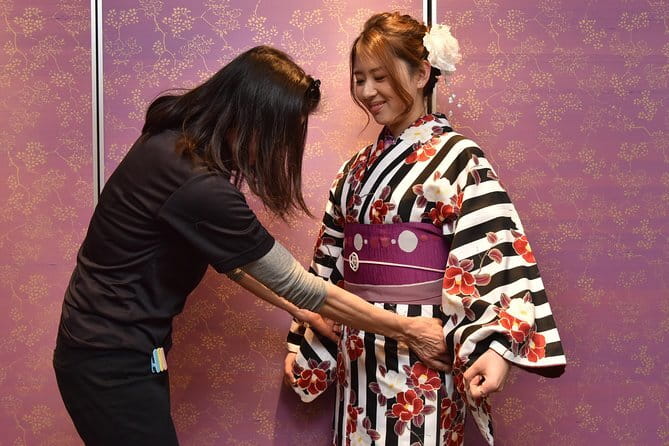
- Expert dressing and hair set so you skip DIY stress and get the look right
- Kimono or yukata included, with seasonal switching (kimono in Oct–May; yukata during summer months)
- Accessories and obi help, including staff guidance if you’re not sure how to style
- Tabi socks are included as a memory in Oct–May only
- Photo-location advice from staff, so you’re not guessing where to stop
- A private room setup that keeps your getting-ready time comfortable
Price and What You Really Get for $25
At $25 for about one hour, this isn’t a “rent clothes and good luck” situation. It’s closer to paying for craftsmanship plus a head start on your Kyoto photos.
Buying a kimono is expensive, and even if you rent, you often still spend time wrestling the outfit into place. Here, the hard part is handled for you: staff choose the right pieces, set your hair, and get the kimono properly worn. That value shows up fast when you realize you’re paying for time, experience, and all the outfit basics that usually add up.
Also, there’s an important detail: the experience notes say there’s no additional charge. That matters because kimono rentals can get weird with add-ons. Here, the main included items are clear—kimono/yukata, obi, shoes, socks, hair set, and accessories.
One more value point: you get a full hour-ish window where you can actually use the outfit. That turns the cost into an experience, not just a costume.
Wander Kyoto in kimono a little longer


Where You Meet and How Easy It Is to Reach

You meet at GOZAN HOTEL & SERVICED APARTMENT Higashiyama Sanjo, address listed as 35-7 Sanchōme, Higashiyama Ward, Kyoto. The activity ends back at the same place, so you don’t have to plan a complicated pickup.
Location is one of the underrated perks. The experience provider is conveniently near public transit, including the subway and the Keihan railway. That helps a lot on travel days when you’re juggling luggage or temple-to-temple hopping.
In walking terms, the easy part is that famous areas are within reach. Staff indicate that spots like Gion and the Kawaramachi shopping district are walkable from the location, plus there are temples and other major landmarks you can reach on foot.
Choosing Your Kimono: The Fun Part You Don’t Want to Skip
Your prep starts with picking your outfit. You choose your favorite from the shop’s kimono collection (and the seasonal format shifts to yukata during summer months). This is not a one-size-fits-all rental. The experience is set up so you can select what you’ll actually wear outside.
After the kimono decision, you build the look with staff help. You’ll add pieces that can include:
- obi
- bags
- and other accessory options
If you worry you’ll look wrong because you don’t know the rules, don’t. The staff specifically offer styling advice and guidance on what accessories match your kimono.
This matters because the kimono look isn’t just about clothing. It’s how the layers sit, how the obi frames your waist, and what accessories you pick to balance the colors and patterns. When someone else handles the pairing, you get a more polished result and you spend less time standing there thinking.
The Private Room Setup: Hair, Accessories, and Privacy

The dressing happens in a private room. That small detail changes everything. You get a calmer experience than when you’d be getting dressed in a public space with other people drifting around.
In that private room, the process goes in a sequence:
- kimono and obi selection support
- dressing with the kimono layers
- hair-styling
- finishing touches with hair accessories
- shoes, plus the socks piece
Hair-styling is explicitly included and described as free, and hair accessories are also included. You can also bring up questions during the prep, especially if you want advice for what to prioritize for photos.
One more specific perk: in October through May only, the experience includes a gift of tabi (special socks) to wear with kimono. You’re also meant to treat it as a memory from your trip. If you’re traveling outside those months, you won’t rely on that same gift, since the seasonal note points to yukata in summer instead.
For outfits, the kit includes your shoes and a Japanese bag. So when you walk out, you’re not stopping to hunt down missing parts.
Staff Photo Tips: Turning Clothing Into a Plan

The best part of this type of rental isn’t the outfit. It’s what you do with it after. This experience is designed for that.
Staff provide recommendations about the best places to visit in Kyoto and help with where and how to go once you’re dressed. That guidance is huge because Kyoto photos aren’t just about pretty streets. It’s about angle, light, and timing, especially around the neighborhoods that look great in kimono.
Your walk time is at your leisure, with an important boundary: you should return the kimono by 17:00. During that window, you can follow the staff suggestions, hop between temple stops and classic streets, and take photos without rushing.
Also, kimono walking changes your pace. You’ll want routes where you can slow down, enjoy the view, and not feel like you’re constantly sprinting for a train. With staff pointing you to areas like Gion, plus nearby shopping streets like Kawaramachi, you can build a simple loop without overly complicated transit plans.

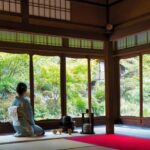
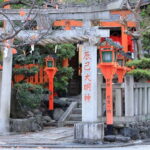
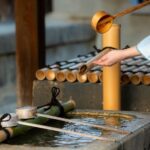

A Practical Kyoto Stroll: Where This Fits Best
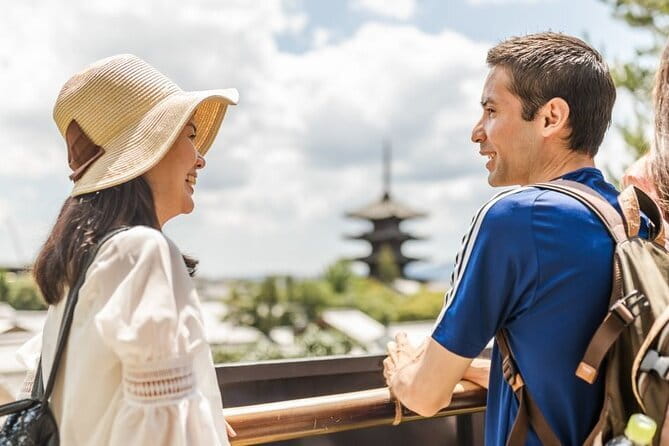
Once you’re dressed, think of your time in Kyoto as two tracks: photo time and sightseeing time.
Photo time works especially well around places you can walk through slowly, where the streets support that classic Kyoto vibe. Since Gion is within walking distance from the meeting area, it’s an obvious target for kimono photos. The experience also calls out countless locations that make Instagram-style photos, so you’ll have options once you start moving.
Sightseeing time means temples and landmarks. The experience notes that you can also visit temples and famous landmarks. With a one-hour setup, your sightseeing time is really what you’ll remember. So you’ll want at least one main stop you care about most and then a couple of easy extras around it.
Shopping time is also a strong fit. Kawaramachi being nearby is a good way to experience modern Kyoto without leaving the kimono day behind. You can browse, then return to the classic streets when you want photos again.
If you’re planning your day, build in the 17:00 return target. It’s easier to enjoy your kimono day when you’re not constantly checking the clock.
What’s Included vs. What’s Not
This is refreshingly straightforward.
Included in the experience:
- Kimono / Yukata
- Obi
- Shoes
- Japanese sox / special socks
- Hair set
- Hair accessories
- Japanese bag
Not included:
- The info says there is no additional charge, so you’re not bracing for surprise extras tied to the base experience.
That “included” list matters because kimono days can get expensive when things are missing. If you’ve ever tried to rent just the clothing without planning shoes, socks, and hair help, you know it can turn stressful fast. Here, you show up and the full outfit package is handled.
Private Tour Means You Set the Pace

This is described as a private tour/activity, meaning it’s only your group.
That typically makes a difference in two ways:
- You don’t feel rushed by other groups moving through the room.
- You can ask questions during dressing—especially about styling and where to go next.
Even if the overall duration is about one hour, the experience is not treated like a fast conveyor belt. Staff help you choose accessories, get the look together, and then send you off with specific location guidance.
So if you’re traveling with a partner or family, it can feel more personal than a shared group setup.
Things to Watch Out for Before You Book
A kimono day is great, but I’d treat these as the main considerations.
Time cutoff: You must return the kimono by 17:00. Your leisure walking time is limited by that rule, so you may want to avoid scheduling something far away right beforehand.
Seasonal change: October through May includes the tabi gift. During summer months, they prepare yukata instead. If you’re specifically hoping for the tabi memory, match your travel dates.
Age and health notes: It’s most travelers can participate, but it’s not recommended for under 3 years old or for someone who is sick. If your group includes a child or someone who gets tired easily, plan around the one-hour dressing process and the walking afterward.
Finally, private prep is comfortable, but you should still wear simple, comfortable clothing you can change out of quickly. The less you fuss with what you’re wearing, the smoother the whole session feels.
Should You Book This Kimono Experience?
If you want a Kyoto kimono day with minimal stress, I’d book it—especially if you care about the experience being complete, not piecemeal. You’re paying for expert dressing, hair styling, and accessories, then getting help with where to go for photos in neighborhoods like Gion and nearby areas you can reach on foot.
Skip it only if the 17:00 return rule doesn’t fit your schedule, you strongly prefer a DIY outfit (because this is built around staff help), or you’re traveling with someone who falls under the not-recommended notes.
FAQ
FAQ
How long is the kimono experience?
It runs for about one hour (approx.). After you’re dressed, you can stroll around until the shop’s closing time, with a requirement to return the kimono by 17:00.
What does the price include?
The price includes the kimono/yukata, obi, shoes, Japanese socks, a hair set, hair accessories, and a Japanese bag. There is also no additional charge listed.
Do I get help choosing a kimono and accessories?
Yes. You choose from the shop’s collection, and staff help you with accessories and advice on kimono styling and pairing obi and other pieces.
Is hair styling included?
Yes. Hair-styling is included, and it’s done along with the dressing process.
Do I get tabi socks?
Tati socks are included as a gift in October through May only. During summer months, the experience mentions yukata preparation instead.
Where is the meeting point?
You meet at GOZAN HOTEL & SERVICED APARTMENT Higashiyama Sanjo, 35-7 Sanchōme, Higashiyama Ward, Kyoto.
Is the tour private?
Yes. It’s described as a private tour/activity, so only your group participates.
Can I use a mobile ticket?
Yes. The experience includes a mobile ticket.
What’s nearby for sightseeing after I get dressed?
Gion and the Kawaramachi shopping district are within walking distance, and temples and famous landmarks are also nearby. Staff also provide recommendations for where to go.
What if I need to cancel?
Free cancellation is available. You can cancel up to 24 hours in advance for a full refund.
Is it suitable for young children?
It is not recommended for children under 3 years old.
More Tour Reviews in Kyoto
More Kimono Days in Kyoto


Just added: more Kyoto tours to browse






Kyoto Kimono Experiences, compared.
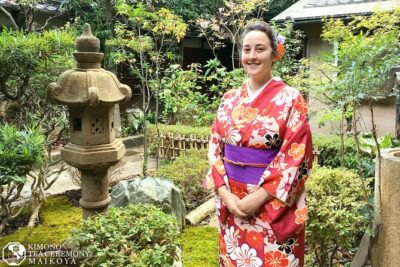 ★ 5.0Kimono Tea Ceremony at Kyoto Maikoya, NISHIKIFrom $65911 reviews
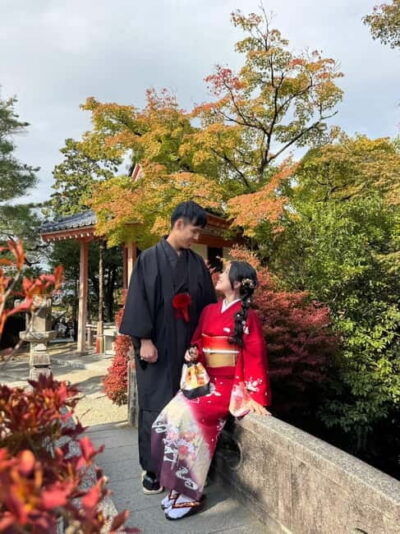 ★ 4.8Kimono Rental with Hairstyling and AccessoriesFrom $21653 reviews
 ★ 4.9Kimono Tea Ceremony at Orizuruya GionFrom $49618 reviews
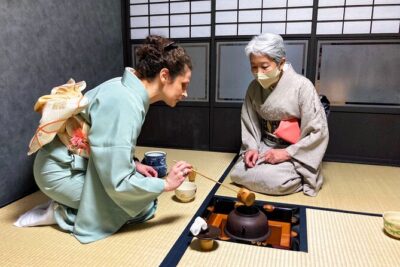 ★ 5.0KYOTO Tea Ceremony with kimono near by Imamiya Jinjya ShrineFrom $99343 reviews
 ★ 4.3Kimono and Tea Ceremony Experience at Cultural AssetFrom $222306 reviews
 ★ 4.7Traditional Kimono RentalFrom $25265 reviews
 ★ 4.9Kimono Tea Ceremony with Matcha and SweetFrom $66249 reviews
 ★ 5.0Family-Friendly Kimono & Yukata Experience at WARGOFrom $31147 reviews
Browse the lists this tour appears in