
Reviewed · KYOTO NIGHT TOURS
Experience Japan’s Traditional Culture Night Tour in Kyoto
Lantern-lit streets and stage shows in one night.
This Kyoto tour is a tidy mix of traditional performances and hands-on rituals, starting in Gion and ending at a central ryokan. I like that it’s paced so you’re not sprinting between stops, and you get real context from a National Government Licensed English Guide.
I love the contrast between the formal theater at Gion Corner and the calmer, candlelit tea ceremony afterward at Ryokan Yoshi-Ima. If you’re a culture-first traveler, the Gion Corner program (dance, tea ceremony, music, and seasonal bunraku or noh) is the kind of evening event you won’t easily recreate on your own.
One drawback to plan for: timing and meeting logistics can feel tight, since the total tour time is about 4 hours and includes travel plus waiting for the Gion Corner performance.
In This Review
- Key Highlights You’ll Care About
- A Kyoto Evening With Lantern Light and Real Stagecraft
- Gion Corner: Dance, Puppets, and Noh (Season Rules)
- Hanamikoji Street and Gion Shimbashi: Walking the Preserved Streets
- Ryokan Yoshi-Ima: Candlelit Tea in Kurenaitei
- Zen-Style Vegetarian Dinner: What You’ll Eat (and Dietary Notes)
- Price and Timing: Is $175.60 Good Value?
- Small-Group Logistics: What to Expect Around the Meeting Point
- Who This Tour Fits Best (and Who Should Skip It)
- Quick Reality Check: What You’ll Actually Walk Away With
- Should You Book This Kyoto Traditional Culture Night Tour?
- FAQ
- What time does the tour start?
- How long is the experience?
- Is the ticket mobile?
- What’s included in the price?
- What is not included?
- Is the dinner vegetarian?
- What performances are shown at Gion Corner?
Key Highlights You’ll Care About
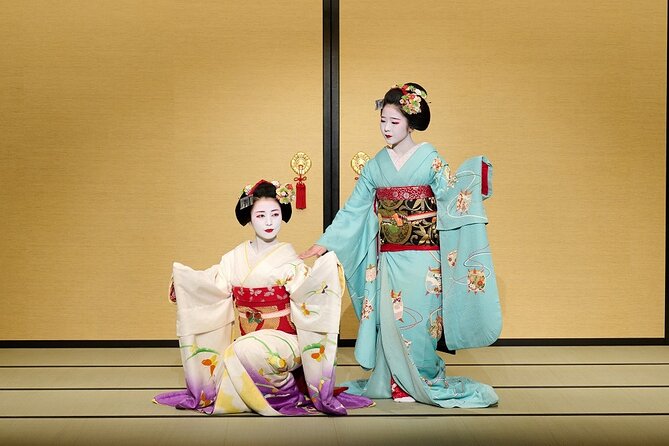
- Gion Corner performance with seasonal variety: bunraku or noh depending on the time of year
- Candlelit tea ceremony in a ryokan courtyard setting at Ryokan Yoshi-Ima
- Zen-style vegetarian dinner served after the tea ceremony, with dietary notes you should read
- Central Gion walking time along Hanamikoji and toward Gion Shimbashi’s preserved buildings
- Small group limit (up to 24) for a more manageable evening schedule
- Mobile ticket for easier entry once you’re at the venues
A Kyoto Evening With Lantern Light and Real Stagecraft
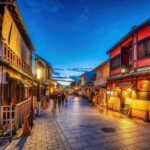
Kyoto at night has a different tempo. The streets feel quieter, the light feels warmer, and Gion looks almost staged even when it isn’t. This tour leans into that atmosphere, but it doesn’t stop at pretty scenery.
You’re getting two kinds of culture in one block of time: public performance at Gion Corner and ritual culture at Ryokan Yoshi-Ima. The guide stays with you through the experience, so you’re not just watching, you’re understanding what you’re seeing. The group size is also capped at 24, which helps the night feel organized instead of chaotic.
Still, the schedule is a real schedule. You’re starting at 5:05 pm, and the total duration is about 4 hours even though the listed itinerary time is shorter. In practice, that extra time is travel and waiting around for performance timing.
See how Kyoto shifts after dark

Gion Corner: Dance, Puppets, and Noh (Season Rules)
Your first stop is Gion Corner, with about 50 minutes on-site and admission included. This is one of the most accessible ways to experience classic Japanese performing arts in a single sitting. It’s also ideal if you want a guided “what is this, why it matters” introduction.
What you’ll see depends on the season:
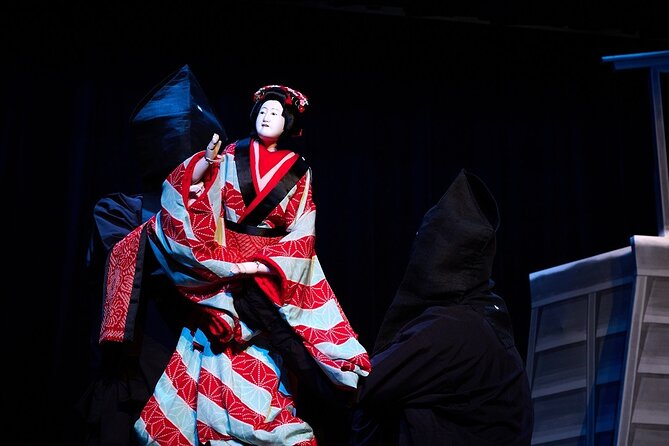
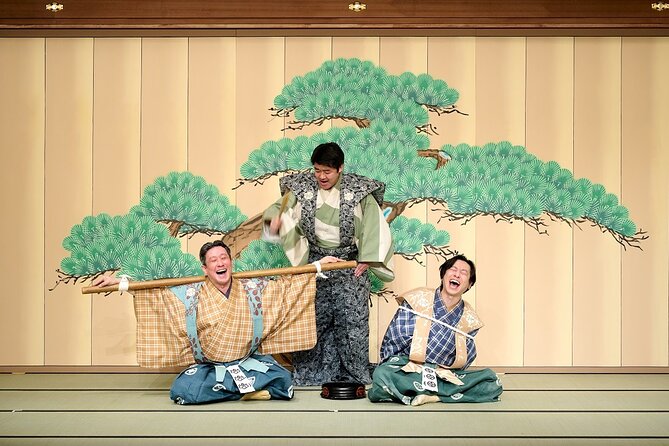
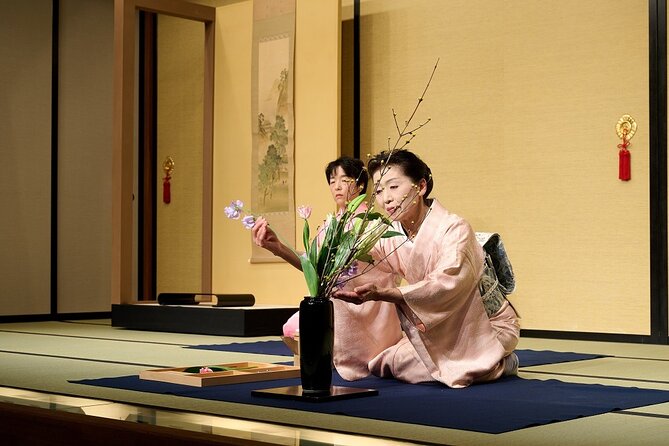
- Mar. 15 to Nov. 30: a traditional Kyoto dance, tea ceremony segment, flower arrangement, koto music, bugaku (court dance and music), kyogen (traditional comic theater), plus bunraku or noh (seasonal).
- Dec. 1 to Mar. 14: dance, tea ceremony, flower arrangement, koto music, bugaku, and kyogen. In winter, you also get a commemorative photo opportunity with a maiko.
Two useful things to know before you go. First, the show content can change, so don’t plan your expectations too rigidly around one exact lineup. Second, if you’re hoping to see bunraku or noh specifically, the season matters—bunraku or noh is only part of the performance window from Mar. 15 to Nov. 30.
This stop is where the tour earns its name. You’re not just passing by cultural landmarks—you’re sitting down for a curated sequence of arts.
Hanamikoji Street and Gion Shimbashi: Walking the Preserved Streets
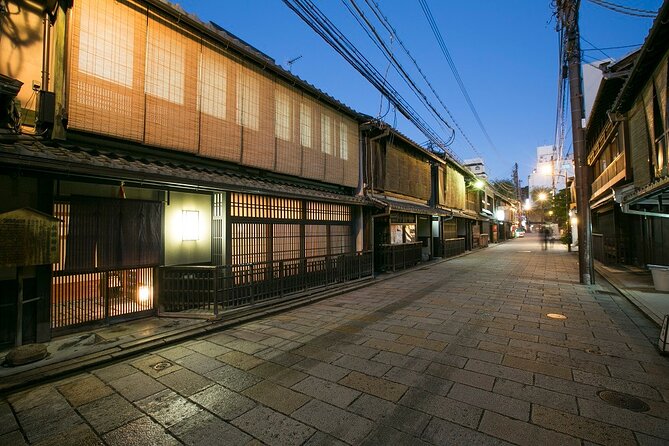
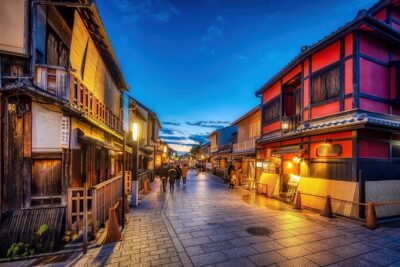
After Gion Corner, you shift from indoor performance energy to street-level Gion. The next portion is a walk (about 30 minutes) starting around Hanamikoji-dori and moving toward Gion Shimbashi, an Important Preservation District for Groups of Traditional Buildings.
This is a practical break from the seated show. You’ll get time to stretch your legs, take photos without feeling rushed, and experience the neighborhood’s evening vibe. Hanamikoji is lined with historic teahouses and restaurants, and in the evening light the whole area reads as “heritage district,” not just a tourist corridor.
What I like here is the pacing. You’re not walking for hours in the dark. It’s just enough time to connect the performance you saw in the morning’s version of Japanese culture to the place where the traditions live and survive.
If you’re the kind of traveler who enjoys texture—wood facades, lantern-lit corners, and quiet side streets—this walk is a strong payoff.
Ryokan Yoshi-Ima: Candlelit Tea in Kurenaitei
The emotional center of the tour is the tea ceremony at Ryokan Yoshi-Ima. You’ll spend about 1 hour 30 minutes total at this stop, with admission included.
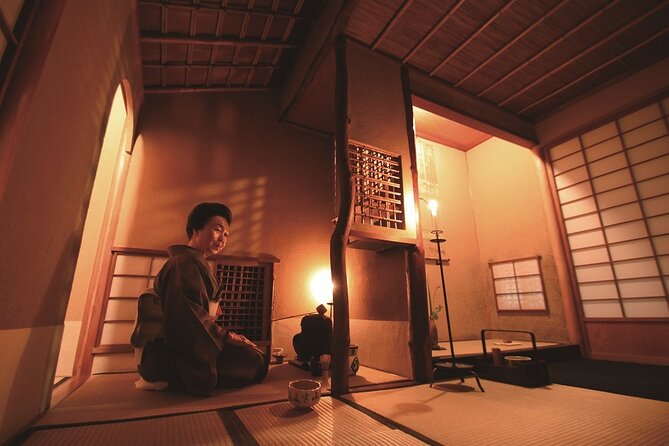
The tea ceremony is held in the tea room Kurenaitei, and it’s described as an exclusive private evening experience with candle light. This is not just a tea demonstration; it’s a ritual you’re participating in as part of the evening’s flow.
Here’s what this kind of stop does for your trip. At Gion Corner, the arts are presented for an audience. At the ryokan tea ceremony, the focus shifts to attention—the small movements, the pacing, and the atmosphere. It’s a different learning style, and it makes the night feel coherent rather than stitched together.
Also, because the tea room is within a ryokan setting in central Gion, it feels like you’re stepping into a real-world version of what you’ve been watching on stage.
Zen-Style Vegetarian Dinner: What You’ll Eat (and Dietary Notes)
After tea, dinner is served in a Zen-style format. This is a Buddhist vegetarian cuisine concept, and it’s included in the tour price.
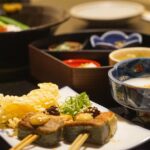
In your meal, you can expect ingredients and sides that reflect that simple-but-balanced approach, including miso soup and rice. There’s also a tempura component: the tempura ingredients are listed as tofu, namafu wheat gluten, yuba tofu skin, and seasonal vegetables such as eggplant, lotusroot, ginger, and shiitake mushrooms.
One important nuance: the description also notes that bonito stock is used in the tempura dipping sauce. That matters if you’re eating strictly vegetarian. The tour states they welcome vegetarian participants, but salt can be used instead of the tempura dipping sauce. So if your diet is strict, plan to let your guide know your preference during the meal setup.
Two more practical notes:
- Drink charges at dinner are not included, so budget extra if you plan to order something.
- Allergy-friendly, Muslim-friendly, and Indian thali meal requests are not accepted. If you have any serious dietary restrictions, this is worth treating as a hard stop.
The dinner is where the tour becomes more than entertainment. It’s a calm, seated ending that ties the evening back to Buddhist culinary traditions.
Other Kyoto tours and experiences to compare


Price and Timing: Is $175.60 Good Value?
At $175.60 per person, this isn’t a budget night out. You’re paying for a package: admission to Gion Corner, a private candlelit tea ceremony, and an included Japanese-style Zen vegetarian dinner, plus a licensed English guide interpreter fee.
So the value question isn’t just about ticket prices. It’s about how much coordination you’d otherwise need:
- Getting yourself into Gion Corner at the right time
- Timing a tea ceremony in a specific ryokan setting
- Keeping the whole evening under control without wasting time between venues
- Having context so the arts and rituals make sense while you watch
The tour also caps group size at 24. That matters because a cultural performance plus a seated dinner can get crowded fast in bigger groups.
Timing-wise, your start is 5:05 pm, and the total experience is about 4 hours. Since the itinerary list totals less than that, the extra time is there for transit and waiting for performance seating. In other words: you should plan your evening around this start time, not treat it as something you can tack onto after dinner plans.
Small-Group Logistics: What to Expect Around the Meeting Point
Your tour starts at Good Nature Hotel Kyoto (600-8022 Kyoto, Shimogyo Ward, Inarichō, 2丁目318番6) and ends after dinner at Ryokan Yoshi-Ima (229 Nishinochō, Higashiyama Ward, Kyoto, 605-0088).
Most importantly, expect some real-world travel time in the schedule. One piece of feedback pointed to a situation where the guide met guests at a location farther from the first venue, and a taxi ride across town during rush hour added stress. The provider has said they plan to switch from taxi to walking from the first stop beginning December 2024, which should make the early part smoother.
So what should you do? Don’t show up thinking the entire schedule is “right at” your meeting location. Arrive early, follow your guide’s instructions for the first transition, and keep your evening flexible.
Who This Tour Fits Best (and Who Should Skip It)
I think this works best for you if:
- You want a structured Kyoto night with minimal planning
- You care about understanding what you’re watching at Gion Corner
- You like a mix of performance art and ritual experiences
- You can eat Buddhist vegetarian cuisine and can handle the dipping sauce note (salt option)
You may want to skip or rethink it if:
- You have allergy needs or strict dietary requirements beyond what’s described, since allergy-friendly meal requests aren’t accepted
- You’re traveling with kids under the allowed age range (children 0–6 may not participate)
- You hate schedule constraints, because the evening includes waiting time and guided transitions
If you’re the type who enjoys neat cultural packaging without feeling like it’s a factory line, this is a strong fit.
Quick Reality Check: What You’ll Actually Walk Away With
By the end of the evening, you’ll have a clear sense of how several Japanese traditions connect:
- Performing arts in a theater-style format at Gion Corner
- Tea as ritual and attention in a ryokan tea room
- Food as part of belief systems and everyday discipline, expressed through a Zen-style vegetarian dinner
It’s not just “see Kyoto.” It’s a guided, time-efficient way to experience how culture is performed, presented, and practiced in the same neighborhood.
Should You Book This Kyoto Traditional Culture Night Tour?
I’d book it if you want one Kyoto evening that combines Gion Corner, a candlelit tea ceremony at a central ryokan, and dinner—without piecing it together yourself. The guide component and included admissions make the package feel fair, even at a premium price.
I’d think twice if your schedule is fragile or if your dietary needs are very specific beyond the stated vegetarian and bonito-dipping-sauce note. Also, if you’re sensitive to meeting logistics, arrive early and stay flexible for the first transition.
If you want a memorable night in Kyoto with meaning in every stop, this one delivers.
FAQ
What time does the tour start?
The start time is 5:05 pm.
How long is the experience?
The tour is approximately 4 hours total.
Is the ticket mobile?
Yes, you get a mobile ticket.
What’s included in the price?
Admission fees, a Japanese-style dinner, and the National Government Licensed English Guide interpreter fee are included.
What is not included?
Dinner drinks are not included.
Is the dinner vegetarian?
The dinner is described as Buddhist vegetarian cuisine. However, bonito stock is used in the tempura dipping sauce, and salt can be used instead of the tempura dipping sauce. The tour also notes requests for allergy-friendly meals are not accepted.
What performances are shown at Gion Corner?
It changes by season. From Mar. 15 to Nov. 30, you may see kyogen, bugaku, koto music, flower arrangement, tea ceremony, a Kyoto dance, and bunraku or noh (depending on the season). From Dec. 1 to Mar. 14, the program includes dance, tea ceremony, flower arrangement, koto music, bugaku, kyogen, and a commemorative photo opportunity with a maiko in winter.
More Tours in Kyoto



More Tour Reviews in Kyoto


More of Kyoto After Dark
Just added: more Kyoto tours to browse








Kyoto Night Tours, compared.
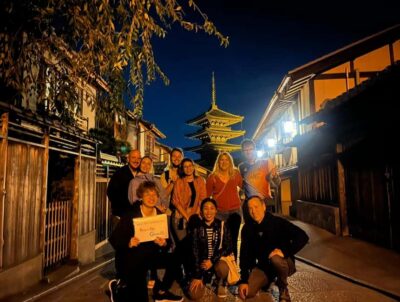 ★ 4.9Gion Magical Night Walking Tour with Geisha TriviaFrom $242,393 reviews
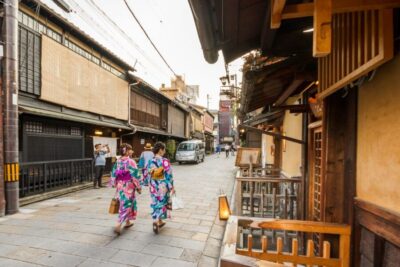 ★ 4.5Night Walk in Gion: Kyoto’s Geisha DistrictFrom $212,003 reviews
 ★ 5.0Kyoto Gion Night Walk & Geisha District Guided TourFrom $18786 reviews
 ★ 5.0Kyoto Ghost Tour: Dark Tales, Urban Legends, Bamboo Forest NightFrom $43625 reviews
 ★ 5.0Kyoto Bar Hopping Night TourFrom $105613 reviews
 ★ 5.0Kyoto Foodie Night TourFrom $102376 reviews
 ★ 5.0Kyoto Fushimi-Inari Night Walking TourFrom $43320 reviews
★ 4.8Kyoto Fushimi-Inari Night Walking TourFrom $41171 reviews
★ 5.0Kyoto Fushimi-Inari Night Walking TourFrom $43320 reviews
★ 4.8Kyoto Fushimi-Inari Night Walking TourFrom $41171 reviews
Browse the lists this tour appears in