
Reviewed · NISHIKI MARKET FOOD TOURS
Nishiki Market, Private Sushi class & Sake Tasting in Townhouse
Kyoto’s food scene starts here. I like that this experience pairs a Nishiki Market walk with a hands-on rolled sushi class in a preserved townhouse. You’ll also get a mini sake tasting and a recipe booklet to take home. One thing to consider: the whole run is a food-focused morning/afternoon, so if you hate seafood or don’t eat rice, you’ll want to confirm vegetarian/vegan needs ahead of time.
The private feel is real. Nishiki Market is busy, but your group gets guided attention, then you move into a quiet kyomachiya (traditional townhouse) setting just for your group. The one drawback for some people is that snacks aren’t included—so plan to treat this as your main meal time.
In This Review
- Key Highlights You’ll Feel Right Away
- Nishiki Market Stroll: Kyoto’s Kitchen, What to Look For
- What you should pay attention to while walking
- A quick consideration
- Nishiki Shrine Break: Lantern Alleys and a Breather From Food Noise
- Kyomachiya Cooking in a Private Townhouse: Where the Class Feels Real
- What a kyomachiya setting adds to your cooking
- Rolled Sushi Workshop: Making Sushi You’d Actually Eat Again
- What you’ll make, besides sushi
- Why miso soup with dashi matters
- Mini Sake Tasting: Learning the Culture, Not Just Drinking
- What’s Included: Lunch, Dessert, and the Recipe Booklet
- What’s not included
- Value for Your Money: What $121.84 Really Covers
- Timing, Meet-Up, and Getting There Without Stress
- Where you start and where you finish
- Booking lead time
- Vegan or vegetarian?
- Who Should Book This and Who Might Skip It
- Should You Book This Nishiki Market, Sushi, and Sake Class?
- FAQ
- Is this tour private?
- How long does the experience last?
- Where does the tour meet, and how do I get back afterward?
- Is the class offered in English?
- Do you have vegetarian or vegan options?
- Can I get a full refund if I cancel?
Key Highlights You’ll Feel Right Away
- Nishiki Market, Kyoto’s “kitchen” district: a 400-year-old shopping street with over 100 shops and restaurants, plus guided tastings.
- Kyomachiya cooking setting: a restored traditional townhouse reserved exclusively for your group.
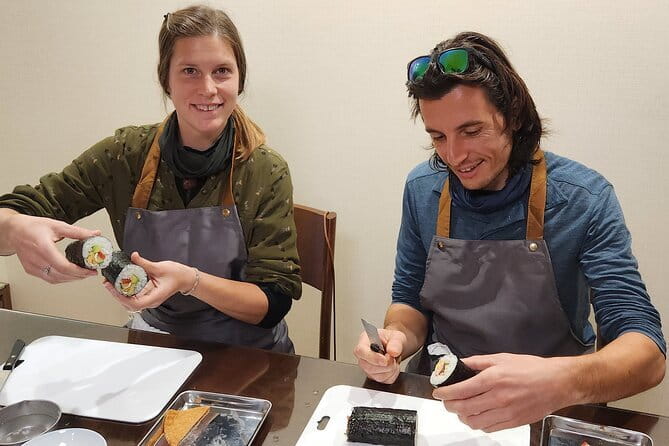
- Rolled sushi workshop: hands-on guidance for making your own sushi rolls, even if it’s your first time.
- Miso soup from scratch with dashi: learn the basics while you cook, not just watch.
- Mini sake tasting: learn about sake culture as part of the townhouse experience.
- Recipe booklet + included dessert: enough structure to recreate the flavors later.
Nishiki Market Stroll: Kyoto’s Kitchen, What to Look For
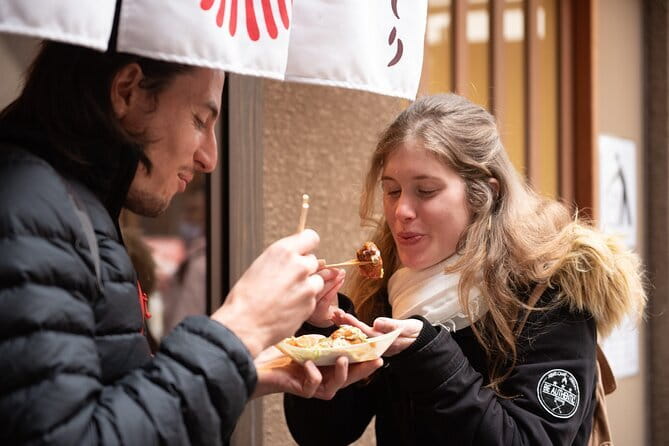
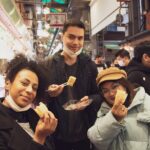
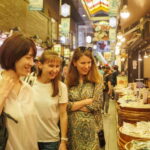
This tour starts in Nishiki Market, the long-standing food corridor locals rely on. Think: a compact, walkable stretch where you can smell the sea, see drying racks, and spot vendors working right in front of you. The market is described as a 5-block shopping district with more than 100 shops and restaurants. That matters because you’re not just passing stalls—you’re sampling along the way with a guide who knows where to stop and what to notice.
I like that the walk is guided, not generic. Your host is there to share context: what makes Kyoto’s food style different, how seasonal ingredients show up in small ways, and why certain items are considered essential. You also get the chance to taste “seasonal treats” while learning what you’re eating. That’s one of the biggest practical benefits of a guided market stroll: you’re not stuck guessing at things with unfamiliar names.
Follow the sake trail through Fushimi and beyond
What you should pay attention to while walking
When you’re in Nishiki Market, look for patterns:
- Fresh seafood displays and the way tuna and other fish are presented
- Pickles and dried goods in the side stalls
- Seasonal vegetables and ingredients that feel like they belong to a particular month, not the whole year
The guide also helps you connect those ingredients to Kyoto’s flavor profile. That’s a fancy way of saying you’ll leave with better “why” for what you’re tasting, not just a full stomach.
A quick consideration
Nishiki is active. It’s narrow in places, and there are lots of people moving in both directions. If you’re sensitive to crowds, the timing and pacing of a guided group helps—but you should still expect some hustle around the busiest stalls.
Nishiki Shrine Break: Lantern Alleys and a Breather From Food Noise
After the market section, you head toward Nishiki Shrine, tucked away behind the lantern-lit alleyways. This is the part I really like because it slows things down. The market gives you sensory overload—fish, spices, sauces, hands reaching for samples. The shrine area adds space to think and reset your rhythm.
It’s also a good cultural contrast. You see Kyoto’s food world first, then you slip into a quieter pocket connected to the same neighborhood energy. Even if you’re not a shrine “collector,” this stop is useful because it helps your brain separate shopping and eating from understanding place.
You don’t need to turn this into a long sightseeing detour. The value here is brief but purposeful: a small moment of calm before cooking in the townhouse.
Kyomachiya Cooking in a Private Townhouse: Where the Class Feels Real
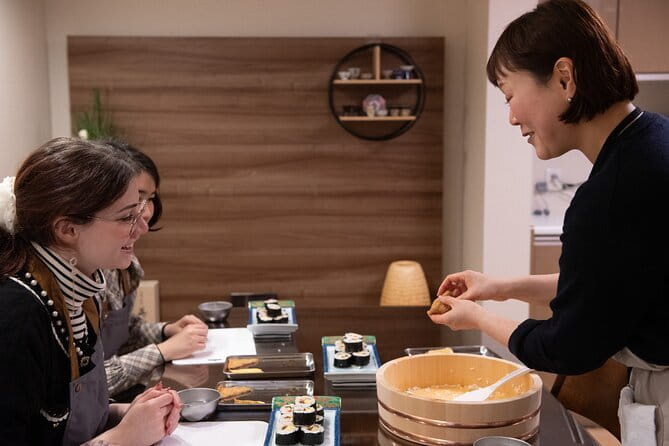
Next, you step into a preserved kyomachiya—an older-style Kyoto townhouse setting. This part is key for two reasons.
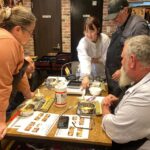
First, the townhouse is reserved exclusively for your group. That changes the vibe. You’re not squeezed into a crowded room with strangers shifting seats around you. Second, the setting makes the cooking feel like something tied to local life, not just an activity you buy.
This is hosted through a provider named ホプテラス. The guides are the kind of people who explain things clearly and keep things organized. One review specifically praised very private, attentive guide work and said the history plus recommendations made a difference even for someone living in Japan.
Graze a little further along Nishiki Market
What a kyomachiya setting adds to your cooking
A townhouse kitchen has a different atmosphere from a modern classroom:
- You’ll likely feel the “hands-on” teaching more clearly
- There’s a sense of old Kyoto order—space for each station, a calmer rhythm
- It makes the sake tasting feel like part of a cultural pause, not just a pour-and-go moment
Rolled Sushi Workshop: Making Sushi You’d Actually Eat Again
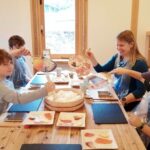
The highlight is the hands-on sushi workshop. You’ll roll sushi with guidance from a local instructor using fresh ingredients. Even if it’s your first time, this class is designed so you can follow step by step and finish something you’re proud of.
One review mentioned it was a family experience and that learning to roll was a strong point. Another praised the challenge of learning for the first time without much help once the basics were explained. That’s encouraging, because it suggests the instructor doesn’t just “do it for you.” They teach, then let you do.
What you’ll make, besides sushi
The cooking session also includes:
- Homemade miso soup from scratch (including dashi)
- Seasonal Japanese side dishes
- A simple Japanese-style dessert to finish
That lineup is valuable because sushi alone can be a little narrow. When you also make miso soup and side dishes, you get a fuller sense of a typical Japanese meal structure. Plus, reviews specifically called out soup and sushi learning together, and also mentioned egg and spinach omelet with sesame sauce as part of the experience—so you may see dishes along those lines depending on season and what the kitchen prepares.
Why miso soup with dashi matters
Many cooking classes make miso soup using shortcuts. Here, you’re making it from scratch with dashi. That helps you understand the core flavor foundation. Even if you don’t cook often, learning the “how” of dashi-based soup gives you a repeatable skill.
Mini Sake Tasting: Learning the Culture, Not Just Drinking
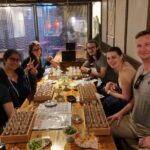
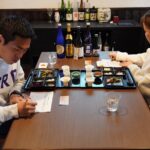
In the townhouse, you also get a mini sake tasting. The experience frames it as part of Japan’s sake culture, with guidance that helps you understand what you’re tasting. You’re also tasting as part of a meal sequence, not randomly.
Alcoholic beverages are included. So you’re not paying extra at the end to try sake. From a value standpoint, that’s a plus.
One practical note: because sake tasting and cooking happen in the same session, pace yourself. You’ll be rolling sushi and handling ingredients, so treat the tasting like a guided introduction rather than a drinking contest.
What’s Included: Lunch, Dessert, and the Recipe Booklet
The package includes lunch and alcoholic beverages, plus a guide. You’ll also receive a recipe booklet. I love this detail because sushi classes can be frustrating after the fact. You leave with a full stomach but no clear path to recreate the results at home.
With a recipe booklet, you’re more likely to remember what you did and how it worked—especially for things like miso soup steps and sushi rolling proportions.
A simple Japanese-style dessert is included as well. It’s usually light and meant to close the meal, not overwhelm your palate after seafood and savory dishes.
What’s not included
Snacks aren’t included. If you snack lightly during the day, you’ll probably be fine. If you tend to get hungry between meals, consider eating a normal breakfast and letting this class be your main meal time.
Value for Your Money: What $121.84 Really Covers
At $121.84 per person, you might wonder if this is “just” a sushi class. It isn’t.
You’re paying for a package that combines:
- A guided Nishiki Market stroll in a food district that’s hard to navigate solo
- A cultural pause at Nishiki Shrine behind lantern-lit lanes
- A private kyomachiya space reserved for your group
- Hands-on rolled sushi training
- Miso soup from scratch with dashi
- Seasonal side dishes and included dessert
- A mini sake tasting
- A recipe booklet you can actually use later
So the price makes more sense when you treat it as a guided foodie experience that happens to include cooking. If you were to do these pieces separately—market tour, cooking class, and sake tasting—you’d likely pay more and spend more time coordinating.
Also, it’s offered in English, which can add value if you want explanations without getting lost in translation. Reviews also praised very attentive guides and the way they tailor the session to the group.
Timing, Meet-Up, and Getting There Without Stress
The total duration is about 2 to 3 hours. That’s a sweet spot in Kyoto. It’s long enough to feel like an experience, but short enough that you can still enjoy the rest of your day afterward.
Where you start and where you finish
You start at 79 Nishiuoyachō, 下京区 Kyoto, 京都府 Kyoto 604-8142, Japan. The end point is 96-13 Asazumachō, Shimogyo Ward, Kyoto, 600-8407, Japan. The endpoint is about a 5-minute walk from Gojo Subway Station, which is helpful for planning your next stop or getting back to your hotel.
Booking lead time
On average, this tends to get booked around 98 days in advance. If you’re traveling in peak season or have a tight schedule, booking earlier gives you more options.
Vegan or vegetarian?
Vegetarian and vegan options are available with advance notice. Don’t wait until the morning-of; message early so the kitchen can plan ingredients and substitutions correctly.
Who Should Book This and Who Might Skip It
I think this is a great fit if you:
- Want a Kyoto food experience that mixes street-level tasting with real cooking
- Like learning explanations while you eat, not just collecting photos
- Want a private group setting in a traditional townhouse
- Are comfortable with the idea of making your own meal (sushi rolling included)
You might consider another option if:
- You want a pure sightseeing-focused tour with minimal cooking
- You dislike the idea of hands-on prep and would rather watch passively
- You’re very strict about dietary needs and haven’t arranged accommodations in advance
The reviews also suggest the guides are attentive and the experience is well organized, even for people trying sushi for the first time.
Should You Book This Nishiki Market, Sushi, and Sake Class?
If your goal is a Kyoto experience you can remember—and repeat—you should strongly consider booking. The best reason is the combination: market education, townhouse cooking, miso soup with dashi, rolled sushi you make yourself, plus a mini sake tasting. That’s not a one-note class.
I’d book it if you want both food and technique. I’d also book it if you like the idea of a private group and a calmer kyomachiya setting rather than a crowded cooking room.
Only pass if you’re mainly looking for sightseeing thrills, or if you can’t commit to a food-focused schedule and hands-on cooking.
FAQ
Is this tour private?
Yes. It’s a private tour/activity, meaning only your group participates.
How long does the experience last?
It runs about 2 to 3 hours.
Where does the tour meet, and how do I get back afterward?
You start at 79 Nishiuoyachō in Shimogyo Ward. The endpoint is 96-13 Asazumachō, and it’s about a 5-minute walk from Gojo Subway Station.
Is the class offered in English?
Yes, it’s offered in English.
Do you have vegetarian or vegan options?
Yes. Vegetarian and vegan options are available with advance notice.
Can I get a full refund if I cancel?
Yes, free cancellation is available. You can cancel up to 24 hours in advance for a full refund.
More Kyoto Cooking Classes

More Bites Along Nishiki
The Fushimi Sake Trail, Continued

Just added: more Kyoto tours to browse








Nishiki Market Food Tours, compared.
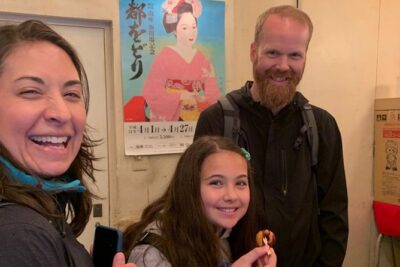 ★ 5.0Nishiki Market Brunch Walking Tour (7 Tastings + Brunch)From $681,355 reviews
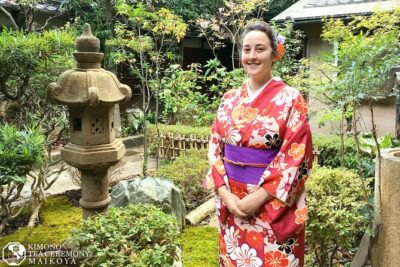 ★ 5.0Kimono Tea Ceremony at Kyoto Maikoya, NISHIKIFrom $65911 reviews
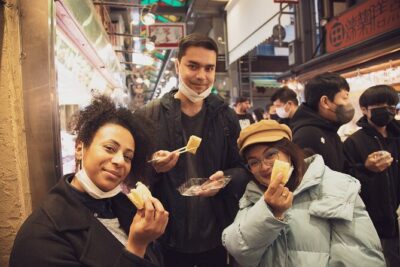 ★ 5.0Kyoto Nishiki Market Food and Culture Walking TourFrom $80412 reviews
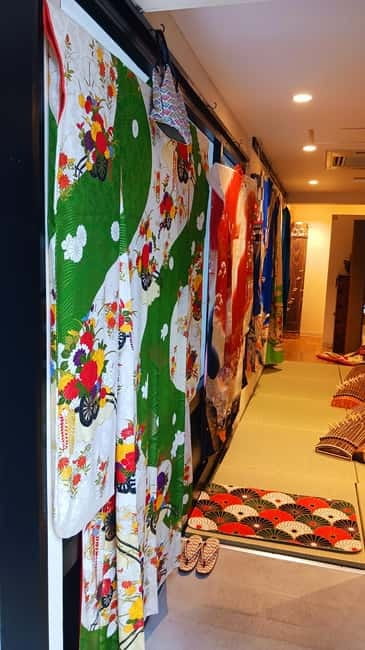 ★ 4.8Nishiki Market Tea Ceremony with Koto PerformanceFrom $56294 reviews
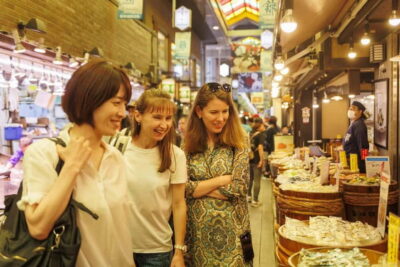 ★ 4.7Local Food Tasting Tour at the Nishiki MarketFrom $78135 reviews
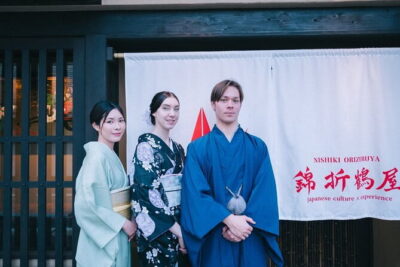 ★ 5.0Kimono Tea Ceremony Experience at Kyoto Oritzuruya, NishikiFrom $50116 reviews
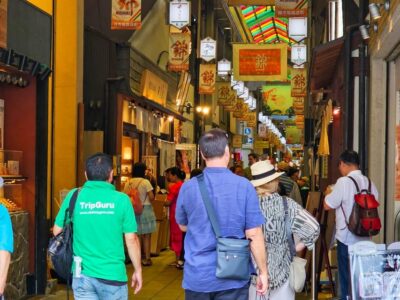 ★ 4.7Nishiki Market and Depachika Food Tour with a LocalFrom $4276 reviews
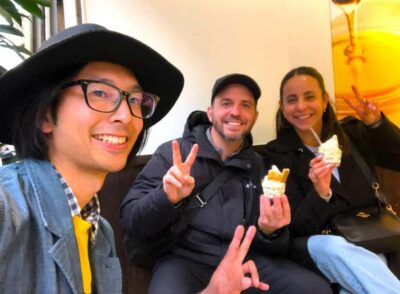 ★ 4.5Nishiki Market Tour with a Local Foodie & TastingsFrom $6767 reviews