
Reviewed · TOURS
KYOTO: Tour guidato tra i tesori della città (in italiano)
Kyoto can feel huge. This half-day route keeps it focused, with a native Kyoto guide who answers your questions and connects sites to daily life. I particularly like the way the itinerary mixes nature and temples, so you don’t just bounce between big landmarks.
What I love most is the Italian-speaking guidance that explains what you’re looking at, not just where to stand for photos. You also get a clear sense of how the historical capital shaped modern Kyoto.
One thing to consider: it moves by train, bus, metro, and walking in a short window, so it’s not a slow, lounge-at-your-own-pace outing.
In This Review
- Key highlights at a glance
- Why This Half-Day Kyoto Plan Works
- Meeting At Kyoto Station: Find the North Entrance Spot
- Sagano Bamboo Forest: Slow Walks Before the Big Temples
- Kinkaku-ji Golden Pavilion: What You Learn as You Look
- Getting Back to the Core: The Logistics That Keep You Comfortable
- Kyoto Station Break: A Real Reset, Not Just a Pause
- Kiyomizu-dera and the Old Streets: A Kyoto Feeling You Can Walk
- Gion, Geiko and Maiko Culture, and Kyōto Minami-za
- Pontocho Finish: Freedom to Keep Going (or Not)
- Price and Value: When $153 Makes Sense
- Who This Tour Fits Best
- Should You Book This Tour or Skip It?
- FAQ
- Where does the tour start?
- Where is the tour guide language?
- How long is the tour?
- Which sights are included?
- Where does the tour end?
- What’s included in the price?
- Can I leave the tour early?
- Is the tour wheelchair accessible?
- What is the cancellation policy?
- Can I reserve and pay later?
Key highlights at a glance
- A native Kyoto perspective in Italian, with time for your questions
- Kinkaku-ji + Sagano Bamboo Forest in the same morning
- Kiyomizu-dera and the old streets (Sannenzaka, Ninenzaka)
- Gion area walk with context about maiko and geiko work life
- Ends in Pontocho, and you’re free to leave halfway if you want
Why This Half-Day Kyoto Plan Works
This tour is designed around a simple idea: Kyoto feels less overwhelming when someone organizes the logic for you. You get a morning loop through the northwestern side of the city, then slide into the historic temple and old-street areas, finishing in the lively lanes of Pontocho.
I like that it’s half a day but still covers variety. You’ll see the city’s natural “breathing space” in Sagano, then shift to two of the most famous temple experiences in Kyoto: Kinkaku-ji and Kiyomizu-dera.
The best part for me is the guide’s role. This isn’t just a list of stops. The itinerary is paired with explanations about history and daily life, including how preserved neighborhoods shaped life for aristocrats and literati in the past and how samurai-class culture fits into the story.
Still mapping out your days? A few more Kyoto tours worth a look.


Meeting At Kyoto Station: Find the North Entrance Spot
The tour starts at Kyoto Station, North Entrance (Karasuma-guchi). Your meeting point is in the space between the two escalators in front of the taxi terminal (not bus), just to the east outside the central entrance to the north side of Kyoto Station.
If you like having an anchor, this one helps. From that meeting spot, you can see Kyoto Tower ahead of you—upper left from your position. You’ll also get an email the day before with detailed confirmation, so you’re not guessing once you’re on-site.
Practical tip: show up a little early. Kyoto Station is a maze, and you’ll want a calm moment to find the exact spot—especially if you’re managing bags or changing lines afterward.
Sagano Bamboo Forest: Slow Walks Before the Big Temples
Sagano Bamboo Forest is the kind of place that looks stunning from almost any angle, but the experience is stronger when you know what to notice. On this tour you’ll get a guided visit and walk in the Sagano area for about an hour.
I love how the bamboo segment acts like a reset. Before the crowds and iconic silhouettes of the major temples, you get a quieter-feeling experience—walking through a preserved environment that makes the city’s geography feel real.
A small drawback: bamboo forests can be busy at peak times, and the tour is timed with public transport. If you’re the type who hates stopping and starting, just accept that you’ll move in a managed rhythm for the group.
Kinkaku-ji Golden Pavilion: What You Learn as You Look
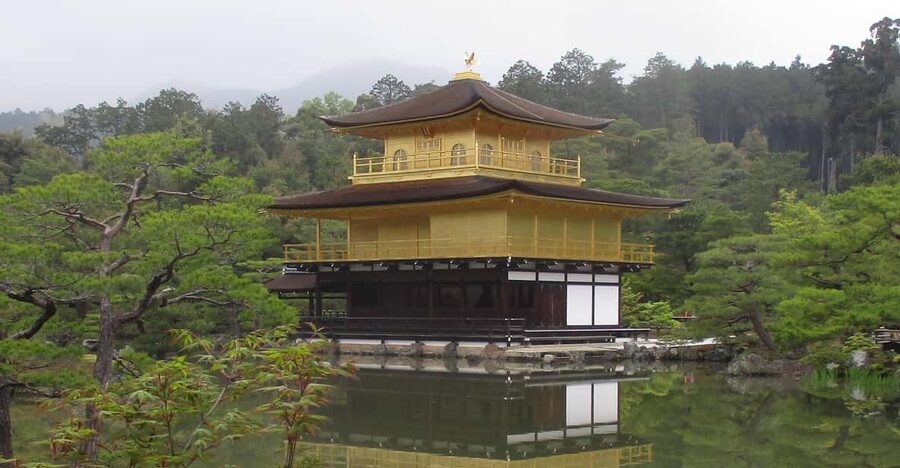
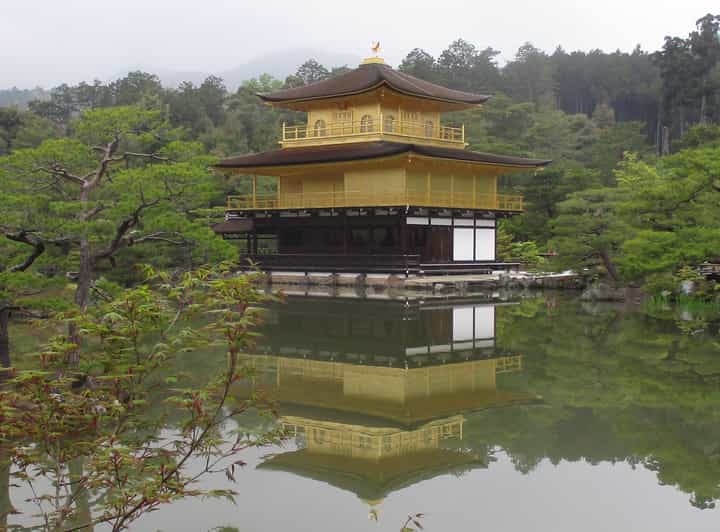
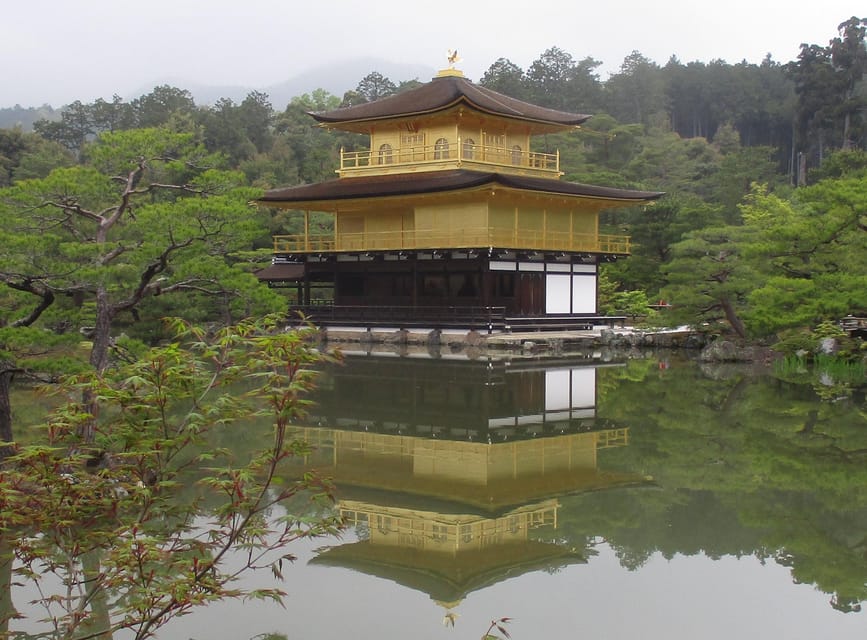
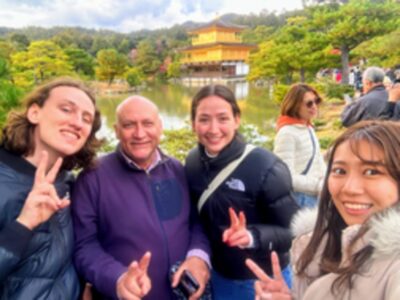
Next comes Kinkaku-ji, the Golden Pavilion. You’ll have about an hour here with guided sightseeing. This is one of Kyoto’s top visuals, but the value on this tour is how the guide helps you connect the image to context.
When you hear the story behind the historical capital—how it shaped elite lifestyles and how the culture of the past echoes in the preserved city—you start noticing details rather than only the surface wow factor. The guide is native to Kyoto and can answer questions about the place, the era, and the cultural meaning behind the preserved monuments.
This stop is also a good photo moment. Just remember: the guided time is tight. If you’re a slow photographer, you’ll still want to get the overview first, then decide if you want extra time for your own shots after the group moves on.
Getting Back to the Core: The Logistics That Keep You Comfortable
Between major sights, the tour uses trains, buses/coaches, and even the metro. You’ll see short transfer windows built into the schedule, including train segments and subway time, with a real break back at Kyoto Station.
Why this matters: Kyoto’s sights aren’t all in one compact pocket. A guided plan smooths the friction—especially when you’d otherwise be deciding which line goes where and how long you can realistically wait.
It also keeps your pacing practical. Instead of rushing from stop to stop by yourself, you ride, arrive, and then focus on the site itself.


Kyoto Station Break: A Real Reset, Not Just a Pause
After Kinkaku-ji, you return to Kyoto Station for a break of about one hour. This is more valuable than it sounds. A mid-tour reset helps you avoid the two common Kyoto problems: getting too tired before the temple streets and running out of time to eat.
Use this hour for basics—water, a snack, a quick restroom break, or a plain regroup moment. If you plan to continue exploring on your own after the tour ends in Pontocho, this is also the time to sanity-check your next steps.
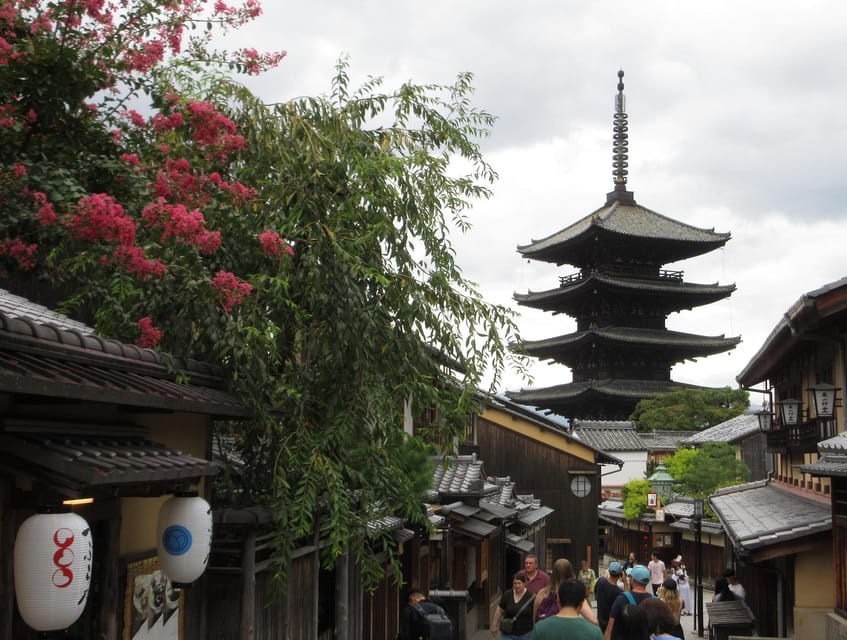
Kiyomizu-dera and the Old Streets: A Kyoto Feeling You Can Walk
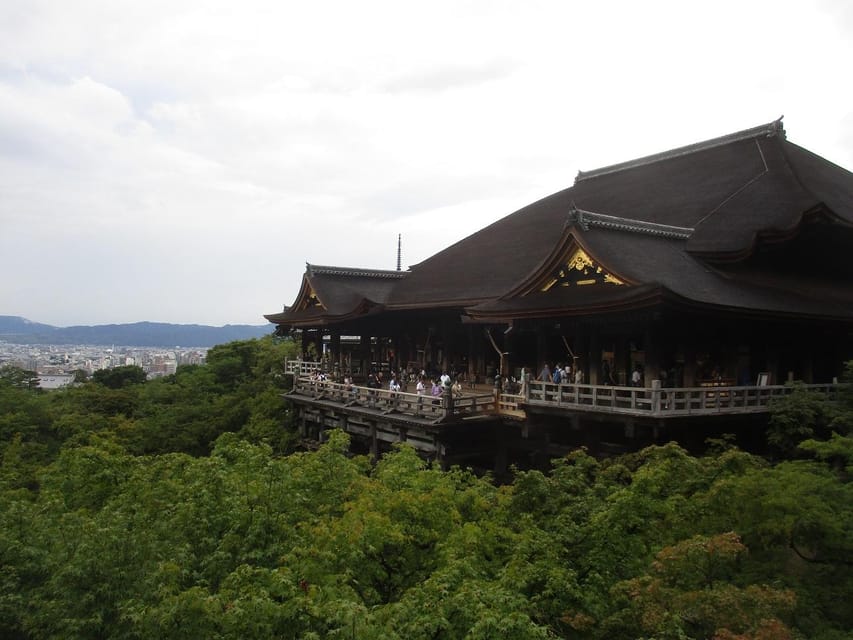
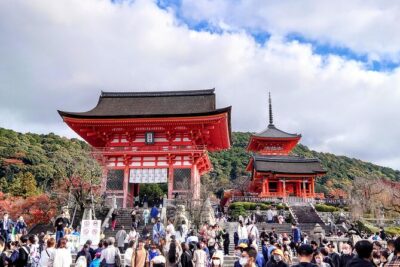
In the afternoon, the tour shifts into the Kiyomizu-dera area. You’ll spend about an hour at Kiyomizu-dera, then walk through the historic shopping streets: Sannenzaka and Ninenzaka.
This is where Kyoto turns from “sightseeing” into atmosphere. The stone paths and street layout slow you down naturally. You’ll move from stop to stop—guided for the temple experience, then walking through the old lanes to absorb how daily life once looked and how it’s reflected in the preserved environment.
Here’s what I find helpful: the guide doesn’t treat these streets as background. They’re part of the cultural story of how the city’s historical setting influenced elite life and public life. That way, the walk feels like more than moving between photo spots.
Two practical considerations:
- The streets include walking time, and you’ll be on foot for stretches between viewpoints.
- These areas can be crowded depending on the day, so expect that you’ll share the path and adjust your pace.
Gion, Geiko and Maiko Culture, and Kyōto Minami-za
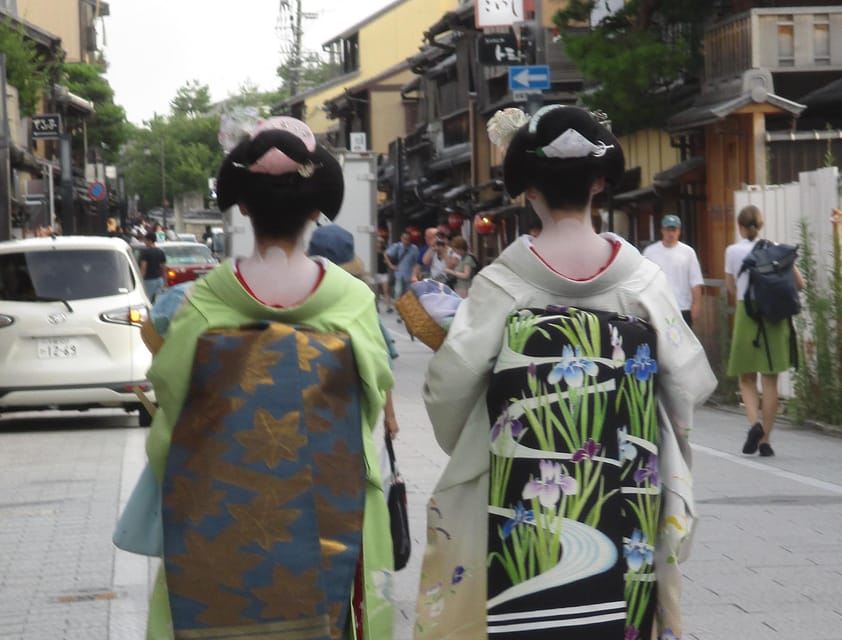
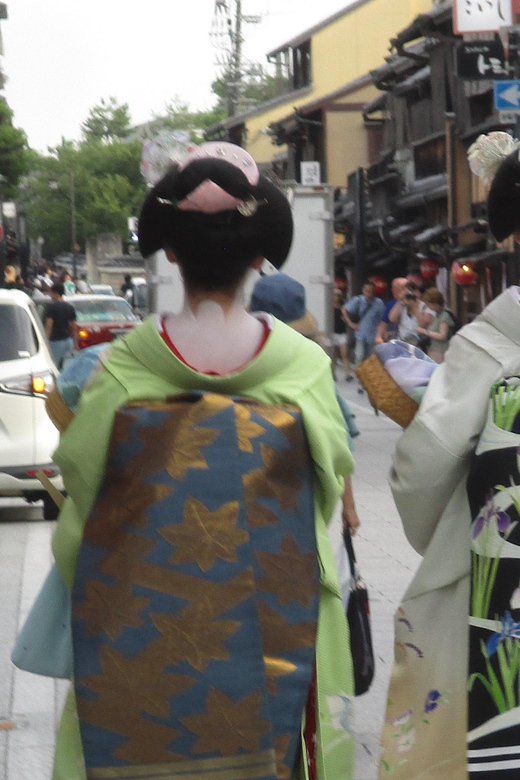
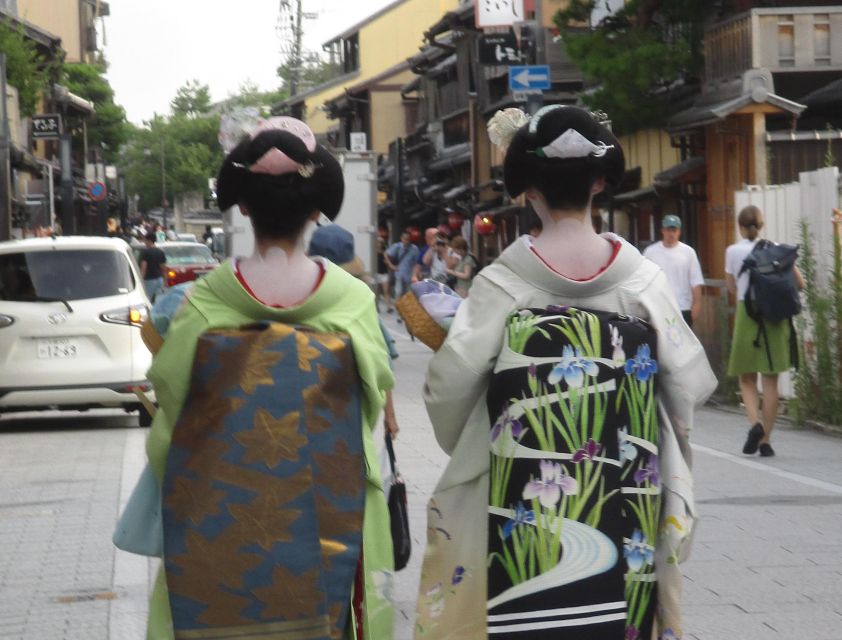
After the old streets, you head into Gion, where professional artists—often called maiko and geiko—work and live their public-facing craft. The tour time here is about 30 minutes for guided sightseeing.
I like this piece because it reframes Gion. Instead of only looking at elegant lanes and staged charm, you’re given cultural context about the artists’ workplace life. If you’ve ever wondered what you’re seeing when you see traditional attire and the rhythms of the area, this guide-style explanation is the difference between guessing and understanding.
You’ll also pass Kyōto Minami-za briefly, with guided sightseeing time included. Even with a short stop, it adds another layer: Kyoto isn’t only temples and gardens. It’s also performance culture.
Pontocho Finish: Freedom to Keep Going (or Not)
The tour ends in Pontocho, a classic riverside-street area known for its atmosphere and evening feel. Importantly, the tour doesn’t lock you into a full follow-through.
You’re free to leave halfway if you want to change plans. That flexibility is useful if you spot something you want to linger over, or if you’ve got a reservation for dinner or a nighttime activity.
If you stay: Pontocho is a great place to continue wandering without needing transit planning. If you leave early: you can still harvest the core highlights from a half-day plan, rather than committing to hours of travel afterward.
Price and Value: When $153 Makes Sense
At $153 per person for a half-day-style itinerary, you’re paying for three things: planning, language help, and logistics.
Here’s how that value adds up:
- Entrance fees are included for the monuments visited, so you’re not hunting down ticket windows mid-day.
- All transportation between stops is handled during the itinerary, which removes a lot of stress.
- The guide is Italian-speaking and native to Kyoto, and the approach is Q&A friendly, not just one-way narration.
Could you do it cheaper on your own? Sure—Kyoto is doable by public transit if you’re confident. But if you want to spend your time understanding what you’re seeing and not fighting schedules, the guide-led format often feels like good money.
For me, the best “value signal” is that the tour aims to connect each stop to history and daily life. That’s what prevents a sightseeing day from feeling like bullet points.
Who This Tour Fits Best
This is a strong fit if you:
- Want a guided Kyoto day where the guide answers your questions.
- Like mixing nature and culture, not only temple icons.
- Prefer an organized route that uses Kyoto Station as an easy anchor.
- Appreciate Italian narration and want the context in your language.
It may be less ideal if you:
- Hate any kind of group pacing, transfers, or scheduled sightseeing time.
- Want a long, slow exploration of just one neighborhood.
Should You Book This Tour or Skip It?
Book it if you’re aiming to see Kinkaku-ji, Sagano Bamboo Forest, Kiyomizu-dera, Sannenzaka/Ninenzaka, and Gion within one tight window, and you want the story behind each stop in Italian. The guide element is the main reason this feels worth doing: you’re not just collecting temples—you’re understanding how the city’s preserved environment connects to past elite life and the way people live now.
Skip it if your travel style is all about wandering freely and you already feel comfortable navigating Kyoto’s transit and site areas without guidance. In that case, you could build a self-guided route and spend the time you save on slower street wandering.
FAQ
Where does the tour start?
The meeting point is at Kyoto Station, North Entrance (Karasuma-guchi), in the space between two escalators in front of the taxi terminal, just to the east outside the central entrance to the north of Kyoto Station.
Where is the tour guide language?
The tour is accompanied by an Italian-speaking guide.
How long is the tour?
The itinerary lasts about half a day, and the activity is listed as 1 day in duration.
Which sights are included?
You’ll visit Sagano Bamboo Forest, Kinkaku-ji, Kiyomizu-dera, Sannenzaka, Ninenzaka, and the Gion-kobu area, with the tour ending in Pontocho.
Where does the tour end?
The finish point is Pontocho.
What’s included in the price?
All transportation and entrance fees to the monuments visited during the itinerary are included.
Can I leave the tour early?
Yes. The tour ends in Pontocho, but you are free to leave it halfway.
Is the tour wheelchair accessible?
Yes, the tour is wheelchair accessible.
What is the cancellation policy?
You can cancel up to 24 hours in advance for a full refund.
Can I reserve and pay later?
Yes. The offer includes reserve now & pay later, so you can book without paying immediately.
More Tours in Kyoto

More Tour Reviews in Kyoto
Just added: more Kyoto tours to browse








Tours, compared.
 ★ 5.0PERFECT KYOTO 1-Day Bus TourFrom $12913,518 reviews
 ★ 4.8Fushimi Inari, Kinkakuji, Bamboo Grove 1 Day Bus TourFrom $1224,316 reviews
 ★ 4.7Kyoto Geisha Walking Tour: Gion District & Hidden GemsFrom $253,273 reviews
 ★ 4.9Gion Magical Night Walking Tour with Geisha TriviaFrom $242,393 reviews
 ★ 4.7Gion Geisha District Walking Tour – Stories of GeishaFrom $202,187 reviews
 ★ 5.0Hidden Kyoto E-Biking tourFrom $1161,843 reviews
 ★ 5.0Kyoto Night Foodie Tour in Gion (9+ dishes + 6 Sake tastings)From $1631,762 reviews
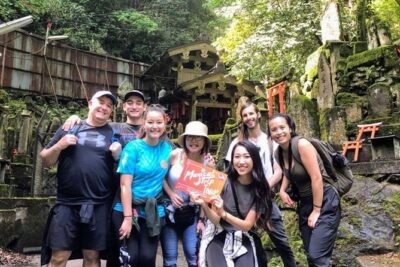 ★ 5.0Fushimi Inari Hidden Hiking Tour (Private Option Available)From $631,750 reviews