
Reviewed · KYOTO FOOD TOURS
KYOTO Sake Tasting Tour at Local Breweries(tasting fee included)
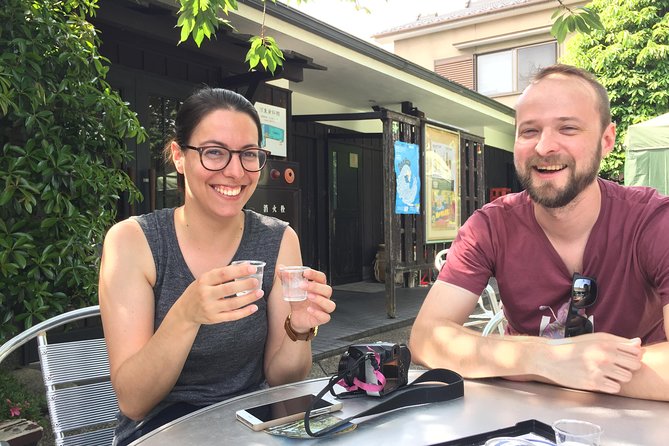
Kyoto sake tastes better with a guide. I love the small-group feel and the way the tour ties flavor to Kyoto’s soft water, then lets you test that idea with real sips near Fushimi Inari. The tasting fee is included, so you’re not stuck hunting down extra charges while you’re trying different styles. One possible drawback: it’s built around lots of alcohol tasting in a tight 3-hour window, so go in with the mindset to sample, not just casually sip.
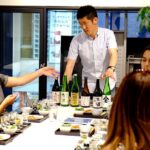
This afternoon tour blends a little learning with calm breaks, including a stop by a garden and another pause in a food-court setting. You’ll sip 30+ types of sake while moving between breweries and shops, and you’ll do it at a place Kyoto is proud of—Fushimi Inari Shrine. If you’re worried about rain, it helps that the experience can shift to inside options when possible, though it does require good weather overall.
In This Review
- Key Highlights You’ll Actually Care About
- Why Kyoto’s Soft Water and Fushimi Inari Change the Sake Game
- Price and What $104.51 Buys You (Tasting Fee Included)
- The 3-Hour Flow: Station Start, Brewery Stops, and a Calm Pace
- A Sake Museum Stop: Learning to Read What You Taste
- Three Brewery Visits and a Sake Bar: Trying 30+ Styles Without Getting Lost
- The Garden and Food-Court Stops: Why Breaks Matter for Taste
- Near Fushimi Inari: The Afternoon Setting That Makes Sake Feel Local
- Your Guide Makes the Difference: Seigo, Shinobu, TaM, and Aya
- Rain, Heat, and the Tour’s Real-World Pace
- How to Taste Smarter (So You Actually Leave With Favorites)
- Who This Kyoto Sake Tour Is Perfect For (and Who Should Rethink It)
- Should You Book? My Practical Take
- FAQ
- How long is the Kyoto sake tasting tour?
- Where does the tour start?
- What’s the maximum group size?
- What is included in the price?
- Is extra food included?
- How many types of sake can I try?
- What’s the minimum drinking age?
- Where in Kyoto does the tasting take place?
- What happens if the weather is poor?
- Can I get a full refund if I cancel?
Key Highlights You’ll Actually Care About
- Soft-water story that explains flavor, not just random facts about fermentation
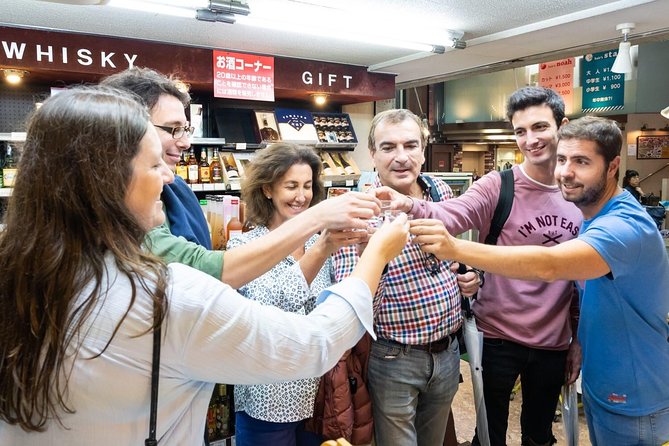
- A small group (max 6) that makes it easier to ask questions and compare tastes
- Museum + brewery + store stops, so you see multiple sides of sake production
- Garden and food-court pauses that keep the tasting from feeling nonstop
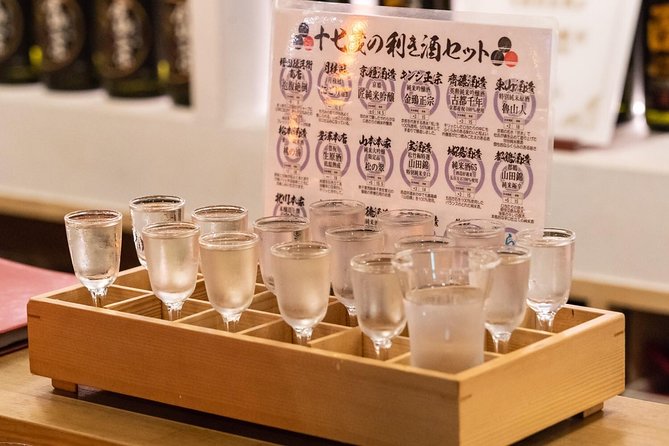
- 30+ sake types available, so you’re likely to find new favorites
Why Kyoto’s Soft Water and Fushimi Inari Change the Sake Game
Kyoto’s soft water matters because it nudges how sake tastes on your tongue. The tour doesn’t treat this like trivia—it uses it to help you connect what you’re drinking with what’s happening behind the scenes. That’s useful because sake can taste surprisingly different even when the labels look similar.
Then you’re sipping in the Fushimi Inari area, one of Kyoto’s most famous sake zones. The tour’s focus on this neighborhood gives the tasting context: it’s not just “try sake anywhere,” it’s “try sake where the trade has long been important.” That makes the whole afternoon feel more grounded.
Follow the sake trail through Fushimi and beyond
Price and What $104.51 Buys You (Tasting Fee Included)
At $104.51 per person for about 3 hours, this isn’t a bargain-price snack tour. It also isn’t an expensive “tour only” experience either, because the tasting fee is included and the tour covers alcoholic beverages as part of the activity.
From a value perspective, the big win is that you’re paying for a structured tasting route plus guidance, not just buying a few drinks. You also get admission-related access through the stops, and the tour includes a local guide plus culture and history as part of what you’re paying for.
The one thing to plan for: extra food and additional drinks are not included. So if you want a real meal (or you tend to get hungry while drinking), budget for that separately.
The 3-Hour Flow: Station Start, Brewery Stops, and a Calm Pace
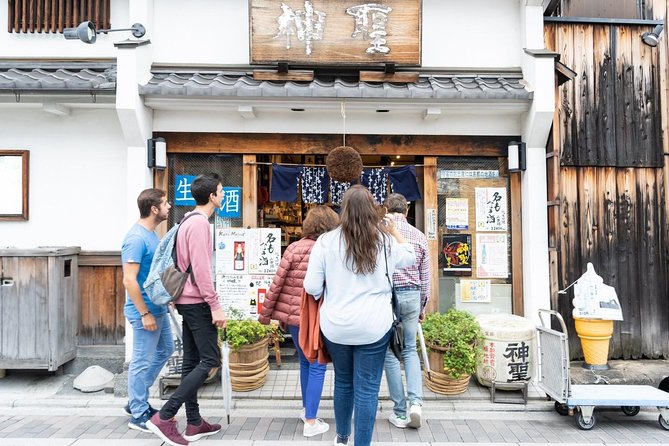
You start at Momoyamagoryo-Mae Station (Fushimi Ward) and the tour kicks off at 1:00 pm. The meeting point being near public transportation is a big deal in Kyoto, because it keeps you from wasting time and energy getting there.
The group stays small—up to 6 people—which affects the pacing. With fewer people, you get more back-and-forth about flavors and brewing choices, instead of listening to a lecture while waiting for your turn to taste. That also makes the afternoon feel more like a shared food-and-drink lesson than a rigid checklist.
Physically, expect a moderate walking day with frequent stops. You’ll be moving around, then sitting to sip and compare. If you have moderate mobility, it should be manageable, but wear comfortable shoes.
A Sake Museum Stop: Learning to Read What You Taste
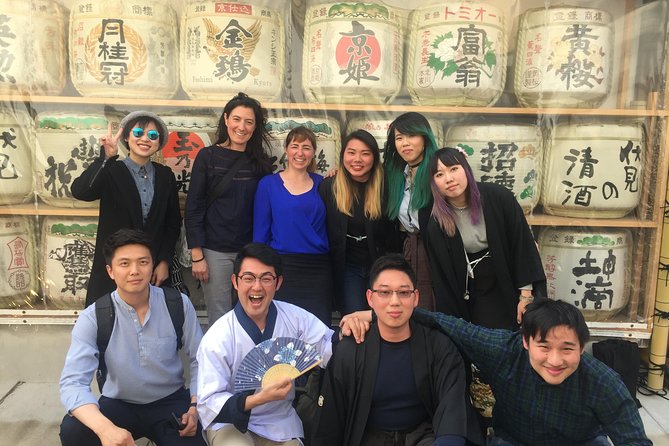
One of the stops is a sake museum where you’ll learn how sake is made and why it tastes the way it does. The tour’s focus isn’t just history on a wall—it’s tying production choices to flavor.
You’ll also learn about sake grades. That matters because grades help explain differences in how refined the rice is and what that can mean for the final style. Even if you don’t memorize every term, you’ll start tasting with a framework.
This is the part of the tour where you’ll benefit most from slowing down. Take a moment between sips and ask yourself what changed: aroma, sweetness, acidity, or how clean the finish feels. That’s where the museum info actually becomes practical.
Three Brewery Visits and a Sake Bar: Trying 30+ Styles Without Getting Lost
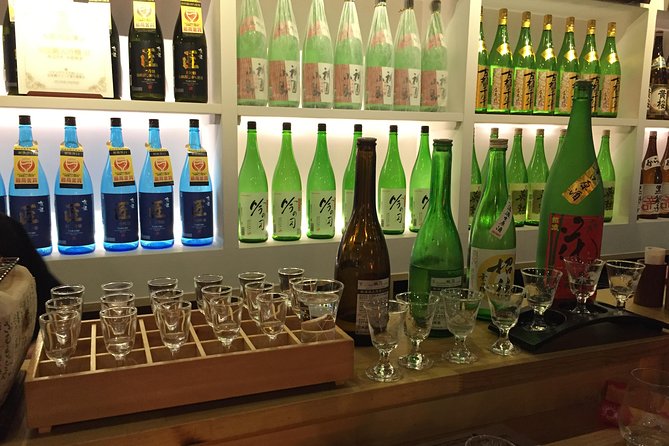
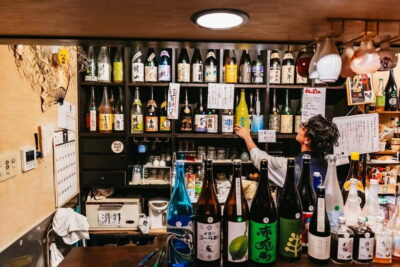
After the museum, the tour moves into the heart of the neighborhood’s drinking culture: brewery-linked stops and a sake bar. The plan includes visiting 3 places connected to breweries, plus tastings throughout.
What I like about this structure is that it helps you compare like with like. Instead of random sampling, you get a route where each stop adds another angle—different approaches to brewing, different styles, and different ways sake shows up on a menu.
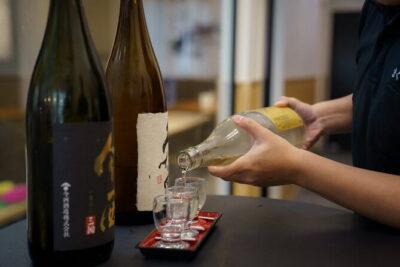
Most importantly, you’ll have access to more than 30 types of sake to try. That’s a lot, but it doesn’t mean you’re just pouring blindly. The guide-led conversation gives you a way to talk through what you like, what you don’t, and why.
A practical tip: if you’re the type who gets overwhelmed by too many options, start by finding two categories you enjoy—like sweeter styles versus drier ones—then work within those lanes. That keeps the tasting from turning into a blur.
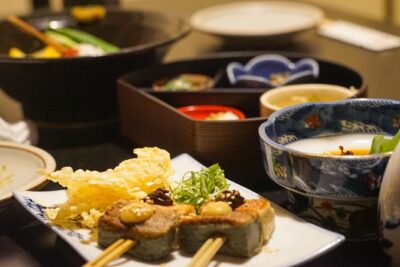
Still hungry? More tastes of Kyoto

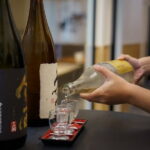
The Garden and Food-Court Stops: Why Breaks Matter for Taste
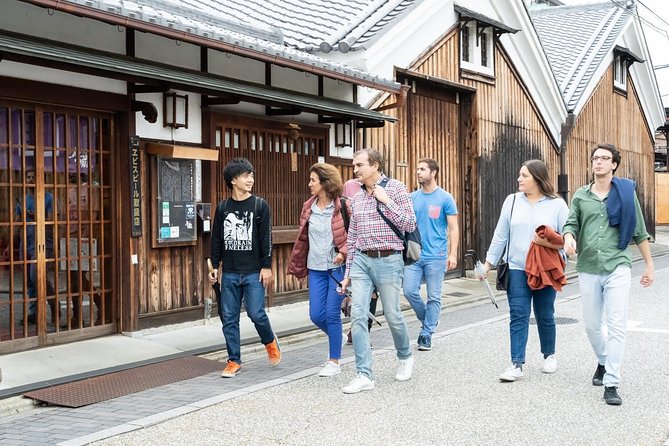
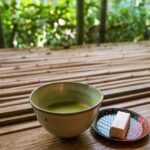
A strong detail of this tour is that it doesn’t treat tasting like a sprint. You stop to sip in peaceful locations, including a garden and a food-court setting.
These pauses matter because sake flavor changes with temperature and context. Tasting too fast can make everything blur together. A calm garden pause gives you space to notice aroma and finish. The food-court stop gives you a more everyday Kyoto rhythm, so the afternoon feels like a local-style snack-and-sip outing rather than a sterile tasting room.
Also, since extra food is not included, the food-court stop is useful for grabbing something small if you want it. If you do eat, keep it light so it doesn’t overpower your ability to judge subtle differences between sakes.
Near Fushimi Inari: The Afternoon Setting That Makes Sake Feel Local
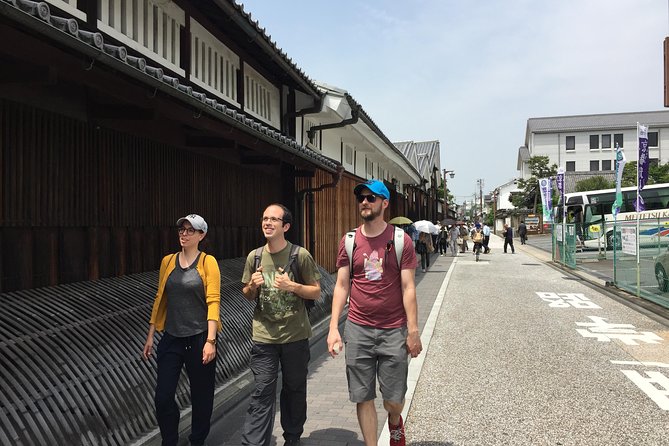
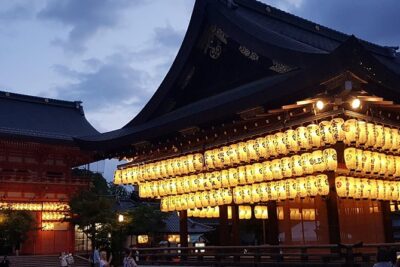
Sipping near Fushimi Inari Shrine adds more than a pretty backdrop. It puts the tasting in a real Kyoto neighborhood where sake production has long been connected to the local economy and identity.
Even if you’re not planning extra sightseeing beyond the tour, this location helps the experience feel tied to place. You’re not just consuming; you’re learning what this area is known for, while getting samples that reflect that reputation.
If you’re a fan of atmospheric travel—small lanes, shrine-area energy, and that Kyoto blend of old and practical—this setting fits that mood.
Your Guide Makes the Difference: Seigo, Shinobu, TaM, and Aya
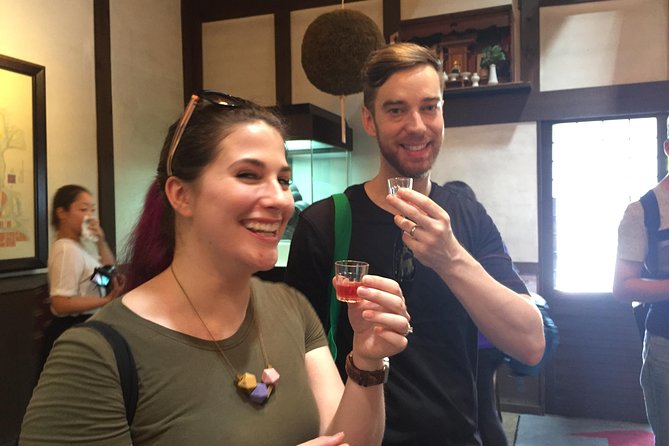
A good sake tour rises or falls on the guide. In this case, the guides’ style comes through clearly: English is strong for the group, and the host tends to keep things friendly rather than formal.
You might be hosted by guides such as Seigo, Shinobu, TaM, or Aya, depending on your departure. What stands out is how they keep the conversation moving. Instead of one-way talking, they encourage comparing flavors and discussing brands and preferences.
Humor and quick answers also matter. Sake includes lots of terms, and questions come fast once you taste widely different styles. Guides who can explain in plain language help you leave with real takeaways, not just memories of labels.
One more practical thing: when weather changes, the tour experience can adjust quickly. In at least one rainy situation, the guide shifted from an outdoor approach to an indoor option fast, which kept the day from collapsing.
Rain, Heat, and the Tour’s Real-World Pace
The experience does require good weather. If poor weather cancels it, you’ll be offered a different date or a full refund. That’s the clean policy answer.
On the ground, Kyoto weather can swing from sunny to pouring, and this kind of tour benefits from flexible problem-solving. If rain hits during your afternoon, plan on the guide making adjustments when possible, especially since part of the experience includes peaceful outdoor-feeling stops like a garden setting.
Heat is another practical consideration. Kyoto can be hot in the afternoon, and the tour is scheduled for 1:00 pm start. If you run warm easily, bring a plan: drink water between tastings (when available), wear breathable clothes, and consider a small layer for comfort if you’re switching between sun and indoor spaces.
How to Taste Smarter (So You Actually Leave With Favorites)
With 30+ sakes on the menu, you don’t want your favorites to be random. You want them to be based on patterns.
Here’s the tasting approach I recommend for this kind of tour:
- Start by identifying sweetness vs dryness early.
- Pay attention to acidity and the finish (how it ends after you swallow).
- Compare similar styles back-to-back when you can, so you notice what truly changed.
Also, remember the minimum drinking age is 20. The tour is for adults, and tasting is central to the experience. If you’re not comfortable with alcohol tasting, this might not be the best use of your time in Kyoto.
If you can, go in with one or two sake brands or types you already like. Even if you’re not picky, that gives the guide a starting point and makes the tasting discussion more personal.
Who This Kyoto Sake Tour Is Perfect For (and Who Should Rethink It)
This tour fits you if you want:
- A small-group sake experience instead of a big bus-style tasting
- A mix of museum learning and real-world brewery tastings
- A route centered near Fushimi Inari, where sake has strong local identity
- Lots of options, since more than 30 sakes are available for you to try
It might not fit you as well if you prefer quiet sightseeing only, or if you want to keep alcohol sampling very minimal. The structure is designed for active tasting and conversation, not passive wandering.
Also, if you’re traveling with someone under 20, they wouldn’t be eligible for the tasting component. The tour is clearly adult-focused around the minimum drinking age.
Should You Book? My Practical Take
I’d book this if your trip includes Kyoto and you want to learn what makes sake taste the way it does—without turning it into a textbook afternoon. The combination of soft-water context, museum learning, and a focused tasting route near Fushimi Inari is a strong match for people who like food and drink experiences with real context.
It’s also a good pick for rainy-day plans that still want structure. If weather forces changes, the tour model is set up to adapt rather than cancel instantly every time the sky gets moody.
Before you book, just sanity-check two things: you’re okay with a 3-hour sampling schedule, and you’re willing to cover extra food if you want it. If that sounds right, this is a smart way to make sake a highlight of your Kyoto day.
FAQ
How long is the Kyoto sake tasting tour?
It’s about 3 hours.
Where does the tour start?
The tour starts at Momoyamagoryo-Mae Station, Kannonjicho, Fushimi Ward, Kyoto 612-8101, Japan.
What’s the maximum group size?
The group is limited to a maximum of 6 travelers.
What is included in the price?
Alcoholic beverages (tastings), a local guide, and culture and history are included. The tasting fee is included as well.
Is extra food included?
No. Extra food and drinks are not included.
How many types of sake can I try?
More than 30 types of sake are available for you to taste during the tour.
What’s the minimum drinking age?
The minimum drinking age is 20.
Where in Kyoto does the tasting take place?
The experience includes sipping sake near the Fushimi Inari Shrine, and it also includes stops around the area such as breweries and peaceful locations like a garden and a food-court setting.
What happens if the weather is poor?
The experience requires good weather. If it’s canceled due to poor weather, you’ll be offered a different date or a full refund.
Can I get a full refund if I cancel?
Yes. It’s free cancellation, and you can cancel up to 24 hours in advance of the experience for a full refund.
More Tour Reviews in Kyoto




More Kyoto Food Tours
The Fushimi Sake Trail, Continued

Just added: more Kyoto tours to browse








Kyoto Food Tours, compared.
 ★ 5.0Kyoto Night Foodie Tour in Gion (9+ dishes + 6 Sake tastings)From $1631,762 reviews
 ★ 4.7Kyoto Night All-Inclusive Eats and Streets, Gion and BeyondFrom $92601 reviews
 ★ 4.5Kyoto Nighttime All-Inclusive Eats and Streets, Gion and BeyondFrom $119464 reviews
 ★ 5.0Gion Food Tour 13 Dishes at 4 EateriesFrom $72408 reviews
 ★ 5.0Kyoto Foodie Night TourFrom $102376 reviews
 ★ 4.9Gion & Pontocho Food Tour with 13 DishesFrom $82235 reviews
 ★ 5.0Gion Local Food Tour (Taste 15 Dishes)From $94171 reviews
 ★ 4.7Local Food Tasting Tour at the Nishiki MarketFrom $78135 reviews
Browse the lists this tour appears in