
Reviewed · KYOTO SAKE TASTING TOURS
Kyoto: Newly Opened Sake Tasting – Sanjo Chasuian
Sake tasting gets hands-on in Kyoto. This newly opened Sanjo Chasuian experience brings you a kimono welcome and a 7-sake, snack-pairing format with just enough structure to make you feel confident quickly. It is beginner-friendly, and the setting is designed for international visitors, with an English-speaking certified instructor guiding you step by step.
One note to plan around: it is a shared group session, so it is not a private, quiet tasting. Also, alcohol rules apply if you are biking or driving.
In This Review
- Key highlights worth aiming for
- Sanjo Chasuian’s location: quick access near Karasuma Oike
- Meeting your instructor in kimono (and why it changes the vibe)
- 80 minutes of sake 101: learn the basics without being lectured
- The tasting lineup: welcome drink plus 7 types paired with snacks
- Sake vessels: why the cup changes the taste
- Where you sit: table seating or Japanese-style room
- Price and value: what $50 gets you in a central Kyoto experience
- Practical tips so you enjoy every pour
- Drinking rules: easy to follow, but don’t ignore them
- Who this sake tasting suits best
- Should you book Sanjo Chasuian in Kyoto?
- FAQ
- Where is Sanjo Chasuian located in Kyoto?
- How much does the experience cost?
- How long is the sake tasting experience?
- What language is the instruction provided in?
- Is this a private tour?
- How many sakes are included?
- Are there purchases available after the tasting?
- Is it suitable for teenagers?
- Can the venue accommodate dietary restrictions?
- What if I need to cancel?
Key highlights worth aiming for
- 5-minute walk from Karasuma Oike Station, easy to fit into a Kyoto day
- Certified English-speaking instructor who teaches how to taste, not just what to taste
- 8 sakes total (welcome drink plus 7 types) with snack pairing
- Different sake vessels that affect aroma and flavor
- Small group limit of 6, so you actually get chances to ask questions
Sanjo Chasuian’s location: quick access near Karasuma Oike
Sanjo Chasuian is set up for walk-in convenience. You are looking at about a 5-minute walk from Subway Karasuma Oike Station, which matters in Kyoto. When your schedule is tight, shaving off transit time keeps the whole day from feeling like a sprint.
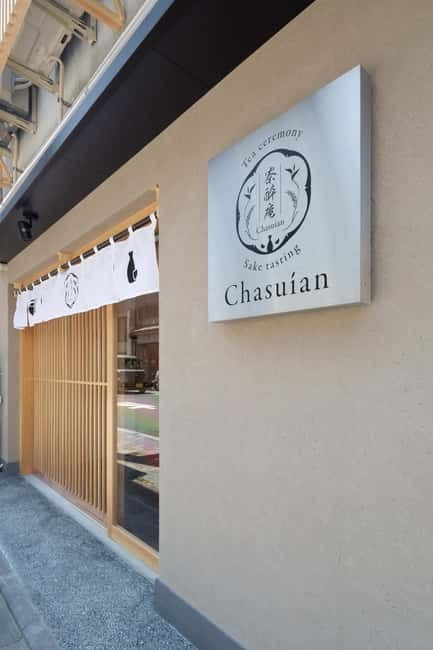
The check-in is straightforward: look for the facility name Sanjo Chasuian with a big logo plate by the entrance. Once you open the door, staff are there to welcome you in and get you seated.
This is the kind of location that works well if you are already spending time in central Kyoto. You can book this as a midday reset or an early evening activity, then roll right into dinner or an easy stroll afterward.
Follow the sake trail through Fushimi and beyond
Meeting your instructor in kimono (and why it changes the vibe)
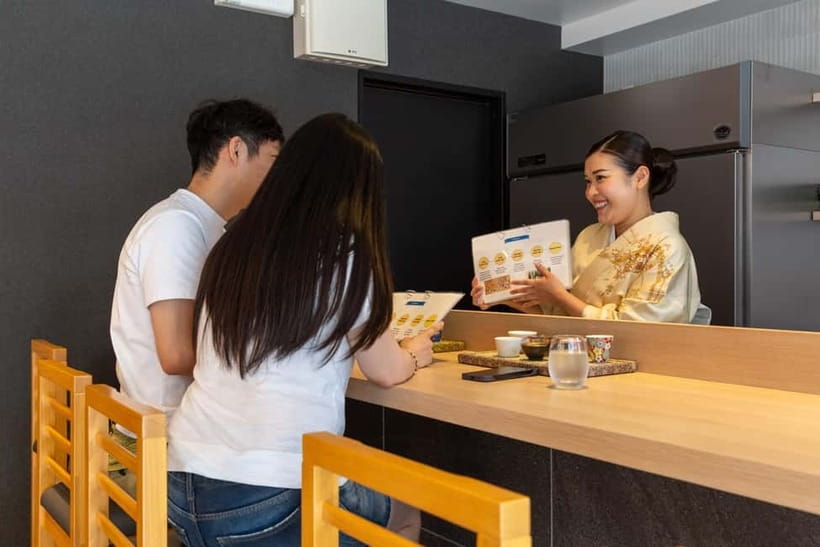
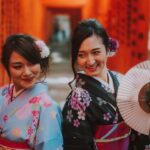
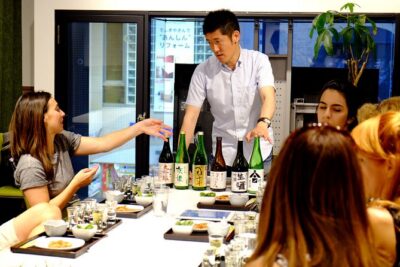
What I like most about this experience is the tone. You are met by a female instructor, Yuko, who holds the International Sommelier of Sake certification, and she welcomes you in a traditional kimono. That sounds like decoration, but it actually sets the expectation: this is cultural instruction, not just pouring drinks and moving on.
Because the guidance is offered in English, you do not have to guess your way through what you are tasting. Yuko’s role is more than explaining definitions. She helps you practice how to taste, how to interpret what you are noticing, and how to choose a sake that matches your preferences.
You’ll also notice the way questions are handled. In a group of this size, you can ask what you should look for, what a label term might mean, or why one serving style tastes different from another.
If you want a Kyoto experience that feels respectful and easy to follow, this setup is a strong fit. It is structured, but it still feels personal.
80 minutes of sake 101: learn the basics without being lectured
The format is built for beginners. In a little over 80 minutes, you get a guided overview of sake that stays practical: history and culture context, brewing basics, the main types you will encounter, and how to read labels. The goal is simple: you should walk out able to make better choices the next time you see a bottle.
You will also get tasting direction, which is the part most people underestimate. Tasting is not just drinking. It is learning how to pay attention. You’ll get tips on what to notice first—aroma, texture, balance, and the way the finish feels after you swallow. Then you connect those impressions to what you just learned about the sake style.
And because you get multiple sakes in one sitting, it is easier to spot patterns. One sample might feel lighter. Another might bring more aroma. You can start building your own taste map without needing formal training.
I like how the pacing respects your attention. This is not a marathon seminar. You are tasting while you learn, which keeps the whole lesson from becoming theoretical.
The tasting lineup: welcome drink plus 7 types paired with snacks
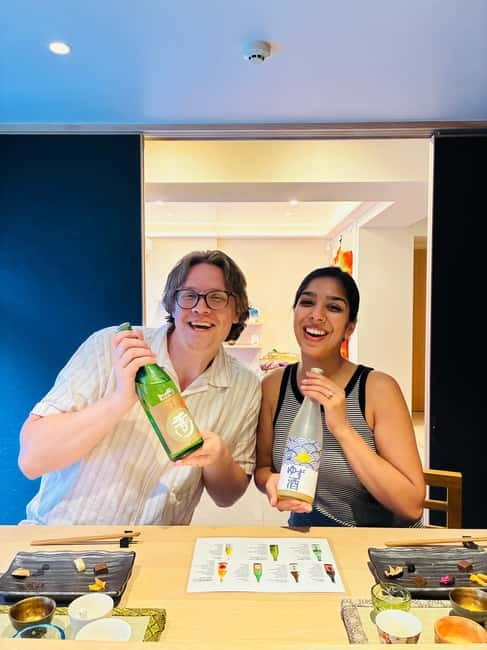
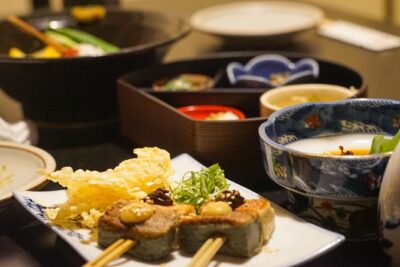
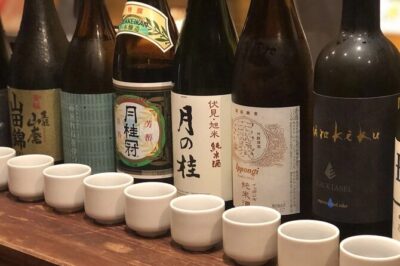
This is the centerpiece. You receive a welcome drink, then you move through 7 types of Japanese sake, for 8 sakes in total. Each of the 7 main pours comes with a carefully matched snack pairing.
The value here is not just that you get a lot of alcohol samples. It is the format: the snacks are treated as part of the experience, not a throwaway side. You learn how certain styles of sake interact with flavors from food—sweetness, saltiness, richness, and even texture.
Here is the practical reason this matters: once you understand why a pairing works, you can recreate the idea at home. It also helps you order in a restaurant. Instead of saying I like sake, you can say I like how this one handles food with X flavor profile.
Pairing tips are especially useful in Kyoto, where you may want to try sake alongside local bites. This tasting gives you language and instincts you can actually use.
Two small realities to plan around:
- You are learning as you drink, so pace yourself early. If one sake surprises you, it helps to keep your palate reset between pours.
- This is a shared session, so you will experience the tasting as a group rhythm rather than fully at your own tempo.
Sake vessels: why the cup changes the taste
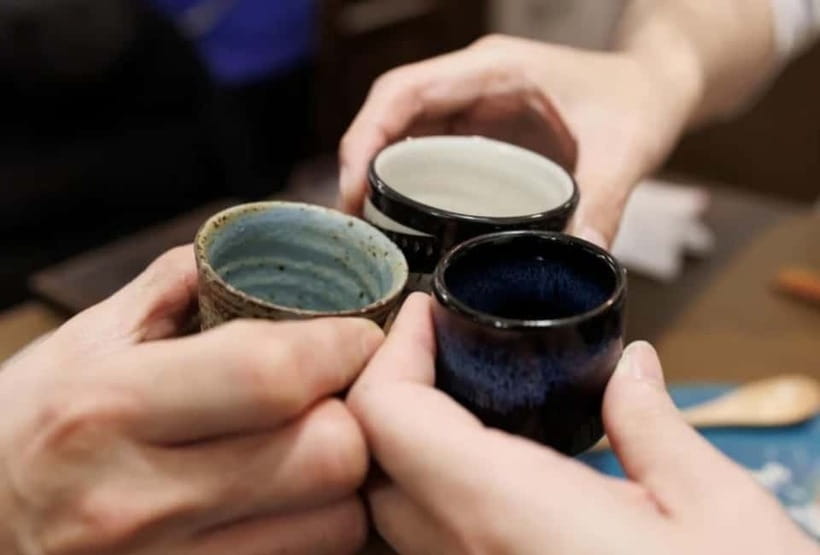
One of the most interesting parts is the variety of sake vessels. You will see and taste sake from different cups, and the point is not just visual.
A sake vessel can affect what you notice in your senses. The aroma can feel more direct or more softened depending on shape and how the drink meets your nose. Temperature and the way liquid moves in the glass can also shift perceived texture and balance.
This is the kind of detail that makes a tasting feel like a real education. You start thinking like a sommelier, even if you are brand new. Afterward, when you see a set of tasting cups or a specific glass at a shop or bar, you will understand why staff might offer different options.
I also like that the lesson is hands-on, not abstract. You taste the difference, then you connect it to the idea behind serving styles.
Other Kyoto tours and experiences to compare



Where you sit: table seating or Japanese-style room
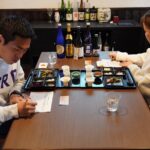
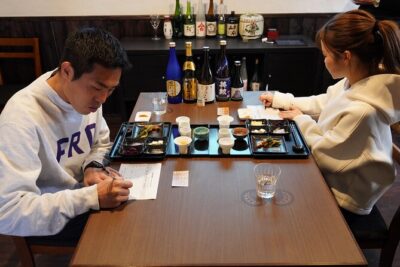
The venue setup will be either table seats or a Japanese-style room. That can matter if you have a preference for comfort and posture.
In Kyoto, these room styles are common, but not everyone loves sitting in more traditional arrangements. If you know you feel better at standard chairs, a table seating format is likely the safer bet. If you are fine with Japanese-style rooms, it can add to the cultural feel of the tasting.
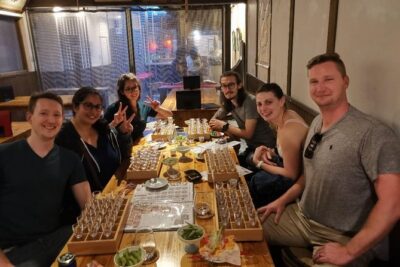
Group size is capped at 6 participants, so your seating arrangement tends to feel manageable. You should expect an orderly flow where everyone can see the instructor and reach for their tasting items without it turning into a crowded mess.
The shared plan means you are not just absorbing the lesson solo. You might hear questions from others, too, which can be useful if your curiosity runs in the same directions.
Price and value: what $50 gets you in a central Kyoto experience
At $50 per person for about 80 minutes, this can feel like a splurge—until you price out what is included.
You get:
- A welcome drink
- 7 additional sake types (totaling 8 sakes)
- Snack pairings
- English instruction
- Tasting guidance on labels, brewing basics, and pairing logic
- A lesson that includes different vessels, not just different bottles
That is a lot of learning packed into one session. In other words, you are paying for structure and expertise. If you tried to build this kind of experience yourself, you would spend more time and money to find the same variety, food pairings, and teaching cues.
The fact that it is newly opened also helps. There is a grand opening discount until September 15, so if you are booking during that window, the value leans even further in your favor.
For me, the biggest value signal is the way the tasting is designed. It does not ask you to be an expert. It teaches you how to become one quickly using the sakes and snacks in front of you.
Practical tips so you enjoy every pour
Here are the small things I’d keep in mind to get the most out of the tasting.
First, arrive ready to ask questions. If you ever wondered what the label terms really mean, this is where you can clarify them. Yuko’s teaching focus is on reading labels and understanding how to taste, so bring a curious mindset rather than expecting to memorize everything.
Second, use the pairing logic as your cheat code. Even if one snack pairing surprises you, that is part of the learning. Notice what changes when you pair sweetness with aroma, or salt with texture. That pattern is what makes future ordering easier.
Third, think about what you want to buy afterward. The experience includes a shop where you can purchase your favorite sake and sake vessels. That means your tasting is not just a one-time lesson—it can translate into a souvenir you’ll actually use.
Fourth, dietary needs matter. If you have restrictions, you should email or message via WhatsApp ahead of time so they can do their best to accommodate. Since the pairing is central to the format, it is worth flagging needs early rather than hoping it works out on the day.
Finally, check your logistics. The activity does not include hotel transfers. But the central location makes it easier to self-arrange on foot or by transit.
Drinking rules: easy to follow, but don’t ignore them
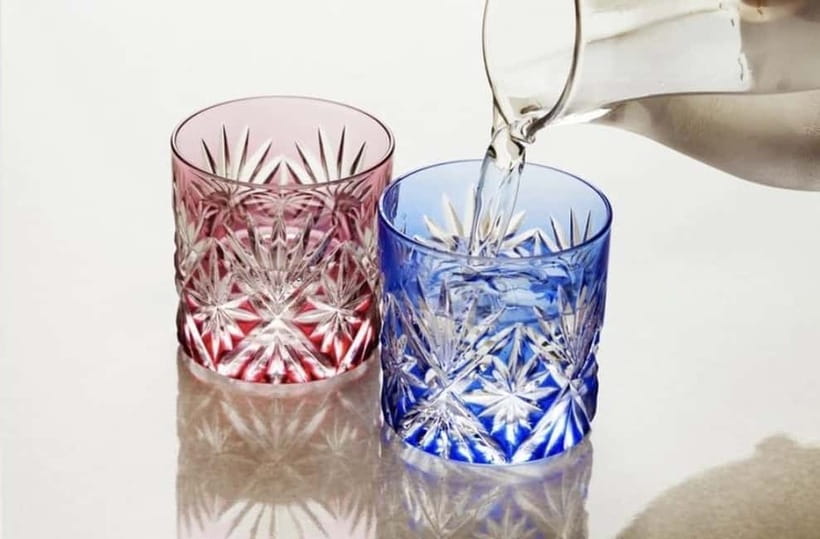
One of the most important practical considerations is the alcohol rule: drinking is strictly prohibited for anyone who is driving a car or riding a bicycle. If you are planning to bike back, you’ll want to swap plans so you can participate fully.
The tasting is clearly designed around alcohol, and it is part of why the guidance and pairings work so well. Plan your route so you are not stressed about transport during the session.
Also remember the age requirement: participants must be 20 years of age or older.
Who this sake tasting suits best
This experience fits best if you want something cultural that still feels approachable.
It is great for:
- First-time sake drinkers who want a clear path to understanding
- Foodies who like learning pairing logic
- Couples or friends who enjoy guided lessons in a small group
- Visitors who want English support in Kyoto without losing cultural atmosphere
It might be less ideal if:
- You strongly prefer private activities without any group dynamics
- You want to taste on your own schedule without shared pacing
- You are hoping for a long, restaurant-style meal rather than a structured tasting format
The small group cap of 6 helps a lot, but it still stays a shared plan. If you like total silence and zero interaction, you may find that part limiting.
Should you book Sanjo Chasuian in Kyoto?
I’d book it if you want the best kind of beginner-friendly learning: you taste as you learn, you get food pairings, and you understand why things work instead of just chasing flavor.
The decision comes down to two things:
1) You’ll enjoy a structured 80-minute format with multiple pours and pairing lessons.
2) You like the idea of learning about sake vessels, not only bottles.
If those match your travel style, this is a strong pick near the subway line. With 8 sakes total, guided English instruction, and a small group limit, it looks like solid value—especially with the grand opening discount running until September 15.
FAQ
Where is Sanjo Chasuian located in Kyoto?
It is about a 5-minute walk from Subway Karasuma Oike Station. You should look for a big plate with the Sanjo Chasuian logo and name at the entrance.
How much does the experience cost?
The price is $50 per person.
How long is the sake tasting experience?
The duration is 80 minutes.
What language is the instruction provided in?
The instructor provides guidance in English.
Is this a private tour?
No. It is a shared plan group session with other guests, and the small group is limited to 6 participants.
How many sakes are included?
You get a welcome drink plus 7 types of sake, for 8 sakes in total, along with snack pairing.
Are there purchases available after the tasting?
Yes. Your favorite sake and sake vessels are available for purchase at the shop.
Is it suitable for teenagers?
No. Participants must be 20 years of age or older.
Can the venue accommodate dietary restrictions?
You should inform them of any dietary restrictions by email or WhatsApp in advance, and they will do their best to accommodate.
What if I need to cancel?
Free cancellation is available up to 24 hours in advance for a full refund.
More Food & Drink in Kyoto
More Tour Reviews in Kyoto

The Fushimi Sake Trail, Continued
Just added: more Kyoto tours to browse



Kyoto Sake Tasting Tours, compared.
 ★ 5.0Kyoto Night Foodie Tour in Gion (9+ dishes + 6 Sake tastings)From $1631,762 reviews
 ★ 5.03-Hour Kyoto Insider Sake Brewery Tour with Tastings & PairingsFrom $84917 reviews
 ★ 4.8Arashiyama Bamboo, Temple, Monkeys, or Secret Sake BreweryFrom $87886 reviews
 ★ 5.0Insider Sake Brewery Tour with Sake and Food PairingFrom $87704 reviews
 ★ 5.0Kyoto Sake Brewery & Tasting Walking TourFrom $98623 reviews
 ★ 5.01.5-Hour Kyoto Insider Sake Experience with 7 Tastings & PairingsFrom $68297 reviews
 ★ 5.0Insider Sake Experience with 7 Tastings and SnacksFrom $66266 reviews
 ★ 5.0Private Tea Ceremony and Sake Tasting in Kyoto Samurai HouseFrom $99163 reviews
Browse the lists this tour appears in