
Reviewed · KYOTO SAKE TASTING TOURS
Kyoto: Beyond the Insider Sake Tasting Experience
Sake can taste like science fiction. This Kyoto experience goes beyond the usual beginner pours by focusing on 10 rare varieties and the production ideas behind them, including brewing approaches that are different from what you’ll see in most overseas tasting rooms. I love the way the guide turns confusing terms into clear, practical tastings, but there is one watch-out: it’s a focused drink-and-lesson format, not a food tour.
What I like most is the private sake tasting room setup and the fact that the guide is a certified sake sommelier. You’ll also get tasting notes, and the session includes the basics of sake production and categories, so beginners aren’t stuck playing catch-up. If you’re expecting a casual, walk-around Kyoto stop, plan for a calmer, room-based experience instead.
In This Review
- Key Points at a Glance
- Beyond Insider Sake in Kyoto: What Makes It Worth Your Time
- The Private Tasting Room Setup: How the Experience Actually Feels
- Your Guided Tasting Flow: Production Choices You’ll Taste in Order
- Ancient-Method Sake: When Brewing Approach Changes the Flavor Logic
- Microorganism-Based Sake: The Science Angle Without the Headache
- Wood-Influenced Sake: How Local Materials Shape the Taste
- Tasting Notes Included: Use Them Like a Cheat Sheet
- Price and Value: What $66 Buys You in Real Terms
- Who This Is Best For (And Who Might Skip It)
- Practical Tips That Make the Tasting Smoother
- Should You Book This Advanced Kyoto Sake Session?
Key Points at a Glance
- Ten uncommon sake styles chosen to show how flavor changes with method and ingredients
- Certified sake sommelier guides with clear explanations suited to beginners and experienced tasters
- Private tasting room designed for a no-rush, question-friendly session
- Ancient-method sake, microorganism-based sake, and wood-influenced sake that show different “flavor engines”
- Tasting notes included, so you can remember what you liked and why
Beyond Insider Sake in Kyoto: What Makes It Worth Your Time
This isn’t a basic sake tour where you sip and hope it all makes sense later. This one is built around a deeper question: how can the same category of drink become wildly different, just because the brewing decisions change?
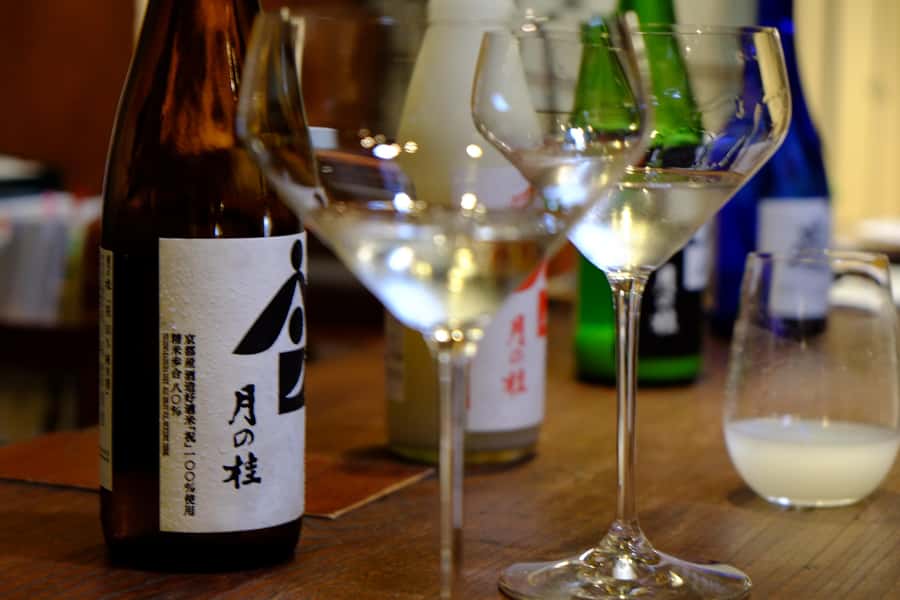
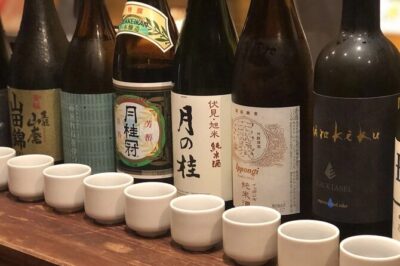
You’ll taste 10 unique varieties that are described as rarely found overseas. That matters, because you’re not just collecting labels. You’re training your palate to notice cause-and-effect. The experience also points you toward sake trends that don’t show up much in international tasting trends, so you leave with a more current sense of what’s possible in Japan.
And yes, it’s Kyoto. So the flavors aren’t only about “Japanese sake” in general; they’re tied to method and local character. The tasting includes examples made with ancient approaches, a newer type that uses microorganisms in a distinctive way, and sake associated with local wood that affects the taste in a regional direction.
Follow the sake trail through Fushimi and beyond
The Private Tasting Room Setup: How the Experience Actually Feels
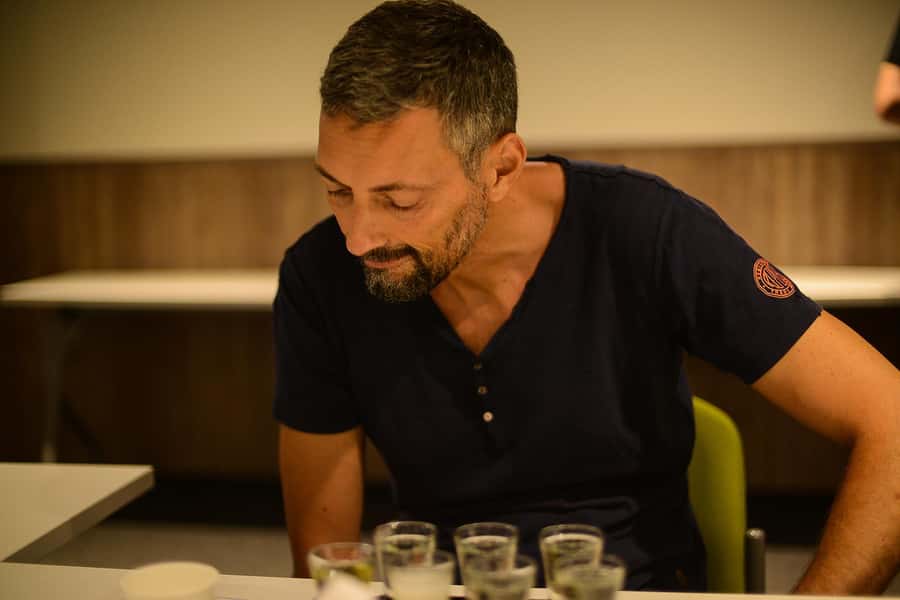
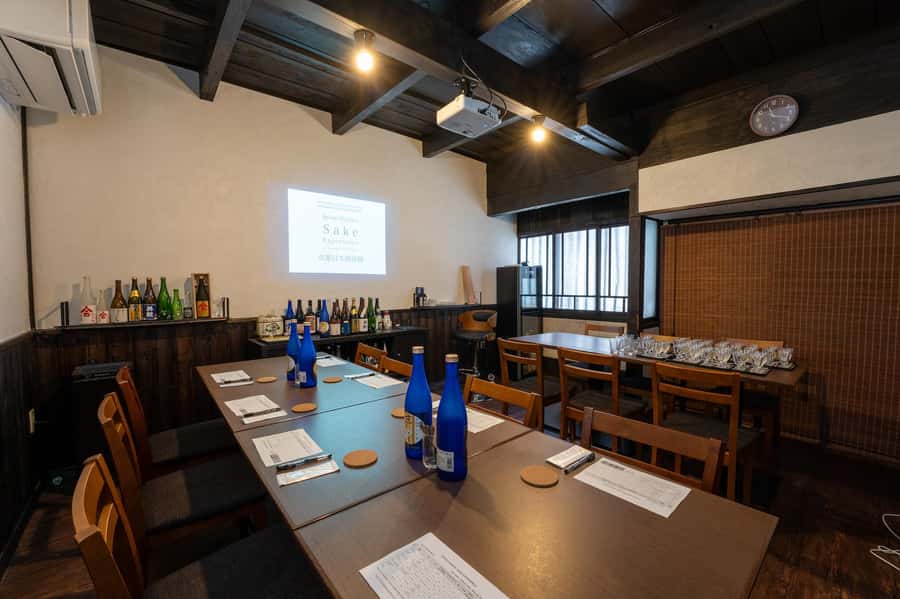
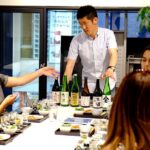
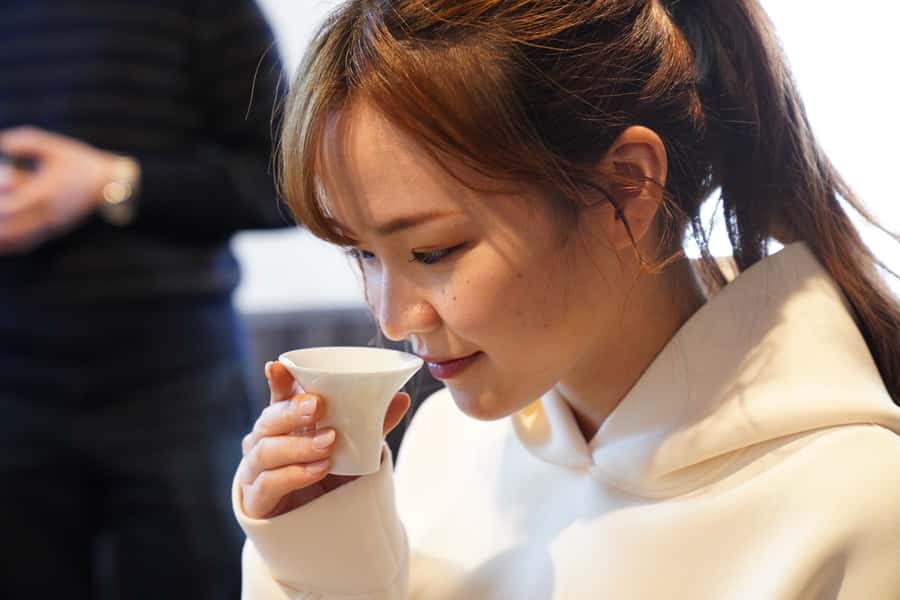
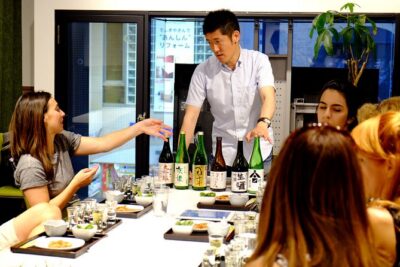
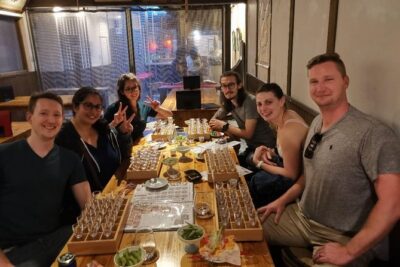
The session takes place in a dedicated private sake tasting room. That’s a big deal. In a private room, you get time to ask questions, compare glasses, and actually hear the reasoning behind what you’re tasting—without competing with a crowd’s chatter.
Your guide is a certified sake sommelier, and the format is designed to work whether you’re brand-new or already picky about sake. The experience doesn’t assume you know the terms. It walks you through key ideas in sake production and the major sake categories, then ties that lesson directly to each pour.
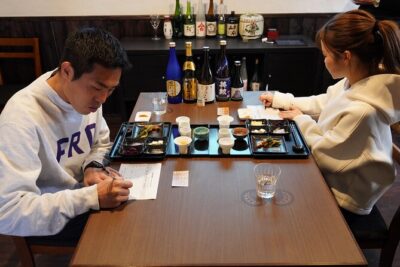
If you care about learning more than drinking, you’ll appreciate the added tasting note component. It gives you something tangible to use during the session. Even if you’re the type who just tries everything and moves on, writing a couple of thoughts helps the tasting stick.
Your Guided Tasting Flow: Production Choices You’ll Taste in Order

You can think of the tour as a sequence of controlled taste experiments. You start with basics of sake production and categories, then the tasting moves into more distinctive types that show how process changes the result.
Here’s the practical benefit: you get a mental framework for why a style tastes a certain way. Then, when you sample each of the 10 sakes, you’re not just ranking sweetness or dryness. You’re learning to connect taste to decisions made by the brewer—like the overall concept of the brew, the approach used, and the ingredients or materials that influence the final profile.
The experience is also positioned as beginner-friendly for a reason. It’s not only for people who already know the jargon. It’s built for curious first-timers who want their first proper explanations, and for seasoned tasters who want new angles and rarer styles that don’t show up on standard “top 10 sake” lists.
Ancient-Method Sake: When Brewing Approach Changes the Flavor Logic
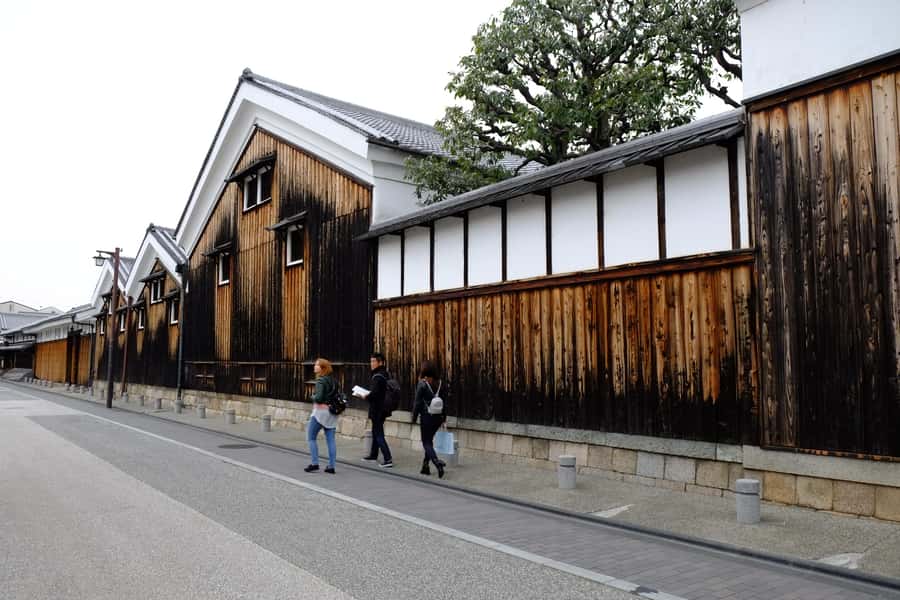
One of the most interesting parts of the experience is the inclusion of sake brewed using ancient methods, described as different from modern approaches. Even without getting lost in technical minutiae, the lesson is clear: old-school production concepts can create a different taste direction than what you might expect from more contemporary, standardized methods.
What you’ll likely notice is how the tasting experience frames flavor as a result of process. Instead of treating each sake as a separate mystery, the guide helps you understand how method can change aroma intensity, texture feel, and the overall impression you get as you move from one style to another.
For you as a visitor, this is one of the best ways to avoid the common mistake of “sake tasting = picking your favorite.” You’re still allowed to pick favorites, of course. But you’ll also learn how to describe what you liked using production logic, not just vibes.
Microorganism-Based Sake: The Science Angle Without the Headache
The experience also includes a “new type of sake” that uses the characteristics of microorganisms in a distinctive way. This matters because it signals that sake isn’t frozen in time. There are modern developments happening, and some of them are built on biological processes rather than just marketing language.
For your palate, this kind of sake can feel like a different flavor engine. Instead of the usual patterns you might associate with traditional categories, you’ll get a chance to experience how microorganism-related concepts can influence the final taste expression.
And for your brain, the value is in the explanation. The guide’s job isn’t to throw terms at you. It’s to connect the idea to what’s in your glass, so you can walk away understanding the “why,” not just the “what.”
Other Kyoto tours and experiences to compare



Wood-Influenced Sake: How Local Materials Shape the Taste
Another standout category in the tasting is sake brewed using local wood, described as giving a taste unique to the region. This is one of those details that can sound like a quirky fact at first, but it’s exactly the kind of thing that makes sake tasting more than a cute souvenir activity.
Wood-influenced production gives you a different path to flavor. Even when you don’t know the chemistry, the concept helps you listen to the tasting. You start looking for subtle shifts: how the aroma comes across, how the texture sits on the tongue, and how the finish behaves.
In practical travel terms, this is also a Kyoto moment. It’s a reminder that local materials and local choices matter, even in drinks you might think of as purely national.
Tasting Notes Included: Use Them Like a Cheat Sheet
You’ll receive tasting notes as part of the experience. I like this because it turns a tasting into something you can review later.
When you leave the room, your favorite glass can fade into a blur. Tasting notes help you remember:
- what you liked
- what you didn’t
- what the guide said connected to the style
This is especially valuable if you plan to keep exploring sake in Kyoto afterward. With notes, you’re better equipped to recognize what you’re actually tasting rather than repeating the same mistake twice.
Price and Value: What $66 Buys You in Real Terms
At $66 per person, you’re paying for more than 10 sips. You’re paying for a structured lesson, a certified sake sommelier guide, tasting note support, and a dedicated private room.
If your goal is to learn, the math usually works out better than casual tastings where you’re basically guessing. Each pour is tied to production concepts—so you’re building skill, not only collecting samples. The fact that the session includes basics of production and categories also stretches the value for beginners who otherwise might not know what to ask.
Also, the 10 varieties being rarely found overseas adds extra value for people who don’t want the same international lineup they can find at home. You’re getting a wider range of styles, not just a tighter marketing selection.
Who This Is Best For (And Who Might Skip It)
This experience is designed to work across skill levels. If you’re a beginner, you’ll still get the basics of production and categories before the more unusual styles. If you’re experienced, the ancient-method, microorganism-focused, and local-wood elements give you angles you may not see in typical tastings abroad.
That said, there are firm rules that affect who can join:
- Legal drinking age in Japan is 20. If you’re under 20, you’ll be served non-alcoholic drinks only.
- For safety and legal reasons, alcohol will not be served to guests who arrive by car or bicycle. Non-alcoholic drinks are available.
- If you’re more than 10 minutes late, your booking will be canceled.
- Guests without a reservation (including children and non-drinkers) won’t be allowed to join.
- It isn’t suitable for children under 3 years or for pregnant women, and people under 19 are not suitable.
So if you’re traveling with kids, bringing a designated non-drinker, or you’re planning to arrive by bicycle or car expecting alcoholic pours, you’ll want to rethink. The experience is built around participating in the tasting format.
Practical Tips That Make the Tasting Smoother
A few small choices can make a big difference for this kind of session.
First, arrive on time. The rule is strict: if you’re more than 10 minutes late, the booking is canceled. I’d rather you show up a few minutes early and settle in than stress the minutes.
Second, plan around the alcohol serving rules. If you’re under 20, you’ll get non-alcoholic drinks only. And if you’re arriving by car or bicycle, alcohol won’t be served even if you’re of legal age. That’s not a small detail here—it changes what you experience.
Third, don’t expect food pairing. Food is not included, so if you’re the type who needs a snack with alcohol, plan your timing before and after the session. The tasting room is the show.
Finally, the experience is in English. If English is your comfort language, you’ll likely get more out of the production explanations. If you’re shy about speaking, you can still listen and take notes.
Should You Book This Advanced Kyoto Sake Session?
If you want to drink sake and also understand it, this is an easy yes. The biggest wins are the guided structure, the certified sake sommelier leadership, and the fact that you taste 10 less-common styles tied to real production concepts.
Book it if:
- you’re curious about how brewing choices create flavor
- you want uncommon varieties rarely seen overseas
- you like learning through tasting notes and comparison
Skip it if:
- you’re looking for a food-heavy Kyoto outing
- you need something flexible for late arrivals
- you’re traveling with a non-drinker or with guests who don’t meet the age and suitability requirements
For a value-focused traveler in Kyoto, this hits a sweet spot: serious learning, a private setting, and enough variety to keep your palate awake. If that sounds like your kind of evening, go ahead and reserve.
More Food & Drink in Kyoto
More Tour Reviews in Kyoto

The Fushimi Sake Trail, Continued
Just added: more Kyoto tours to browse



Kyoto Sake Tasting Tours, compared.
 ★ 5.0Kyoto Night Foodie Tour in Gion (9+ dishes + 6 Sake tastings)From $1631,762 reviews
 ★ 5.03-Hour Kyoto Insider Sake Brewery Tour with Tastings & PairingsFrom $84917 reviews
 ★ 4.8Arashiyama Bamboo, Temple, Monkeys, or Secret Sake BreweryFrom $87886 reviews
 ★ 5.0Insider Sake Brewery Tour with Sake and Food PairingFrom $87704 reviews
 ★ 5.0Kyoto Sake Brewery & Tasting Walking TourFrom $98623 reviews
 ★ 5.01.5-Hour Kyoto Insider Sake Experience with 7 Tastings & PairingsFrom $68297 reviews
 ★ 5.0Insider Sake Experience with 7 Tastings and SnacksFrom $66266 reviews
 ★ 5.0Private Tea Ceremony and Sake Tasting in Kyoto Samurai HouseFrom $99163 reviews
Browse the lists this tour appears in