
Reviewed · TOURS
Kyoto Afternoon Tour from Kyoto or Osaka
Kyoto in one afternoon is a tall order, but this tour makes it workable. I like the tight route that hits three big hitters—Fushimi Inari, Sanjusangendo, and Kiyomizu-dera—plus an English-speaking guide who explains what you’re seeing as you go. The trade-off is time: each stop is capped (often around 30 minutes), so you’ll move more than you might on a solo wander.
What really sells it for me is the mix of Shinto + Buddhism in a single loop, with included entrance fees and transport costs. You’ll get the photo moments people come for (especially those Kyoto-over-the-rooftops views), but you also get practical context so the shrines and statues make sense instead of feeling like random stops. One thing to consider: depending on when you reach Kiyomizu-dera, the light can be a factor for the views you’re hoping for.
In This Review
- Key things I’d notice before you go
- A half-day Kyoto route that actually makes sense
- Getting started at Avanti Tour Desk near Kyoto Station
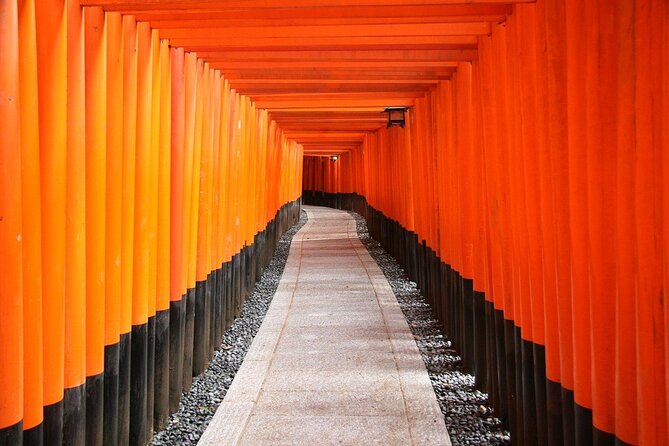
- Stop 1: Fushimi Inari Taisha and the Senbon Torii gates
- Stop 2: Sanjusangendo Temple’s 1,001 Kannon statues
- Stop 3: Kiyomizu-dera viewpoints, terrace paths, and the shopping lane
- Price and logistics: what you’re really paying for
- Crowds, timing, and pace: how to enjoy it instead of racing it
- Who this afternoon Kyoto tour is best for
- Should you book this tour?
- FAQ
- How long is the Kyoto afternoon tour?
- What are the main stops on the tour?
- Are entrance fees included?
- Is food provided on the tour?
- Do I need hotel pickup?
- Will the tour include the Shin-en garden at Fushimi Inari?
Key things I’d notice before you go
- Small-ish group feel (max 40): enough structure to keep you on time, not so huge you’re lost in the crowd.
- All entrance fees included: you’re paying for time with a guide, not just access tickets.
- Fushimi Inari without Shin-en garden: you get the main Senbon Torii experience, but not the added garden stop.
- Sanjusangendo’s 1,001 Kannon statues: a long wooden hall that’s hard to replicate on your own.
- Kiyomizu-dera viewpoints and the temple streets: great for photos, but the hill and stairs can be strenuous.
- Guides like Yoshi, Momo, Jessie, Amy, and Donna-San: reviews consistently mention humor and clear explanations.
A half-day Kyoto route that actually makes sense
This tour is built for one simple goal: get you to Kyoto’s most famous religious sites without the stress of logistics. The afternoon format is great if you’re only in town for a day or you already have plans for mornings (or you just want to avoid a full-day temple marathon).
The pacing is purposeful. You’re not expected to “live” at each site, but you do get enough time to see the key parts, take photos, and understand what’s going on. That’s the big win for most people: you spend your energy looking, not figuring out where to go next.
Still mapping out your days? A few more Kyoto tours worth a look.

Getting started at Avanti Tour Desk near Kyoto Station
Meet your guide at the Avanti Tour Desk near Kyoto Station in the afternoon. The tour uses a mobile ticket, which helps if you don’t want to hunt for paper confirmations while you’re rushing across station platforms.
A practical tip: Kyoto Station is massive. One review noted it can be tricky to find the desk because it’s in a basement of a larger building—so give yourself extra time to orient. If you tend to be late when you’re tired, this is a good day to overestimate how long you’ll need.
From there, you’ll move by bus between stops. This is one reason the tour works so well in hot or humid weather—an air-conditioned ride is a real comfort after you’ve climbed stairs and walked crowded lanes.
Stop 1: Fushimi Inari Taisha and the Senbon Torii gates
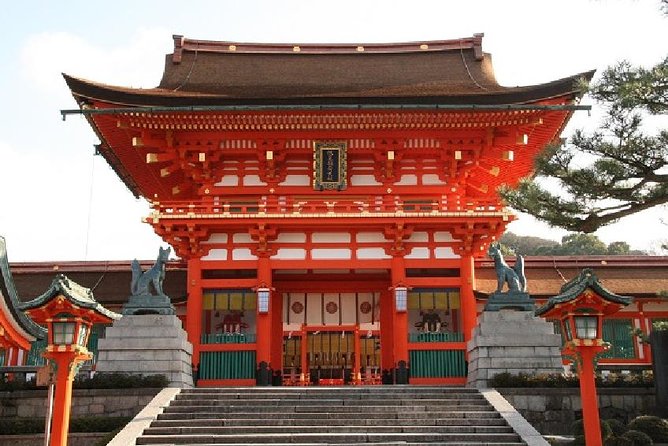
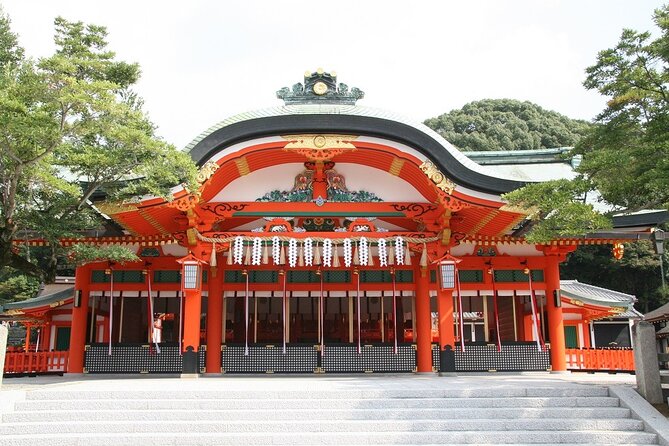
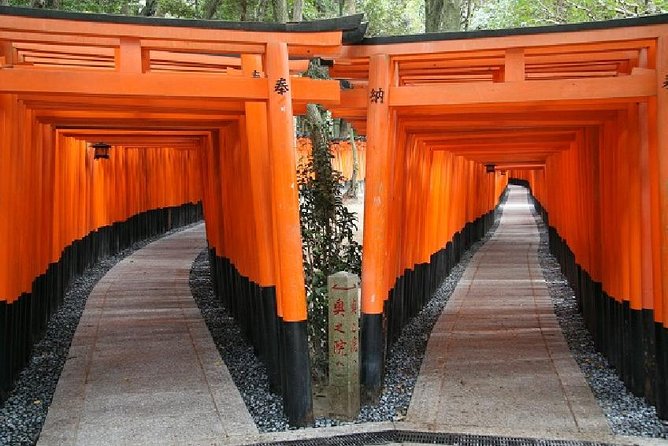
Fushimi Inari Taisha is the head shrine for Inari, the god associated with foxes and (in everyday life) things people pray for like prosperity and safe travel. You’ll see the signature Senbon Torii—thousands of red gates stacked along paths that feel like they’re pulling you forward.
You’ll have about 30 minutes here, and the admission ticket is free for the stop on this itinerary. That time is just enough to get the iconic look and walk a portion of the torii-lined path—though it’s not built for a long hike up into the deeper trails.
Important detail: the tour says it will not enter the Shin-en garden. If you specifically want that extra garden area, plan a DIY add-on on a different day.
Also note a small but real logistics point. You’ll walk from the parking area to Fushimi Inari Taisha (about 15 minutes one-way). The tour handles the big-picture transportation, but you still do a chunk of walking at the start—so wear shoes you trust.
Stop 2: Sanjusangendo Temple’s 1,001 Kannon statues
Next is Sanjusangendo Temple, famous for housing 1,001 life-size statues of Kannon (the Buddhist bodhisattva of compassion). This stop is one of those places where the scale hits you immediately—the hall is known for being Japan’s longest wooden structure, stretching over 120 meters (about 394 feet).
You’ll get around 30 minutes, and the admission fee is included. That may sound short, but it’s enough to take in the full breadth of the hall, spot the statue layout, and understand why this site is such a big deal historically.
The value here is the guided interpretation. Without someone pointing out what you’re looking at, it’s easy to treat it as “a lot of statues.” With a good guide—many reviews mention humor and strong explanations—you start noticing patterns in the arrangement and why the hall’s design matters.
One more comfort note: after the torii crowds, this can feel calmer. It’s still popular, but the atmosphere is different—more reverent, more architectural, and less “flow-through sightseeing.”
Stop 3: Kiyomizu-dera viewpoints, terrace paths, and the shopping lane
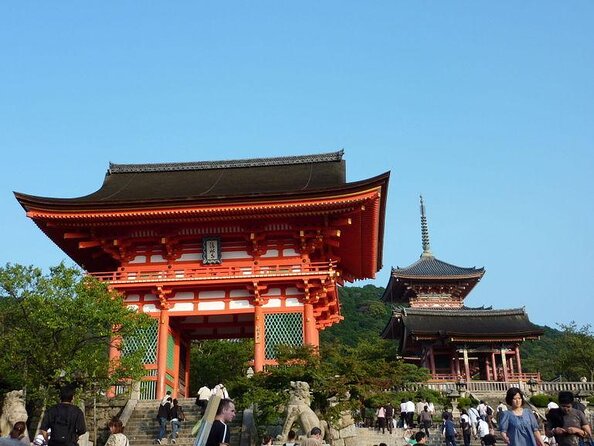
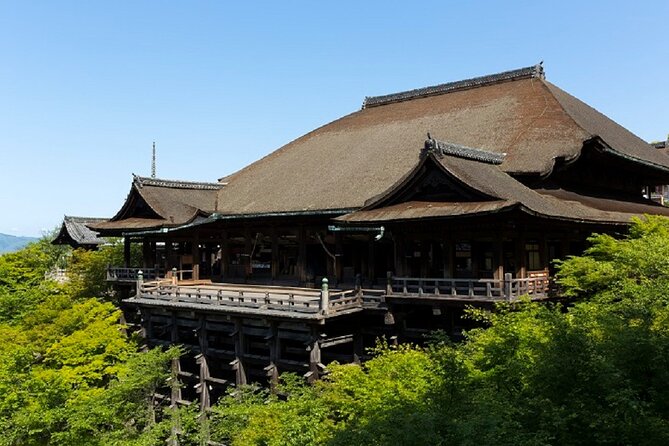
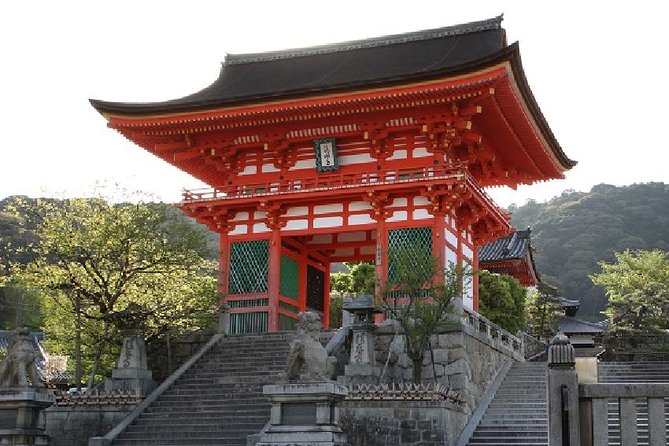
Kiyomizu-dera (Kiyomizu-dera Temple), a UNESCO World Heritage site, is the stop many people care about most. You’ll get about 1 hour 10 minutes here, and admission is included.
Plan for two things at once: views and walking. The temple complex sits above the city, and you’ll be moving between terraces and walkways to reach the best vantage points. Add in the historic lanes leading up to the temple—where pottery shops line the approach—and you’ve got a classic Kyoto photo route.
The viewpoint is the big payoff. People come for panoramic scenes of Kyoto and the surrounding hills. But here’s the caution I’d take seriously: one review mentioned arriving near dusk and leaving when it was dark, meaning they couldn’t fully enjoy the daylight foliage and the view.
If you’re traveling in a season when you’re hoping for autumn color, or you just want clear city views, you’ll want this stop to land earlier rather than later. In practice, that depends on traffic and congestion, which the tour notes can affect the timing.
One review also flagged that the climb to Kiyomizu-dera can be strenuous, especially on a hot sunny day. So even though the tour is structured, you should treat this as a real walking-and-stairs day. Bring water, and don’t assume you’ll breeze through the hill because the bus drops you nearby.
Price and logistics: what you’re really paying for
At $82.58 per person, this isn’t a “cheap and cheerful” add-on. But it’s priced like a proper guided circuit with included entrance fees and transport costs.
Here’s what you’re getting for the money:
- An English guide interpreter (included in the price)
- Entrance fees for Sanjusangendo and Kiyomizu-dera (and Fushimi Inari’s stop is free on this plan)
- Transportation between sites
- A structured afternoon schedule that keeps you from losing time figuring out transit
What you’re not getting:
- Food and drinks
- Hotel pickup or drop-off
So the value is highest when you need help stitching Kyoto together fast. If you enjoy planning and navigating on your own, you could possibly recreate this route independently. But you’d be working harder for the same “see three major sights with context” outcome—and you’d still be at the mercy of crowds.
Also, the tour is capped at a maximum group size (listed as 40). One review mentioned hearing the guide was difficult with a bigger group, which tells me the real-world experience depends on how full your bus is. If you’re sensitive to noise, arrive early and stand where you can see and hear the guide clearly when stops start.
Crowds, timing, and pace: how to enjoy it instead of racing it
Kyoto’s top temples are popular. That means crowds aren’t a bug here—they’re part of the deal. The good news is the tour tries to manage the chaos with a tight itinerary and clear transitions between stops.
The downside is that some visitors feel rushed. Multiple reviews describe each location getting around 30–40 minutes, leaving limited time to browse shops or linger for the “one perfect photo angle.” That’s especially true at Kiyomizu-dera, where terraces and viewpoints can take time to circle.
My practical advice: treat the first minutes at each stop as your “must-see” window. If you want one iconic shot at Fushimi Inari, get it early. At Sanjusangendo, take your wide hall photos quickly, then slow down for statue details if the crowd thins. At Kiyomizu-dera, decide in advance whether your priority is the main viewpoint or the shopping lanes—then focus your time.
Also, bring simple weather-proofing. Kyoto afternoons can swing from hot to muggy to breezy depending on season. One review appreciated the air-conditioned bus during heat and humidity, which is exactly why this itinerary works in discomfort-heavy weather.
Who this afternoon Kyoto tour is best for
This tour fits best when you match one (or more) of these situations:
- You have limited time in Kyoto and want the biggest sites in one afternoon
- You’d rather rely on a guide than plan transit between temple districts
- You enjoy hearing explanations that make Shinto and Buddhist traditions clearer
- You want a structured start near Kyoto Station without hotel pickup logistics
It’s also a good “orientation” day if you’re planning to explore more on your own later. You’ll get a feel for where temples sit in relation to neighborhoods and what each site is known for, so your DIY wander afterward is smarter.
If you’re the type who likes long temple sits, quiet corners, and slow museum-style viewing, you may find the timing too short. In that case, you’d probably enjoy a full-day itinerary or a DIY plan where you can control how long you stay in the lanes around Kiyomizu-dera.
Should you book this tour?
Book it if you want an efficient, well-guided afternoon that hits Kyoto’s top three: the torii gates of Fushimi Inari, the mind-bending scale of Sanjusangendo, and the hillside views from Kiyomizu-dera. The included entrances and guide interpretation make it a solid value when you’d otherwise spend time (and decision energy) figuring out logistics.
Think twice if your top priority is daylight views at Kiyomizu-dera in a specific season, or if you hate rushed timing. The tour is designed to move, and that’s usually exactly what most people want—but not everyone.
If you do book, arrive a little early at Avanti Tour Desk near Kyoto Station, wear comfortable shoes for stairs and walking, and plan your Kiyomizu-dera moment first so the crowd doesn’t steer your day.
FAQ
How long is the Kyoto afternoon tour?
It runs about 4 hours 40 minutes (approx.).
What are the main stops on the tour?
You visit Fushimi Inari Taisha Shrine, Sanjusangendo Temple, and Kiyomizu-dera Temple.
Are entrance fees included?
Yes. Entrance fees are included for the stops on this itinerary.
Is food provided on the tour?
No. Food and drinks are not included.
Do I need hotel pickup?
No. Hotel pickup and drop-off are not included, and you meet the guide at Avanti Tour Desk near Kyoto Station.
Will the tour include the Shin-en garden at Fushimi Inari?
No. The tour specifically notes it will not enter the Shin-en garden.
More Tours in Kyoto

More Tour Reviews in Kyoto
Just added: more Kyoto tours to browse






Tours, compared.
 ★ 5.0PERFECT KYOTO 1-Day Bus TourFrom $12913,518 reviews
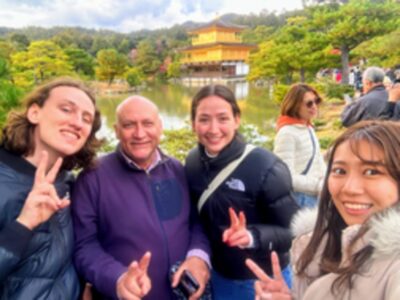 ★ 4.8Fushimi Inari, Kinkakuji, Bamboo Grove 1 Day Bus TourFrom $1224,316 reviews
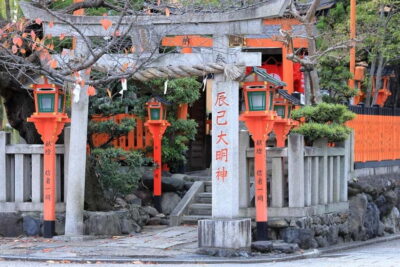 ★ 4.7Kyoto Geisha Walking Tour: Gion District & Hidden GemsFrom $253,273 reviews
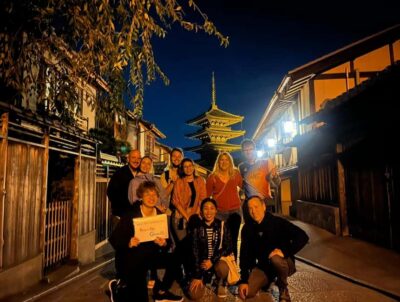 ★ 4.9Gion Magical Night Walking Tour with Geisha TriviaFrom $242,393 reviews
 ★ 4.7Gion Geisha District Walking Tour – Stories of GeishaFrom $202,187 reviews
 ★ 5.0Hidden Kyoto E-Biking tourFrom $1161,843 reviews
 ★ 5.0Kyoto Night Foodie Tour in Gion (9+ dishes + 6 Sake tastings)From $1631,762 reviews
 ★ 5.0Fushimi Inari Hidden Hiking Tour (Private Option Available)From $631,750 reviews