
Reviewed · TOURS
Explore Hidden Alleyway with a Local Expert (Afternoon Tour)
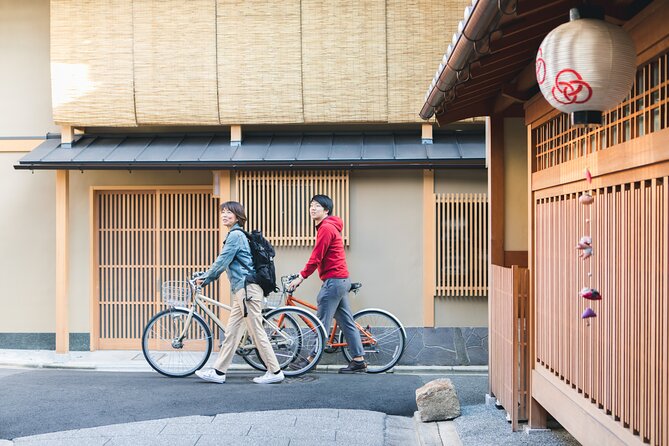
Kyoto feels private on two wheels. This afternoon bike tour with a local expert leads you through quiet backstreets and hidden alleyways, then pops you back onto the bigger Kyoto streets you’ve seen in photos.
I like that the route mixes small, calm lanes with big-name areas, so you get both perspectives in about 3 hours. I also really appreciated the guide touch—my experience included Yuichi, whose humor and clear explanations made each turn feel intentional and easy to follow.
One thing to consider: the charm comes from riding in tight neighborhood streets, so you need comfort on a bike and good balance around traffic and turns. Road cycling is part of the deal.
In This Review
- Key highlights to notice before you go
- Kyoto After 2 PM: Why this afternoon ride makes sense
- The route idea: quiet lanes, then famous streets
- Miyagawacho Kaburenjo: wooden houses and a quieter Geisha district feel
- Gion: the refined, old Kyoto atmosphere hits quickly
- Tatsumi Bridge: a pause along the stream and willow swing moments
- Kyoto Imperial Palace gardens: cycling on gravel paths with seasonal flowers
- Kashiwayacho and the Kamo River: where the ride finally slows down
- Safety and training: how the ride stays comfortable
- Rain plan that actually saves your day
- Price and value: why $102.47 can be worth it
- Logistics that affect your day more than you’d think
- Who this tour suits best
- Should you book this hidden-alleyway bike tour?
- FAQ
- How long is the Hidden Alleyway with a Local Expert (Afternoon Tour)?
- Where is the meeting point, and do we return there?
- Does the tour run in the rain?
- How many people are in the group?
- Are any admission tickets included?
- What is the cancellation/rescheduling policy?
Key highlights to notice before you go
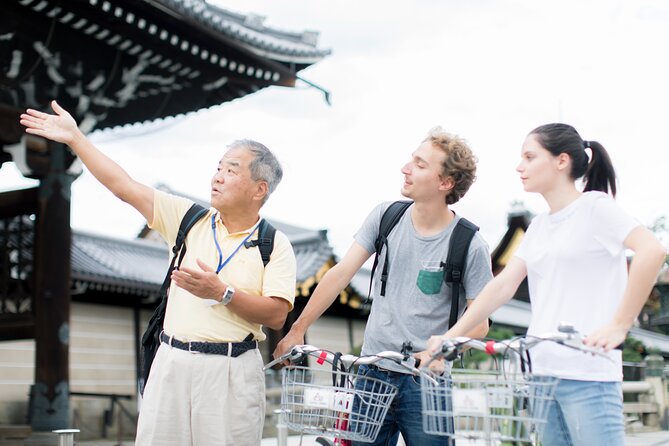
- Small-group format with a maximum of 6 guests per guide (and extra guidance if your group is larger)
- A real route shift from quiet alley lanes to Gion’s more famous streets
- Kyoto Imperial Palace area on gravel paths, with a relaxed stop inside the public gardens
- Kamo River break in Kashiwayacho, included time to slow down by the water
- Rain plan that won’t cancel the day, with ponchos or an included bus/metro walking alternative
Kyoto After 2 PM: Why this afternoon ride makes sense
A 2:00 pm start is a smart choice in Kyoto. You dodge some of the earliest rush, yet you’re still moving before the evening crowd fully stacks up on the main streets. The timing also helps for alley riding: those side lanes feel cooler and calmer as the day moves on.
This tour is built around a simple idea: step away from the most obvious streets, then reconnect with the Kyoto you recognize. You get the “wait, this is what life looks like” feeling in the backstreets, and then you get the famous atmosphere where you can compare what you’ve just seen.
Still mapping out your days? A few more Kyoto tours worth a look.



The route idea: quiet lanes, then famous streets
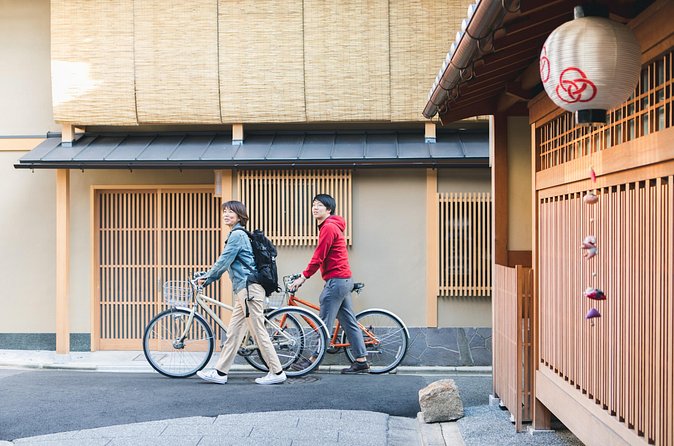
The whole point of this style of cycling is contrast. Narrow lanes change fast—light shifts, sounds change, and even the air feels different when you’re moving from a broader street into an alley lined with older houses. After that, you’ll roll back out toward areas most people already have on their must-see list.
That rhythm is why the tour works even if you only have a short time in Kyoto. Instead of spending your day hopping between far-flung stops, you’re traveling continuously while your guide points out what to look for along the way.
Miyagawacho Kaburenjo: wooden houses and a quieter Geisha district feel
One of your early stops is Miyagawacho Kaburenjo, in Miyagawacho, the second biggest of Kyoto’s five Geisha districts. You’ll notice the mood right away. The streets here are lined on both sides with traditional wooden houses, and that creates a calmer, more sheltered feel than you get on wider streets.
You’re there for about 15 minutes, so it’s not a long photo session. It’s more like a guided “what to see and why it matters” walk-through while you’re also already warmed up on the bike.
Practical note: this district is visually interesting, but you still need to stay aware of your bike in the narrow space. If you’re the type who loves to stop suddenly for photos, plan to ask the guide where it’s safe to pause.
Gion: the refined, old Kyoto atmosphere hits quickly
Next comes Gion, and yes, this is the Kyoto you’ve probably pictured before you arrived. Gion developed as a major Geisha district, with Maiko girls and Geiko women shaping the look and feel of the streets. Even when the scene is quieter than expected, the atmosphere still carries that refined, old-times vibe.
Your stop time is around 15 minutes. That’s enough to absorb the feel and see key streets without turning the tour into a slow crawl.
The best way to enjoy Gion on a bike tour is to treat it like a “live map.” Your guide helps you connect the alleyway scenes you just left with the more famous streets you’re approaching now. You start noticing how Kyoto’s neighborhoods transition instead of treating each stop as a separate world.
Tatsumi Bridge: a pause along the stream and willow swing moments
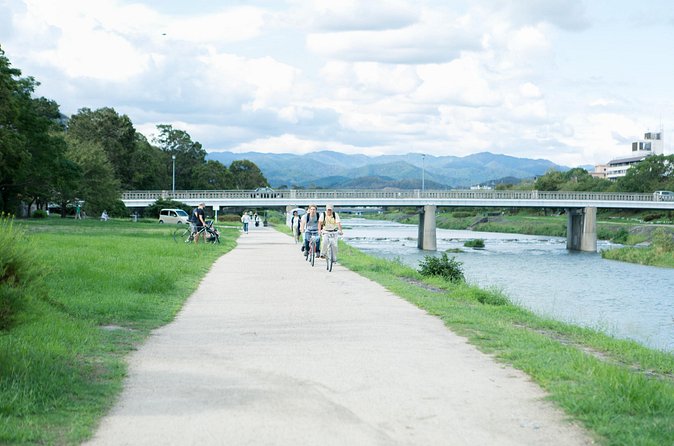
Then you roll to Tatsumi Bridge, where the setting shifts toward water. The path runs alongside a stream, and you get a refreshing break in atmosphere compared with the city streets. You’ll also notice the willow movement in the breeze, which adds that quiet, slightly poetic Kyoto feeling without requiring a big detour.
This is also a stop of about 15 minutes. So it’s not a long stop for wandering—it’s a gentle reset before you head to the larger landmark area.
If you want a tip for photos: watch the light on the water rather than focusing only on the bridge itself. The guide’s timing helps, because you’re not choosing a random moment—you’re fitting the stop into the tour’s flow.



Kyoto Imperial Palace gardens: cycling on gravel paths with seasonal flowers
You’ll spend about 20 minutes at the Kyoto Imperial Palace area, which used to be the residence of Japan’s Imperial Family. Today, it’s open to the public as a national garden, and seasonal flowers give the grounds a soft, garden-walk feel.
A fun detail here is that you cycle along gravel paths rather than smooth roads. That changes the ride slightly—slower pace, more vibration, and more need to keep a steady line. It’s manageable, but it’s one more reason why bike comfort matters.
This stop is valuable because it balances the street scenes with a calmer, greener Kyoto moment. It also gives your legs a break from constant steering around tighter alleys.
Kashiwayacho and the Kamo River: where the ride finally slows down
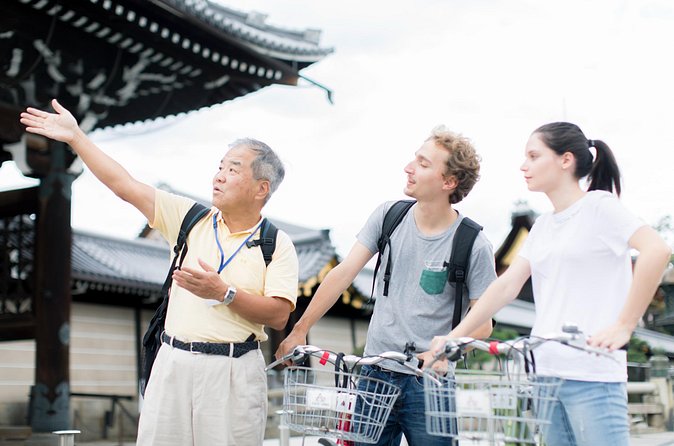
Your last stop is Kashiwayacho, where you get time to relax by the Kamo River. This is where the tour’s pace softens into something more like an easy city break. The river area is a favorite for locals, and it shows—this is the kind of place where you can feel the day continuing without the main-tour machine pushing you along.
You’ll have about 20 minutes here, and this stop is marked as included. That means your time by the water is built into the tour, not treated as optional “if you want.”
If you’re sensitive to crowds, this is a good place to exhale. Even if the river area has activity, it tends to feel more human-scale than the most photographed street corners.
Safety and training: how the ride stays comfortable
This isn’t a free-form bike rental situation. The guides are professionally trained through their program, with a focus on traffic safety, group cycling techniques, and local etiquette. That matters in Kyoto because streets can be narrow and rules of the road are something you want handled by someone who rides this route often.
The tour is designed for real cycling as a group, with a maximum of 6 guests per guide. If your group is 7 to 12 people, they can arrange an extra guide, which helps keep your pace and spacing under control.
From the reviews, the guide experience is a big deal. When you get a guide like Yuichi—personable, informative, and funny—the whole ride feels smoother because you’re not guessing what you should notice. You get context fast, and you know where to look.
Rain plan that actually saves your day
Kyoto weather can be moody, so it’s good this tour has a built-in rain strategy. The tour will operate in rain, with a choice on your side:
- Continue on bikes with rain poncho (free of charge)
- Switch to a walking tour using public transportation (bus or metro), included in the tour fee
That flexibility is practical. If it’s just a light drizzle, you’ll likely keep the cycling route and still see the same hidden streets. If it’s heavy, switching to public transit walking helps you avoid the “slippery street stress” and still covers the ideas behind the tour.
Price and value: why $102.47 can be worth it
At $102.47 per person for about 3 hours, you’re paying for three things at once: guide expertise, small-group bike handling, and the specific route that strings together less-obvious streets with major Kyoto sights.
A big value point is what’s included versus not. Multiple stops are marked with admission ticket free, and the Kamo River stop includes admission. While you still may pay for small extras like snacks, the tour doesn’t feel like it’s constantly asking you to buy your way into the main experiences.
It’s also booked fairly ahead of time on average (around 13 days). That’s usually a sign it sells well, especially during busy seasons. If you know your schedule, it’s worth reserving early so you can lock in the afternoon slot.
Logistics that affect your day more than you’d think
This is a private tour, meaning only your group participates. That’s a plus if you don’t want to merge into a big crowd behind a loud guide voice. It also usually makes it easier for the guide to adjust pace to your comfort level.
You’ll meet at 552-13 Higashiaburanokōjichō, Shimogyo Ward, Kyoto, 600-8235, Japan. It starts at 2:00 pm and ends back at the meeting point.
You’ll also use a mobile ticket, so plan to have your phone charged. That sounds basic, but in Japan your phone is your map, ticket, and timing tool all at once.
One more heads-up: 1-person participation isn’t accepted. The tour needs at least 2 guests, and if the minimum isn’t met, the operator may offer another date or a full refund.
Who this tour suits best
This tour is a strong fit if you want to see Kyoto differently—through backstreets, not just famous thoroughfares. It’s also ideal if your time is limited and you want to pack in multiple neighborhoods without hopping between far-off taxi rides.
It may be less ideal if you’re not comfortable riding a bike in city conditions. Children must be at least 10 years old, 145 cm or above, and able to ride safely on the road unassisted. If that describes your group, great. If it doesn’t, you might want a different format that’s less dependent on road cycling.
Should you book this hidden-alleyway bike tour?
I’d book it if you’re the kind of person who likes Kyoto in “in-between” places. The combination of quiet alley lanes, a Geisha district like Miyagawacho, a classic stop in Gion, and a calmer garden and river finale gives you a full mood range in one ride.
I’d skip it (or switch to a different activity) if you’re expecting an effortless, slow walk the whole time. You’re on a bike for the tour length, and the charm comes from that movement through streets.
Bottom line: for a 3-hour afternoon in Kyoto, this is a practical way to get off the busiest streets while still touching the landmarks that define the city. If you value that balance and you’re comfortable cycling, it’s a solid use of your time.
FAQ
How long is the Hidden Alleyway with a Local Expert (Afternoon Tour)?
The tour runs for about 3 hours.
Where is the meeting point, and do we return there?
You meet at 552-13 Higashiaburanokōjichō, Shimogyo Ward, Kyoto, 600-8235, Japan, and the tour ends back at the meeting point.
Does the tour run in the rain?
Yes. The tour operates in rain. You can either continue on bikes with a rain poncho (free of charge) or switch to a walking tour using public transportation (bus or metro), which is included in the tour fee.
How many people are in the group?
The tour is private for your group, and the guide can accept a minimum of 2 and a maximum of 6 guests. If your group is 7 to 12 people, an extra guide can be arranged.
Are any admission tickets included?
Stops like Miyagawacho Kaburenjo, Gion, Tatsumi Bridge, and Kyoto Imperial Palace are listed as free. The Kashiwayacho stop (Kamo River time) is marked as included.
What is the cancellation/rescheduling policy?
The experience terms provided show both: the cancellation policy says it’s non-refundable and cannot be changed for any reason, while another note says you can request a refund if you cancel at least 3 days prior to the tour date by 18:00 JST. Rescheduling requires notice by 18:00 JST at least 3 days before; changes after that deadline require cancellation and a new reservation. Because these notes conflict, confirm the exact rule that applies to your booking when you reserve.
More Tours in Kyoto
More Tour Reviews in Kyoto
Just added: more Kyoto tours to browse








Tours, compared.
 ★ 5.0PERFECT KYOTO 1-Day Bus TourFrom $12913,518 reviews
 ★ 4.8Fushimi Inari, Kinkakuji, Bamboo Grove 1 Day Bus TourFrom $1224,316 reviews
 ★ 4.7Kyoto Geisha Walking Tour: Gion District & Hidden GemsFrom $253,273 reviews
 ★ 4.9Gion Magical Night Walking Tour with Geisha TriviaFrom $242,393 reviews
 ★ 4.7Gion Geisha District Walking Tour – Stories of GeishaFrom $202,187 reviews
 ★ 5.0Hidden Kyoto E-Biking tourFrom $1161,843 reviews
 ★ 5.0Kyoto Night Foodie Tour in Gion (9+ dishes + 6 Sake tastings)From $1631,762 reviews
 ★ 5.0Fushimi Inari Hidden Hiking Tour (Private Option Available)From $631,750 reviews