
Reviewed · KYOTO SAKE TASTING TOURS
Experience of pairing sake tasting with snacks in Kyoto
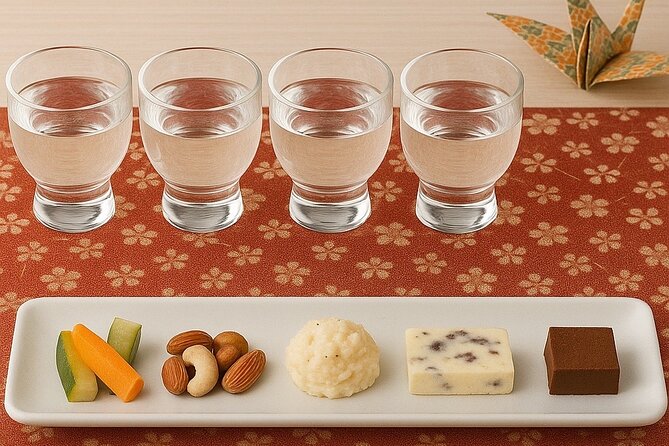
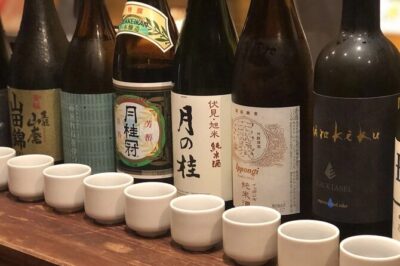
Sake gets way more fun with snacks. This 60-minute workshop at Bar OAGE in Kawaramachi turns Kyoto’s famous drink into something you can actually understand and taste, not just admire. You’ll sample five different sakes and then meet each one with carefully chosen bites.
What I like most is the way the lesson is built: you start with a clear explanation of how sake is made and the rice polishing ratio, then you taste with a guide so it clicks faster. You also get a tasting sheet to help you remember what you liked and why, plus a host who brings the session to life.
One thing to consider: it’s only about an hour, so the portions are meant for tasting, not a full meal. And since it’s an alleyway bar in the center of Kyoto, give yourself a little time to find it calmly.
In This Review
- Key highlights to look for
- Finding Bar OAGE in Kawaramachi’s alley maze
- The 60-minute flow: from intro to paired tasting
- The five sakes: how to taste with confidence
- Pairing sake with snacks: why the bites matter
- Price and value: ¥7,500 for five sakes plus bites
- Best for: beginners, sake fans, and small groups
- Logistics that actually matter on the day
- Tips to get more out of your Kyoto sake pairing
- Should you book this Kyoto sake workshop?
- FAQ
- How long is the sake tasting and pairing experience?
- What’s included in the workshop?
- Where does the workshop take place?
- What time slots are available?
- What is the group size limit?
- Is this suitable for beginners?
- Will there be a group photo?
- Can I get a full refund if I cancel?
Key highlights to look for
- Rice polishing ratio explained visually so you understand why aromas and textures change
- Five sakes in one session so you compare styles (like ginjo and nigori) side by side
- Snack pairings timed to each sake so you learn what food does to flavor
- Tasting sheet support that makes the experience easier to remember later
- Small groups up to 20 people with conversation encouraged
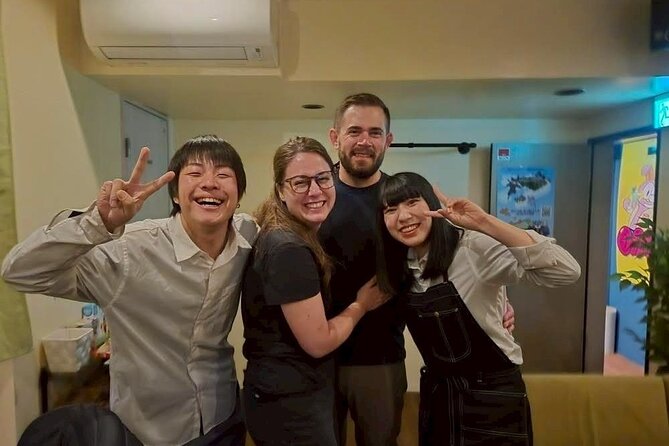
- Group photo at the end to mark the experience (and keep the vibe light)
Finding Bar OAGE in Kawaramachi’s alley maze
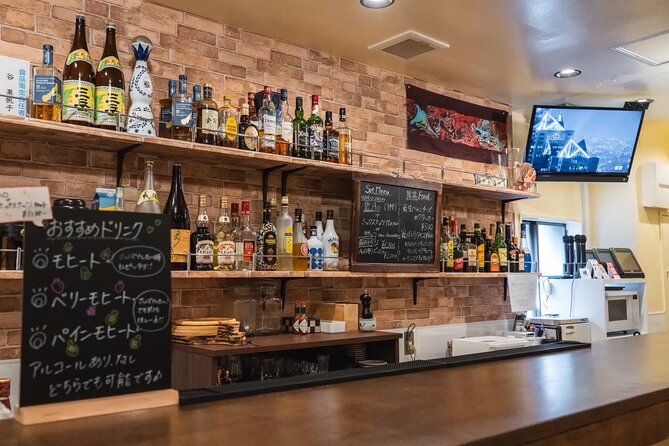
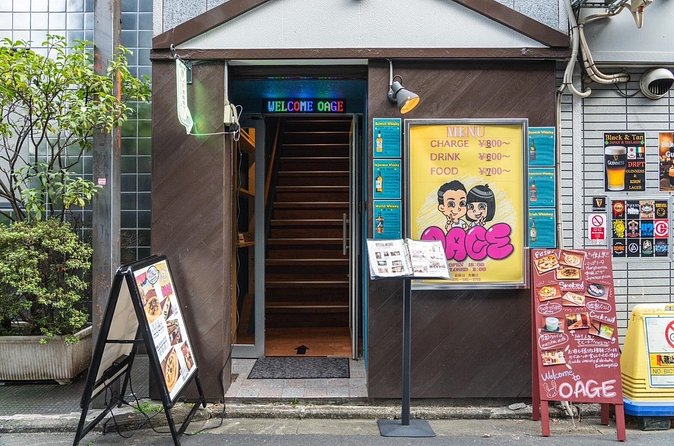
This experience happens at Bar OAGE in the Kawaramachi area, one of Kyoto’s most convenient neighborhoods for an evening out. The venue is described as a bar tucked in an alleyway, so it’s not the kind of place you accidentally stroll past in plain sight. The meeting point is at Shine, 371 Kamiyachō, Nakagyo Ward, and the activity ends back at the same spot, which is helpful for staying oriented.
Why this matters: Kyoto can feel like a puzzle when you’re between streets and looking for tiny entrances. Starting at a specific meeting point keeps you from turning your “fun 60 minutes” into “where is it?” time. I’d still recommend arriving a few minutes early, just to get your bearings fast and settle in before tasting begins.
Also, with public transportation nearby, you’re not stuck with a long walk after the session. That’s a real value in Kyoto, where your best plans often depend on staying flexible with the bus/train rhythm.
Follow the sake trail through Fushimi and beyond
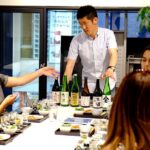
The 60-minute flow: from intro to paired tasting
The workshop runs for about 1 hour, and it follows a clear rhythm. You’ll get a structured explanation first, then taste, then pair. This is a big reason the experience works for both total beginners and people who already like sake.
Here’s how the pacing typically goes:
1) Introductions and sake basics (about 15 minutes)
After you introduce yourself, the host explains the sake-making process, with visual learning. A key takeaway is how much the rice is polished, which is often described as a percentage. The goal isn’t just trivia. It’s to help you recognize that “sake” isn’t one flavor—it’s a range shaped by production choices.
2) The tasting sheet and first round of plain sake
Before pairing food, you taste the day’s five sakes on their own. You’ll receive a tasting sheet and other items so you don’t forget what you’re noticing. This step is smart because it lets you separate what you taste from what the snacks add.
3) Five sakes, explained one by one
The host then explains each of the five sakes, including different aroma and flavor directions—examples include styles like ginjoshu and nigorishu. The point here is to train your attention: aroma, sweetness level, texture, and how clean or cloudy it tastes.
4) Appetizers arrive for pairing
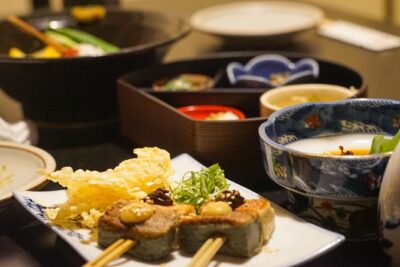
After you’ve tasted the sake alone, appetizers are prepared to match each one. This is where the experience becomes more than drinking. You’ll see how food can soften harsh edges, boost fruit-like notes, or make the aroma feel brighter.
5) Wrap-up and a group photo
At the end, you’ll take a group photo and finish the session. This small ritual makes the workshop feel complete, especially if you’re traveling with friends or want a shared “Kyoto memory” that’s not just a random street photo.
The five sakes: how to taste with confidence
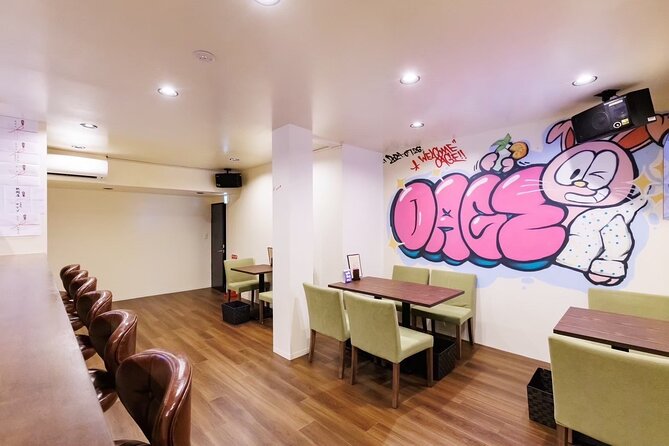
The session is built around a comparison mindset: you try five different sakes, and you get guidance on what makes each one distinct. You’re not left guessing.
You’ll likely encounter styles that differ in both aroma and texture. For example, the workshop mentions ginjoshu and nigorishu as examples of how flavor profiles can change. Even if you’ve never tasted either before, the lesson framework should help you know what to listen for:
- Aroma direction: some sakes lean more fragrant and light, while others can feel richer or more expressive
- Texture: some feel clean and sharp; others feel rounder or cloudier
- Balance: sweetness and acidity show up differently depending on style
One of the best parts is that you taste first, then get explanations. That ordering helps your brain form its own impression before you’re told what you’re supposed to like.
From the reviews, the host experience matters too. In particular, guide Kahoko is described as friendly and passionate, which is exactly what you want in a tasting class. When the host sounds genuinely excited—and explains in a way that keeps the group talking—you end up paying attention instead of just going through the motions.
Pairing sake with snacks: why the bites matter
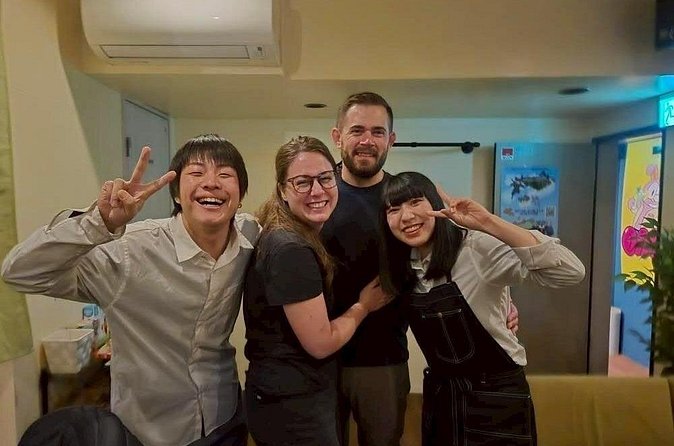
This is a workshop about pairing, not just tasting. The snack component isn’t an afterthought. It’s designed to show the chemistry of flavor in a way you can remember.
Here’s what pairing teaches fast:
- Contrast makes things clearer. A bite can highlight sweetness, soften acidity, or make aroma feel more noticeable.
- Food changes how you perceive the same sake. If you taste one sake plain, then again with its appetizer, you start noticing how the snack shifts the experience.
- You learn practical rules. Even if you don’t take notes, your palate starts to form quick “this works with that” connections.
And because you’re pairing each of the five sakes with its own appetizer, you get repeat practice. That repetition is what turns knowledge into instinct.
If you’re a foodie, this format can be especially satisfying. Kyoto is great for food culture, but sake can feel “abstract” unless someone connects it to what you’re eating. Here, you get that connection step by step.
Price and value: ¥7,500 for five sakes plus bites
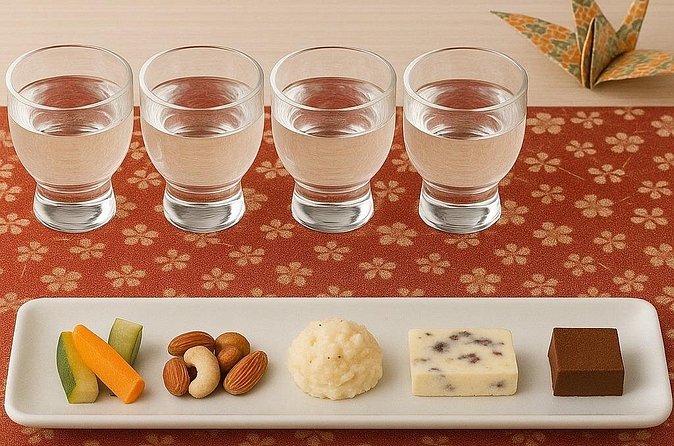
The price is listed as ¥7,500 per person (tax included), and it also appears as $45.53 per person. You get 5 kinds of sake + 5 appetizers, plus a guided explanation and tasting sheet support.
How that value stacks up in real terms:
- You’re paying for a structured tasting experience with a host and materials, not just a drink order
- You get comparison value: five separate tastings in one session is the fastest way to learn what differs between styles
- The pairing component adds real educational value, because it trains your palate through repeated taste changes
The biggest “cost” isn’t money—it’s time. Since it’s about one hour, you’ll want to schedule it when you’re not rushing to another reservation. Think of it as a focused activity that you’ll likely remember more than a typical bar stop.
Other Kyoto tours and experiences to compare



Best for: beginners, sake fans, and small groups
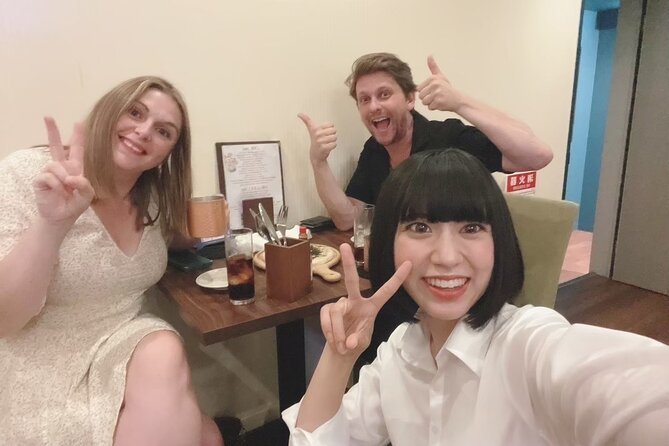
The workshop is explicitly described as ideal for both novices and sake lovers, and the structure supports that.
If you’re new to sake:
- The rice polishing ratio explanation gives you a starting framework
- Tasting first, then learning, prevents you from feeling lost
- Pairings help you connect sake to familiar food experiences
If you already like sake:
- Comparing five styles back-to-back is a clean way to sharpen your preferences
- The guided notes help you put words to what you’re noticing
- The tasting sheet makes it easier to reflect afterward
If you’re going with friends:
- Conversation is encouraged, so it’s not a silent, stiff classroom
- The group photo adds a shared moment
- The max group size of up to 20 helps keep energy friendly
One small consideration: because it’s capped at 20 people, popular time slots can fill. If you can, choose a slot that matches your Kyoto rhythm rather than waiting until the last minute.
Logistics that actually matter on the day
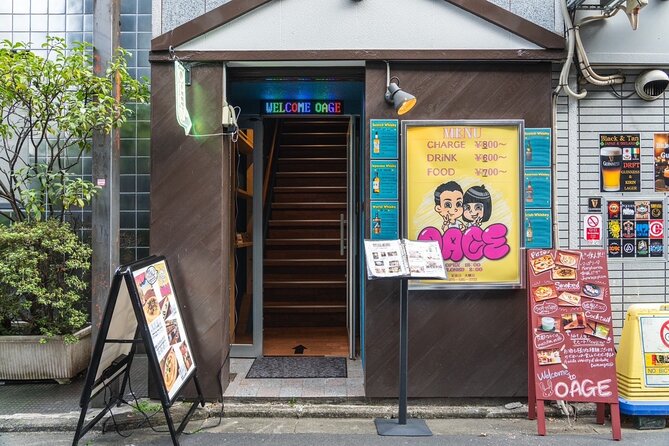
A few practical details can make or break small classes like this:
Timing matters: reception hours are 10:00, 12:00, 14:00, and 16:00. Plan to arrive a few minutes early so you’re not flustered before tasting begins.
Come as you are: there’s no indication this requires anything fancy. It’s a bar workshop, so smart casual is a safe bet.
Mobile ticket: you’ll have a mobile ticket, which keeps things simple when you’re walking around Kyoto with limited patience for paper.
Small amounts, big purpose: you’re tasting five sakes and eating five small pairings. That means you may not feel like you ate a full meal afterward. If you’re scheduling dinner, plan your food timing accordingly.
Tips to get more out of your Kyoto sake pairing
You’ll enjoy this more if you treat it like a short guided tasting mission, not just a drink stop. Here are my best “do this, you’ll thank yourself later” tips based on how the session is designed:
1) Use the tasting sheet, even if it feels silly.
It’s there because your palate changes fast between sakes. Small notes help you remember later, when you’re trying to recreate the experience.
2) Taste the first round without rushing to read the explanations.
The workshop uses a first plain tasting step before pairing, so lean into that. Your comparisons will feel sharper.
3) Take your time with aroma and texture, not only taste.
Sake variety includes aroma differences, and the class mentions flavor and aroma categories like ginjo and nigori styles. Your brain will catch patterns once you slow down a bit.
4) Ask questions during the guided portion.
The host encourages conversation, so if something doesn’t make sense—like what the rice polishing ratio means for flavor—ask. That’s the whole point of the format.
5) If you’re with friends, coordinate your observations.
You can compare what you liked after each pairing. It turns the tasting sheet into a group tool instead of a solo worksheet.
Should you book this Kyoto sake workshop?
Book it if you want a tasting experience that teaches you how sake changes, not just where to drink it. The biggest strengths are the structured comparison (five sakes), the rice polishing ratio learning piece, and the pairing format that shows how snacks affect flavor. Guide Kahoko is specifically called out as friendly and passionate, which matters more than people expect in short classes.
Skip it (or consider another format) if you’re looking for a long sit-down meal or a deeper “explore Kyoto” tour style. This is one hour. You’ll get a focused lesson and pairings, not a full-day adventure.
If you’re in Kyoto and want something memorable that connects food and drink, this is a very solid use of time—especially if you like the idea of learning while you taste.
FAQ
How long is the sake tasting and pairing experience?
It runs for about 60 minutes.
What’s included in the workshop?
You’ll get tasting of 5 kinds of sake and 5 appetizers. A tasting sheet and other items are also provided.
Where does the workshop take place?
The workshop is at Bar OAGE in the Kawaramachi area of Kyoto. The meeting point is Shine, 371 Kamiyachō, Nakagyo Ward, Kyoto, 604-8024, Japan, and the activity ends back at the same meeting point.
What time slots are available?
Reception hours are 10:00, 12:00, 14:00, and 16:00.
What is the group size limit?
The workshop has a maximum of 20 travelers.
Is this suitable for beginners?
Yes. It’s described as ideal for both novices and sake lovers.
Will there be a group photo?
Yes. A group photo is taken at the end of the course.
Can I get a full refund if I cancel?
Yes. Free cancellation is available up to 24 hours in advance for a full refund. If you cancel less than 24 hours before the start time, the amount you paid is not refunded.
More Food & Drink in Kyoto
More Tour Reviews in Kyoto






The Fushimi Sake Trail, Continued
Just added: more Kyoto tours to browse








Kyoto Sake Tasting Tours, compared.
 ★ 5.0Kyoto Night Foodie Tour in Gion (9+ dishes + 6 Sake tastings)From $1631,762 reviews
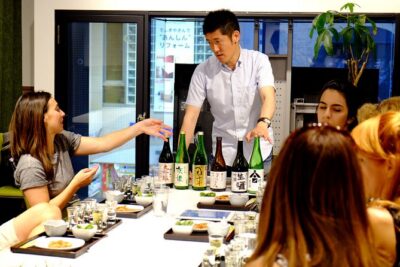 ★ 5.03-Hour Kyoto Insider Sake Brewery Tour with Tastings & PairingsFrom $84917 reviews
 ★ 4.8Arashiyama Bamboo, Temple, Monkeys, or Secret Sake BreweryFrom $87886 reviews
 ★ 5.0Insider Sake Brewery Tour with Sake and Food PairingFrom $87704 reviews
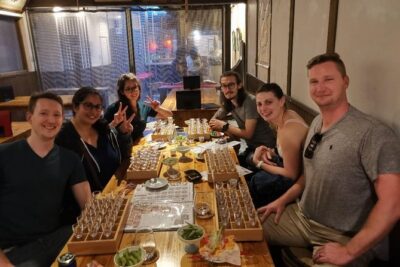 ★ 5.0Kyoto Sake Brewery & Tasting Walking TourFrom $98623 reviews
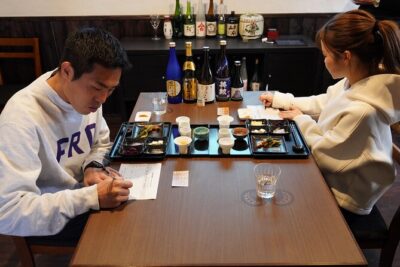 ★ 5.01.5-Hour Kyoto Insider Sake Experience with 7 Tastings & PairingsFrom $68297 reviews
 ★ 5.0Insider Sake Experience with 7 Tastings and SnacksFrom $66266 reviews
 ★ 5.0Private Tea Ceremony and Sake Tasting in Kyoto Samurai HouseFrom $99163 reviews
Browse the lists this tour appears in