
Reviewed · KYOTO SAKE TASTING TOURS
Advanced Kyoto Insider Sake Tasting Experience
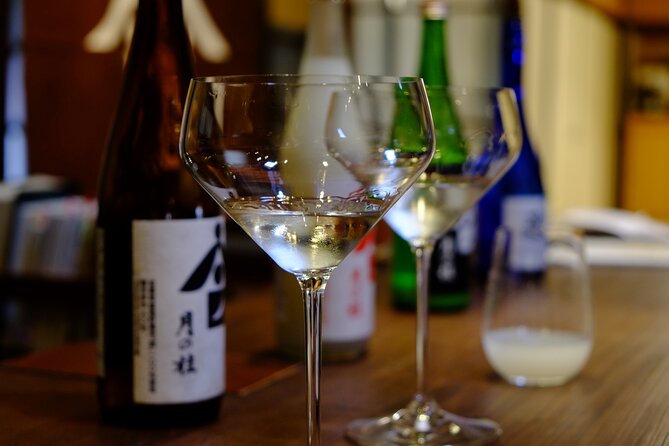
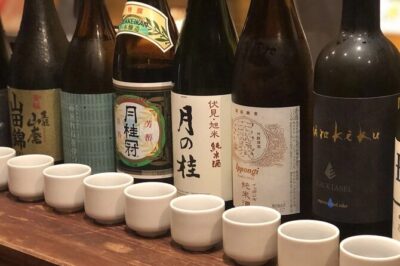
Sake in Kyoto isn’t just a drink. This Advanced Insider Sake Experience is built around comparing 10 carefully selected bottles and learning what actually drives the differences.
What I like most is the way it treats sake like a craft you can study, not a mystery you sip and hope you understand. You get hands-on bottle reading too, so the lesson sticks when you’re back out shopping or ordering at a restaurant.
One thing to consider: this is an alcohol-focused experience with clear rules. If you’re under 20, or if your arrival triggers the alcohol-serving restrictions, you’ll be limited to non-alcoholic drinks, and there’s no refund if you miss the session.
In This Review
- Key takeaways before you go
- What makes this Kyoto sake experience feel advanced
- The 2-hour flow: how you’ll structure your tasting brain
- 10 sake tastings, one big lesson: differences are the point
- Bottle-label practice: what to read when you see Japanese on a menu
- Flavor structure and categories: turning sips into decisions
- Where it happens in Kyoto: Fushimi Ward, a dedicated room, and easy logistics
- Price and value: what $74.64 really buys
- Who should book this, and who might prefer something simpler
- What the experience does especially well
- Should you book this Advanced Kyoto Insider Sake Tasting?
- FAQ
- How long is the Advanced Kyoto Insider Sake Tasting Experience?
- How much does it cost?
- What’s included in the tasting?
- Is food included?
- What is the minimum age requirement?
- What’s the group size limit?
Key takeaways before you go
- 10-bottle comparison format: you’re tasting for contrast, not just sampling
- Expert-led explanations: brewing philosophy, ingredients, and techniques are tied to flavor
- Label-reading practice: you’ll learn how to interpret real bottle info used in restaurants
- Rare styles and methods: ancient techniques, microorganism-driven fermentation, and local wood character
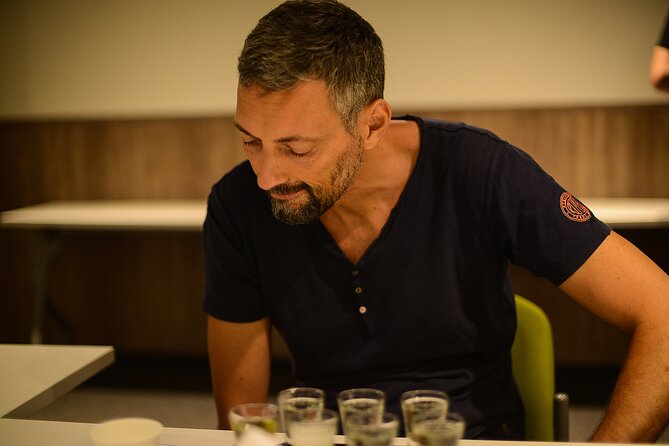
- Small group size: maximum 12 travelers keeps the pace focused and questions realistic
What makes this Kyoto sake experience feel advanced
Most sake tastings are basically a flight: pour, sip, move on. This one is different. The format is built for comparison, which means you’re constantly asking yourself what changed—style, brewing approach, or ingredient choices—and then testing that idea with the next pour.
You’re also not stuck in theory. The experience combines fundamentals (so you’re not lost) with more creative angles: ancient approaches, fermentation techniques that highlight the power of microorganisms, and sake made using local wood that can shift the overall feel and identity of a brew. It’s a smart setup if your goal is to move from liking sake to understanding how to choose it.
Another big plus is the teaching style. Based on the overall tone of the experience and the feedback it has earned, you can expect presentations, guided tastings, and a steady thread of meaning behind each bottle. In other words, the goal isn’t just to taste a lot—it’s to learn how to taste better.
Follow the sake trail through Fushimi and beyond
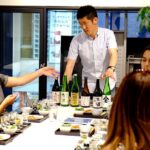
The 2-hour flow: how you’ll structure your tasting brain
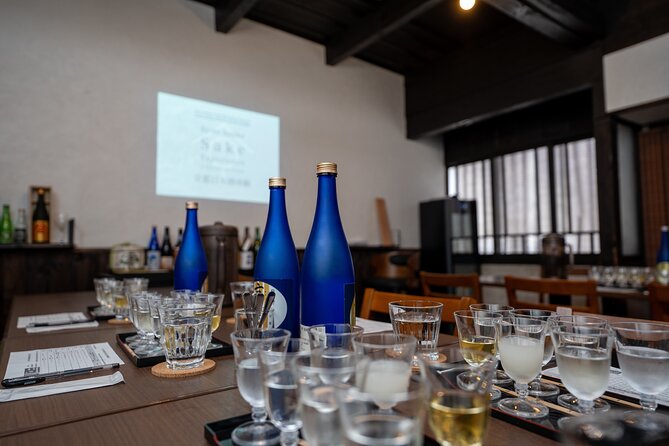
The whole experience runs about 2 hours in a dedicated tasting room, starting and ending at the meeting point in Fushimi Ward (271-1 Kurumamachi, Fushimi Ward, Kyoto, 612-8365). It’s a straightforward schedule, but the pacing matters because you’ll be tasting 10 sakes.
A useful way to think about what happens during those two hours:
- You’ll start with an expert-led framework for how sake is categorized and how flavor can be broken down into recognizable patterns.
- Then you’ll move into the real heart of the experience: side-by-side comparisons across 10 carefully selected bottles.
- Throughout, there’s time for hands-on learning, including reading and interpreting actual bottle labels—stuff that restaurants use when they want to explain what you’re drinking.
That structure is where the “advanced” part lives. You’re not just tasting; you’re building a mental checklist. And once you have one, Kyoto becomes easier to navigate when you’re choosing what to order next.
10 sake tastings, one big lesson: differences are the point
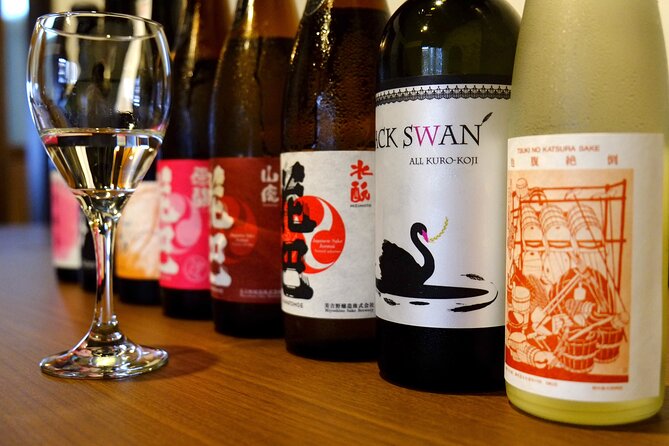
You’ll taste 10 sake in total. The key detail is that each selection is chosen for distinctive brewing approaches and flavor profiles, so each bottle becomes an example in a larger conversation about how sake can change.
Here’s the most practical way to enjoy this portion: don’t treat each pour like a separate experience. Treat it like a clue.
The experience is designed to help you connect brewing philosophy and technique to what you perceive. That includes:
- Sakes brewed using ancient methods, where tradition isn’t just branding—it’s tied to process and result.
- Sakes using innovative fermentation techniques that spotlight microorganisms and their role in shaping the final character.
- Sakes made with local wood, where the materials involved can influence regional character.
Even if you’re brand-new to nihonshu, this comparison setup works because it gives you repeated practice. You learn to notice changes in aroma, flavor structure, and overall impression, then test your judgment bottle-to-bottle.
One more thing: you’ll also receive tasting notes and reference materials. That matters because sake can be hard to remember after the fact—10 bottles is a lot. The notes let you replay the logic later, when you’re deciding what to buy or which style to request.
Bottle-label practice: what to read when you see Japanese on a menu
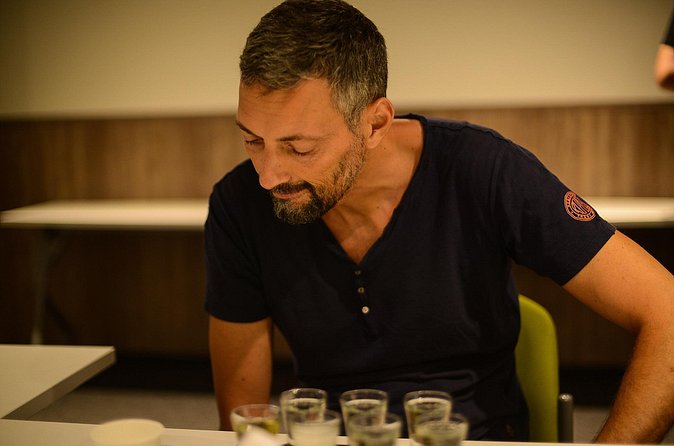
A standard tasting might hand you a brochure. This one goes further with hands-on practice reading real sake bottle labels used in restaurants. That’s a genuinely valuable skill in Japan, because labels and restaurant descriptions are where you’ll find the clues to style.
Even without guessing specific label terms (the experience focuses on teaching you how to read them), you’ll come away with a method. Instead of staring at kanji and hoping, you’ll know how to parse information and connect it to what you tasted.
If you’ve ever wondered why two sakes that sound similar can feel completely different, this is how you start answering that question. The label-reading practice basically turns your tasting experience into a tool you can use after the tour.
It also pairs well with the included explanations of sake styles and brewing methods. You’re not just learning words—you’re learning how words relate to flavor.
Flavor structure and categories: turning sips into decisions
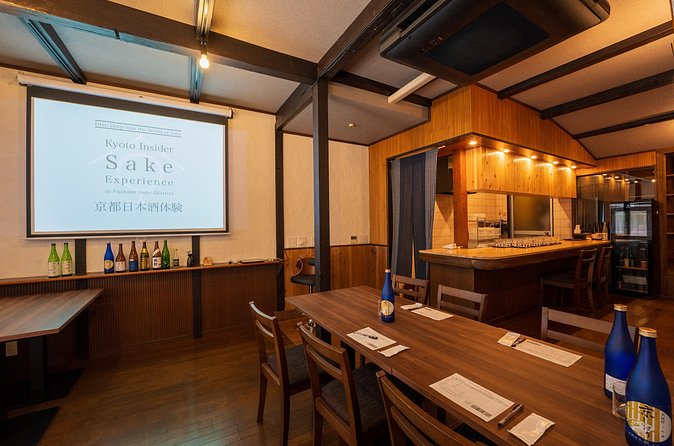
You’ll get detailed explanations of sake styles, brewing methods, and flavor structure. The experience description makes it clear this is meant to go beyond the basics. That sounds intimidating, but the delivery is set up to be approachable.
Think of it like learning how to evaluate, not just what to taste. When you understand how style categories work (at least at a practical level), you stop treating sake like one flavor group. You start recognizing patterns—what tends to come with certain approaches, and what to expect when you see a bottle that signals a specific direction.
The best value in this section is how it changes your behavior later. Instead of ordering randomly or defaulting to whatever looks familiar, you’ll have language and a mental map. That’s what makes an advanced class worth paying for: it gives you a way to choose.
And yes, you’ll keep tasting while you learn. That’s important, because the brain remembers better when theory is attached to repeated sensory input.
Other Kyoto tours and experiences to compare


Where it happens in Kyoto: Fushimi Ward, a dedicated room, and easy logistics
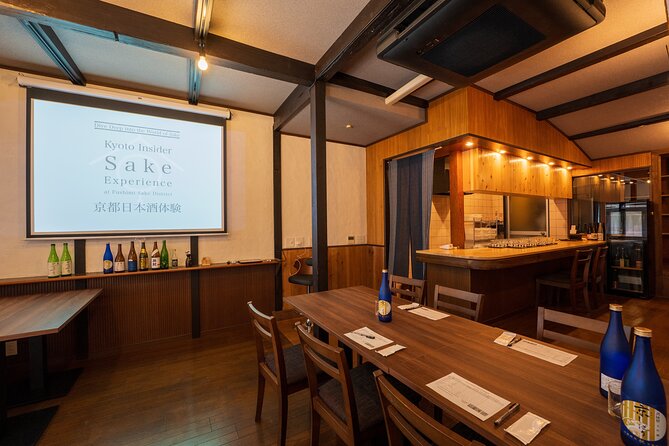
You start at Kyoto Insider Sake Experience at 271-1 Kurumamachi, Fushimi Ward, Kyoto. The tour ends back at the meeting point, and it’s held in the provider’s own dedicated tasting room. That’s good news for your day plan: no hopping around town, no racing between venues.
It’s also described as near public transportation, which matters in Kyoto. If you’re traveling by train or bus, you’ll likely find it manageable.
One smart move: have lunch or brunch before you go. Snacks or food pairing aren’t included, so you don’t want to show up hungry. A full-ish stomach also makes the tasting session easier to enjoy, because 10 sakes can be a lot in a short window.
Also bring ID. Japan’s legal drinking age is 20, and the tour follows that rule. If you’re under 20, you’ll be served non-alcoholic drinks only. You don’t want to discover that at check-in.
Price and value: what $74.64 really buys
At $74.64 per person, this is not a budget tasting. But it’s also not overpriced for what you’re getting.
Here’s where the value comes from:
- 10 sake tastings designed for in-depth comparison
- an expert-led session with detailed explanation of methods and flavor structure
- hands-on practice reading bottle labels used in restaurants
- tasting notes and reference materials so you can learn and remember
- a small group experience (maximum 12), which usually means more interaction and less awkward rushing
When you compare it to cheaper tastings that focus on a handful of pours with limited teaching, the extra cost starts to make sense. You’re paying for a structured learning experience plus a deeper bottle-to-bottle framework. If your travel goal is “come home smarter,” this fits that goal well.
And the format matters for value. Because it’s comparison-based, each bottle has a job. You’re not just tasting; you’re building a repeatable way to evaluate.
Who should book this, and who might prefer something simpler
This experience is designed for people who want to go beyond the basics. It’s approachable for curious beginners, but it’s especially rewarding if you care about the process: philosophy, ingredients, technique, and why flavors shift.
You’ll likely enjoy it if:
- you like drinking sake (nihonshu) and want a higher level of understanding
- you enjoy classroom-style learning mixed with tastings
- you want a practical skill: reading bottle info and using it to choose what to order in Japan
You might want a simpler tasting instead if:
- you’re only looking for a casual, low-effort pour-and-go experience
- you don’t want alcohol at all, since the experience is built around tasting and the rules around age and alcohol service are explicit
- your schedule is so tight that you can’t handle the 2-hour block (and the fact you should eat beforehand)
One more practical consideration: alcohol will not be served to guests who arrive by car or bicycle for safety and legal reasons. Non-alcoholic drinks are available, but if alcohol is a big part of your plan, plan your arrival accordingly.
What the experience does especially well
The overall rating is 5 out of 5 across 44 reviews, with 100% recommended. The praise consistently points to a few standout strengths.
First, people love the learning side. They highlight how much there is to understand about sake—history, brewing methods, and how flavors show up—without turning it into a dry lecture.
Second, the instructor and staff come across as friendly and helpful. The teaching isn’t just facts; it’s guided so you can actually connect what you taste to what you’re hearing.
Third, you don’t just get a quick overview. You taste plenty—10 sakes—and you get enough context to make those tastings meaningful. That combination is exactly what separates an “event” from a “skill-building experience.”
Should you book this Advanced Kyoto Insider Sake Tasting?
Book it if you want more than a snack-sized sake tasting. This is a focused, comparison-based class with real teaching built in: 10 bottles, expert guidance, bottle-label practice, and notes you can take home.
Skip it (or consider another option) if you’re looking for a very casual drinking experience, you don’t want to learn anything, or you’re traveling with constraints around alcohol service rules and age requirements.
If your idea of a great Kyoto day includes learning how something local is made—and then using that knowledge right after—you’ll probably be glad you reserved a spot at this one.
FAQ
How long is the Advanced Kyoto Insider Sake Tasting Experience?
It lasts about 2 hours.
How much does it cost?
The price is $74.64 per person.
What’s included in the tasting?
You get an advanced sake tasting led by an experienced sake expert, tastings of 10 carefully selected sakes, explanations of styles and brewing methods, hands-on practice reading real bottle labels, tasting notes and reference materials, and the guided session in a dedicated tasting room.
Is food included?
No. Lunch or brunch is recommended before the experience, and food pairing or snacks are not included.
What is the minimum age requirement?
Guests must be at least 20 years old. Alcohol will not be served to guests under 20, but non-alcoholic drinks are available.
What’s the group size limit?
The tour has a maximum of 12 travelers.
More Food & Drink in Kyoto
More Tour Reviews in Kyoto
The Fushimi Sake Trail, Continued
Just added: more Kyoto tours to browse



Kyoto Sake Tasting Tours, compared.
 ★ 5.0Kyoto Night Foodie Tour in Gion (9+ dishes + 6 Sake tastings)From $1631,762 reviews
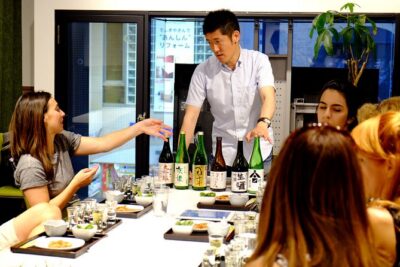 ★ 5.03-Hour Kyoto Insider Sake Brewery Tour with Tastings & PairingsFrom $84917 reviews
 ★ 4.8Arashiyama Bamboo, Temple, Monkeys, or Secret Sake BreweryFrom $87886 reviews
 ★ 5.0Insider Sake Brewery Tour with Sake and Food PairingFrom $87704 reviews
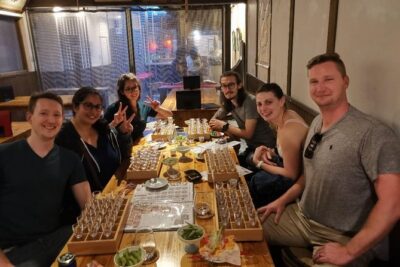 ★ 5.0Kyoto Sake Brewery & Tasting Walking TourFrom $98623 reviews
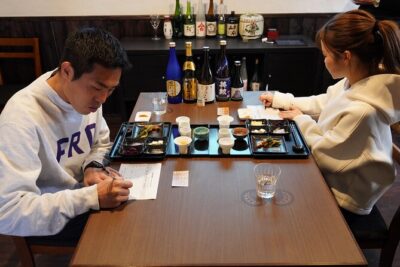 ★ 5.01.5-Hour Kyoto Insider Sake Experience with 7 Tastings & PairingsFrom $68297 reviews
 ★ 5.0Insider Sake Experience with 7 Tastings and SnacksFrom $66266 reviews
 ★ 5.0Private Tea Ceremony and Sake Tasting in Kyoto Samurai HouseFrom $99163 reviews
Browse the lists this tour appears in