
Reviewed · FOOD & DRINK
Kyoto: Replica food making experience
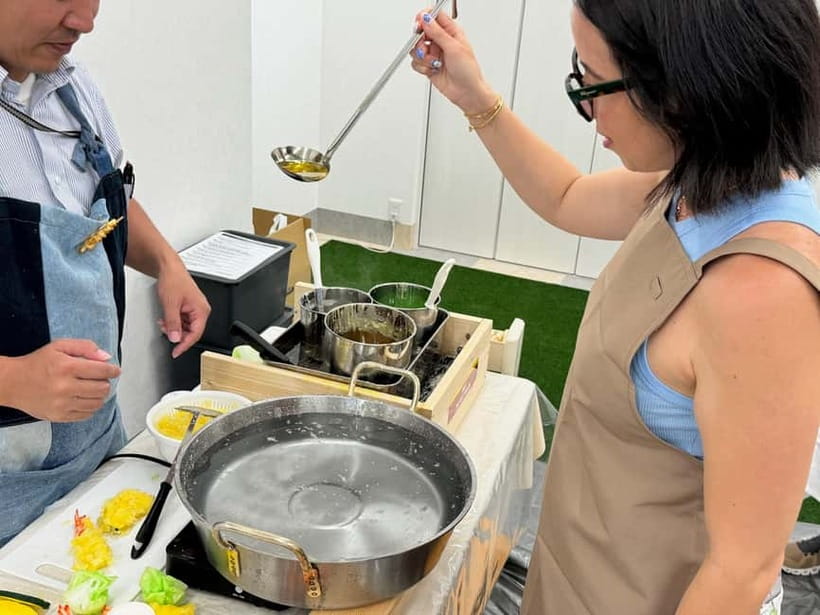
Want a souvenir that looks edible but isn’t? In Kyoto, this melted-wax workshop lets you shape your own shrimp and pumpkin tempura replica, learning the same tricks behind Japanese food displays you see outside restaurants. I love how hands-on it feels, and you’ll also like the payoff: your finished piece comes in display-style packaging you can take home.
The catch is simple. The workshop uses hot wax and tiny details, so expect a little mess and focus. Also, these replicas are for showing off, not for eating, and it’s not suitable for kids under 6.
In This Review
- Key points before you go
- Replica Food 101: Why Kyoto’s Fake Food Isn’t Just a Gimmick
- The 1-Hour Workshop: Tempura Shrimp, Pumpkin, and Optional Lettuce
- Step-by-Step What Happens in the Room (So You’re Not Guessing)
- The Big Moment: Packaging Your Replica Like a Real Product
- Meeting Point and Getting There: Find the Crab, Then the Workshop
- When to Schedule It in Your Kyoto Day
- Price and Value: Is $22 Worth It in Kyoto?
- Comfort, Safety, and Who It Suits Best
- Should You Book This Kyoto Replica Food Workshop?
- FAQ
- What is the duration of the Kyoto replica food making experience?
- Where is the meeting point?
- What foods will I make in the workshop?
- What is the price per person?
- What languages do the instructors speak?
- How big is the group?
- Is it suitable for children?
- What is the cancellation and payment flexibility?
Key points before you go
- Wax-to-food technique: Pour wax into hot water, shape it before it hardens, then build a realistic batter layer.
- Real textures with method: You’ll learn tricks like using different drop heights to create varied surface texture.
- Shrimp and pumpkin tempura + option lettuce: Most people make tempura bowls, with lettuce available as an extra choice.
- Small group for attention: Limited to 4 participants, which means more patience from your instructor.
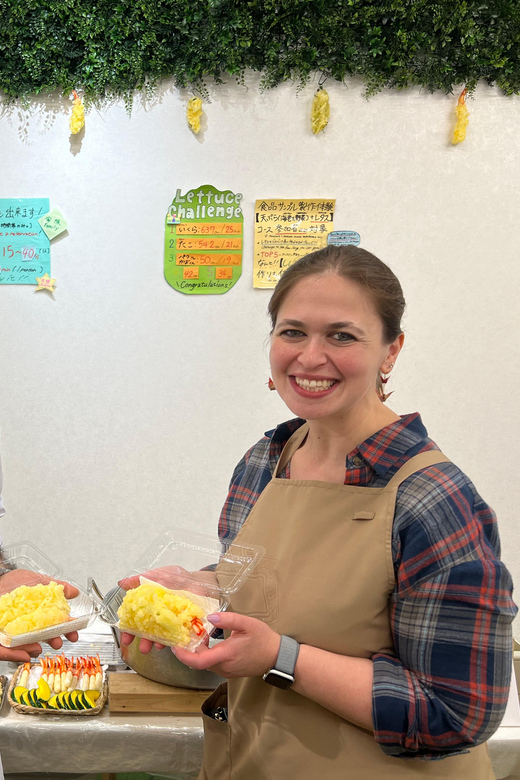
- Take-home packaging: Your replica arrives packaged like supermarket goods for a fun, “real item” presentation.
- Kyoto break from temples: It’s a short, high-energy detour that fits nicely into a food-focused day.
Replica Food 101: Why Kyoto’s Fake Food Isn’t Just a Gimmick
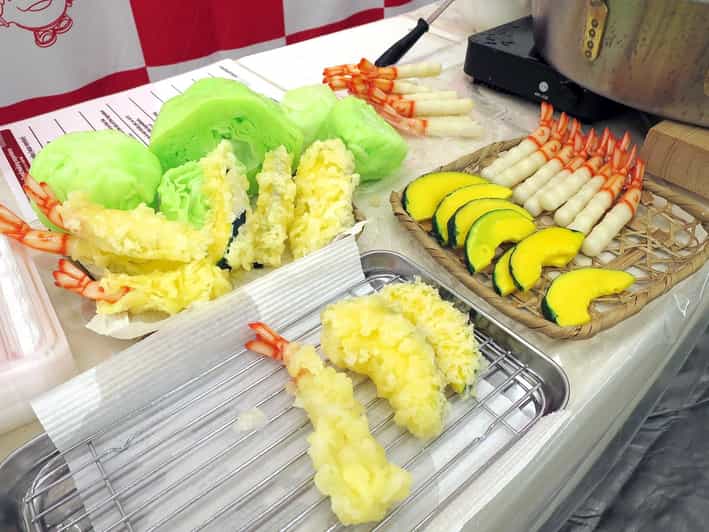
Japanese restaurants have a very practical “menu display” tradition: lifelike food models placed in front of shops. They help people who are deciding from the sidewalk, and they make a restaurant look consistent from day to night. Once you start making your own, you’ll see how much craft goes into getting color, shine, and texture to feel convincing.
This Kyoto workshop focuses on one specific style you’ll recognize fast: tempura-style food replicas. You’re not copying a picture. You’re learning the “materials + pressure + timing” logic behind why these models look so believable.
I like that it teaches culture through a skill. You get a souvenir, yes. But you also leave with a better sense of why Japan spent so much effort on restaurant presentation for decades.
Other Kyoto tours and experiences to compare
The 1-Hour Workshop: Tempura Shrimp, Pumpkin, and Optional Lettuce
Plan on about 1 hour, and come at your reserved time. The class is designed to explain the full process once, then run you through it together. That matters, because the technique depends on timing—wax hardens, batter layers set, and the order is part of the lesson.
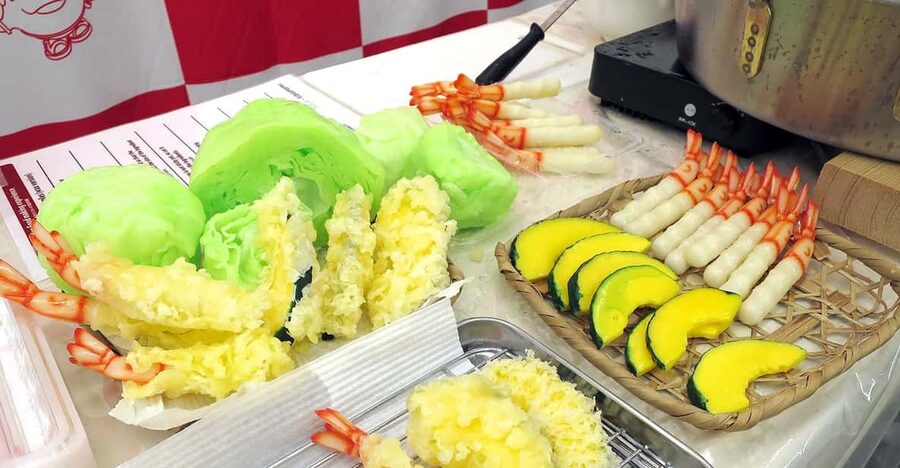
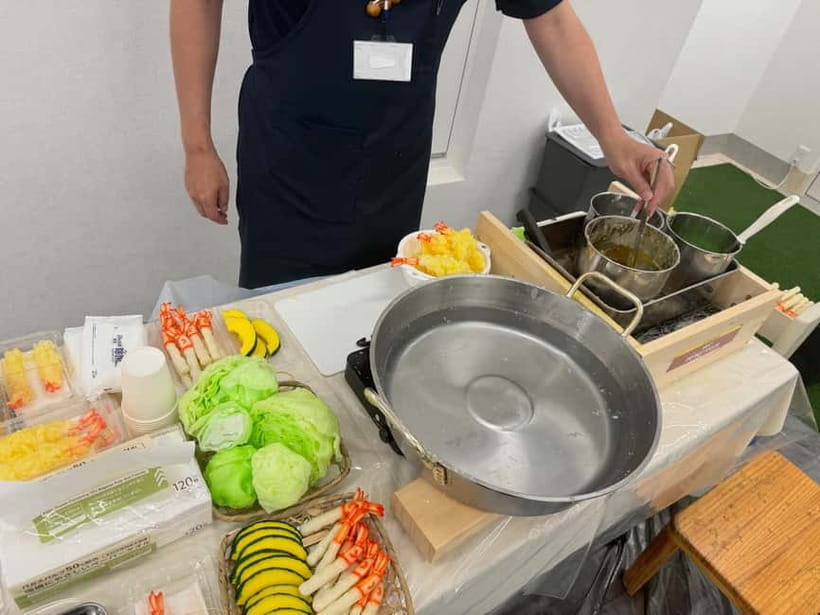
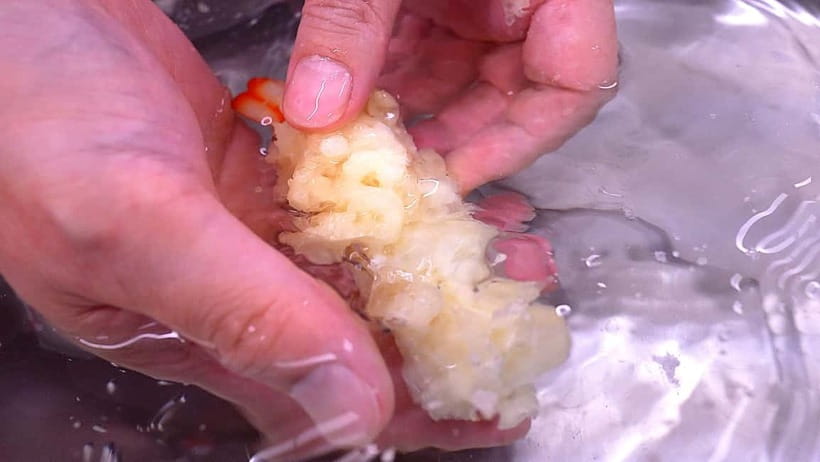
You’ll make two main items for the tempura workshop: shrimp and pumpkin replicas. The method is classic and physical:
- Melted wax is poured into hot water
- You shape the wax before it hardens
- Then you wrap the pieces in a realistic-looking batter layer
This sounds simple until you try it. The good news is the instructors are there to guide your hands. In multiple accounts of the experience, people call out how patient and personable the teachers are, and that they give practical tips while you work.
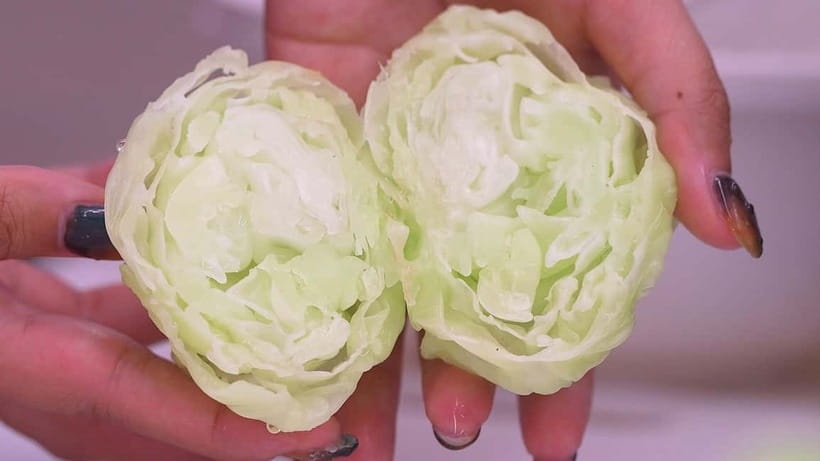
You can also choose a lettuce replica option. That’s a nice way to vary your final bowl so it doesn’t look like every other display you’ll see outside restaurants.
One small detail that elevates the whole craft: the workshop includes texture-building technique, like dropping at different heights so the surface looks less flat. It’s the kind of trick that’s hard to get from a video, but becomes easy once someone shows you what to watch for.
Step-by-Step What Happens in the Room (So You’re Not Guessing)
Even if you don’t speak much Japanese, you’re covered. Instruction is offered in English and Japanese, and the class size is limited to 4 participants. That setup makes it easier for the instructor to slow down when you need clarification.
Here’s the flow you should expect:
- You start by learning the exact order of steps for the wax shaping and batter wrapping
- Then you move into hands-on crafting while your instructor checks your progress
- You’ll practice enough that your replica looks like what it’s supposed to represent, not just a blob of wax
What I appreciate is that this isn’t a “watch and leave” demo. It’s build-and-fix. More than one participant highlighted that they were encouraged to take photos and videos, and that they were given time to practice the look before locking in the final piece.
Also, don’t ignore the practical side. The process involves hot wax, and small pieces can pick up residue. If you’re worried about getting marks on clothing, you might want to wear something you don’t mind slightly adjusting.
The Big Moment: Packaging Your Replica Like a Real Product
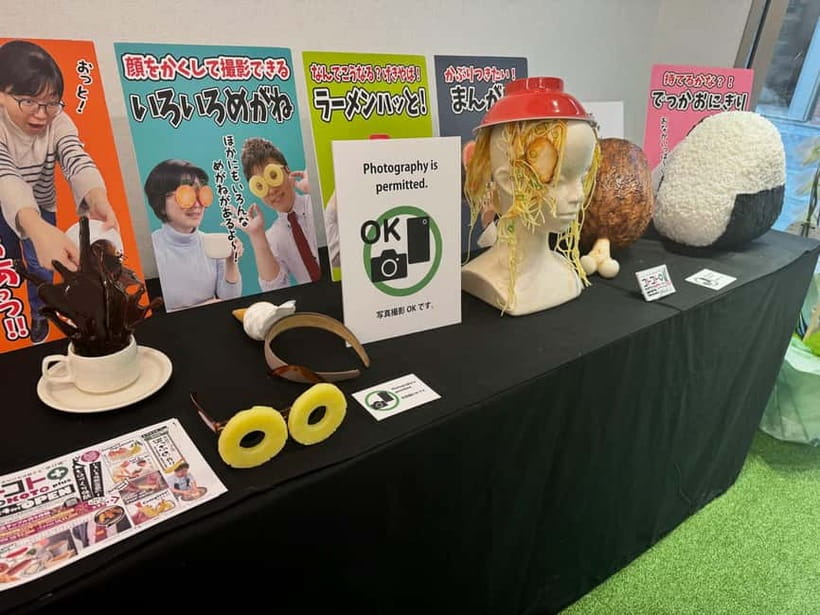
The most satisfying part is what you carry out at the end. You don’t just leave with something fragile in a bag. You leave with your replica food packed like real supermarket items.
That packaging detail is more than cute branding. It turns your creation into a “finished object” with display value, the same way restaurant food samples are meant to be seen at a distance. The result is a souvenir that looks intentional, not improvised.
One friendly reminder is worth taking seriously: these replicas are for display only. They’re designed to fool the eye, not your stomach. So keep the packaging closed, and label it mentally as your desk or shelf project.
If you like food-themed crafts, this is one of the few souvenirs that’s both personal and visually sharp. It also travels relatively well because it’s meant to be protected.
Meeting Point and Getting There: Find the Crab, Then the Workshop
Your meeting point is diagonally across from Kani Douraku, a spot recognized by its large crab sign. That’s helpful because Kyoto can be a maze of lanes and small storefronts, especially when you’re arriving during busy hours.
Once you’re in the right area, you’re in a very practical neighborhood for pairing activities. One account described the workshop as being in the Sanjo Meiten-gai shopping arcade, which is exactly the kind of place where you can make this an easy add-on between food stops.
You can also combine it with the kind of Kyoto food wandering you’ll naturally want anyway. People noted it’s not far from places like Nishiki Market, so you can do this, then pivot back toward snacks and sight-seeing.
Other Kyoto tours and experiences to compare


When to Schedule It in Your Kyoto Day
Because the class is about 1 hour, you can treat it like a reset button in the middle of a walking day. Do it when you still have enough energy to focus on details, not when you’re totally fried from temples and museum lines.
Here’s how I’d place it:
- If you’re doing heavy sightseeing in the morning, plan the workshop for the early or mid-afternoon.
- If you’re already on a food mission, schedule it right before a meal so you stay in the right mindset.
One practical benefit: the workshop area is near plenty of tempting food options. More than one participant said that after seeing their replica tempura, they ended up craving the real thing nearby. That’s a win-win, as long as you remember your replica is not dinner.
Price and Value: Is $22 Worth It in Kyoto?
At $22 per person, this sits in the “affordable workshop” range rather than the “expensive ticket experience” category. The value comes from what you get, not from anything theatrical.
You’re paying for:
- A guided hands-on skill (wax shaping + batter layering)
- An instructor who works with small groups
- Supplies included
- A take-home replica you designed yourself, packaged like a real product
A lot of Kyoto activities are either long (full-day) or passive (museum-style). This is short, interactive, and goal-based. You’ll actually finish something you can display—plus you’ll understand the logic behind Japan’s food sample culture in a way that just looking can’t provide.
If you like practical crafts and food culture, it’s a strong deal. If you’re hoping for a lesson about Kyoto history or a major walking tour, you might find this too focused and too short.
Comfort, Safety, and Who It Suits Best
This activity isn’t for everyone, and that’s okay. It’s not suitable for children under 6. If you’re traveling with kids above that age, the workshop may ask for parental assistance depending on the child.
The biggest practical consideration is the material itself: hot wax. That doesn’t mean it’s unsafe when run properly, but it does mean you should expect a workshop feel, not a clean gallery vibe.
The setup is also designed for attention. Because it’s limited to 4 participants, you’re less likely to feel lost. People consistently mentioned the instructors being patient and friendly, and that communication works well even when Japanese is limited because the class offers English instruction.
If you hate crafts that require close handwork, you might find the process challenging. If you like learning by doing—and you can handle a little mess—this is exactly the kind of Kyoto break that keeps the trip interesting.
Should You Book This Kyoto Replica Food Workshop?
Book it if you want a hands-on Kyoto souvenir that’s genuinely different from photo stops. The combination of lifelike results, small group attention, and the culture behind restaurant food displays makes this a smart use of an hour.
Skip it if your idea of fun is mainly eating and wandering, and you don’t want any craft work with hot materials. Also skip if you’re traveling with kids under 6.
If you’re on the fence, I’d decide based on your travel style: if you enjoy interactive activities, this is a clear yes for your itinerary.
FAQ
What is the duration of the Kyoto replica food making experience?
The experience lasts 1 hour.
Where is the meeting point?
You meet diagonally across from Kani Douraku, which has a large crab signboard.
What foods will I make in the workshop?
You’ll learn to make shrimp and pumpkin tempura using melted wax, and you can also choose an option to make a lettuce replica.
What is the price per person?
The price is $22 per person.
What languages do the instructors speak?
The instructor is available in English and Japanese.
How big is the group?
It’s a small group, limited to 4 participants.
Is it suitable for children?
It is not suitable for children under 6. The staff may ask for parental assistance for children.
What is the cancellation and payment flexibility?
You can cancel up to 24 hours in advance for a full refund, and you can reserve now & pay later (pay nothing today).
More Food in Kyoto
More Food & Drink in Kyoto
More Tour Reviews in Kyoto

Just added: more Kyoto tours to browse




Food & Drink, compared.
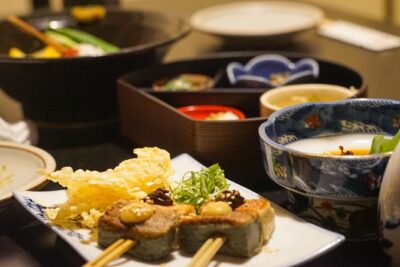 ★ 5.0Kyoto Night Foodie Tour in Gion (9+ dishes + 6 Sake tastings)From $1631,762 reviews
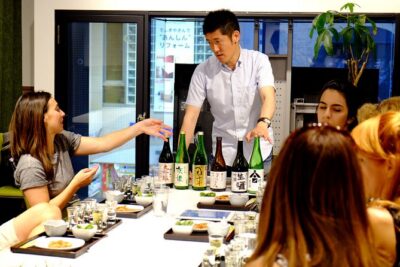 ★ 5.03-Hour Kyoto Insider Sake Brewery Tour with Tastings & PairingsFrom $84917 reviews
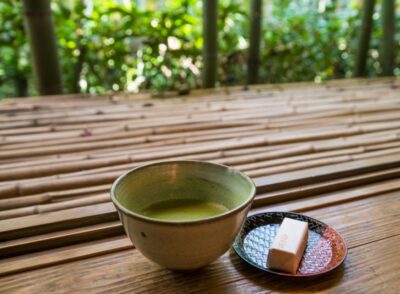 ★ 4.8Arashiyama Bamboo, Temple, Monkeys, or Secret Sake BreweryFrom $87886 reviews
 ★ 5.0Insider Sake Brewery Tour with Sake and Food PairingFrom $87704 reviews
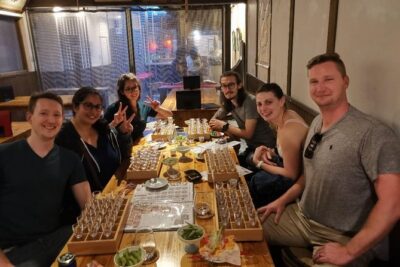 ★ 5.0Kyoto Sake Brewery & Tasting Walking TourFrom $98623 reviews
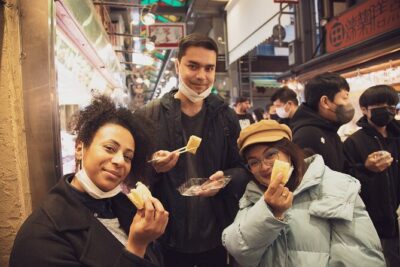 ★ 5.0Kyoto Nishiki Market Food and Culture Walking TourFrom $80412 reviews
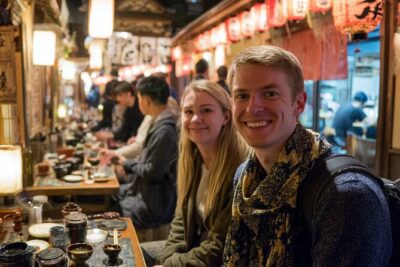 ★ 5.0Gion Food Tour 13 Dishes at 4 EateriesFrom $72408 reviews
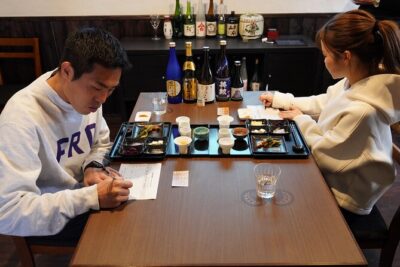 ★ 5.01.5-Hour Kyoto Insider Sake Experience with 7 Tastings & PairingsFrom $68297 reviews
Browse the lists this tour appears in