
Reviewed · KYOTO FOOD TOURS
Kyoto: Kaiseki Reservation at Hanasaki Manjiro
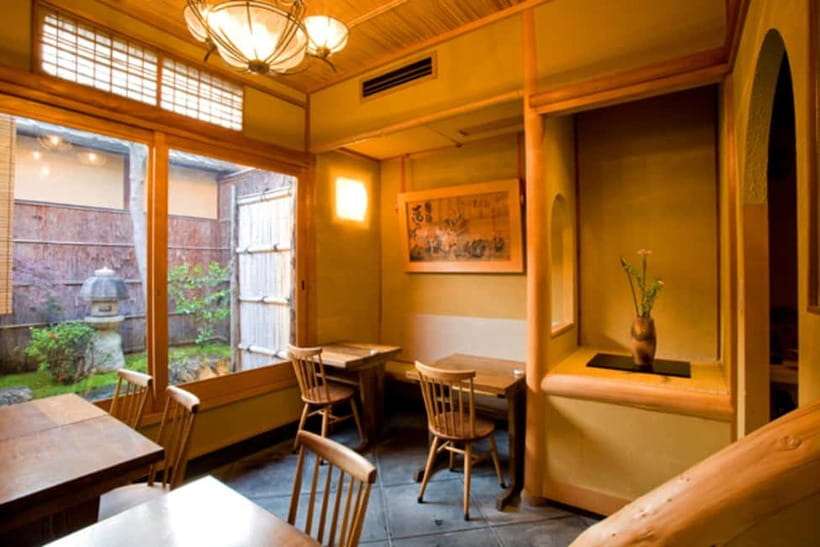
A quiet meal in old Kyoto changes the pace. This seasonal kaiseki dinner at Hanasaki Manjiro is set in a restored Higashiyama machiya townhouse, just a short walk from Kodaiji and the Higashiyama Sando.
What I like most is the way the courses follow the season, using Kyoto vegetables and local ingredients with a careful, Kyoto-style presentation. The second big win is the private tatami room experience with a calm garden view, but there’s one catch: drinks are not included (only water), and the full course can feel quite filling if you snack all day.
In This Review
- Key Things to Know Before You Go
- Why Hanasaki Manjiro Feels Like Real Kyoto, Not a Theme Meal
- Getting There: From Gion-Shijo or Kawaramachi
- The Check-In Moment: What “No Guide” Means for Your Evening
- Inside the Townhouse: Tatami Rooms and Garden Quiet
- The Kaiseki Menu: Seasonal Courses, Kyoto Vegetables, and the 9-Course Option
- How the Meal Flows Over Two Hours
- Optional Maiko or Geiko Performances: When to Ask
- Price and Value: Is $48 Good for Kaiseki?
- Best Timing: Pair It With Kodaiji, Chion-in, and Kiyomizu-dera
- Who Should Book This Kaiseki Dinner (And Who Might Skip)
- Should You Book Hanasaki Manjiro?
- FAQ
- How long is the kaiseki reservation at Hanasaki Manjiro?
- What does the $48 price include?
- Are drinks included?
- Where is the meeting point?
- Do I need a guide for the experience?
- Is this reservation only?
- Is there a cancellation option?
- Can I reserve now and pay later?
- Is it wheelchair accessible?
- Can they arrange a maiko or geiko performance?
Key Things to Know Before You Go
- A restored 120-year-old machiya townhouse keeps the whole meal feeling like Kyoto, not a restaurant in a modern box
- Seasonal Kyoto kaiseki focuses on Kyoto vegetables and local ingredients, course by course
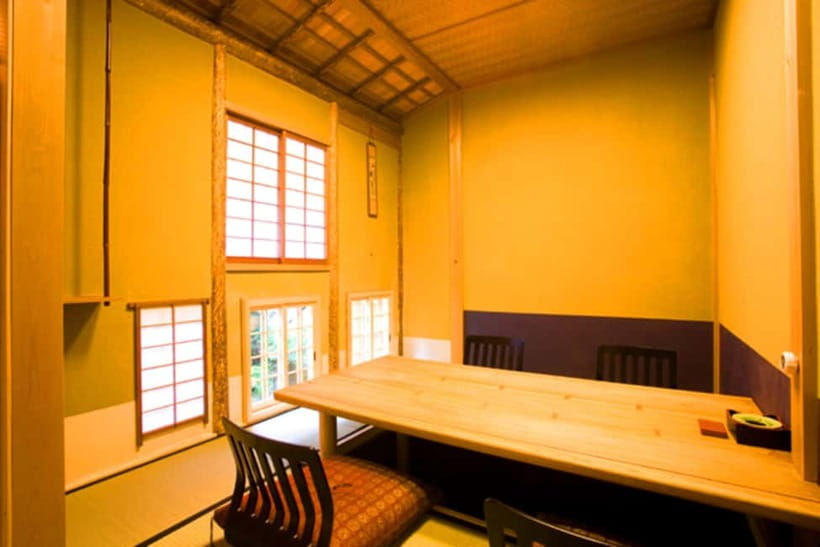
- Private tatami rooms with garden views make it feel quieter and more intimate than the street outside
- Perfect for a Higashiyama landmark day since you’re near Kodaiji, Chion-in, and Kiyomizu-dera
- Maiko or geiko performances may be arranged if you request it
- Water is included, other drinks cost extra, so plan your budget accordingly
Why Hanasaki Manjiro Feels Like Real Kyoto, Not a Theme Meal
Kyoto’s best meals don’t just taste good. They teach you how to slow down. At Hanasaki Manjiro, the setting does a lot of the work for you: you’re in a historic machiya townhouse that’s about 120 years old, restored for dining, with the feel of old Kyoto still intact.
You’re also in the Higashiyama area, close to major sights. That matters because it lets you build a day that feels like Kyoto, not a rushed hop from landmark to landmark. You can walk the Higashiyama Sando ambiance, then step into a calmer pocket where the pace changes for about two hours.
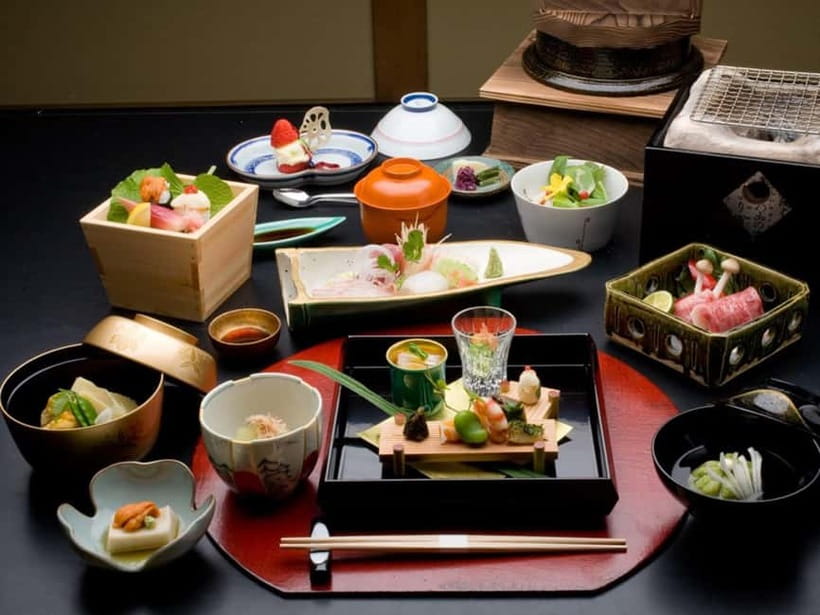
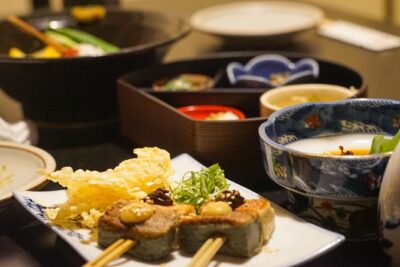
The food is the other big reason this works. This is seasonal kaiseki, and the menu is built around Kyoto vegetables and local ingredients. In kaiseki, that usually means you’re tasting more than flavors—you’re tasting timing and balance. The plates tend to look as intentional as they taste.
Still hungry? More tastes of Kyoto

Getting There: From Gion-Shijo or Kawaramachi
Hanasaki Manjiro is easy to reach on foot if you’re already exploring central Kyoto.
Your walk options:
- About a 10-minute walk from Gion-Shijo Station (Keihan Main Line)
- About a 15-minute walk from Kawaramachi Station (Hankyu Kyoto Line)
I like this kind of location because it keeps your day flexible. If your morning runs a bit long, you’re not stuck with a strict transit schedule. You can adjust your route through Higashiyama Sando and still arrive on time.
One important note: this is a reservation-only experience. When it’s time, you enter the restaurant directly. There’s no guide escorting you inside, so give yourself enough buffer to find the entrance calmly.
The Check-In Moment: What “No Guide” Means for Your Evening
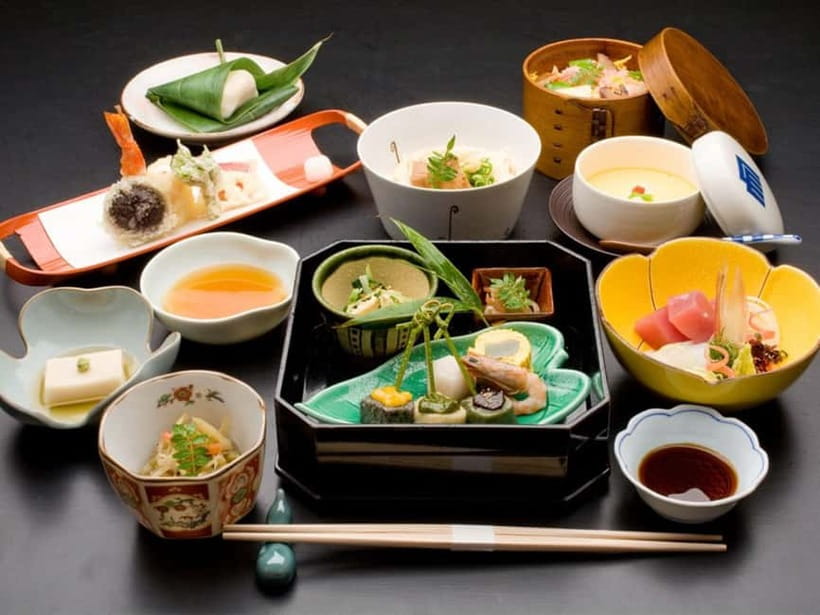
This experience doesn’t include a guide, which can actually be a plus. You’re not sitting through a lecture while you wait for the first course. Instead, the focus stays on the meal and the room.
It also means you should plan to arrive ready to enjoy. If you’re someone who loves asking questions, you’ll still likely be able to learn a lot from the staff explanations during the meal, but you shouldn’t expect a formal guided narrative beforehand.
If you care about language support, a recent diner shared that a guide named Mihoko handled questions smoothly and had excellent English. Even if you don’t get a dedicated guide, this suggests the communication can be very workable.
Inside the Townhouse: Tatami Rooms and Garden Quiet
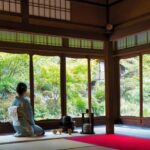
The restaurant experience is designed around atmosphere. You’re offered private tatami rooms, and many of them come with a view of a tranquil garden. That garden view is not just decoration. In Kyoto dining, it helps set the rhythm so your senses slow down with the food.
A townhouse layout also changes how you feel during the meal. In many modern restaurants, you notice noise and foot traffic. Here, your world shrinks to your room: the season outside, the courses moving in order, and the small details of service.
If you’re traveling with someone you want to talk with—partner, friend, family—this kind of privacy tends to make the night feel special without needing a big announcement. It’s intimate in a natural way.
The Kaiseki Menu: Seasonal Courses, Kyoto Vegetables, and the 9-Course Option
This is full course kaiseki (the exact menu structure can vary by season). One diner specifically mentioned a 9-course menu and described it as genuinely enjoyable and detailed, with staff explaining things thoroughly.
What should you expect from a kaiseki meal in this Kyoto style?
- Courses that move through different textures and temperatures
- Ingredients that highlight what’s seasonal in Kyoto
- Careful plating that looks planned, not random
The ingredients are a key point: the menu is built around Kyoto vegetables and local ingredients. That matters for two reasons. First, it helps you avoid feeling like you’re eating the same “Japanese restaurant menu” you might find anywhere in the country. Second, it gives you a sense of place. Kyoto is famous for its culinary identity, and kaiseki is where that shows.
Portion reality check: one recent diner said the courses were generous, and even had eel rice packed to go. That’s a good sign for value, but it also suggests you should not show up starving in the sense of being frantic, and you may not want to over-snack beforehand. If you know you prefer lighter portions, ask whether there’s a smaller course option.
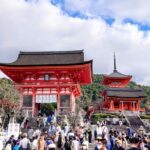


How the Meal Flows Over Two Hours
You’re booked for about 2 hours, which is a good length for kaiseki. It gives time for multiple courses without dragging you through a long sit.
In practice, the course flow is usually paced so you can:
- Eat slowly
- Notice flavors without rushing
- Let the next course reset your palate
This pacing is part of why the meal feels cultural rather than just food. Kaiseki is built around sequencing—what you eat matters, but so does what you eat next.
If you’re timing this around sightseeing, think of dinner as a “reset button.” You can walk a few temples or streets earlier, then treat the meal like a pause where Kyoto changes gears.
Optional Maiko or Geiko Performances: When to Ask
One of the more interesting add-ons here is that maiko or geiko performances can be arranged upon request.
Not every meal will include entertainment, and the details aren’t guaranteed in the information you have. But if you want a more performance-forward Kyoto night, this option is worth asking about when you confirm your reservation.
Practical tip: if you plan to add a performance, keep your expectations flexible. Your main focus here is still the kaiseki. If entertainment happens, it becomes a bonus layered onto the dining experience.
Price and Value: Is $48 Good for Kaiseki?
The price is listed at $48 per person, and your booking includes the full course menu and sales tax, plus the reservation itself. Drinks are not included except for water.
So what do you actually get for that number?
- A full kaiseki meal (not a light appetizer-and-something plan)
- The historic machiya dining setting
- Private tatami room time with a garden view
- A meal designed around seasonal Kyoto ingredients
For Kyoto, $48 is the kind of price that can make a kaiseki experience feel within reach rather than purely “special occasion only.” And the setting is part of the value. Kaiseki in a restored townhouse near Higashiyama landmarks isn’t just food—it’s atmosphere, privacy, and that old-town mood you can’t fake with a table in a generic dining room.
The one thing to factor in is drinks. If you want tea, sake, beer, or cocktails, budget extra. Water included is helpful, but most people will want something beyond that if they’re treating the night as a celebration.
Best Timing: Pair It With Kodaiji, Chion-in, and Kiyomizu-dera
This spot is ideally located for a Higashiyama temple day:
- Kodaiji Temple nearby
- Chion-in nearby
- Kiyomizu-dera within walking distance range
If you’re building the day, I’d do it like this:
- Morning: go for temples early when the streets feel calmer
- Afternoon: wander Higashiyama Sando for atmosphere and photos
- Evening: come to kaiseki when you want quiet and warmth
Because the restaurant sits in a peaceful area, it can feel like a reward after sightseeing. You’ll also likely avoid the most stressful parts of landmark crowds by finishing your day with dinner in a quieter space.
If you hate walking too much at night, keep an eye on how tired you get. The restaurant is close to sights, but Higashiyama streets can mean a lot of walking and stairs.
Who Should Book This Kaiseki Dinner (And Who Might Skip)
This is a strong fit if you:
- Want a real Kyoto-feeling dining night, not just another restaurant meal
- Like seasonal food and Kyoto vegetable flavors
- Appreciate privacy and a calm room setting
- Are celebrating something or just want a special evening routine
It may not be your best choice if you:
- Want unlimited drinks included in the price
- Prefer large, filling meals without the pacing of kaiseki
- Want a guided experience with a person leading the narrative (this one has no guide)
If you’re on the fence about portion size, remember the full course can be generous. If you prefer lighter eating, ask about a smaller course option before committing to the full set.
Should You Book Hanasaki Manjiro?
I’d book it if you’re doing Higashiyama and you want one meal that feels distinctly Kyoto. The mix of a 120-year-old machiya, private tatami room calm, and seasonal kaiseki with Kyoto ingredients is exactly the kind of value you look for in Kyoto: strong place, strong food, and a slower pace that makes the rest of your day feel better.
Book it less if drinks matter to your budget or if you know you won’t enjoy multi-course pacing. In that case, you might choose a different dinner style where the portion and drink setup match your preferences.
FAQ
How long is the kaiseki reservation at Hanasaki Manjiro?
The experience lasts about 2 hours.
What does the $48 price include?
It includes the full course menu, sales tax, and the reservation.
Are drinks included?
Drinks are not included except water.
Where is the meeting point?
Plan to walk about 10 minutes from Gion-Shijo Station (Keihan Main Line) or about 15 minutes from Kawaramachi Station (Hankyu Kyoto Line).
Do I need a guide for the experience?
No guide is provided. You enter the restaurant directly when it’s time for your reservation.
Is this reservation only?
Yes, it’s a restaurant reservation only.
Is there a cancellation option?
Yes. You can cancel up to 24 hours in advance for a full refund.
Can I reserve now and pay later?
Yes, you can reserve now & pay later.
Is it wheelchair accessible?
Yes, it’s listed as wheelchair accessible.
Can they arrange a maiko or geiko performance?
Maiko or geiko performances can be arranged upon request.
More Tour Reviews in Kyoto
More Kyoto Food Tours


Just added: more Kyoto tours to browse




Kyoto Food Tours, compared.
 ★ 5.0Kyoto Night Foodie Tour in Gion (9+ dishes + 6 Sake tastings)From $1631,762 reviews
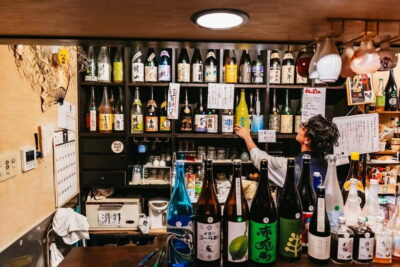 ★ 4.7Kyoto Night All-Inclusive Eats and Streets, Gion and BeyondFrom $92601 reviews
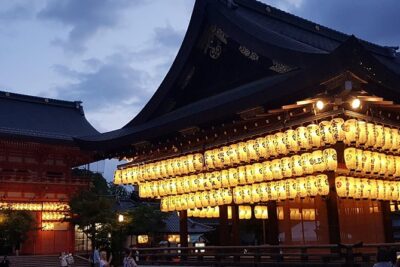 ★ 4.5Kyoto Nighttime All-Inclusive Eats and Streets, Gion and BeyondFrom $119464 reviews
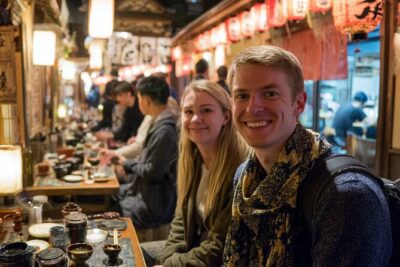 ★ 5.0Gion Food Tour 13 Dishes at 4 EateriesFrom $72408 reviews
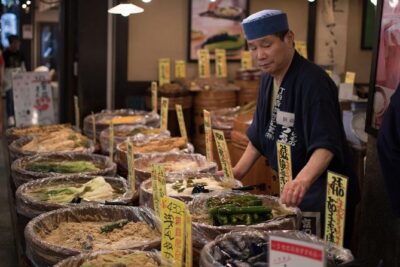 ★ 5.0Kyoto Foodie Night TourFrom $102376 reviews
 ★ 4.9Gion & Pontocho Food Tour with 13 DishesFrom $82235 reviews
 ★ 5.0Gion Local Food Tour (Taste 15 Dishes)From $94171 reviews
 ★ 4.7Local Food Tasting Tour at the Nishiki MarketFrom $78135 reviews
Browse the lists this tour appears in