
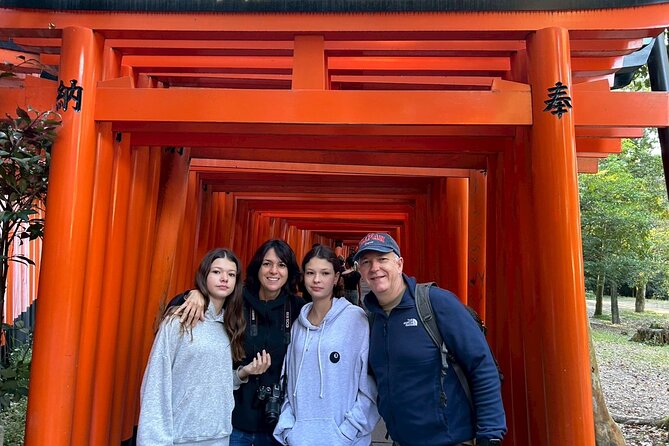
Reviewed · FUSHIMI INARI SHRINE TOURS
Crowd-Free Kyoto: Fushimi Inari, Nijo Castle & Kinkaku-ji
Kyoto without the crush is the goal. I like the way this tour front-loads Fushimi Inari so you see the Senbon Torii before the biggest lines. I also love that you’re not just checking boxes; your guide adds stories that make places like Nijo Castle easier to understand. One practical catch: temple admissions for Nijo Castle and Kinkaku-ji aren’t included, so you’ll pay those on top.
The whole day is planned as a smooth, private route, not a sprint. It runs about 5 hours, starting at Kyoto Station’s South Square and ending at Kinkaku-ji, so you can keep your other sightseeing flexible without feeling like you’re trapped on a fixed group schedule.
And the guide quality seems consistently strong. In the reviews, I saw praise for guides like Tom, Ryu, Kazuya, and Maki—with comments about answering questions and sharing cultural context. That matters, because Kyoto’s famous sights can feel like a blur if nobody explains what you’re looking at and why it’s important.
In This Review
- Key points at a glance
- Why this crowd-free Kyoto route feels calmer
- Fushimi Inari’s Senbon Torii: the best time to go
- Nijo Castle and the Tokugawa Shogun story you’ll remember
- Kinkaku-ji Golden Pavilion: what makes it click on arrival
- What a private guide actually changes in Kyoto
- Price and what value really looks like here
- Timing tips for a smooth 5-hour day
- Who this tour suits best (and who might want something else)
- Should you book this crowd-free Kyoto highlights tour
- FAQ
- How long is the Kyoto tour?
- Where does the tour start and end?
- Is this tour private?
- What is the price per person?
- Is the Fushimi Inari admission ticket included?
- Are tickets for Nijo Castle and Kinkaku-ji included?
- Is food or drinks included?
- What happens if the weather is poor?
- Can I cancel for a full refund?
Key points at a glance
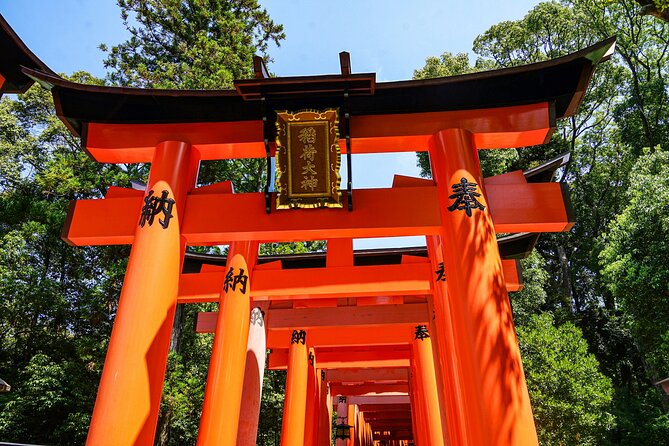
- Early timing at Fushimi Inari helps you see the torii path before it gets full
- Private guide means slower pacing and room for questions
- UNESCO Nijo Castle focuses on the standout Ninomaru Palace and the Tokugawa Shogun connection
- Kinkaku-ji’s Golden Pavilion is the headliner, with gold-leaf visuals that stay memorable
- Mobile ticket makes it easier to manage your day without extra admin
Why this crowd-free Kyoto route feels calmer
Kyoto is gorgeous, but it can also feel like a managed queue system. This tour’s main selling point is simple: it’s designed to avoid the busiest times where possible. That approach changes everything. You can actually look around instead of doing the human shuffle.
Another reason it works is the structure. You’re not bouncing randomly across the city. You start at Kyoto Station, then head to Fushimi Inari, then move on to Nijo Castle, and finish at Kinkaku-ji. That one-direction flow helps you stay focused and reduces the “where do we go next?” stress.
The private format also matters. With only your group, you don’t get dragged away from a scene you’re still enjoying, and you’re not stuck listening to a guide talk over your shoulder while you try to take photos. It’s a more relaxed pace than shared group tours, and that makes a big difference in a city where walking time stacks quickly.
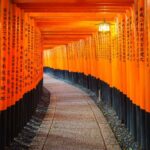
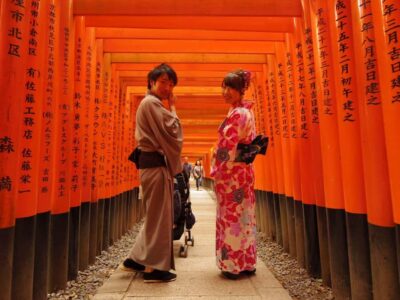
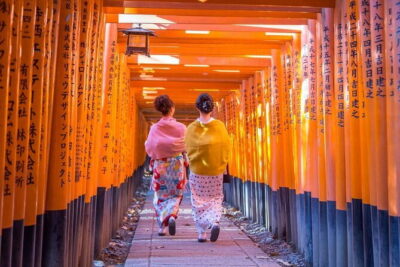
More walks up through the vermilion torii of Fushimi Inari

Fushimi Inari’s Senbon Torii: the best time to go
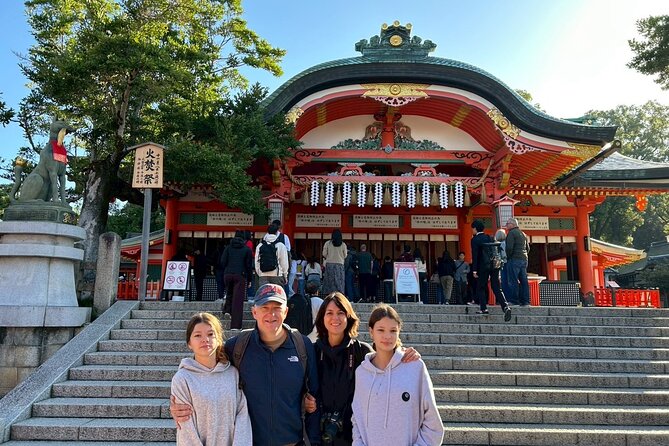
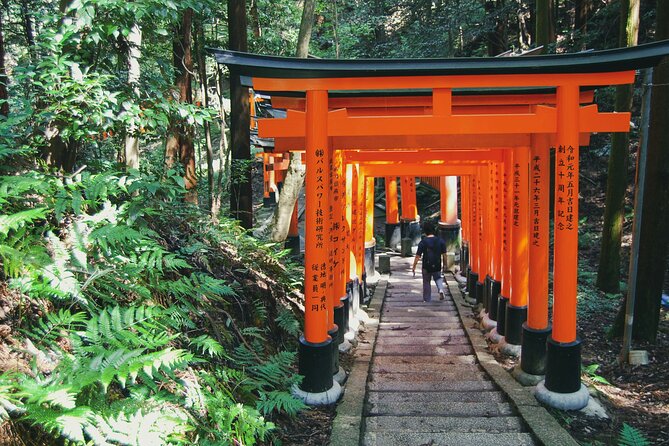
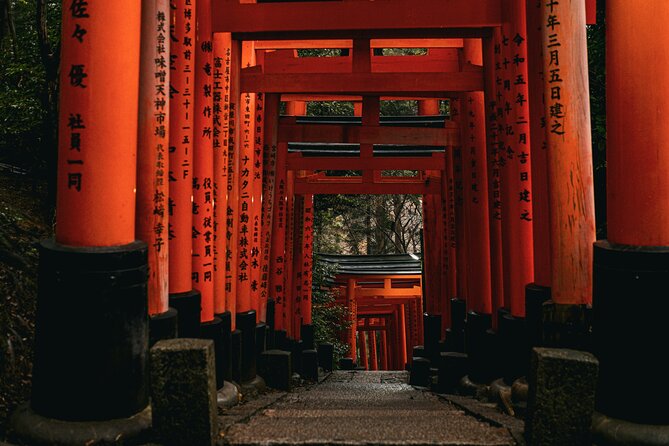
Fushimi Inari-taisha is the Kyoto stop that’s famous for a reason: those thousands of red torii gates create a corridor of color that feels almost endless. The tour takes you there first, and that sequencing is smart. If you ever want to see the torii path while it still feels spacious, go early. This tour is built around that idea.
You’ll spend about 1 hour at Fushimi Inari, and the admission ticket is listed as free. That’s one of those rare Kyoto deals where the most iconic scenery doesn’t come with a separate entry fee for the main area.
What I’d pay attention to during your hour there:
- The way the gates “snake” up the sacred route. Even if you don’t go all the way to the top, the gradient effect—the gates narrowing and extending—creates the mood.
- The atmosphere shift as you move along the path. Inari sites feel active, but at earlier times they’re easier to experience calmly.
A small practical consideration: Fushimi Inari is popular, and the torii path is long. If you’re sensitive to crowds or fatigue, plan your energy before you start. The “crowd-free” goal works best when you’re ready for a steady walk.
Nijo Castle and the Tokugawa Shogun story you’ll remember
Nijo Castle is the kind of place where Kyoto’s history becomes physical. You’re looking at a samurai-era power base, and the tour keeps the focus on the most meaningful areas rather than treating it like a checklist.
You’ll have about 1 hour here, and the admission ticket is not included in the price. (More on costs later.) What you do get on the spot is guidance that connects the architecture to the people who built and used it.
The highlight is the Ninomaru Palace, described as the former residence of the Tokugawa Shogun. That detail matters because it changes how you interpret what you see. Instead of just admiring rooms and corridors, you can connect them to authority, ceremony, and power—especially when your guide explains what parts were designed for how rulers lived and met others.
Why Nijo is a strong mid-day stop in this route:
- It breaks the day up between outdoor walking at Fushimi Inari and the iconic visuals of Kinkaku-ji.
- It’s a place where stories help you “read” the site. Without context, castles can blend into generic medieval impressions. With context, they feel specific.
The main drawback is purely time and money. It’s only about an hour, so if you want deep, slow wandering, you may want extra time on your own afterward. And since admission isn’t included, you’ll need to budget for the ticket.
Kinkaku-ji Golden Pavilion: what makes it click on arrival
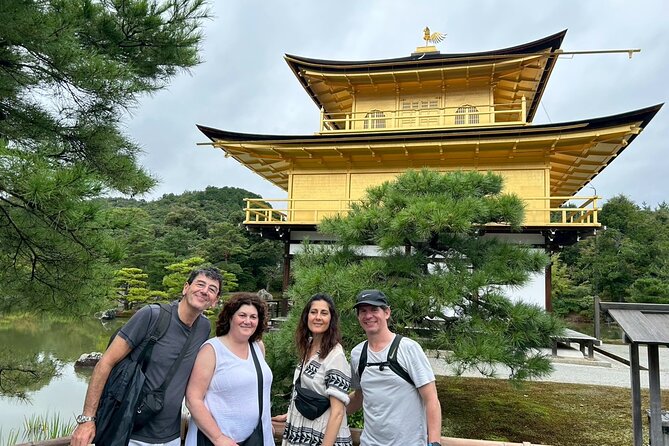
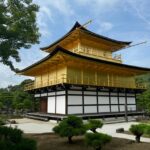
Kinkaku-ji (the Golden Pavilion) is one of those Kyoto images that looks unreal in photos—and still lands in person. The tour gives you about 1 hour at the temple, and the ticket is not included.
The pavilion itself is covered in brilliant gold leaf, and that’s the point. If the light is right, the building looks like it’s made of shimmering metal and myth. If the weather is less cooperative, the tour notes that conditions matter, and you may need to adjust expectations. (Kyoto is famous for weather changes—bring the mindset that you’re visiting a living place, not a theme park prop.)
In your hour at Kinkaku-ji, I’d focus on three things:
- The way gold leaf visually “frames” the structure. Even from different angles, it can look like the pavilion has shifted color.
- The contrast between the gold and the calmer, temple surroundings. It helps your brain stop and switch from sightseeing to observing.
- The overall sightline impact. This temple is designed to be noticed, and the payoff is in how quickly it becomes the center of your attention.
Like Nijo, Kinkaku-ji is ticketed separately. So while the tour handles the guide part, you still pay the temple admission on arrival or at entry.
What a private guide actually changes in Kyoto
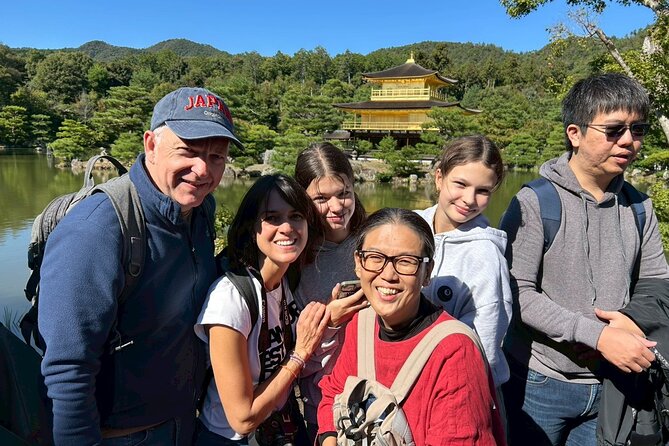
Here’s the practical truth: Kyoto guidebooks can give you facts, but they don’t always help you connect dots. A private guide does.
On this tour, the guide’s role isn’t just standing nearby and saying the name of a place. It’s about context—stories about what you’re seeing and what you might miss if you go solo. That matters most at sites like Nijo Castle, where the significance is tied to the people and the era, not just the buildings.
I also like that the guides in the reviews seem to be strong at interaction. I saw repeated praise for guides such as Tom, Ryu, Kazuya, and Maki being friendly, answering questions, and explaining cultural history. That kind of responsiveness helps when you hit the moment where you’re staring at something and thinking, Why is this set up this way?
Also, the pace is calmer. Shared tours often move at the speed of the group and the logistics. Private tours can slow down when it’s worth it, especially at places like Fushimi Inari where the experience depends on how you move through the torii corridor.
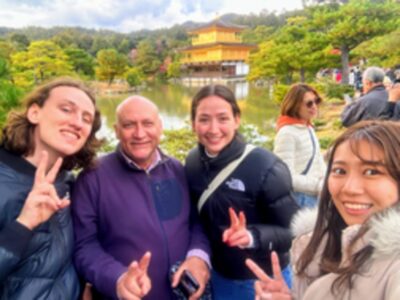
More gilded pavilions and raked gardens around Kyoto

Price and what value really looks like here
The tour price is $91.96 per person for about 5 hours. That’s not “cheap,” but it’s also not trying to be. You’re paying for a local guide and the convenience of a planned route that tries to dodge the worst crowd times.
Where the value becomes clear:
- You’re seeing three major Kyoto highlights in one day: Fushimi Inari, Nijo Castle, and Kinkaku-ji.
- You’re not doing the work of figuring out timing and routing across those different areas.
- Your guide brings the kind of context that turns “I saw it” into “I get why it matters.”
Now the part you should budget for: admission tickets for Nijo Castle and Kinkaku-ji aren’t included, while Fushimi Inari’s admission ticket is free. Food and drinks are also not included. So your “all-in” day cost is the tour price plus at least two temple admissions, plus whatever you choose to eat.
If you’re comparing alternatives, think like this: you’re essentially buying time, guidance, and crowd-smart scheduling. If you enjoy DIY travel, you can piece this day together. If you want fewer decisions and more story-per-hour, this format is often worth it.
Timing tips for a smooth 5-hour day
Because this is a crowd-managed route, small choices matter. You don’t need to overthink it, but you do want to be prepared.
A few practical tips that fit this specific route:
- Start your day ready to walk. Fushimi Inari involves a long torii path, and you’ll be moving steadily.
- Wear comfortable shoes you trust on temple surfaces. Even a short day can add up when you factor in entrances, stairs, and uneven ground.
- If you care about photos, know that lighting and crowd levels change fast. The tour’s early start helps, but you’ll still want to move with purpose during the best windows.
- At the two ticketed stops (Nijo Castle and Kinkaku-ji), keep a little extra budget and patience. You’ll spend time at entrances and you’ll want cashless options to avoid delays if you prefer that.
Also, note the weather requirement. The experience states it depends on good weather; if weather forces changes, you’ll be offered a different date or a full refund. That’s not a reason to skip it. It’s a reason to keep your schedule flexible when possible.
Who this tour suits best (and who might want something else)
This is a strong fit if you:
- Want to see Kyoto’s biggest “musts” without spending your day figuring it out
- Prefer a calmer experience than typical group chaos
- Like historical context and cultural stories, not just photos and stamps
- Are working with limited time (about 5 hours is a very realistic day plan)
It’s also a good choice if you’re traveling with a friend or small group and you want your own rhythm. The tour is private, so only your group participates.
You might consider a different style of tour if you:
- Want a very slow, unstructured visit at each site. This is designed to cover three major stops efficiently, so you won’t linger all day at one location.
- Don’t want to add extra admissions and food costs on top of the tour price.
Should you book this crowd-free Kyoto highlights tour
If your goal is to hit Fushimi Inari, Nijo Castle, and Kinkaku-ji in one well-planned day, I’d book this. The biggest reason is the crowd-smart approach at Fushimi Inari, plus the fact you get a local guide who can explain what you’re seeing at each stop.
It’s especially worth it if you’re the type who likes understanding history while you walk. Nijo Castle’s Tokugawa Shogun connection lands far better when it’s explained, not just stared at. And Kinkaku-ji is the kind of sight that’s easier to appreciate when you know what you’re looking at and why it’s so iconic.
Just go in with two expectations set:
1) You’ll still pay admissions for Nijo Castle and Kinkaku-ji.
2) Weather can affect conditions, so pick this when your schedule can handle a small shift.
FAQ
How long is the Kyoto tour?
The tour is about 5 hours.
Where does the tour start and end?
It starts at South Square, Kyoto Station Building, and ends at Kinkaku-ji.
Is this tour private?
Yes. It’s a private tour/activity, and only your group participates.
What is the price per person?
The price is $91.96 per person.
Is the Fushimi Inari admission ticket included?
Yes. The Fushimi Inari-taisha Shrine admission ticket is listed as free.
Are tickets for Nijo Castle and Kinkaku-ji included?
No. The admission tickets for Nijo Castle and Kinkakuji Temple are not included.
Is food or drinks included?
No. Food and drinks are not included.
What happens if the weather is poor?
The experience requires good weather. If it’s canceled due to poor weather, you’ll be offered a different date or a full refund.
Can I cancel for a full refund?
Yes, you can cancel up to 24 hours in advance of the experience for a full refund. If you cancel less than 24 hours before the start time, the amount paid will not be refunded.
More of Castle-Era Kyoto
More Golden Pavilion and Temple Tours
Fushimi Inari, a Few More Ways
Just added: more Kyoto tours to browse





Fushimi Inari Shrine Tours, compared.
 ★ 4.8Fushimi Inari, Kinkakuji, Bamboo Grove 1 Day Bus TourFrom $1224,316 reviews
 ★ 5.0Fushimi Inari Hidden Hiking Tour (Private Option Available)From $631,750 reviews
 ★ 4.7Kyoto/Osaka: Nara, Fushimi Inari Taisha, Arashiyama Bus TourFrom $521,275 reviews
 ★ 4.4Osaka/Kyoto: Arashiyama, Nara & Fushimi Inari Shrine w/LunchFrom $61754 reviews
 ★ 4.7Nijo Castle, Kiyomizu & Fushimi Inari Guided TourFrom $54700 reviews
 ★ 5.0Nijo, Kinkaku-ji, Arashiyama, Kiyomizu & Fushimi InariFrom $51699 reviews
 ★ 5.0Kyoto Fushimi-Inari Night Walking TourFrom $43320 reviews
 ★ 4.93-Hour Fushimi Inari Shrine Hidden Hiking TourFrom $72270 reviews
Browse the lists this tour appears in